
Film
Tosca
Other titles called Tosca: the 1956 film, the 2001 film, the 2009 film.
Puccini's Tosca, captured live from the Met in 1985, is grand opera at its most theatrical and emotionally ruthless. Plácido Domingo sings Cavaradossi opposite Hildegard Behrens's passionate, volatile Tosca, with Cornell MacNeil as the predatory Scarpia. This is opera for people who think they don't like opera: three acts of jealousy, corruption, and impossible choices, scored to music that doesn't let you look away.
If you liked this
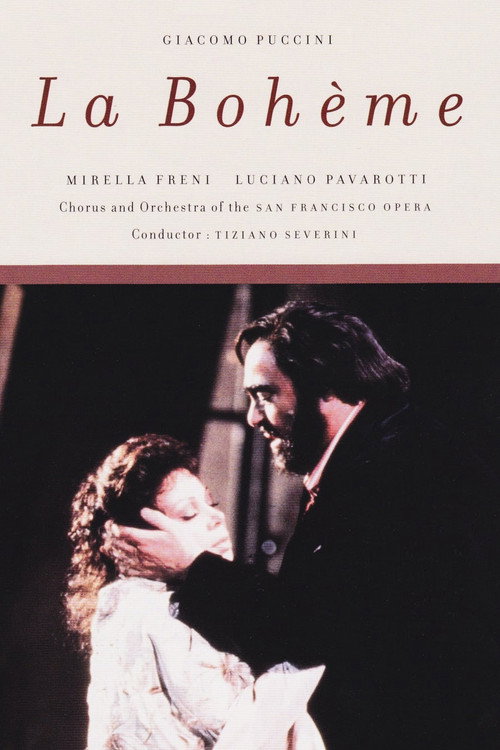
La Boheme1988
Puccini again, but softer—a love story between starving artists that will break your heart in a completely different way. Same composer, same ability to make you feel everything at once.
But It's gentler and sadder in a way that some find less gripping than Tosca's melodrama. If you want plot momentum, this drifts.
Carmen1984
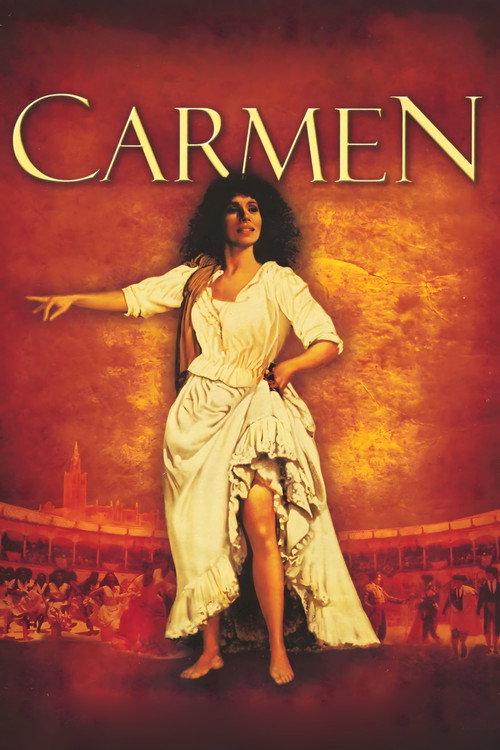
Bizet's masterpiece with Maria Ewing and Plácido Domingo again. A woman who refuses to be owned, a man who can't accept it, and music that swings between sensuality and violence. Visually stunning.
But The film's stylized staging doesn't appeal to everyone. Some opera lovers prefer Carmen on a traditional stage.
Don Giovanni1990
Mozart's most dramatically alive opera—a rake outrunning consequence until the moment he can't. It's got everything: comedy, seduction, murder, the supernatural. This Losey film version is visually inventive.
But Mozart moves faster than Puccini, and the tone shifts constantly. If you prefer sustained emotional intensity, the tonal whiplash might feel unsettling.
Not sure tonight? Get a pick in a minute, starting from Tosca
The wildcard
Something you would not have found on your own.
Synecdoche, New York2008
Both are about the consuming power of art, the way a story demands everything from you, and what happens when you can't separate the performance from the life.
Charlie Kaufman's fever dream about an artist staging an opera inside a warehouse, reality bleeding into theatre until neither exists separately. It's about performance, obsession, and the stories we tell ourselves to avoid living. Sound familiar?
But It's deliberately disorienting and refuses to resolve. Many find it pretentious or exhausting. It requires surrender, not understanding.

More like this (6)
Madame Butterfly1954
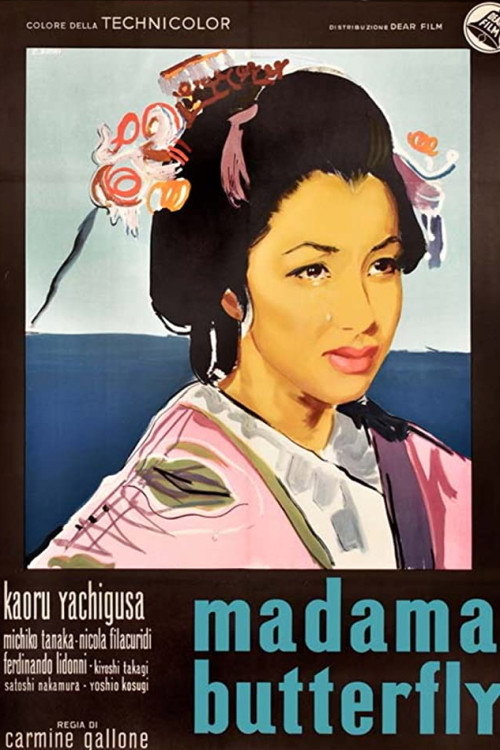
Another Puccini, even more devastating than Tosca. A woman destroyed by trust in the wrong person. The final act is one of opera's most unbearable and beautiful sequences.
But It hinges on a marriage of profound inequality. The central relationship is deeply uncomfortable, which is the point, but that's a lot to sit with.
Il Trovatore - Metropolitan Opera2015
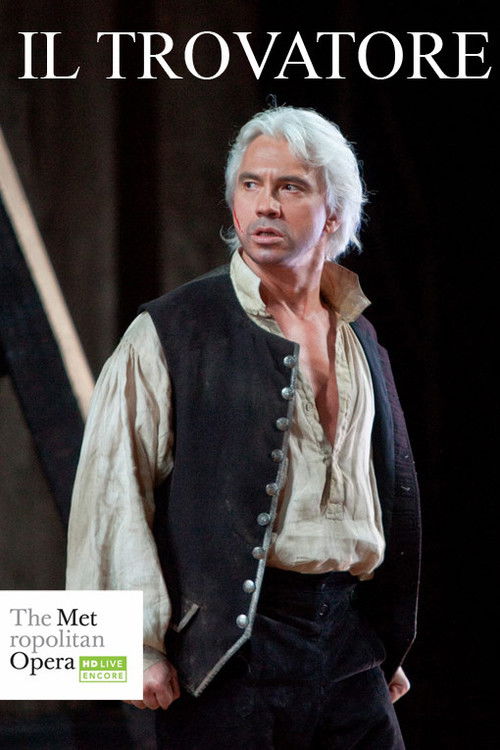
Verdi's fever dream of a plot—mistaken identities, forbidden love, magic, execution. It moves like a thriller and sounds like heaven. Pure operatic adrenaline without apology.
But The plot is genuinely confusing if you're not following the libretto. It's also relentlessly intense with almost no quiet moments.
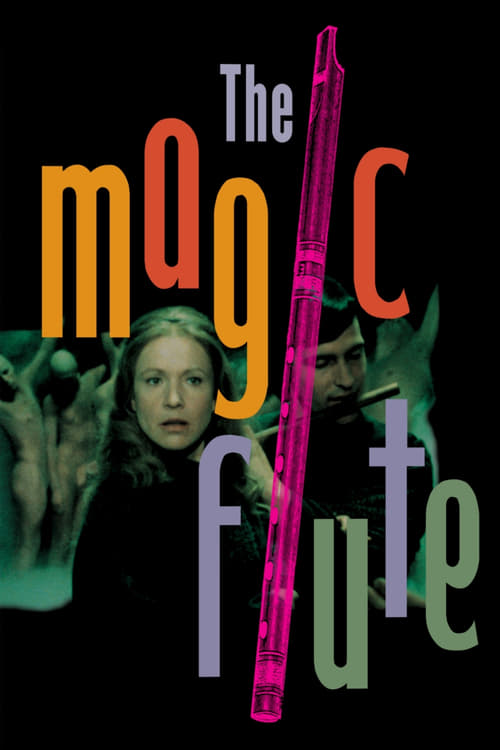
The Magic Flute1975
Ingmar Bergman directs Mozart. A fairy-tale opera that's playful and mystical at once, visually gorgeous, and genuinely moving despite its fantastical plot.
But It's long and doesn't have Tosca's propulsive dramatic momentum. Some of the theatrical flourishes feel dated now.
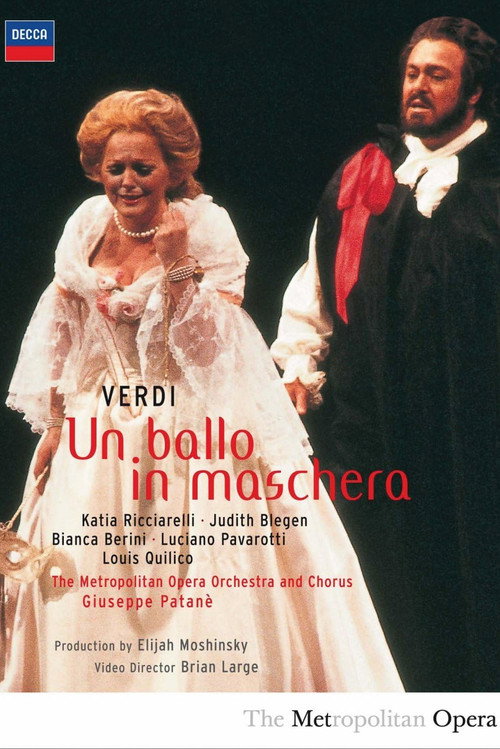
Un Ballo in Maschera1980
Verdi with political intrigue, assassination plots, and a king who can't escape his fate. It's got the machinery of Tosca—power, desire, violence—in a different costume.
But It's less immediately gripping than the top recommendations here. The historical shifts of the plot sometimes feel arbitrary.
The Third Man1949
Like Tosca, it's about how charm and charisma can mask absolute corruption, and what it costs to love someone capable of monstrous things. Scarpia and Welles's character would recognize each other.
A masterpiece of suspense and moral corruption set in occupied Vienna. Orson Welles as a man who has done terrible things and doesn't see why it matters, opposite Joseph Cotten's American innocence. The zither score is unforgettable.
But It's a film noir in black and white from 1949. The pacing is deliberate, and some find the moral ambiguity frustrating rather than complex.

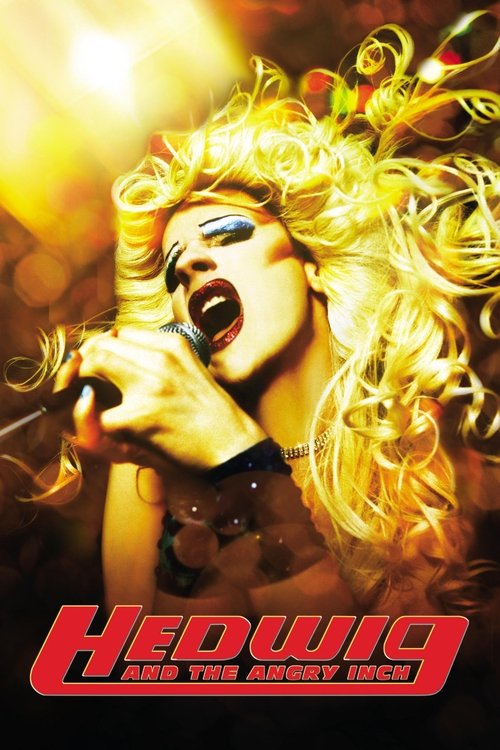
Hedwig and the Angry Inch2001
Strip away the gilt and it's the same story: a desperate person loves someone who uses them, and the only thing left is the art they made from the wreckage. Both ask what you do when you can't have what you need.
A rock opera about a transgender rock star, her impossible love, and the songs she wrote about betrayal and reinvention. It's raw, funny, angry, and achingly human. The music lodges in your chest.
But It's vulgar and deliberately cheap-looking. The tone swings between comedy and pain. The ending is ambiguous. It's not palatial or grand—it's the anti-Tosca aesthetically.
People
Cast
 James CourtneyAngelotti
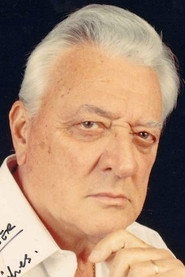 Italo TajoSacristan
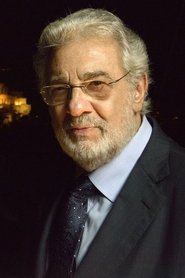 Plácido DomingoCavaradossi
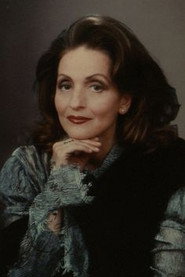 Hildegard BehrensTosca
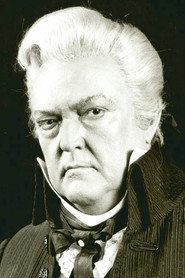 Cornell MacNeilScarpia
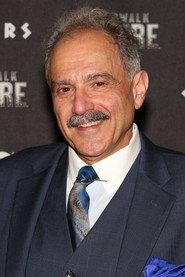 Anthony LaciuraSpoletta
- Russell ChristopherSciarrone
- Richard VernonUn carceriere
- Melissa FogartyUn pastore
Directing
- Franco ZeffirelliDirector
- Kirk BrowningDirector
Production
- Michael BronsonExecutive Producer
- Joseph VolpeGeneral Manager
- Samuel PaulProducer