
Film
The Magic Flute
Other titles called The Magic Flute: the 2006 film, the 2006 film.
Ingmar Bergman's 1975 film of Mozart's opera is pure visual enchantment—a backstage fairy tale where the theatre itself becomes magical. Shot in luminous black-and-white, it treats the music not as accompaniment but as the story's beating heart. For anyone who thinks opera is stuffy or inaccessible, this is the gateway.
Should you watch it?
Watch it if you already love Mozart's score, or enjoy stagey storybook fantasy where singing carries the drama, and want a filmed opera that feels like a lavish, playful picture book.
Skip it if the whole thing is sung, so if spoken dialogue and brisk plotting are what you need, the 134 minutes of arias and stylized staging may feel slow.
What it asks of you: Over two hours of sung-through material, with a deliberately stylized, unhurried rhythm; you'll need to sit with the music rather than skim it.
Not sure? Find tonight's pick in a minute.
If you liked this
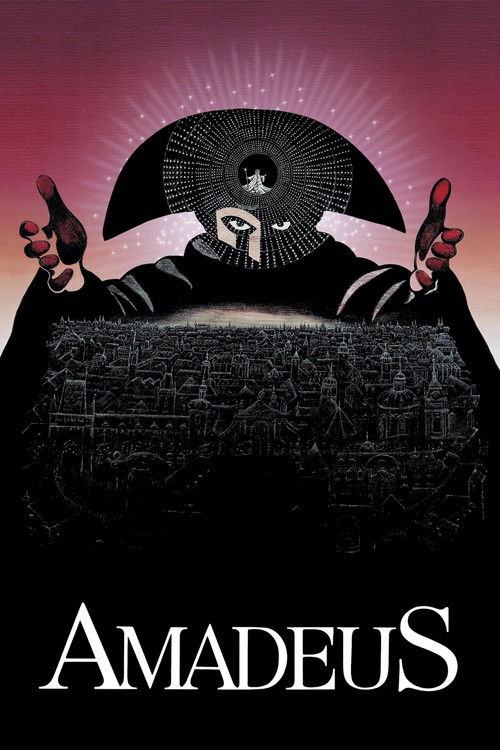
Amadeus1984
Another portrait of genius and ambition set in Mozart's world, but filtered through jealousy, faith, and the question of what separates the divine from the human. Visually sumptuous and dramatically unstoppable.
But Three and a half hours long, and the drama is often overwrought in ways The Magic Flute never is. Some find it exhausting rather than exhilarating.
Don Giovanni1979
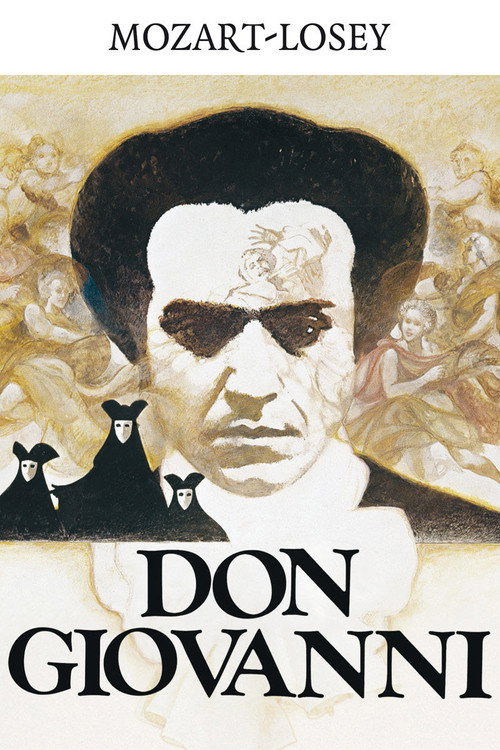
Joseph Losey's film of another Mozart opera finds similar visual brilliance in a European castle. If Bergman's approach enchanted you, this proves the magic works across different hands and different operas.
But More austere and architecturally precise than The Magic Flute—less whimsy, more menace. The pacing is deliberate in ways some find cold.
Orpheus1950
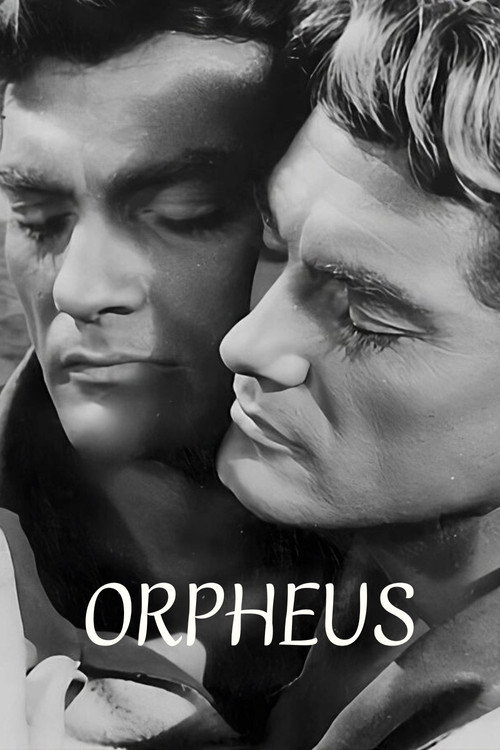
Cocteau's modernist riff on the Orpheus myth shares Bergman's belief that opera and myth speak directly to cinema's power. A young musician, a mysterious death, and beauty that costs everything. Hypnotic and strange.
But Shot in grainy black-and-white, deeply French, and uninterested in explaining itself. The logic is dream-logic, which some find frustrating rather than liberating.
Not sure tonight? Get a pick in a minute, starting from The Magic Flute
The wildcard
Something you would not have found on your own.
Orphée aux enfers1997
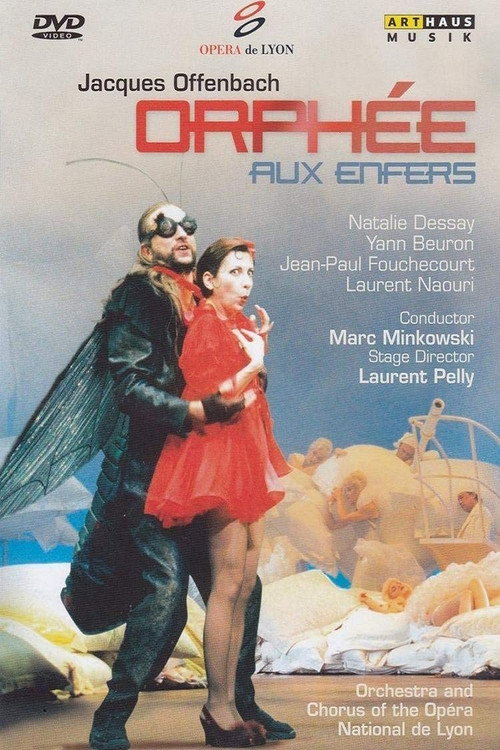
Both are Romantic fantasies set in impossible worlds, but Offenbach's operetta uses that world to mock the real one while Mozart (and Bergman) uses it to sanctify it. Two opposite directions from the same starting point.
Operetta—not opera—is gossip and satire in musical form, where the gods are vain and the real world intrudes constantly. This version lets you see how differently The Magic Flute could have been done if Bergman had wanted knockabout farce instead of mystery.
But It's fundamentally jokey where The Magic Flute is sincere underneath the playfulness. If you want to protect your sense of that film's enchantment, this deconstructs it.
More like this (6)
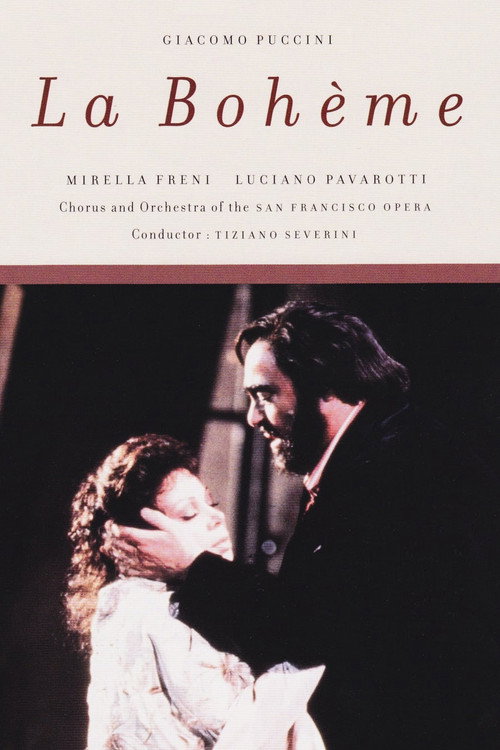
La Boheme1988
Puccini's opera of young love and poverty, filmed by Zeffirelli with the same visual warmth Bergman brings to Mozart. Emotionally direct where Bergman is mysterious—a different take on how cinema can serve opera.
But More straightforwardly sentimental. If you loved the playful, theatrical mischief in The Magic Flute, this might feel too earnest.
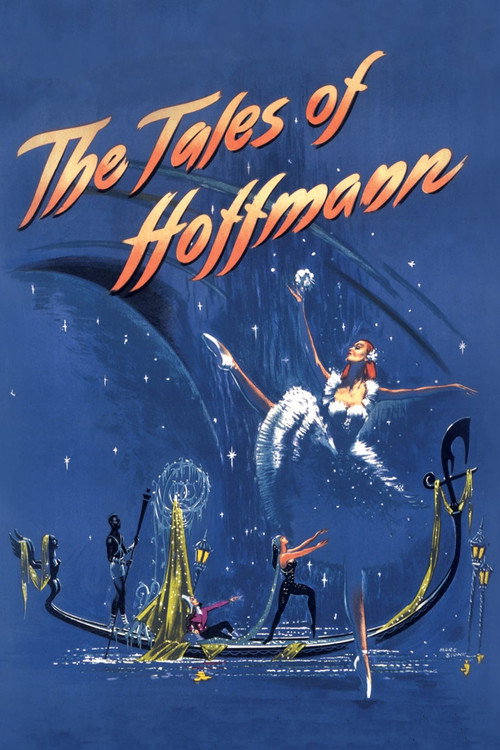
The Tales of Hoffmann1951
Powell and Pressburger's Offenbach opera film is Bergman's closest cousin in approach—unabashedly theatrical, visually stunning, where the design and cinematography rival the music for your attention.
But Even more baroque and densely plotted than The Magic Flute. If you didn't find Bergman's deliberate pace rewarding, this will feel more frustrating.
A Midsummer Night's Dream1935
Not an opera, but Max Reinhardt's film has the same enchanted-forest atmosphere and same faith that theatre can be utterly cinematic. If you loved the visual poetry of Bergman's approach, this shows where it came from.
But Made nearly forty years before The Magic Flute and it shows—the performances can feel theatrical to modern eyes in a way Bergman's restraint avoids.
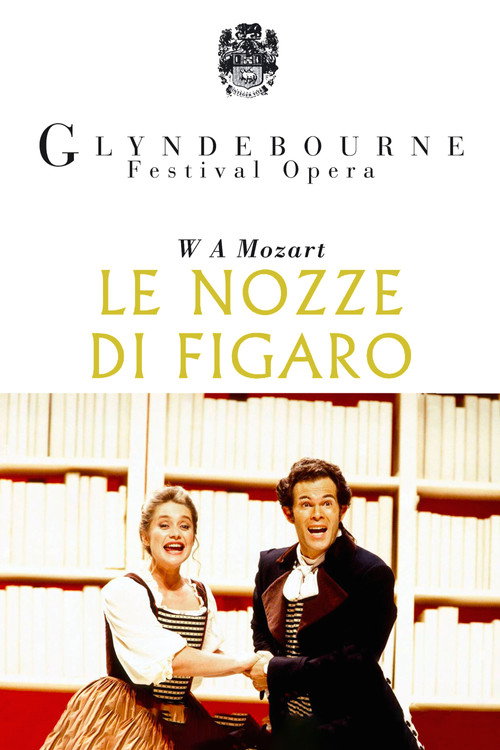
The Marriage of Figaro1994
Olivier Dahan's Mozart filmed with balletic precision and genuine wit. The music is clearer than in Bergman's version, the romance more legible, the energy infectious without being pretentious.
But More straightforward adaptation, less interested in cinema's own magic. If you loved Bergman's weirdness and theatricality, this might feel too polished.
Synecdoche, New York2008
Both are about the absolute power of theatre and artifice to transform human beings and rewrite the rules of the world—but Kaufman explores the cost while Bergman celebrates the miracle.
Charlie Kaufman's film is about a theatre director building a massive replica of the world inside his theatre until the boundaries collapse. Like Bergman's film, it asks what happens when we make something that feels more real than reality itself, and whether that's redemption or madness.
But Bleak, abstract, deliberately difficult to follow. The opposite of The Magic Flute's clarity of purpose. Some find it brilliant, others insufferably pretentious.

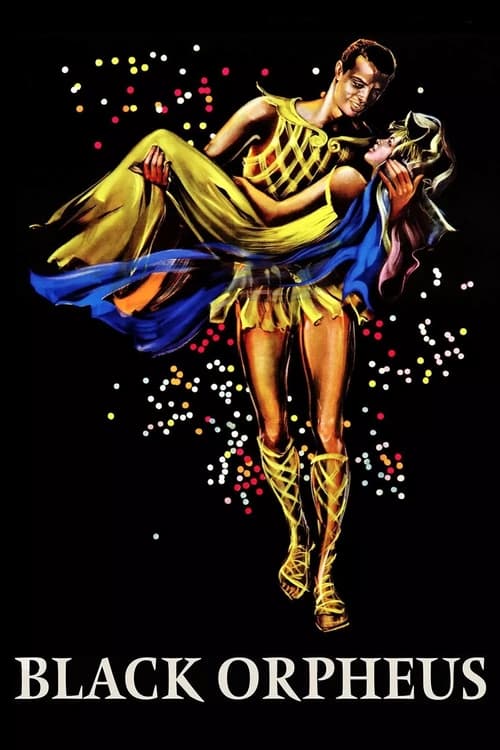
Black Orpheus1959
Both treat myth and music as doorways to transformation rather than stories to be told. Both believe in the sacred power of beauty to change lives. But where Bergman is European and formal, this is immediate, embodied, and rooted in a real place and people.
Brazilian film that relocates the Orpheus myth—and the operatic tradition—to a Rio favela during Carnival. The music, the colour, the belief that myth lives in the present moment: completely original, and it proves that Bergman's approach to opera-as-cinema can flower in any soil.
But In Portuguese with subtitles, shot in documentary style about a community in real crisis. The Carnival joy sits uneasily with genuine human vulnerability. Some find that tension profound; others find it uncomfortable.
People
Cast
- Josef KöstlingerTamino
- Irma UrrilaPamina
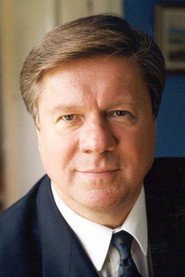 Håkan HagegårdPapageno
- Elisabeth EriksonPapagena
- Britt-Marie AruhnFörsta damen (First Lady)
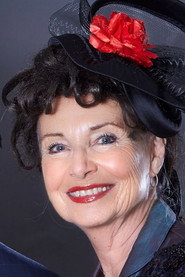 Kirsten VaupelAndra damen (Second Lady)
- Birgitta SmidingTredje damen (Third Lady)
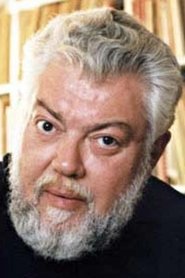 Ulrik ColdSarastro
- Birgit NordinNattens Drottning (Queen of the Night)
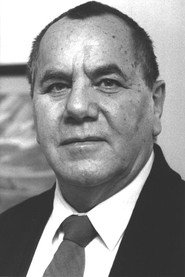 Ragnar UlfungMonostatos
- Erik SædénTalaren
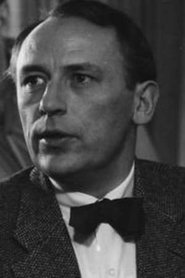 Ulf JohanssonAndra prästen (Second Priest)
Directing
- Kerstin ForsmarkAssistant Director
- Ingmar BergmanDirector
Writing
- Emanuel SchikanederOriginal Story
- Ingmar BergmanScreenplay
Production
- Måns ReuterswärdProducer
- Måns ReuterswärdProduction Manager
Recommended by
Amadeus, La Bohème, La Boheme, Don Giovanni, Tosca, The Marriage of Figaro, Orfeo Ed Euridice, Madame Butterfly, Tosca, Don Giovanni, Cavalleria rusticana, Otello, Un Ballo in Maschera, Tosca, Nabucco, Rigoletto, Nabucco, Aida, Così fan tutte, Idomeneo, La Traviata, Fidelio, Die Entführung aus dem Serail, Der Rosenkavalier, Don Giovanni, Aida, The Metropolitan Opera: Rigoletto, L'Incoronazione di Poppea, I Puritani, Alcina, Dido and Aeneas, Bluebeard's Castle, Les Indes Galantes, Lucia di Lammermoor, Elektra, Don Giovanni, Salome, Samson and Delilah, La Traviata, Turandot, La Bohème