
Film
Nabucco
Other titles called Nabucco: the 1986 film.
Verdi's 1981 filmed opera captures the monumental tragedy of Nabucco, where power, forbidden love, and faith collide among Babylon's ruling family. This is opera as spectacle: vast sets, soaring voices, the full orchestral weight of one of the form's most irresistible scores. For anyone who's ever wondered what grand opera actually feels like, or who already loves it and wants to see it done with real theatrical scale.
Should you watch it?
Watch it if you already love grand Italian opera and want big voices carrying a sweeping historical drama, with choral passages that feel built to fill a cathedral.
Skip it if you find sung drama hard going, since the story arrives almost entirely through arias and recitative, and a long run of singing will test your patience.
What it asks of you: Settle in for a little over two hours of mostly continuous music, where gestures and stillness weigh as much as plot, and patience pays off in the big ensemble moments.
Not sure? Find tonight's pick in a minute.
If you liked this
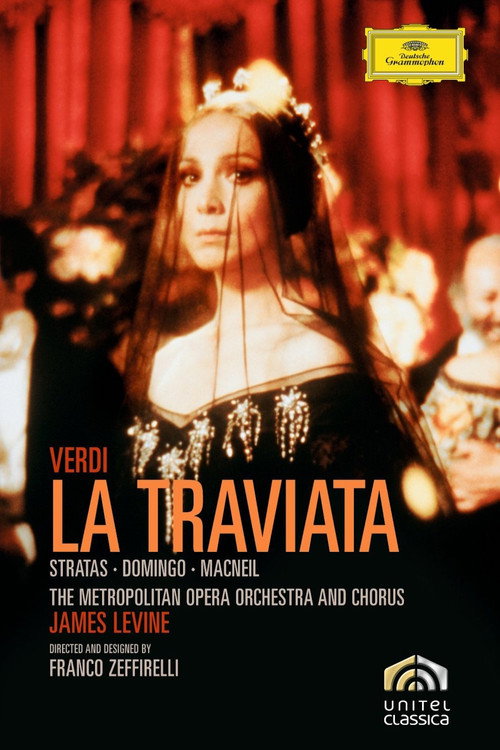
La traviata1982
Zeffirelli's sumptuous staging of Verdi's most intimate masterpiece, with the same sumptuous visual language but inverted emotional stakes—intimacy instead of empire, love instead of power.
But It's equally long and demands patience with operatic conventions; if grand gestures feel silly to you, this won't convert you.
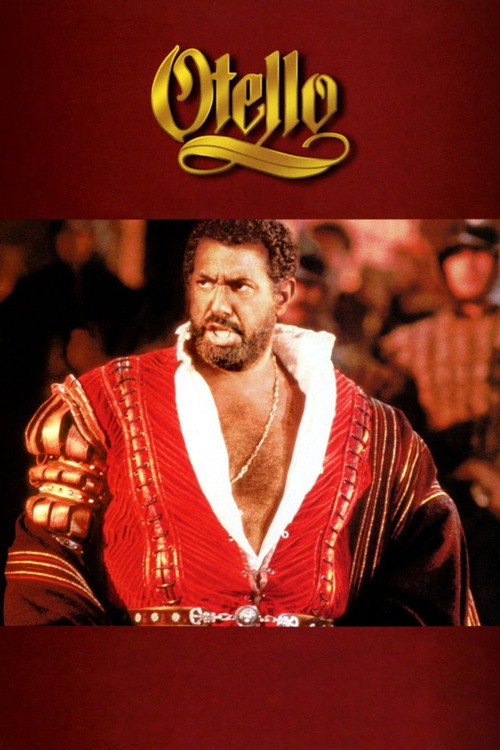
Otello1986
Verdi's final masterpiece about jealousy and manipulation, directed by Franco Zeffirelli with operatic intensity at its absolute peak. If you want to see what Shakespeare looks like when filtered through genius-level music, this is it.
But It's relentlessly bleak and the runtime stretches over two hours of mounting psychological torment.
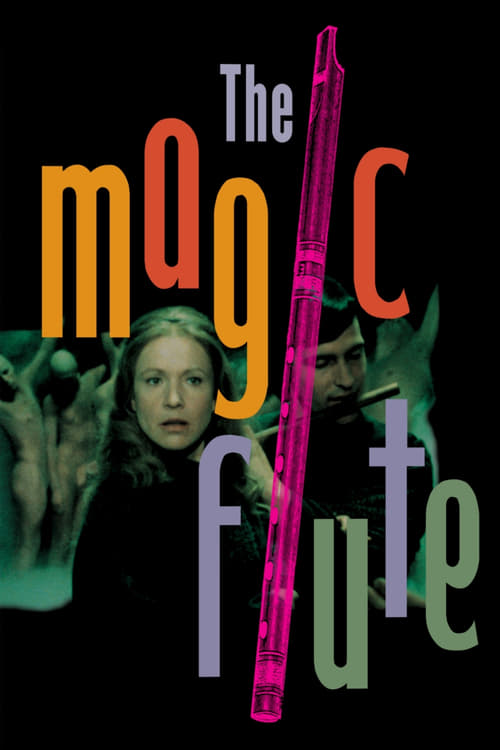
The Magic Flute1975
Ingmar Bergman's filmmaking applied to Mozart's most visually and spiritually audacious opera. The mystery, the spectacle, the humanity—all of it transformed by a director who understood cinema and music equally.
But It's deliberately theatrical and stylised rather than naturalistic; nearly three hours; some find Mozart less immediately gripping than Verdi.
Not sure tonight? Get a pick in a minute, starting from Nabucco
The wildcard
Something you would not have found on your own.
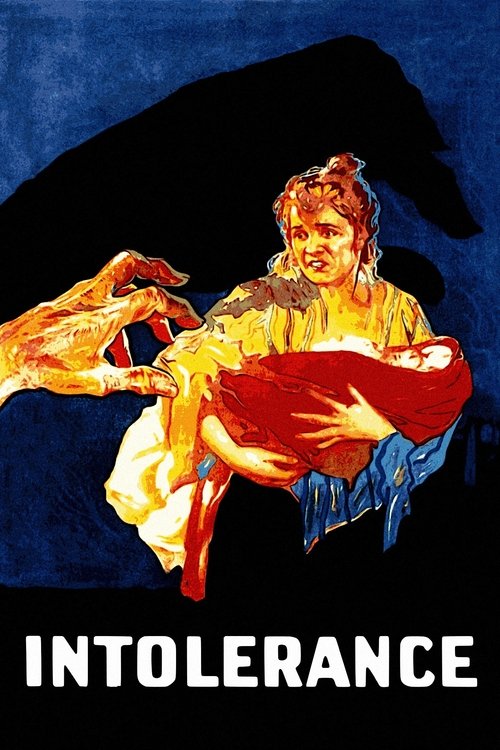
Intolerance: Love's Struggle Throughout the Ages1916
Both use Babylon as a symbol of absolute power and human cruelty; both build their moral argument through visual spectacle rather than intimate dialogue.
D.W. Griffith's four-timeframe epic about religious persecution and power, with Babylon as one of four parallel narratives. Silent, but the visual spectacle rivals any opera—massive sets, thousands of extras, architectural grandeur that influenced every historical epic after.
But It's 163 minutes of silent film with intertitles; Griffith himself was a white supremacist whose other work was deeply racist, and that context haunts everything he made.
More like this (5)
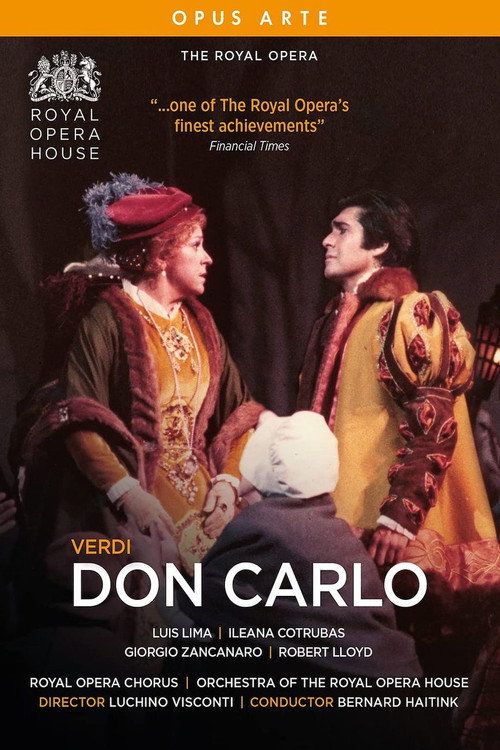
Don Carlo1985
Verdi at his most politically ambitious, about power, faith, love and the impossibility of having all three. Vocally and dramatically one of his greatest works, with a superb cast captured in their prime.
But It's five acts and over three hours; the political plot can feel abstract compared to Nabucco's family drama.
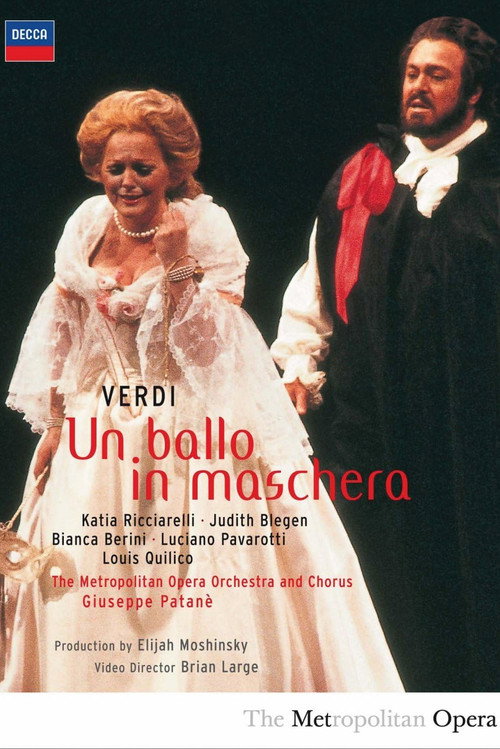
Un Ballo in Maschera1980
Verdi's most purely entertaining opera—assassination plots, masked balls, love triangles, all wrapped in some of his catchiest, most radiant music. Fun opera, which is rarer than you'd think.
But Its lightness can feel shallow after the mythic weight of Nabucco; some plot threads feel contrived.
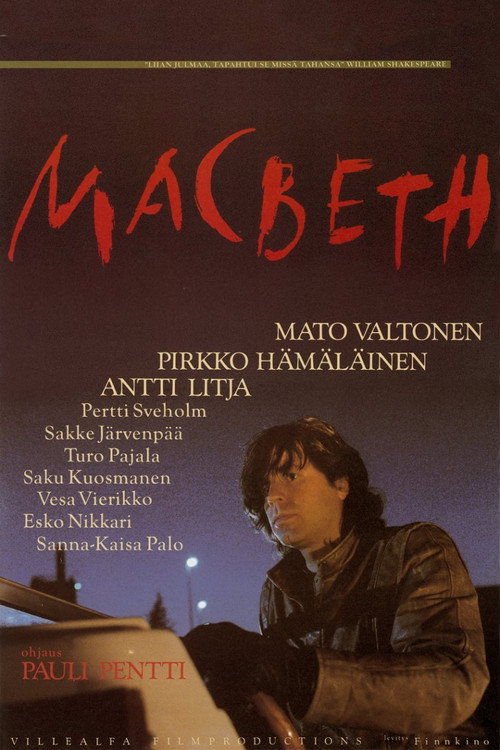
Macbeth1987
Verdi's Shakespeare adaptation with all the fury and supernatural dread you'd want. The witches scene alone justifies the watch; the orchestration is visceral in ways his earlier operas only hint at.
But It's gruesome and psychologically unsettling; the English play's darkness is fully realised here, no softening.
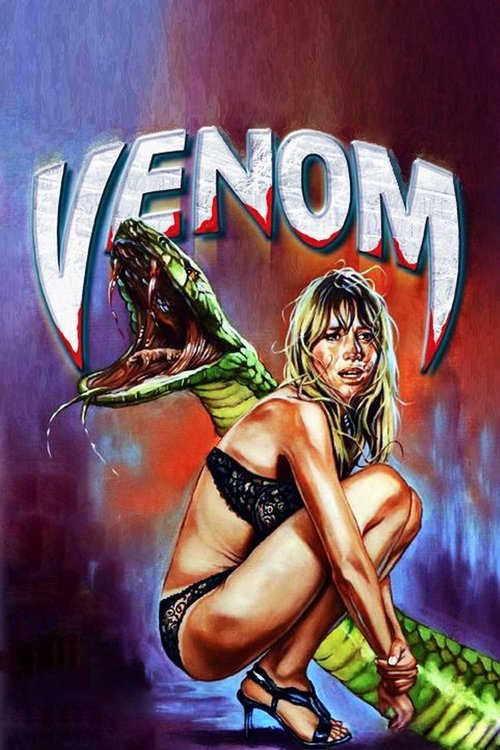
Venom1981
Both trap their characters in power dynamics they can't escape—here physical and immediate rather than dynastic, but the desperation of people pushed into corners is identical.
A siege thriller where a priceless artifact (a black mamba) becomes a hostage negotiation pawn, trapped in a London townhouse with Klaus Kinski, Sterling Hayden, and Sterling Hayden playing Sterling Hayden. Tense, weird, utterly 1981.
But It's pulpy B-movie material, almost trashy; if you want intellectual seriousness or artistic ambition, this will feel like a betrayal.
The Seventh Seal1957
Both confront the powerlessness of rulers; both use grand symbolic settings to explore whether faith or will matters when history overwhelms the individual.
Bergman's knight plays chess with Death while plague ravages Sweden. Medieval, philosophical, morally ruthless—opera's themes of faith, power and mortality rendered in pure cinema. Feels like watching a Verdi libretto shot through with existential terror.
But It moves slowly and demands intellectual engagement; you cannot simply watch it, you have to think alongside it.

People
Cast
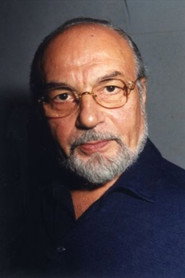 Renato BrusonNabucco
- Ghena DimitrovaAbigaile
- Dimiter PetkovZaccaria
- Bruna BaglioniFenena
- Ottavio GaraventaIsmaele
- Francesco Ellero D'ArtegnaGran Sacerdote
- Aronne CeroniAbdallo
Directing
- Brian LargeDirector