
Film
Don Carlo
Other titles called Don Carlo: the 1992 film.
Verdi's towering five-act opera about forbidden love, political ambition, and faith tested to breaking point. This 1985 Royal Opera House staging captures the work's operatic grandeur while mining the intimate despair beneath—a performance where both orchestra and cast seem to understand exactly what is at stake. For anyone who loves opera, or who has ever wondered what the fuss is about.
Should you watch it?
Watch it if you love grand, slow-burning opera where the drama lives in long, anguished duets and court intrigue, and you don't mind the big voices doing the heavy lifting.
Skip it if you find three-plus hours of sung Italian with long stretches of quiet brooding hard to sit through, or you want a tighter, faster story.
What it asks of you: Plan on three hours and twenty-four minutes, paced for patience: scenes stretch out, arias build slowly, and the mood stays somber from first note to last.
Not sure? Find tonight's pick in a minute.
If you liked this
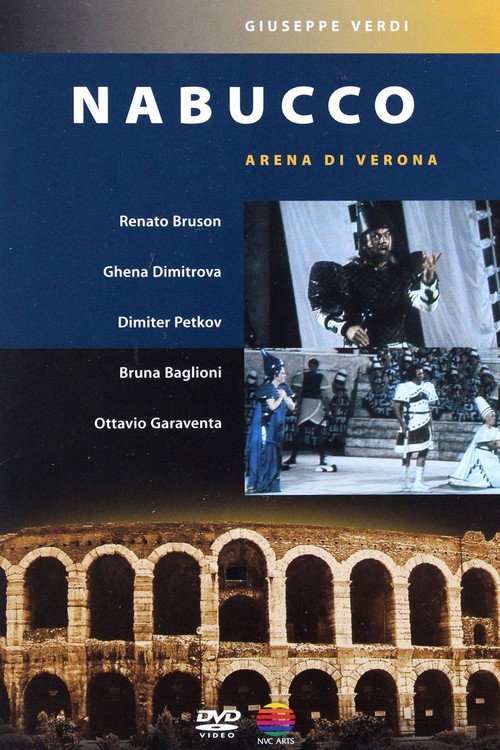
Nabucco1981
A more compact Verdi featuring Plácido Domingo, with clearer dramatic stakes and the famous 'Va, pensiero' chorus. A true masterpiece that hits hard without demanding as much endurance as Don Carlo.
But Performed in a starkly modern production that eschews the period grandeur many expect from Verdi. Some find that bracing; others find it alienating.
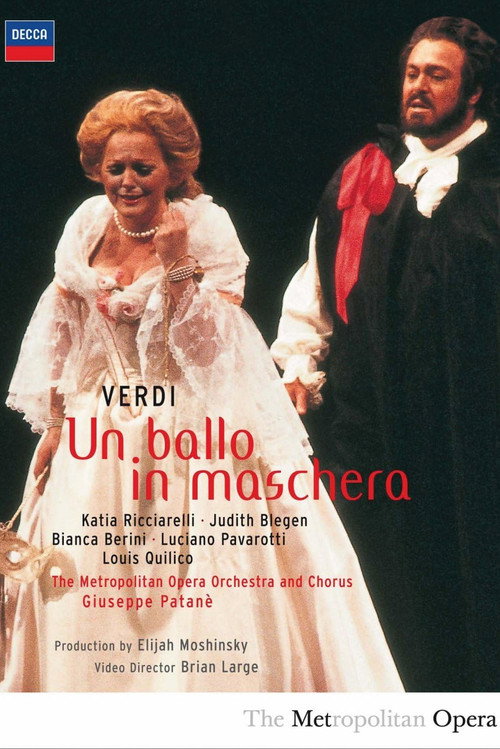
Un Ballo in Maschera1980
Verdi again, this time with a plot that moves faster and feels more intimate. José Carreras and Mirella Freni are magnificent, and the work is every bit as politically charged as Don Carlo without the religious anguish.
But At three hours, it's still a commitment. And the masked ball premise can feel like melodrama if the production doesn't sell the stakes.
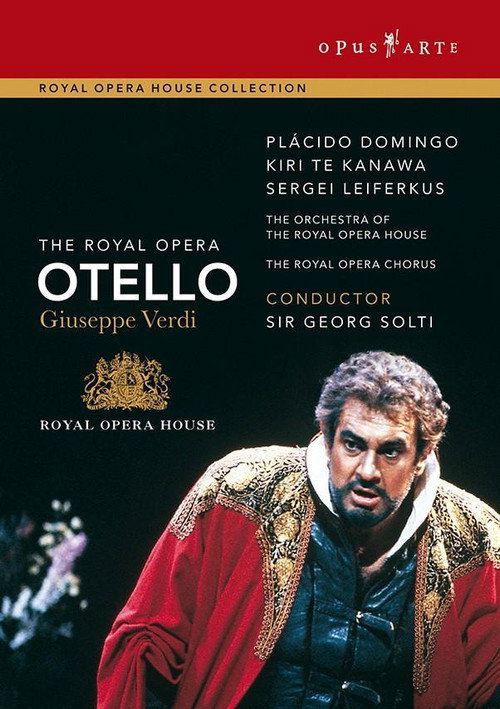
Otello1992
Placido Domingo at the peak of his powers as Shakespeare's tragic Moor. A late Verdi work of devastating psychological precision—every note earns its place. If Don Carlo broke your heart, this will shatter it.
But The pacing is relentless and there is almost no relief. It exhausts you intentionally. Some find that brilliant; others find it punishing.
Not sure tonight? Get a pick in a minute, starting from Don Carlo
The wildcard
Something you would not have found on your own.
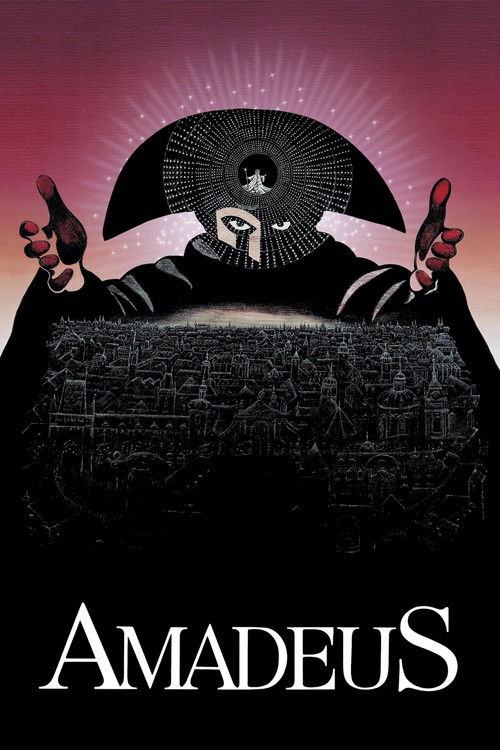
Amadeus1984
Both use operatic music to examine human ambition, desire, and the tragic distance between what we want and what we can have. Both are essentially about suffering witnessed.
Peter Shaffer's drama about Mozart and Salieri is operatic in every sense—it's about genius, mortality, and the search for transcendence. Mozart's music IS the subject, not backdrop. You will understand why opera matters to people.
But It's a play-film that uses opera strategically rather than presenting an opera performance. If you wanted to stay immersed in the work itself, the Shaffer framing device might feel intrusive.
More like this (5)
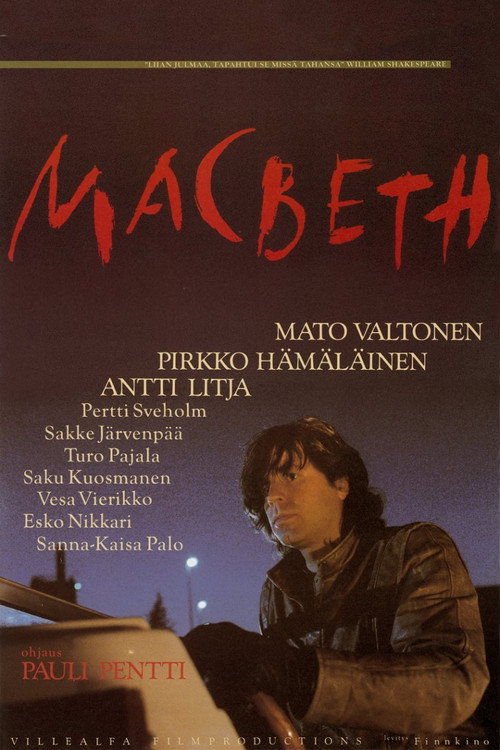
Macbeth1987
Early Verdi at his most ferocious and lean. The political intrigue and supernatural dread create an atmosphere completely different from Don Carlo, yet with the same moral weight. Piero Cappuccilli is superb.
But It's rawer and less polished than the later operas. If you come for Verdi at his most dramatically sophisticated, this is Verdi still finding his voice.
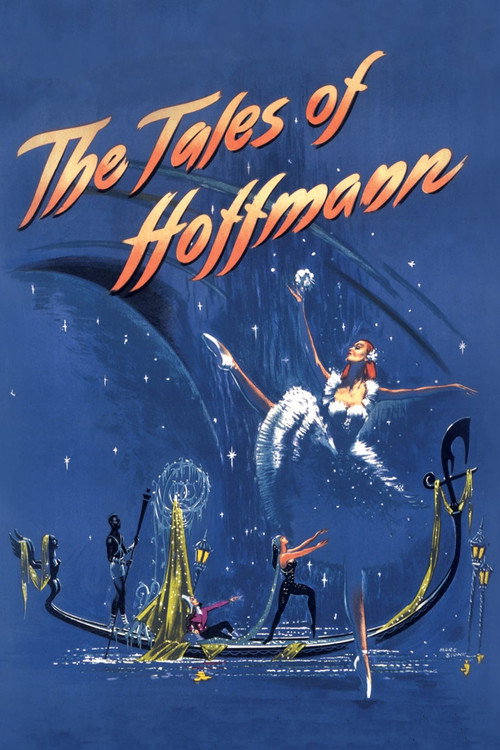
The Tales of Hoffmann1951
Offenbach's response to grand opera—full of music-theatre fantasy, romance, and spectacle. A complete change of register: lighter, faster, more visually inventive. Placido Domingo leads an excellent cast through a thoroughly absorbing evening.
But It sprawls across three acts with four different heroines and a supernatural setting. If you want emotional focus, this is diffuse by design.
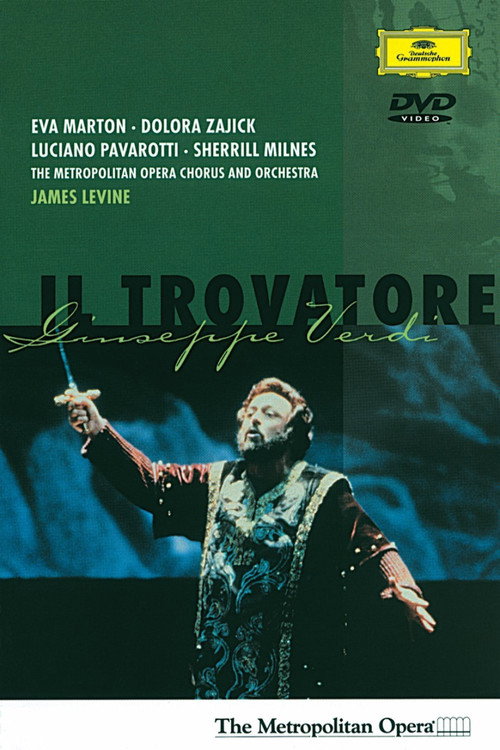
Il Trovatore1988
Verdi's most dramatically compressed and plot-driven opera. Every scene crackles with forward motion and the famous tunes land hard. A gateway drug to Verdi if Don Carlo felt overwhelming in its breadth.
But The libretto is notoriously convoluted and nobody really understands it. You have to accept the story as pure opera logic, not realism.
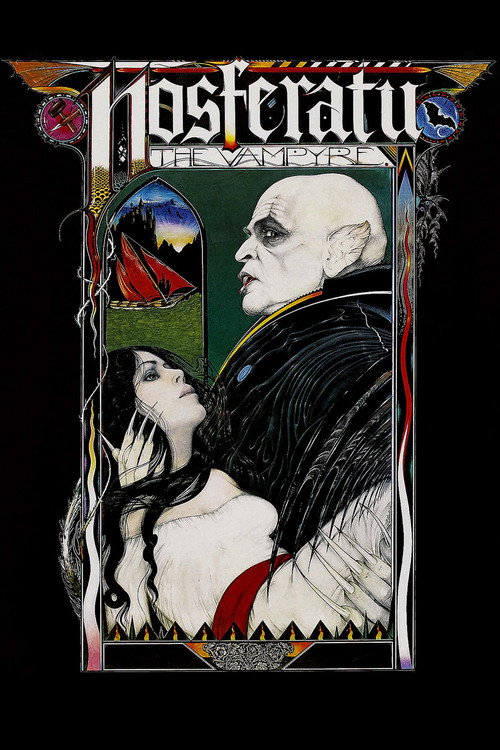
Nosferatu the Vampyre1979
Both are about characters trapped by fate and circumstance, moving toward a foreknown doom with terrible grace. Both are visual and musical rather than plot-driven. Both understand that tragedy is primarily about watching.
Herzog's hypnotic vampire film is almost operatic in its slowness and its commitment to atmosphere. The famous Popol Vuh score has the same weight and inevitability as a Verdi chorus. It's as much about beauty and decay as it is about horror.
But Nothing happens for long stretches. It's a mood-piece that demands patience. The horror emerges from strangeness, not plot momentum, which will frustrate anyone wanting conventional narrative.
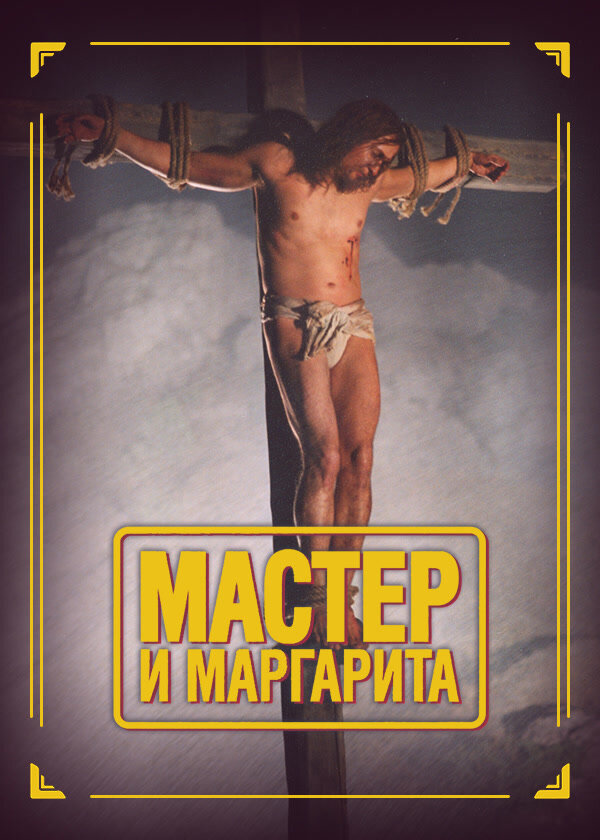
Мастер и Маргарита2005
Both are grand narratives about faith, power, love, and the impossible position of the sensitive soul in a brutal world. Both move between intimate human suffering and enormous historical forces. Both believe art and music matter in ways that policy and reason do not.
A Russian TV miniseries of Bulgakov's phantasmagorical novel—itself a kind of literary operatic work. Enormous in scope, mixing realism and the supernatural, theological argument and dark comedy. Verdi would recognize the architecture: conflicting desires, power, fate, impossible choices.
But It's hallucinatory and refuses to settle into a single genre or register. Russian television production values from the 2000s. Subtitled. The ending is ambiguous in a way that will frustrate anyone seeking closure.
People
Cast
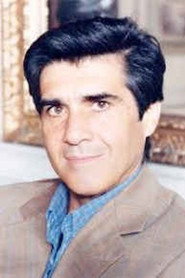 Luis LimaDon Carlo
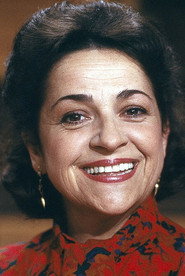 Ileana CotrubasElisabetta di Valois
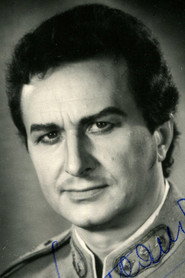 Giorgio ZancanaroRodrigo
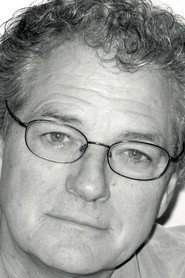 Robert LloydFilippo II
- Bruna BaglioniPrincess Eboli
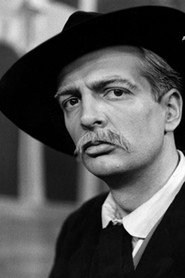 Joseph RouleauGrand Inquisitor
- Matthew BestA monk
- Patricia ParkerTebaldo
- John DobsonCount of Lerma
- Lola BiagioniA voice from heaven
- Alan JonesA royal herald
- Romayne GrigorovaCountess of Aremburg (silent acting role)
Directing
- Brian LargeDirector
Writing
- Camille du LocleWriter
- Joseph MéryWriter
Production
- Robin ScottProducer
Recommended by
Otello, Nabucco, Ernani, Verdi: I masnadieri, Lucia di Lammermoor