
Film
Don Carlo
Other titles called Don Carlo: the 1985 film.
Verdi's monumental opera about power, love, and conscience in 16th-century Spain, captured live from La Scala with Luciano Pavarotti at his peak. Three hours of soaring arias, political intrigue, and emotional devastation, conducted by Riccardo Muti. For anyone who loves opera, or anyone curious what the fuss is about.
Should you watch it?
Watch it if you already love grand Verdi, big choral scenes and voices that fill a house, and want the live theatre experience with Pavarotti at full power.
Skip it if a three-hour-plus stretch of sung Italian with no spoken dialogue and heavy political intrigue will test patience if you come to opera cold or prefer tight, fast storytelling.
What it asks of you: Plan on just over three hours of slow, grave music and long static stretches where everything rides on the voices; listen closely.
Not sure? Find tonight's pick in a minute.
If you liked this
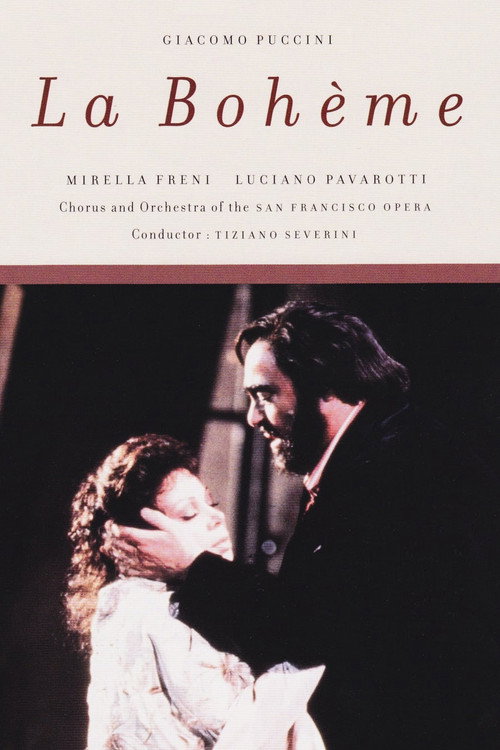
La Boheme1988
Puccini's heartbreaking love story, intimate and gorgeously sung. If you want the emotional core of opera without the political machinery, this is where to start. Zeffirelli's film version is luminous.
But Two hours of consumptive romance might feel thin if you're looking for the intellectual weight that Don Carlo offers.
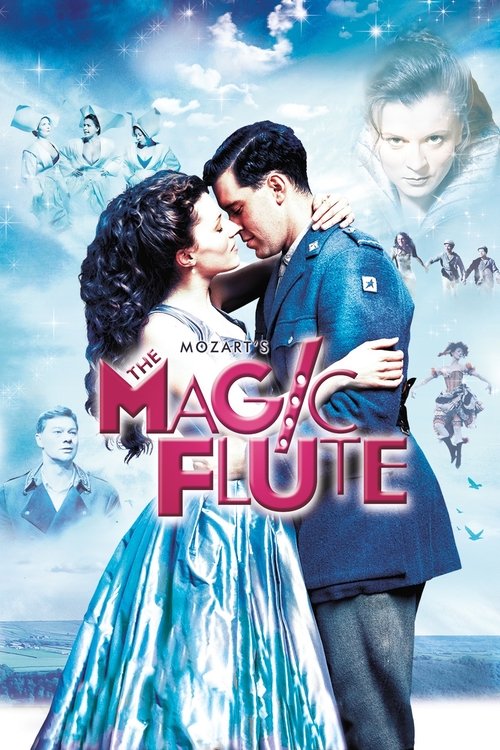
The Magic Flute2006
Mozart's fantastical initiation ritual, visually inventive and musically pure joy. Bergman's earlier film version is even better if you can find it. A different kind of opera entirely—lighter, stranger, more human.
But The storytelling is deliberately dreamlike and sometimes chaotic. If you need plot clarity, this resists it.
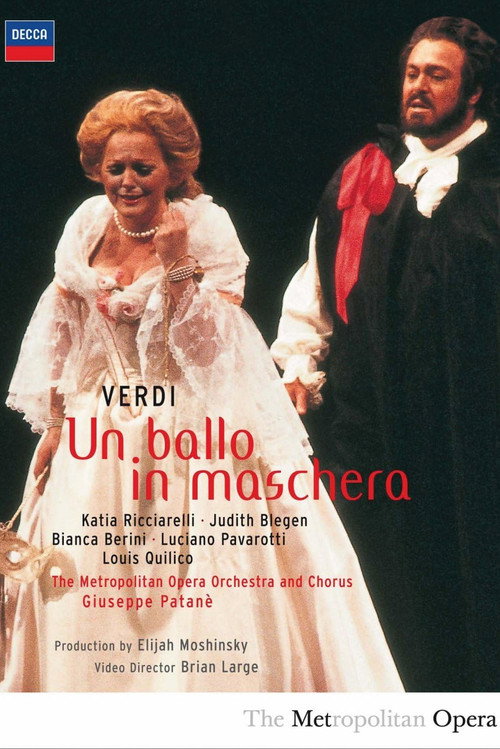
Un Ballo in Maschera1980
Another Verdi political thriller with a similar sprawl and intensity. If Don Carlo gripped you, this one has the same architecture: conspiracy, jealousy, fate. The soprano role is vocally extraordinary.
But At three hours, it's nearly as demanding. The plot mechanics can feel creaky if you're not invested in the music itself.
Not sure tonight? Get a pick in a minute, starting from Don Carlo
The wildcard
Something you would not have found on your own.
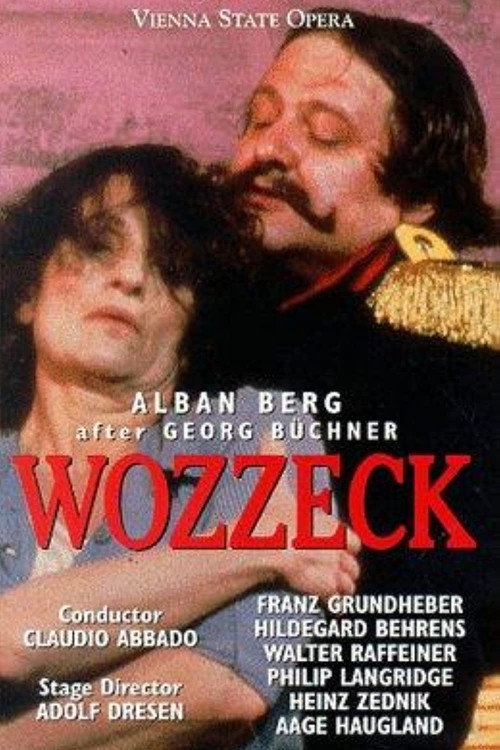
Wozzeck1987
Both are operas built on the destruction of good men by systems of power they cannot escape. But where Verdi achieves tragedy through melody, Berg achieves it through the absence of it.
Berg's atonal masterpiece about a powerless soldier destroying himself under institutional cruelty. Like Don Carlo, it's about power eating people alive—but fragmented, modernist, and deeply unsettling. A completely different sound-world that asks the same moral questions.
But The music is deliberately difficult. If you're coming from Verdi's lyricism, the dissonance will feel alienating. Not beautiful in the conventional sense.
More like this (6)
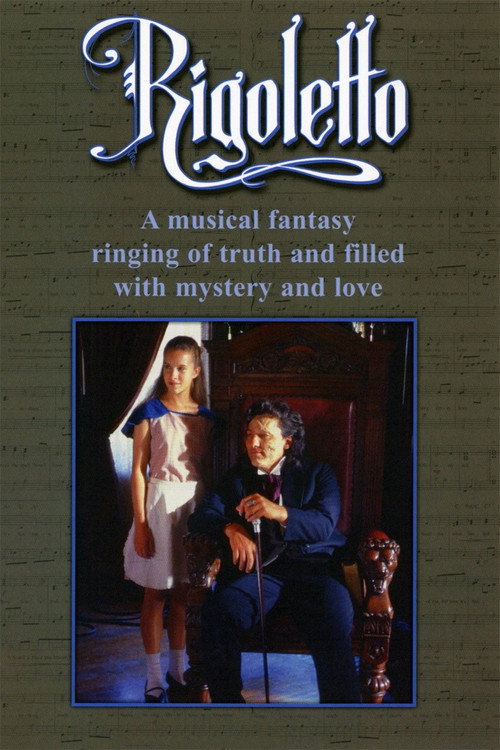
Rigoletto1993
Verdi's most performed opera, and you'll understand why immediately. The Pavarotti-Nucci version is vivid. Tighter than Don Carlo, with a more visceral emotional payoff. A perfect second Verdi opera.
But The central tragedy is so familiar it's been parodied endlessly. You might feel you already know it before pressing play.
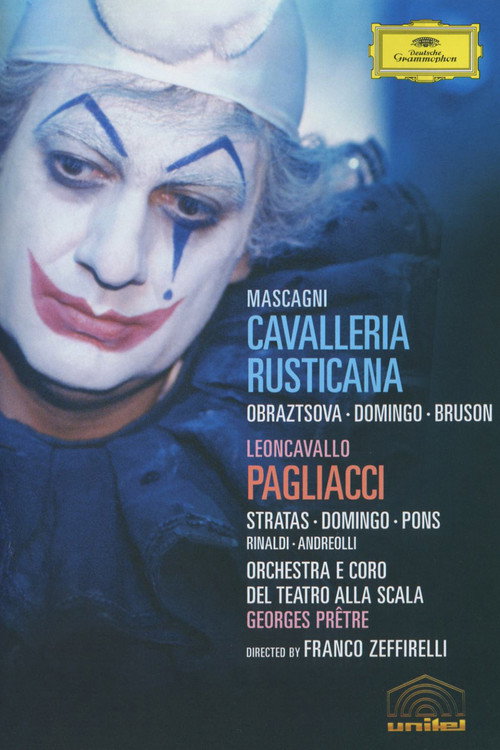
Cavalleria rusticana1982
Mascagni's short, violent Sicilian tragedy. Raw, direct, and utterly gripping—no philosophical weight, just passion and blood. Often paired with Pagliacci. Proof opera doesn't need three hours to destroy you.
But It's relentlessly grim and sometimes feels like a crime drama set to music. Not cathartic—punishing.
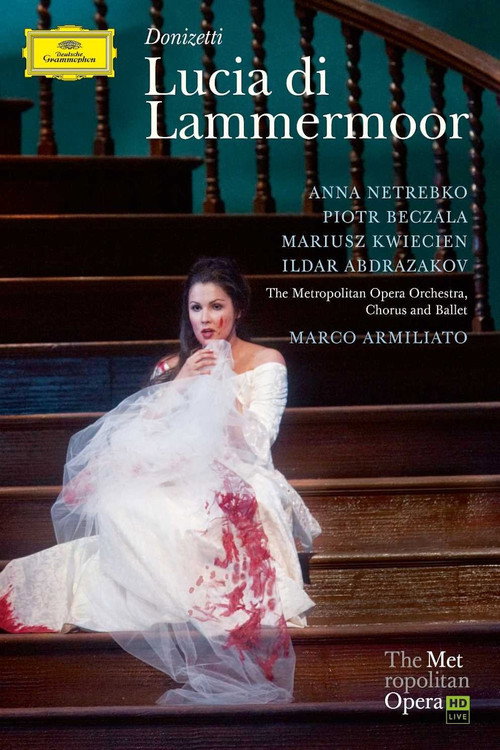
Lucia di Lammermoor2009
The mad scene is one of opera's greatest moments. Donizetti's beautiful, sentimental, and genuinely tragic. Joan Sutherland's 1971 version is the reference, but any good production will move you.
But The story requires you to accept some implausible plot machinery. If logic matters more than emotion, it creaks.
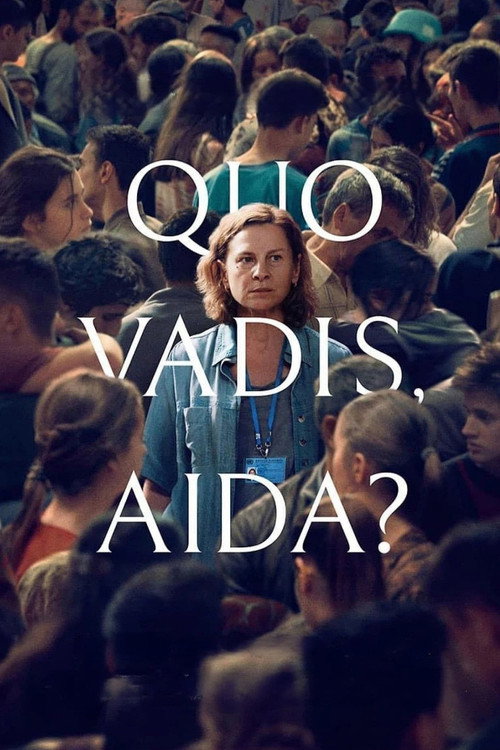
Quo Vadis, Aida?2021
Verdi's most popular opera—the Triumphal March alone justifies watching. It has everything Don Carlo has but with less subtlety and more pageantry. Zeffirelli's staging is typically gorgeous.
But Its popularity means you've heard the famous bits everywhere. It can feel like a greatest-hits album rather than a unified work.
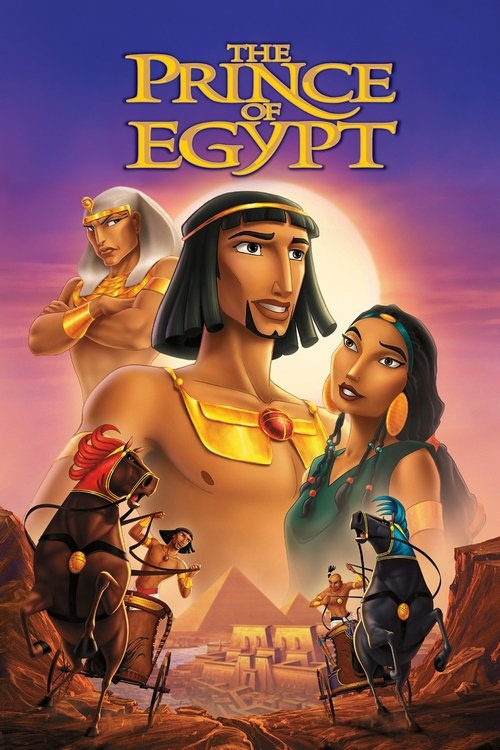
The Prince of Egypt1998
Both are epics about men of faith and power in conflict across an empire. Both use music to explore conscience versus duty. Both end not with victory but with profound loss.
DreamWorks' animated musical about Moses and Ramesses locked in spiritual and political conflict. Operatic in scale and seriousness—big arias, theological questions, armies, plague, and the cost of power. Takes itself completely seriously.
But It's animated and made for families, which might feel reductive if you're expecting live singers. The Broadway-influenced score is good but not Verdi.
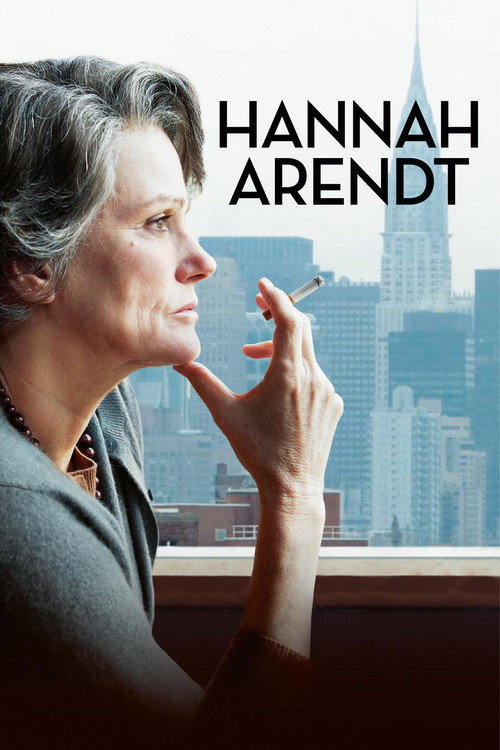
Hannah Arendt2012
Both refuse to simplify their moral questions. Both ask: what does it mean to live ethically inside a corrupt system? Both center conscience as a kind of heroism, even when it fails.
Margarethe von Trotta's film about the philosopher watching Eichmann's trial and refusing easy moral clarity. Sparse, intellectual, sometimes austere—but about the same thing Don Carlo explores: how ordinary people become vessels for systemic evil. One woman thinking, honestly.
But There's almost no music and it's mostly people talking in rooms. If you want emotional catharsis or spectacle, this offers the opposite. It's demanding in a completely different way.
People
Cast
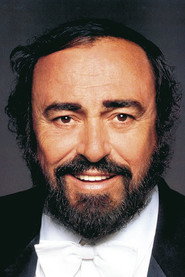 Luciano PavarottiDon Carlo
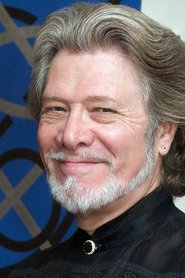 Samuel RameyFilippo II
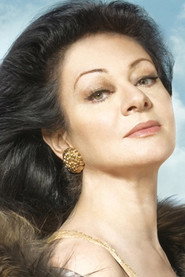 Daniela DessìElisabetta di Valois
- Paolo ConiRodrigo, Marchese di Posa
- Alexander AnisimovIl Grande Inquisitore
- Antonio SilvestrelliUn frate
 Luciana D'IntinoLa Principessa Eboli
- Marilena LaurenzaTebaldo
 Nuccia FocileVoce dal cielo
Directing
- Franco ZeffirelliDirector
Writing
- Friedrich SchillerOriginal Story
- Achille de LauzièresWriter
- Angelo ZanardiniWriter
- Camille du LocleWriter
- Joseph MéryWriter
Recommended by
Il Trovatore, Un Ballo in Maschera, Un Ballo in Maschera, Aida, Rigoletto