
Film
Quo Vadis, Aida?
A Bosnian War drama set during the fall of Srebrenica in 1995, where a UN translator navigates impossible choices as her family and thousands of others face an unfolding genocide. Claustrophobic, morally devastating, and powered by a protagonist caught between translation and complicity. For anyone ready to face what bureaucracy enables.
Should you watch it?
Watch it if you want a hard, close-quarters political drama about translation and compromise, where every sentence spoken in a negotiating room carries life-or-death weight and the camera stays tight on one woman's choices.
Skip it if you want a brisk story or a wider canvas of battle, since this stays boxed in crowded camps and offices and builds its dread slowly.
What it asks of you: Roughly an hour and three-quarters of unbroken attention, with long stretches of talk and waiting; it is hushed and austere rather than shocking, and it rewards patience.
Not sure? Find tonight's pick in a minute.
If you liked this
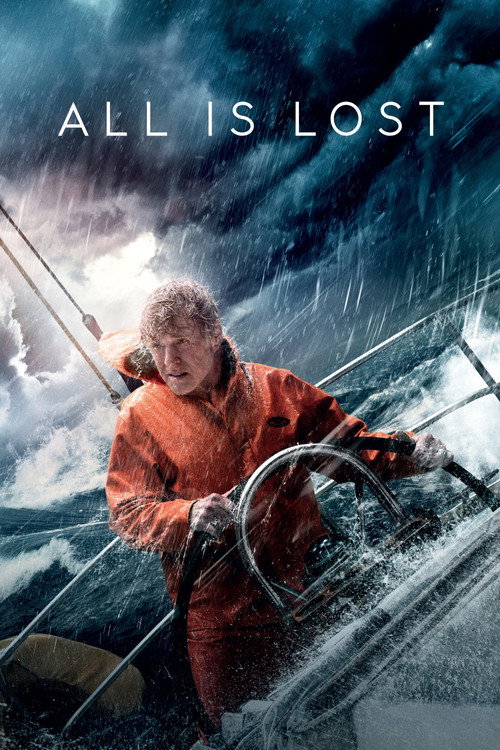
All Is Lost2013
A man alone against impossible odds, stripped of pretense or comfort. Like Aïda, it's about survival through exhaustion and calculation, but at sea rather than in a camp. Relentless and human.
But Long stretches with minimal dialogue, and the resolution offers no catharsis or relief. If you need resolution, this will frustrate you.
The Act of Killing2012
A documentary about perpetrators of mass violence confronting their own actions. It asks the same question Quo Vadis does: how do ordinary people become machinery of atrocity? Utterly original.
But It's disturbing in ways that feel almost unbearable—and that's the point. Long and demanding. Not easy to sit with.

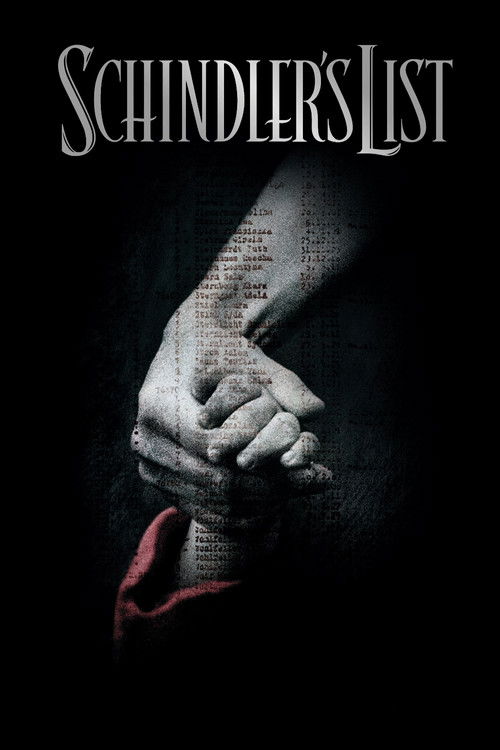
Schindler's List1993
The template for personal agency during genocide. One person with access to systems trying to save lives while the machinery grinds on. Both are about what you can do when the answer is almost nothing.
But It's heavy. Historically traumatic. If you're already depleted, this will empty you further.
Not sure tonight? Get a pick in a minute, starting from Quo Vadis, Aida?
The wildcard
Something you would not have found on your own.
A Prophet2009
Both centre on a character whose utility—as translator, as bridge between worlds—becomes both their power and their trap. Both understand that knowledge isolates.
A young man navigates a brutal system—a French prison—by learning the language and codes of power. Like Aïda, it's about translation as survival, about how speaking the right language to the right person can save or condemn you.
But It's a French prison drama that can feel slow and repetitive. The protagonist is not likeable, and the film doesn't ask you to root for him.

More like this (7)
The Last Temptation of Christ1988
Scorsese's film also uses a protagonist with unique access to information as a vehicle for impossible choices. Both are about knowledge that isolates you from community and from peace.
But It's long, theologically complex, and divisive. Some find it blasphemous; others find it pretentious. Neither response is entirely wrong.
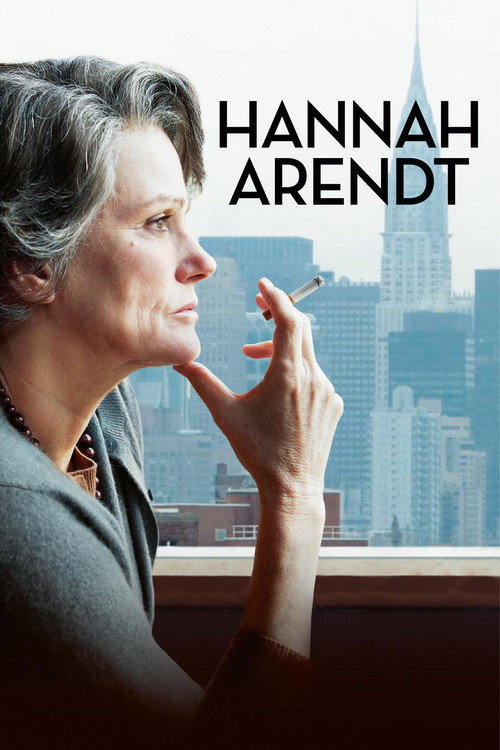
Hannah Arendt2012
A philosopher confronting the banality of evil and her own complicity through language and interpretation. Like Aïda, it's about what happens when you truly see how systems work.
But Mostly people sitting in rooms talking. If you need plot momentum or visual spectacle, you'll be bored quickly.
Winter Light1963
Bergman's exploration of faith collapsing under real suffering. Aïda's crisis of meaning mirrors this—what do we hold onto when the world reveals itself as indifferent?
But Bleak Swedish chamber piece from 1963. If you're not already attuned to Bergman's register, it will feel glacial and inaccessible.

Come and See1985
A Soviet film about a boy conscripted into war that doesn't mythologize or moralize. Like Quo Vadis, it simply shows what happens when systems consume people. Unforgettable and devastating.
But This is one of the hardest films ever made. It's not difficult in an intellectual way—it's difficult because it doesn't flinch. Many find it unwatchable.

The Killing1956
Kubrick's study of how small decisions cascade into catastrophe. Like Aïda's choices, each one seems reasonable until you see the whole. Tense, precise, and deeply human.
But It's a noir heist film from 1956 with a fragmented structure. If you prefer straightforward narratives, the storytelling might feel unnecessarily complicated.

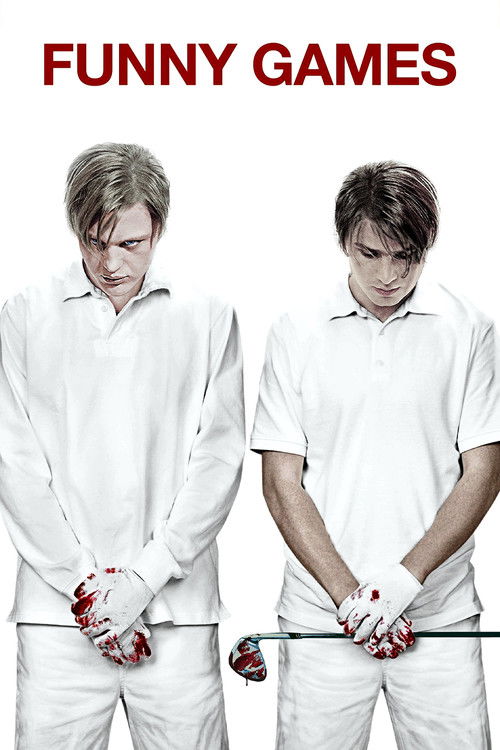
Funny Games2008
Haneke's film about the audience's relationship to violence. Like Quo Vadis, it forces you to confront what you're watching and your complicity in it. Morally rigorous and unsettling.
But It's deliberately frustrating—designed to antagonize viewers. The violence is graphic and the film offers no relief. Many people hate it on principle, which is partly the point.
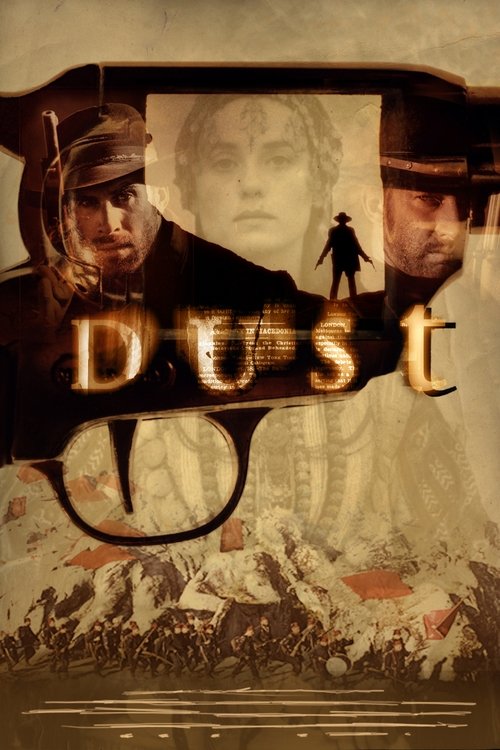
Dust2001
Both are films about the Balkans watching genocide unfold in real time, both use domestic space as a pressure cooker for moral collapse, both resist easy answers about who survives and why.
A Serbian film set in a house at the edge of war, watching characters trapped by history and choice. It's quieter than Quo Vadis but asks the same question: what do we owe to those we cannot save? Hypnotic and strange.
But Made by a Serbian director, controversial in the Balkans. Very slow, almost dreamlike. If you want clarity or conventional drama, this will perplex and frustrate you.
People
Cast
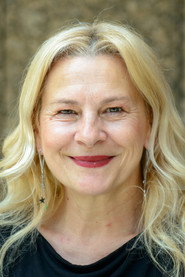 Jasna ĐuričićAïda Selmanagić
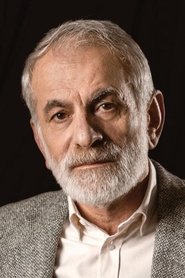 Izudin BajrovićNihad
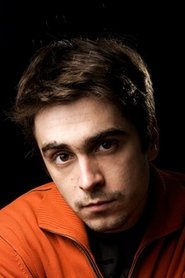 Boris LerHamdija
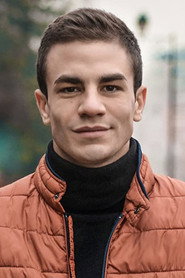 Dino BajrovićSejo
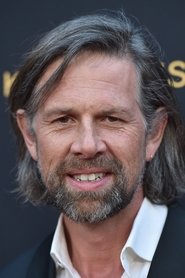 Johan HeldenberghColonel Karremans
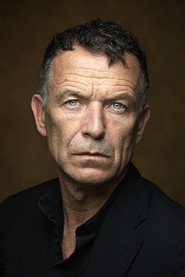 Raymond ThirySergeant-major Franken
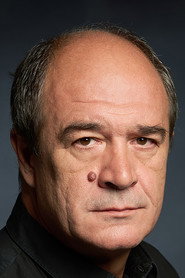 Boris IsakovićGeneral Ratko Mladić
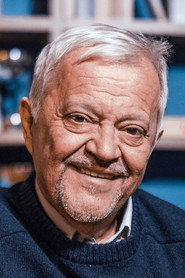
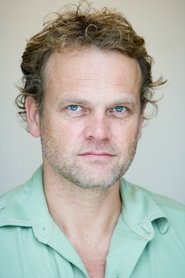 Reinout BussemakerColonel doctor Robben
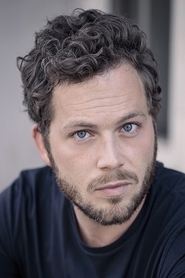 Teun LuijkxCaptain Mintjes
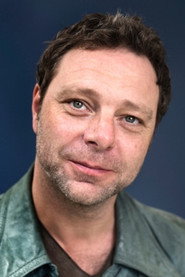 Juda GoslingaSergeant Rutte
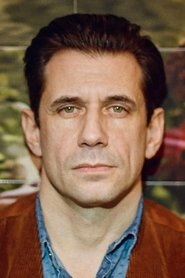 Alban UkajTarik
Directing
- Jasmila ŽbanićDirector
Writing
- Hasan NuhanovicStory
- Jasmila ŽbanićWriter
Production
- Antonin SvobodaCo-Producer
- Barbara AlbertCo-Producer
- Bruno WagnerCo-Producer
- Cristian NicolescuCo-Producer
- Els VandevorstCo-Producer
- Eric VogelCo-Producer
- Ewa PuszczyńskaCo-Producer
- Gerhard MeixnerCo-Producer
- İbrahim ErenCo-Producer
- Ingunn SundelinCo-Producer
- Margaux JuvénalCo-Producer
- Nicolas EschbachCo-Producer
- Roman PaulCo-Producer
- Simon GabrieleCo-Producer
- Mike GoodridgeExecutive Producer
- Nedzad Cerkez BeredzaExecutive Producer
- Oana IancuExecutive Producer
- Damir IbrahimovićProducer
- Jasmila ŽbanićProducer