
Film
Cavalleria rusticana
Franco Zeffirelli's 1982 film pairs two of opera's most performed works. Mascagni's Cavalleria rusticana and Leoncavallo's I Pagliacci are ruthless, passionate stories about jealousy and betrayal in working-class life, conducted with sweep and directed with theatrical precision. Perfect entry point to opera: emotionally direct, visually ravishing, under two hours total.
Should you watch it?
Watch it if you respond to singing that does the work of plot, and you want Zeffirelli's staged, close-up approach to a village's jealousy to feel like a live wound rather than a museum piece.
Skip it if you need a plot that moves quickly or you find sung melodrama hard to sit through; the feelings are big, sung at full volume, with little room for subtlety.
What it asks of you: Seventy minutes of unbroken tension, little relief, and a stillness that lets the singing carry the weight.
Not sure? Find tonight's pick in a minute.
If you liked this
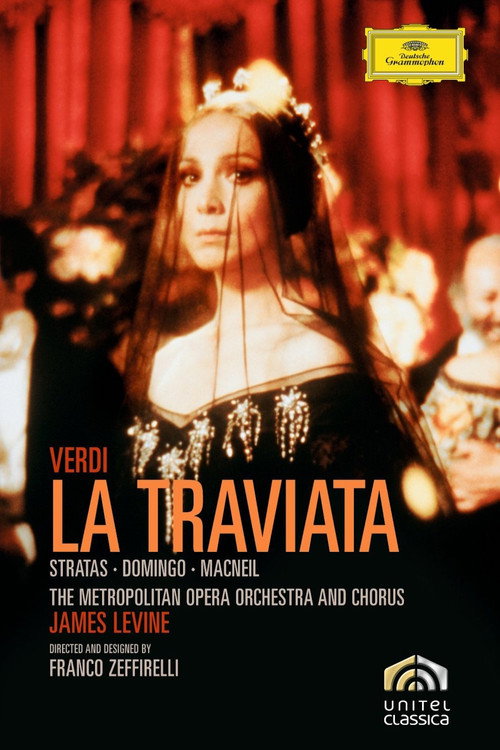
La traviata1982
Zeffirelli again, with Plácido Domingo and Teresa Stratas in a sumptuous, heartbreaking production. If you respond to Cavalleria's emotional directness, this will devastate you.
But Three hours long. Requires patience with the form, and a tolerance for watching beautiful people sing about doomed love.
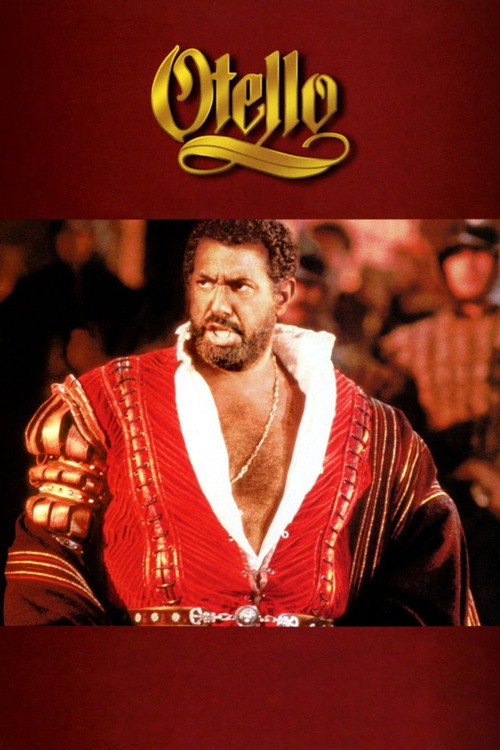
Otello1986
Plácido Domingo returns in Zeffirelli's film of Verdi's masterpiece about jealousy consuming a great man. Raw, operatic in the best sense—no subtlety, total intensity.
But It's operatic intensity at maximum volume. If you found Cavalleria's passion exhausting rather than moving, this will test you further.
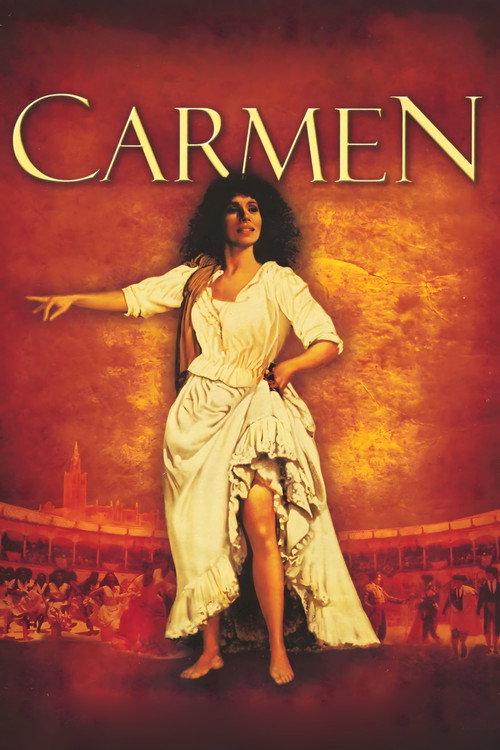
Carmen1984
Another Zeffirelli operatic film with similar visual grandeur and emotional directness. The story is elemental: desire, jealousy, murder. No sophistication required, only feeling.
But The gender politics are of its era and the source material. Carmen as a role has changed considerably in modern productions.
Not sure tonight? Get a pick in a minute, starting from Cavalleria rusticana
The wildcard
Something you would not have found on your own.
Tokyo Story1953
Both are about families torn apart by circumstance and desire, but where opera screams its anguish, Ozu lets it sit quietly. They're asking the same questions in opposite voices.
Ozu's masterpiece about aging parents visiting their son after the war, dealing with grief and disappointment in almost complete stillness. No music, no melodrama—the opposite register from Cavalleria.
But It moves at its own pace, which is glacial. Characters sit in silence. If you need plot momentum, you will struggle.

More like this (6)
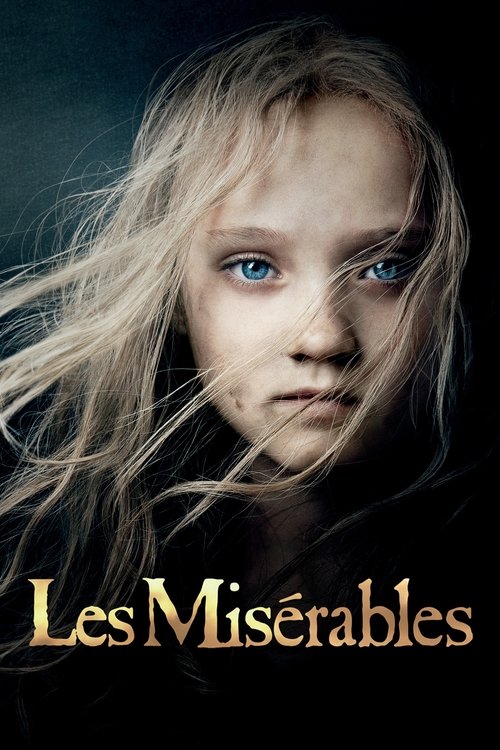
Les Misérables2012
Working-class struggle, love, sacrifice, and death sung in massed voices. It hits many of the same emotional notes as Cavalleria but in a format modern audiences already understand.
But Filmed musical theatre rather than opera—a different energy entirely. Some find it saccharine; some find opera overwrought.
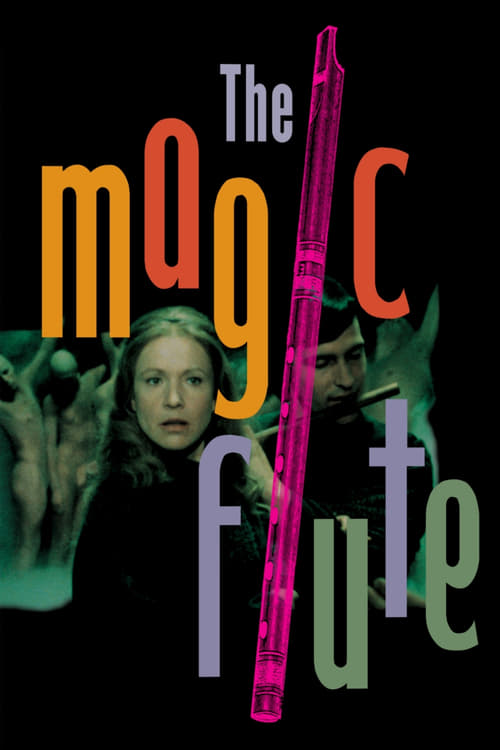
The Magic Flute1975
Ingmar Bergman's film of Mozart. Visually inventive, psychologically strange, utterly cinematic. Shows what opera cinema can do beyond theatrical recording.
But It's experimental and sometimes opaque. Not a comfortable watch; Bergman makes you work for the beauty.
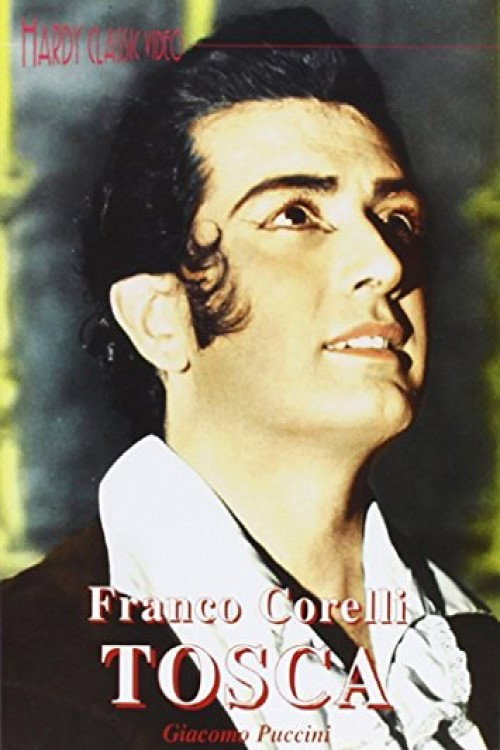
Tosca1956
Luchino Visconti's Rome-set film of Puccini's melodrama. Politics, passion, and a famous soprano on the run. Opera's greatest hits assembled with maximum elegance.
But The audio is from a 1950s recording; the lip-sync is occasionally noticeable. Pure artifice rather than live performance.
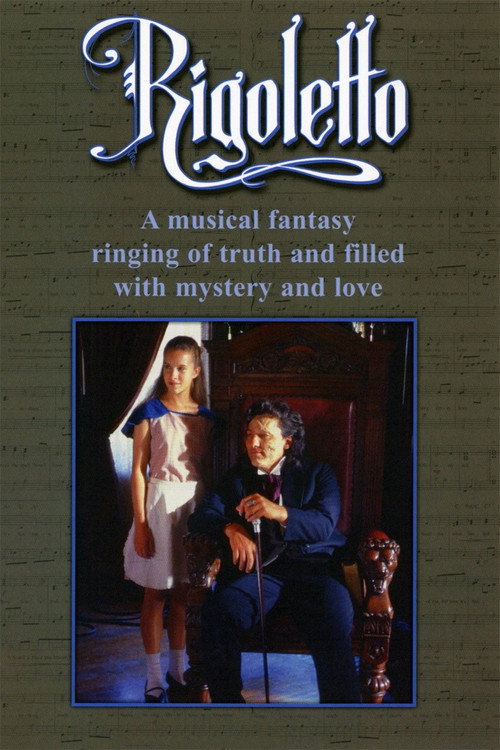
Rigoletto1993
Pavarotti at his peak, recorded live at La Scala. A bitter story about a father's love and a tyrant's cruelty, with one of opera's most famous arias at its heart.
But Live opera recording from 1993—the picture quality is dated, and live sound can feel thinner than studio recording.
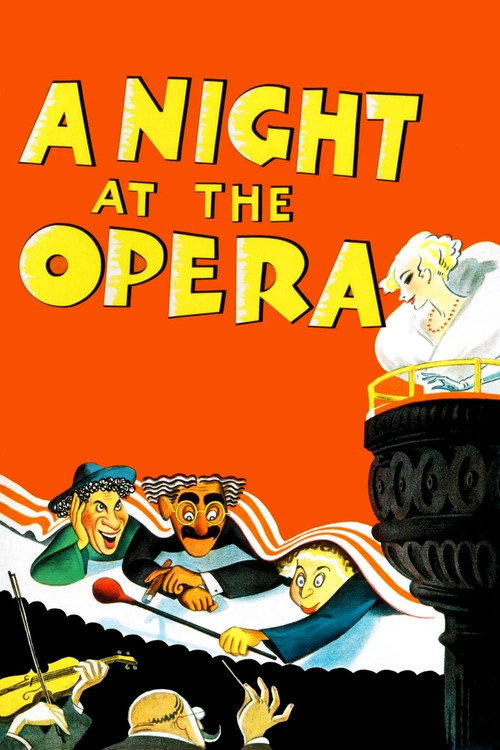
A Night at the Opera1935
Marx Brothers chaos at the Metropolitan Opera House. Irreverent, funny, genuinely anarchic. If opera feels too serious, let them puncture its pomposity.
But Marx Brothers humour is an acquired taste; some find it tedious rather than liberating. Opera content is actually minimal.
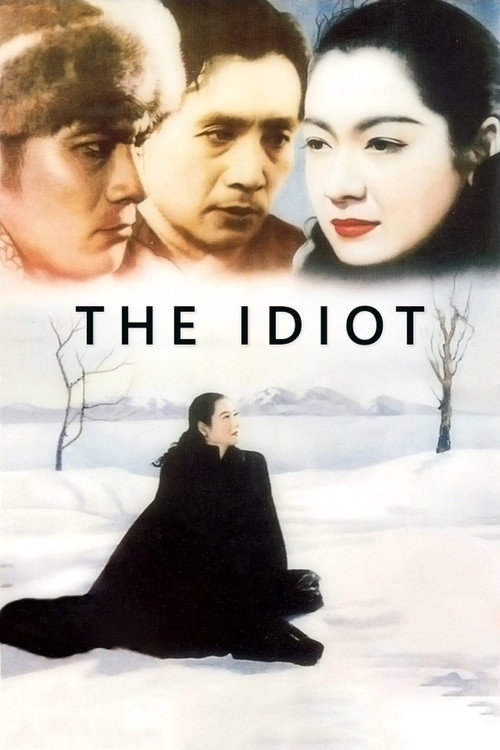
The Idiot1951
Same source of moral anguish—flawed people in impossible situations, brought down by forces larger than themselves. But where opera sings its tragedy, Kurosawa photographs it like a violent fever dream.
Kurosawa adapts Dostoevsky in a film of such visual and emotional chaos that it functions almost like opera—passion as aesthetics, characters destroyed by purity and circumstance.
But Nearly three hours of Russian intensity. The print is damaged. It can feel airless and overwhelming, especially if you're not ready for Kurosawa at full heat.
People
Cast
 Plácido DomingoTuriddu
 Yelena ObraztsovaSantuzza
- Fedora BarbieriLucia
 Renato BrusonAlfio
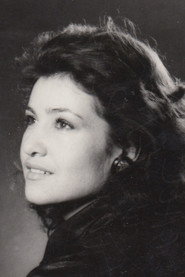 Axelle GallLola
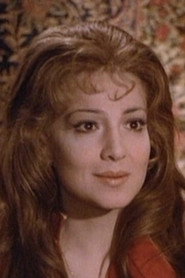 Teresa StratasNedda
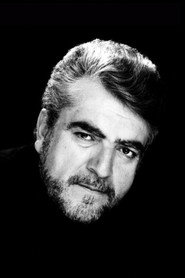 Juan PonsTonio
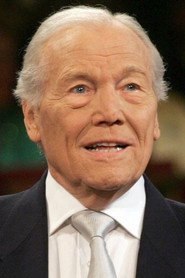 Georges PrêtreSelf - Conductor
Directing
- Franco ZeffirelliDirector