
Film
Tosca
Other titles called Tosca: the 1985 film, the 2001 film, the 2009 film.
Puccini's operatic masterpiece, filmed with the stark elegance of 1950s Italian cinema. Tosca is a singer caught between love, art, and political corruption in Napoleonic Rome—a story of passion and impossible choices compressed into two hours of urgent, aching drama. Essential for anyone who thinks opera sounds remote.
If you liked this
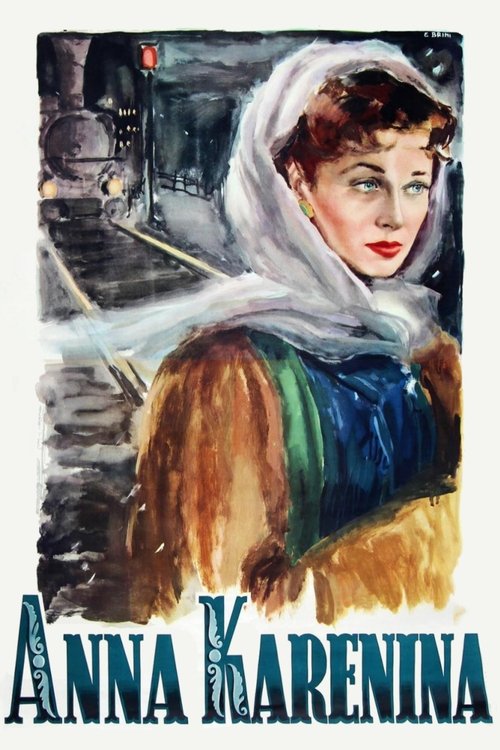
Anna Karenina1948
Korda's dark, passionate take on Tolstoy. The same emotional architecture as Tosca—a woman destroyed by impossible circumstances, gorgeously shot, refusing to look away from moral corruption and desire.
But Nearly three hours, and the Russian society politics can feel opaque. It's severe and melancholic, not comforting.
The Third Man1949
A masterpiece of Italian-set noir that shares Tosca's atmosphere of intrigue and betrayal. Political danger, moral compromise, Vienna standing in for Rome. Carol Reed's camera work is hypnotic.
But No singing, and the tonal whiplash between mystery and romance takes some adjustment. It's also genuinely bleak.

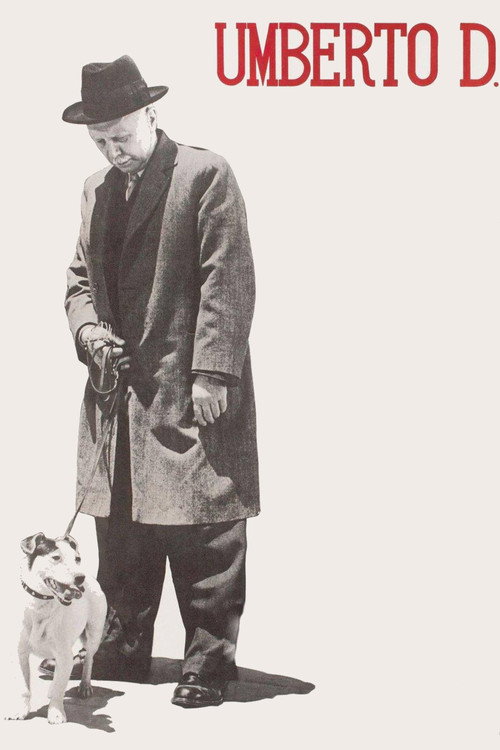
Umberto D.1952
Vittorio De Sica's devastating portrait of an elderly man facing Roman indifference and cruelty. Italian neorealism at its most humane; the same era and city, but stripping away glamour for crushing truth.
But It's an art film about an old man's poverty. There's no plot in the conventional sense, and the sadness is unrelenting.
Not sure tonight? Get a pick in a minute, starting from Tosca
The wildcard
Something you would not have found on your own.
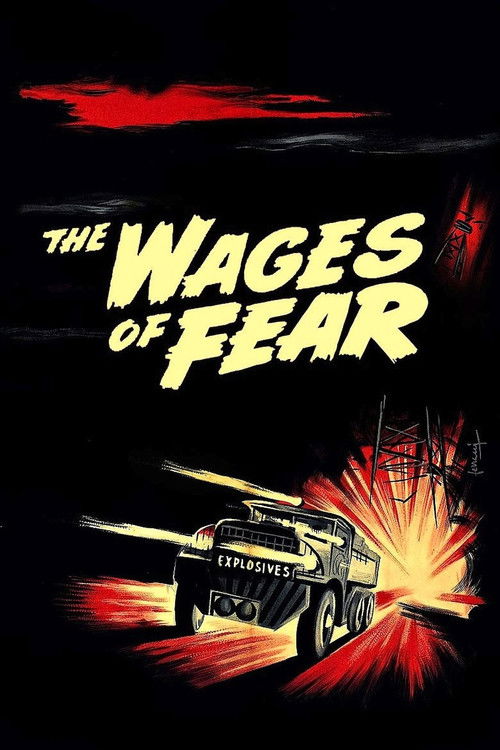
The Wages of Fear1953
Both compress moral catastrophe into a few hours; both ask what you'd sacrifice under absolute pressure, and neither offers comfort as an answer.
Clouzot's masterpiece about men forced into impossible moral situations by circumstances and those who hold power over them. Not about love, but about the same pressure cooker of corruption, fear, and the slow realization that escape is impossible.
But It's a thriller about truck drivers carrying dynamite in South America—tense and visceral rather than romantic. Also relentlessly grim and nearly two and a half hours of mounting dread.
More like this (6)
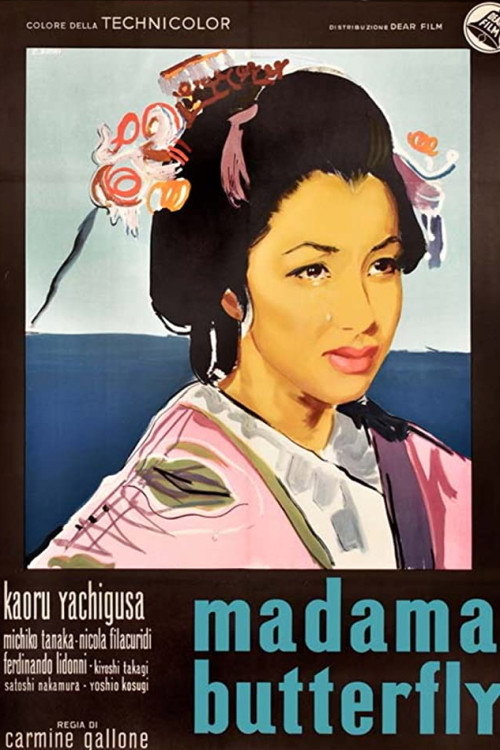
Madame Butterfly1954
Carmine Gallone's operatic adaptation. Like Tosca, a woman caught in an impossible web of cultural and political forces, betrayed by those who should protect her. Puccini again, pitched even darker.
But It's operatic, so if you're still getting used to sung drama, another opera back-to-back may overwhelm. Also genuinely tragic in a way that offers no relief.
The Leopard1963
Visconti again, this time Lampedusa's masterpiece about Italian nobility navigating political upheaval. Tosca's Rome becomes a broader canvas, same moral reckoning, but in colour and with a cooler eye.
But It's long, aristocratic, and interested in surfaces as much as emotion. Some find it remote. Also, Alain Delon's performance is divisive.

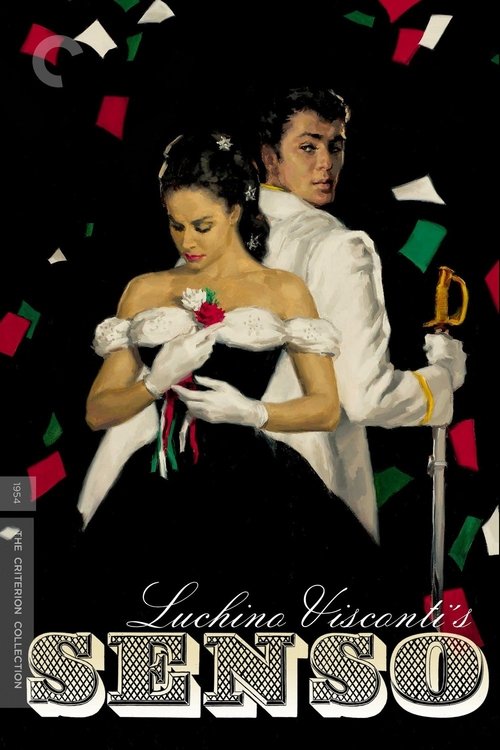
Senso1954
Another Visconti. A Venetian countess betrayed by an Austrian officer during wartime occupation. The same tragic collision of passion and politics, shot in early colour that feels almost unbearably vivid.
But It's a slow burn about an affair during historical upheaval. If you need plot momentum, this will feel like watching someone make a mistake in real time—which is exactly the point.
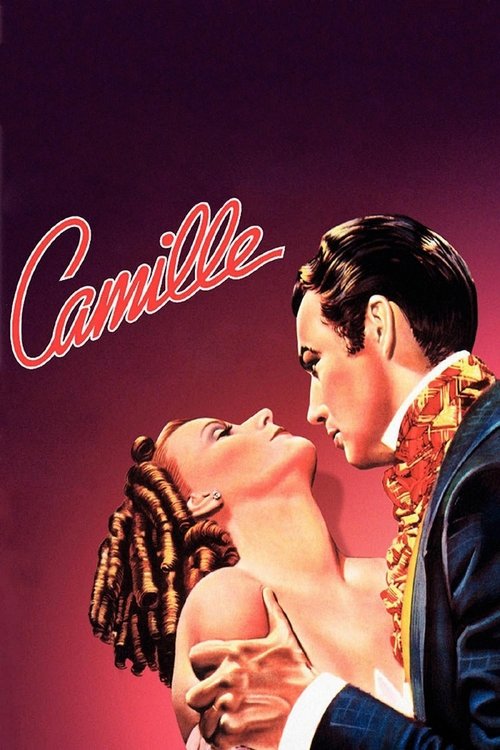
Camille1936
Garbo as the doomed courtesan, sacrificing herself for the man she loves. Pre-war Hollywood melodrama with real depth. A woman destroyed by circumstances and her own heart—Tosca's emotional DNA in a different era.
But It's old Hollywood, so the pacing is different. Also genuinely soppy in places, which can read as dated rather than timeless.
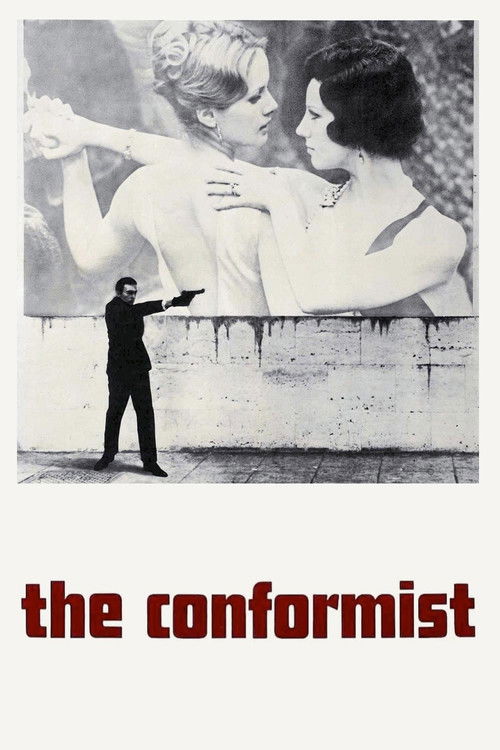
The Conformist1971
Bertolucci's haunting portrait of a fascist-era intellectual compromised by power and lust. Italian cinema's reckoning with Tosca's same themes—corruption, complicity, the self-deception of those who yield to tyranny.
But It's austere, philosophically dense, and deeply uncomfortable. Not entertainment. The politics require attention and patience.
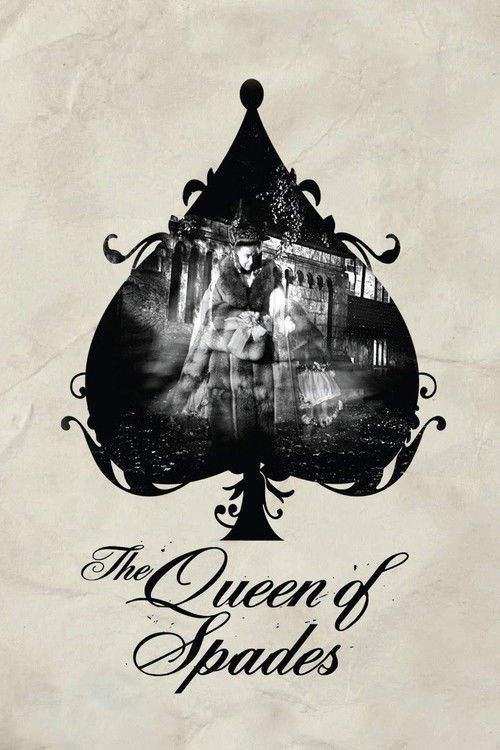
The Queen of Spades1949
Both treat their central betrayal as the inevitable consequence of human nature colliding with absolute power; both are fatalistic in the same way, and both suggest that choice itself is an illusion.
Dickinson's psychological thriller, shot in black-and-white British gothic. A man obsessed with a secret, willing to destroy the woman he loves to get it. Tosca's central triangle—desire, power, betrayal—but filtered through nightmare logic and paranoia.
But It's deliberately artificial and stagey, the opposite of Tosca's realism. Also structured like a fever dream, which some find precious rather than profound.
People
Cast
- Franca DuvalFloria Tosca
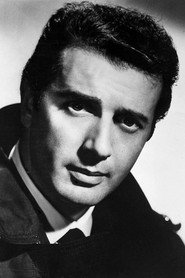 Franco CorelliMario Cavaradossi
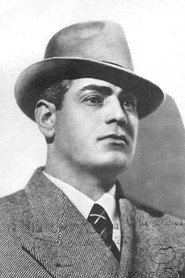 Afro PoliIl barone Scarpia, capo della polizia
- Vito De TarantoIl sacrestano
- Fernando AlfieriSpoletta
- Aldo RelliSciarrone
- Antonio SacchettiAngelotti
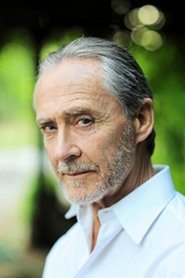 Dino ContiIl carceriere
Directing
- Carmine GalloneDirector
- Franco CirinoFirst Assistant Director
- Carla GervasiScript Supervisor
Writing
- Giacomo PucciniOpera
- Carmine GalloneWriter
Production
- Guido LuzzattoLine Producer
- Carmine GalloneProducer
- Giulio FiaschiProduction Manager
- Manlio MorelliProduction Manager
- Marino VaccàUnit Manager
Recommended by
Cavalleria rusticana, Lucia di Lammermoor, Samson and Delilah, La Bohème