
Film
The Queen of Spades
A 1949 British gothic thriller about a czarist officer obsessed with extracting a supernatural card-game secret from an elderly countess. Atmospheric and claustrophobic, shot in black-and-white with a dreamlike intensity. For anyone drawn to psychological horror where the real terror is ambition and obsession eating someone alive from the inside out.
If you liked this
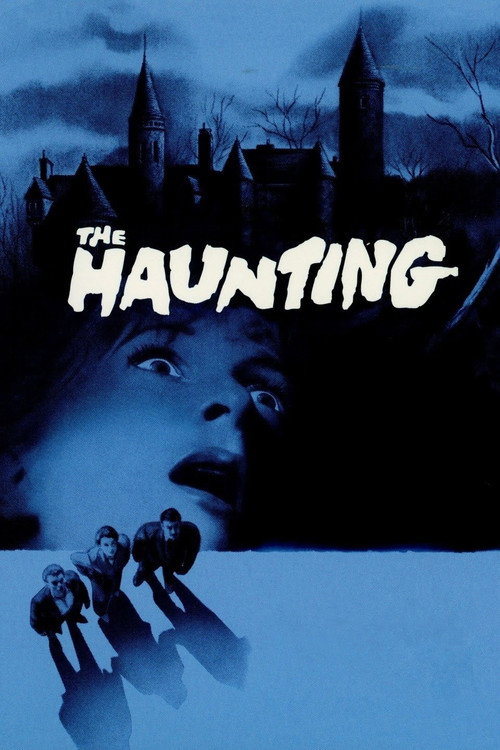
The Haunting1963
Masterclass in psychological horror that trusts silence and shadows over jump scares. Like Queen of Spades, it builds dread through atmosphere and makes you question what's real versus imagined paranoia.
But Slow-burn pacing that requires patience. Very little actually happens in plot terms—the horror is entirely interior and interpretive.
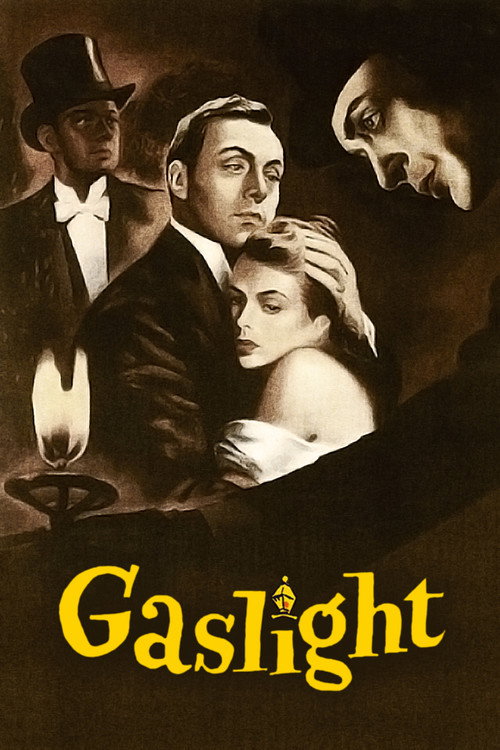
Gaslight1944
A man systematically destabilizes a woman's grip on reality for personal gain. Both films explore how obsession and manipulation create a kind of psychological horror more unsettling than any ghost.
But The dynamic is deeply uncomfortable by design. If psychological manipulation scenes feel exploitative to you, this won't help.
The Cabinet of Dr. Caligari1920
The ur-text of expressionist horror—warped sets and shadows that make reality itself feel diseased. Queen of Spades inherits this visual language and that sense of a world subtly wrong.
But Silent film with intertitles, and the acting style is theatrical to modern eyes. The pacing and emotional register feel alien if you're not prepared for it.

Not sure tonight? Get a pick in a minute, starting from The Queen of Spades
The wildcard
Something you would not have found on your own.
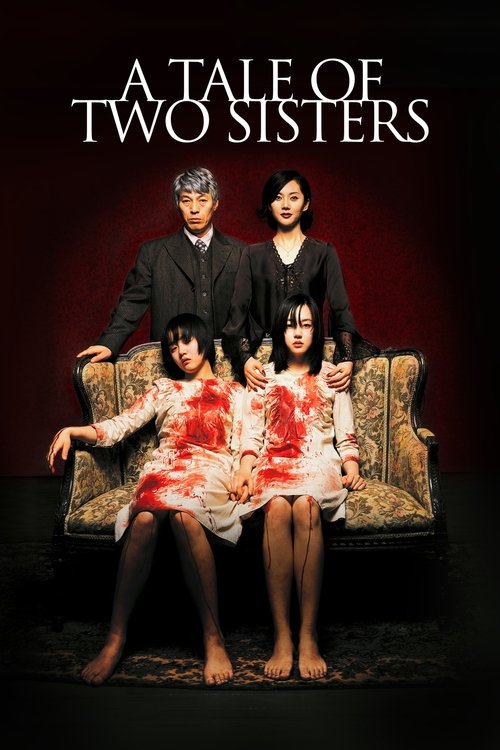
A Tale of Two Sisters2003
Both films trust atmosphere and visual language over exposition. Both suggest that obsession—whether for power, secrets, or redemption—can crack a person open. Neither feels the need to explain the supernatural clearly; ambiguity is the point.
Korean psychological horror that uses visual beauty—color, symmetry, light—the way Queen of Spades uses shadow. Obsession and madness again, but filtered through a completely different cultural and formal sensibility. Hypnotic and horrible in equal measure.
But Deliberately opaque and dreamlike. It rewards interpretation but refuses to confirm any single reading. Frustrating if you need narrative clarity.
More like this (8)
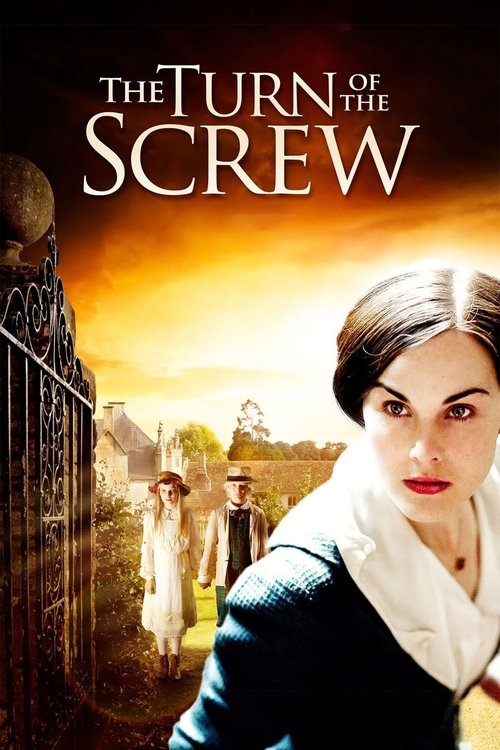
The Turn of the Screw2009
Adapts Henry James's novella about ambiguity between supernatural threat and psychological breakdown—the exact tension that makes Queen of Spades so effective. Elegant and deeply unsettling.
But More of a careful character study than a thriller. If you want plot momentum or clear answers, you'll leave frustrated.
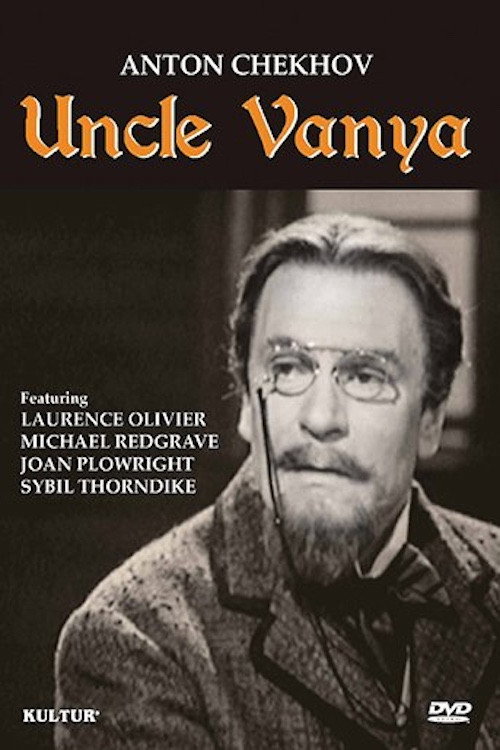
Uncle Vanya1963
Sondergaard plays a dominating elderly woman at the emotional center of a story about obsession, regret, and powerlessness. Shares Queen of Spades' interest in how the past strangles the present.
But Chekhov adaptation—glacially paced, emotionally heavy, and more interested in the texture of despair than narrative satisfaction.
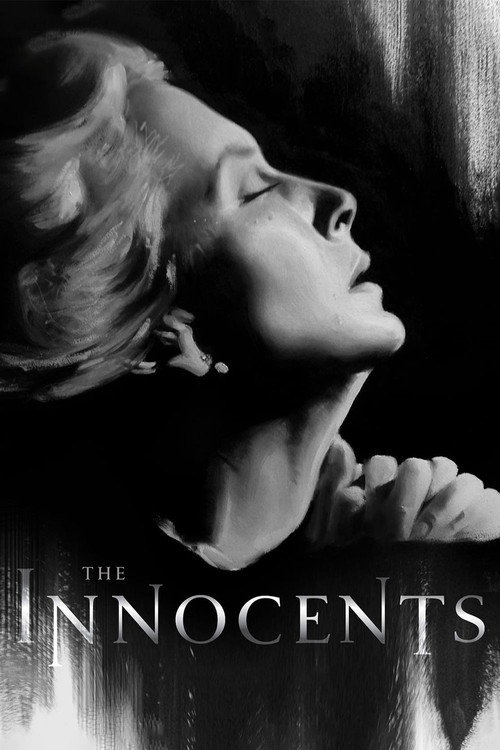
The Innocents1961
Another James adaptation where horror may be supernatural or may be projection. Gorgeously shot, genuinely unsettling, and it respects your intelligence enough to leave ambiguity intact.
But Slow, atmospheric, and morally complicated in ways that can feel frustrating if you prefer clear-cut stories and characters.
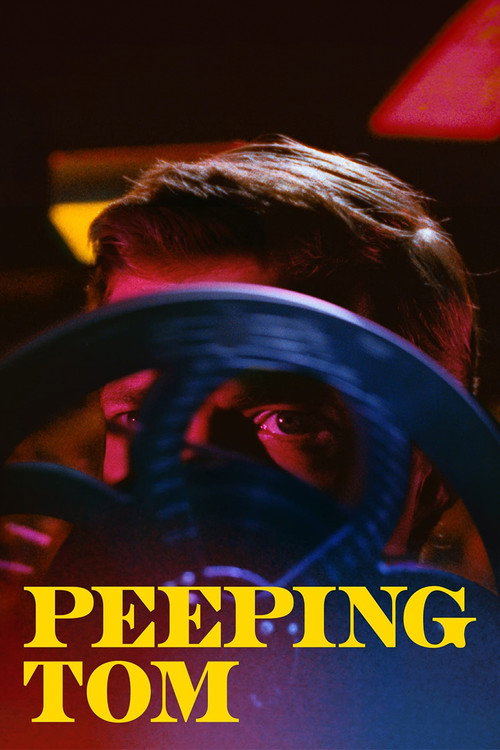
Peeping Tom1960
A disturbing exploration of obsession, voyeurism, and the power of the image. Like Queen of Spades, it's a character study in corruption told through a dark visual language.
But Genuinely disturbing subject matter—it's about murder and exploitation, not supernatural horror. Some will find it feels too real to be entertainment.
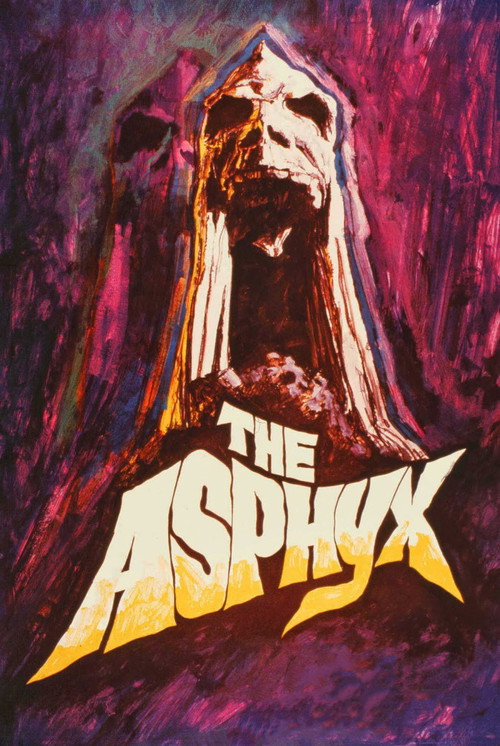
The Asphyx1972
A Victorian-era film about a man pursuing an impossible obsession through pseudo-scientific means. Has the same claustrophobic energy and moral decay as Queen of Spades, though with more baroque ambition.
But Low budget shows everywhere, and the plot becomes increasingly baroque and hard to follow. Feels more cultish than polished.
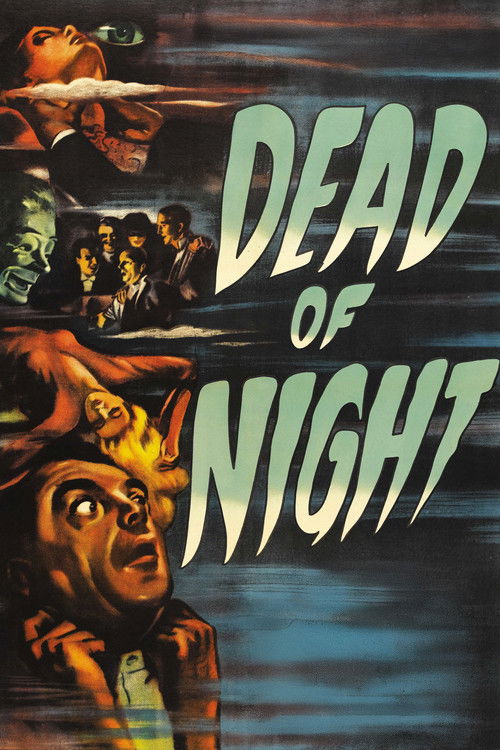
Dead of Night1945
British omnibus horror with Walbrook in the cast. Anthology structure means variety, though the linking device—a man caught in a nightmare he can't escape—echoes Queen of Spades' psychological entrapment.
But Uneven across segments. A few stories land; others feel slight. The whole is less than the sum of parts for most viewers.
The Seventh Seal1957
Both use games—cards, chess—as a metaphor for struggling against forces you don't control. Both are about men who believe they can cheat fate and the price that belief extracts. Both feel timeless rather than tied to their historical moment.
Bergman's meditation on death, fate, and the games we play to deny them. A man bargaining with forces beyond his control; a chess game with cosmic stakes. Formally inventive and philosophically dark without being bleak.
But Swedish arthouse cinema from the 1950s. Dense, slow, and more interested in ideas than plot. If Bergman feels pretentious to you, this won't change your mind.

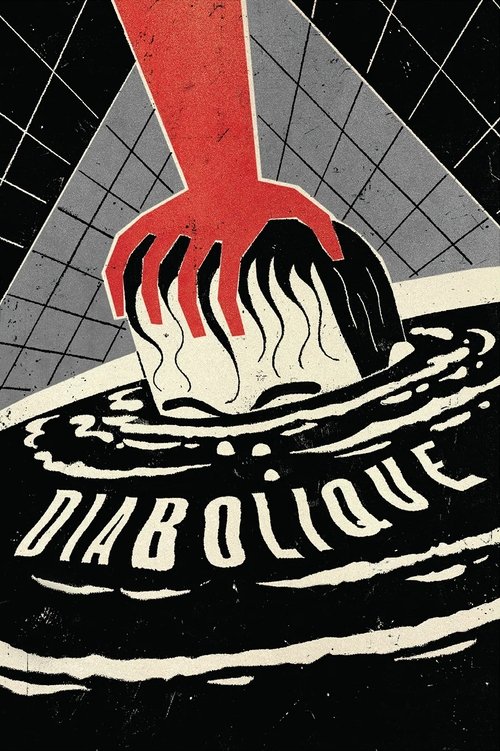
Diabolique1955
Like Queen of Spades, it's about people corrupted by obsession and desire. Both films understand that the real horror isn't the supernatural—it's what people will do to each other, and what that does to their souls. Both are formally masterful in their restraint.
Clouzot's masterpiece about two women plotting to murder a man. Morally murky, psychologically brilliant, and genuinely shocking—the famous bathtub scene remains one of cinema's great scares. Precursor to Hitchcock but arguably more savage.
But French thriller from 1955 means black-and-white, dubbing, and a pacing that feels deliberate rather than propulsive by modern standards. Violence against women figures prominently and is not glamorized.
People
Cast
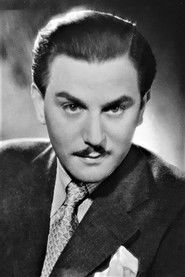 Anton WalbrookCapt. Herman Suvorin
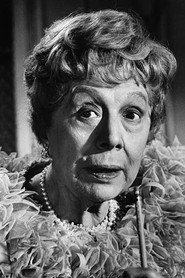 Edith EvansThe Old Countess Ranevskaya
 Yvonne MitchellLizavetta Ivanova
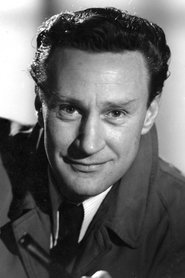 Ronald HowardAndrei
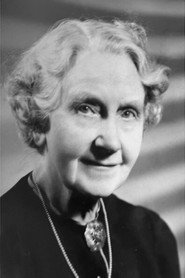 Mary JerroldOld Varvarushka
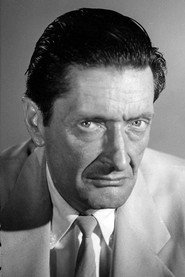 Anthony DawsonFyodor
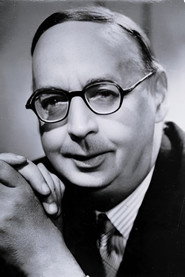 Miles MallesonTchybukin
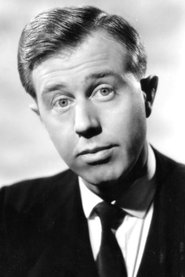 Michael MedwinHovaisky
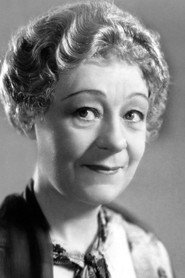 Athene SeylerPrincess Ivashin
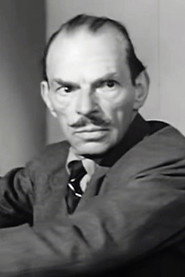 Ivor BarnardBookseller
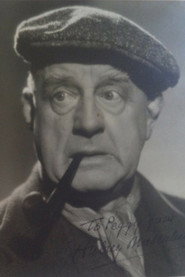 Aubrey MallalieuFedya
- Maroussia DimitrevitchGypsy Singer
Directing
- John GaudiosoAssistant Director
- Marjorie OwensContinuity
- Thorold DickinsonDirector
Writing
- Alexander PushkinShort Story
- Arthur BoysWriter
- Rodney AcklandWriter
Production
- Jack ClaytonAssociate Producer
- Anatole de GrunwaldProducer
- Isobel PargiterProduction Manager