
Film
The Turn of the Screw
Other titles called The Turn of the Screw: the 1999 film.
A governess arrives at a remote Victorian manor to find two unsettling children and mounting evidence of supernatural terror. This is psychological horror dressed as a ghost story—ambiguous, claustrophobic, and deeply uncomfortable. For viewers who prefer dread over jump scares, and who like their ghosts to raise questions rather than answer them.
If you liked this
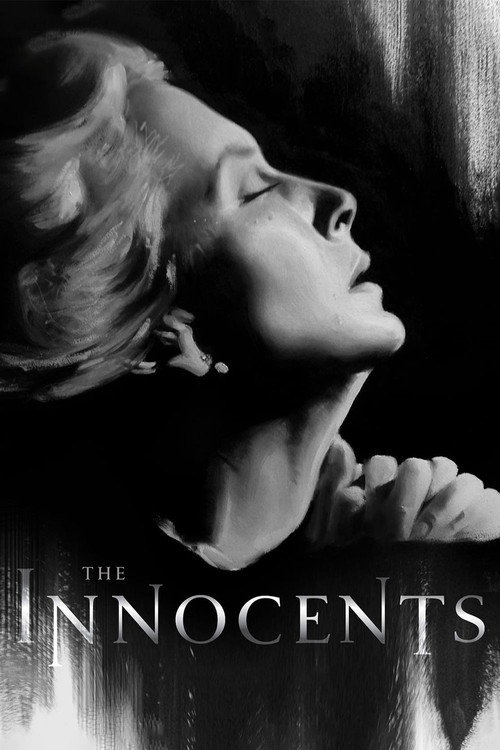
The Innocents1961
The definitive adaptation of James's novella, atmospheric and brittle, with Deborah Kerr's governess caught between sanity and supernatural conviction. Essential viewing for understanding the source material's grip.
But Shot in crisp black and white on a small budget, which gives it a theatrical rather than cinematic feel. Some find the pacing glacial by modern standards.
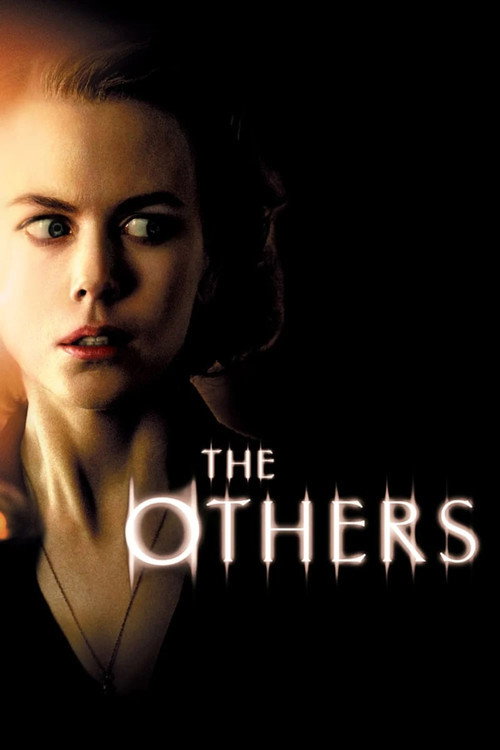
The Others2001
Guillermo del Toro's masterclass in slow-burn dread and structural twist, using isolation and gaslit uncertainty to corrode your confidence in what's real. Deeply influenced by James, and it shows.
But Relies on a final revelation that, once known, makes repeat viewings less effective. Some viewers find the twist emotionally hollow rather than earned.
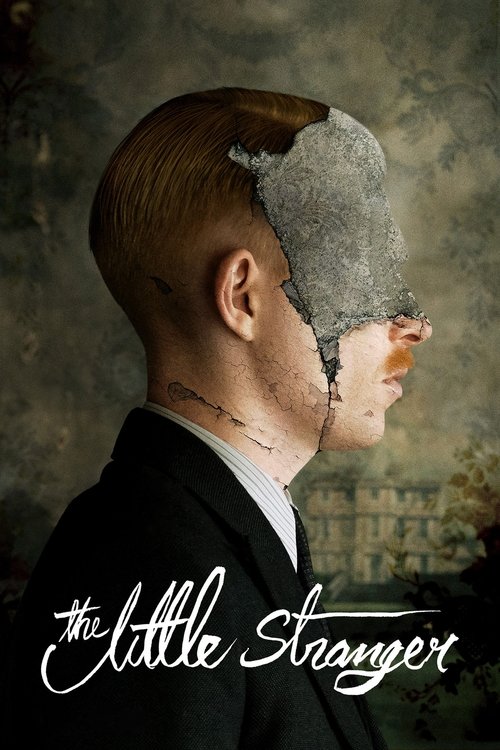
The Little Stranger2018
Sarah Waters' postwar English haunting adapted with perfect tonal control. Ambiguity about whether the house itself is cursed or if human desperation is doing the haunting. Gorgeous and rotten at once.
But Very slow, very interior, very British. If you need clear answers or forward momentum, this will feel like watching paint dry in a cold room.
Not sure tonight? Get a pick in a minute, starting from The Turn of the Screw
The wildcard
Something you would not have found on your own.
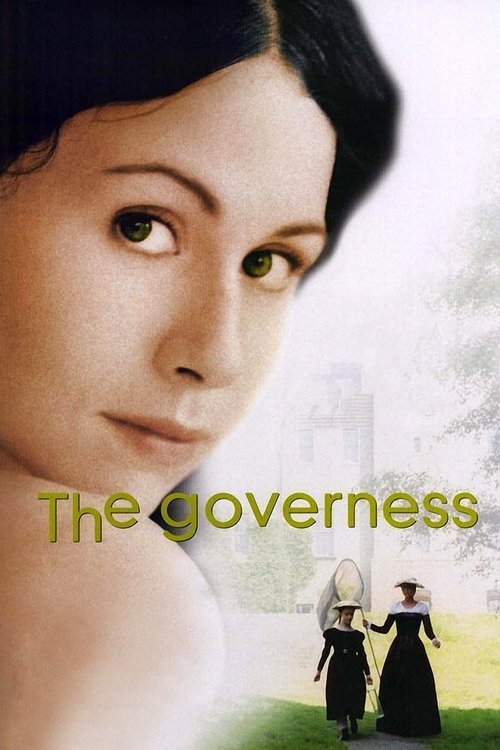
The Governess1998
Both centre a governess's isolation and psychological vulnerability in grand houses, but this one uses the gothic machinery to examine power, identity, and how institutions—family, class, religion—can be a cage.
Rossy de Palma as a Jewish governess hiding her identity in a Scottish household, seduced and gaslit by her employer. Period gothic as political allegory—repression, surveillance, and sexual coercion as horror. Completely different genre register.
But Art-house pacing and explicit sexuality that startled audiences then and may still. Deliberately unsexy about seduction, which some find tedious rather than transgressive.
More like this (7)
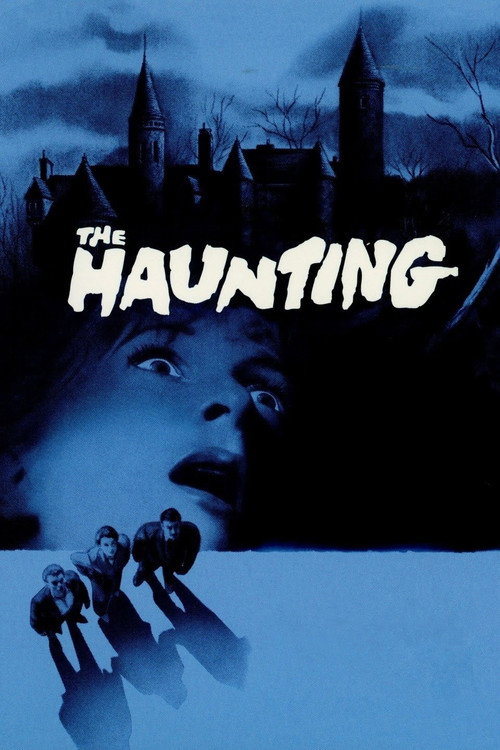
The Haunting1963
Robert Wise's psychological gothic, where the house becomes a character and camera work turns architecture into a weapon. Julie Harris as a fragile outsider is magnetic, and the ambiguity is exquisite.
But Dated special effects and the sexual repression subtext reads as quaint now. Relies on suggestion rather than scares, which won't satisfy anyone wanting traditional horror beats.
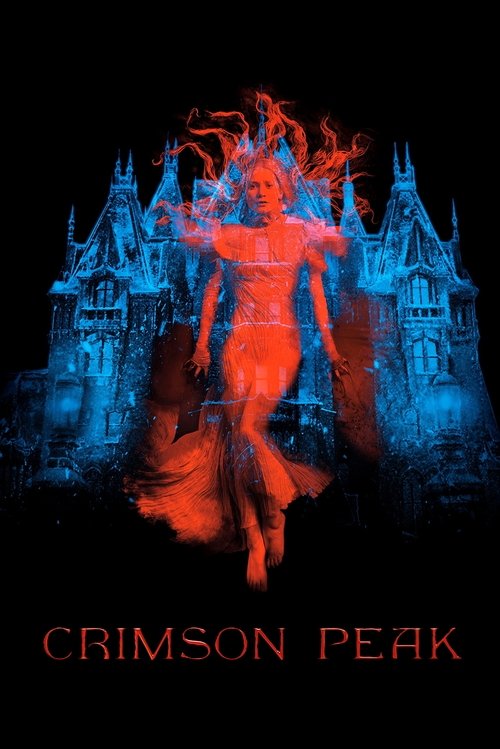
Crimson Peak2015
Guillermo del Toro again, but this time committing fully to the gothic romance and ghost story traditions—lavish, operatic, unapologetically melodramatic. Visual feast with a genuine haunting at its core.
But So ornate it tips into camp for some viewers. The mystery plot is predictable if you're watching for plot mechanics rather than atmosphere.
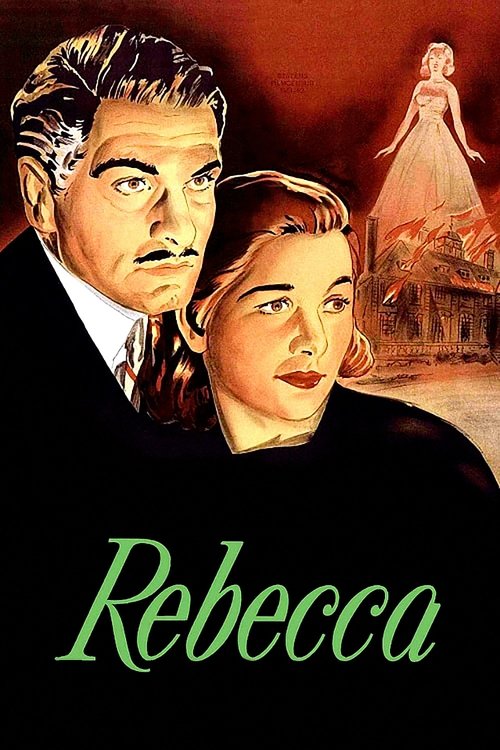
Rebecca1940
Hitchcock's unsettling masterpiece about a woman haunted—metaphorically, physically—by her husband's first wife. The 'ghost' never appears but is everywhere. Daphne du Maurier's Gothic paranoia perfectly realised.
But A slow-burn psychological thriller rather than horror proper. The gender dynamics will frustrate modern viewers even as you're being held by the narrative.
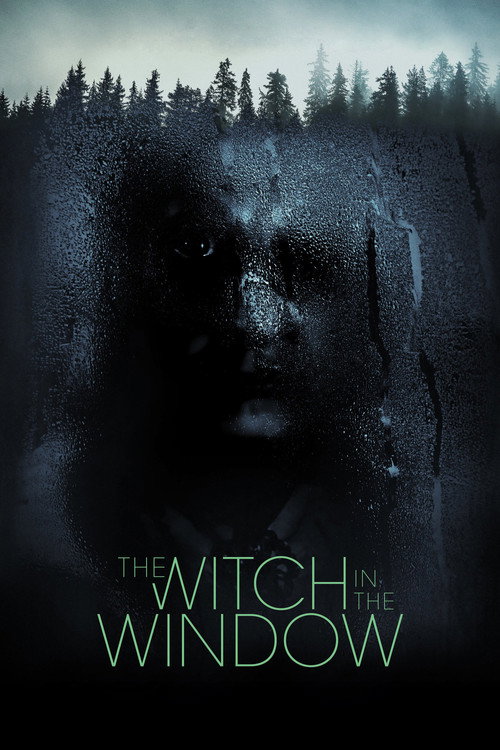
The Witch in the Window2018
British folk-horror that finds genuine wrongness in a decaying cottage and something that may or may not be watching from the walls. Slow, strange, shot through with wrongness. Creeping dread done right.
But Deliberately paced and deliberately vague. No satisfying resolution, and the ambiguity some find brilliant others find frustrating.
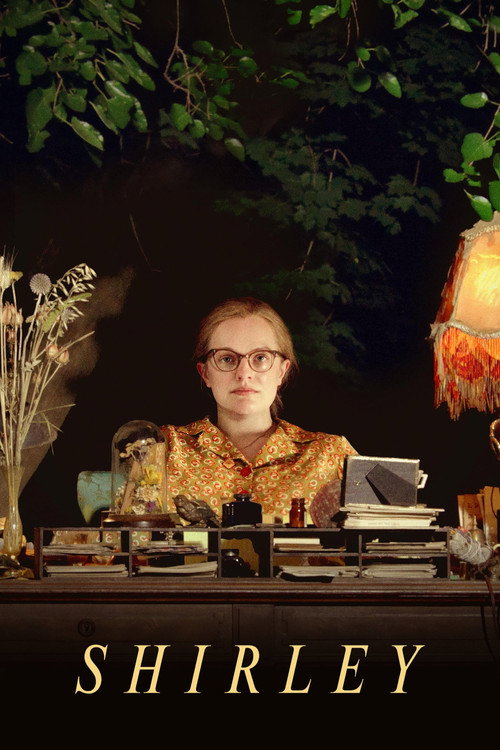
Shirley2020
Elisabeth Moss as Shirley Jackson, the writer herself drawn into psychological spiral. Metafictional, unsettling, about the terror underneath domesticity. Bleakly funny and genuinely disturbing.
But More intellectual horror-adjacent than horror itself. If you want scares rather than ideas, this will feel like a smart-person's empty exercise.
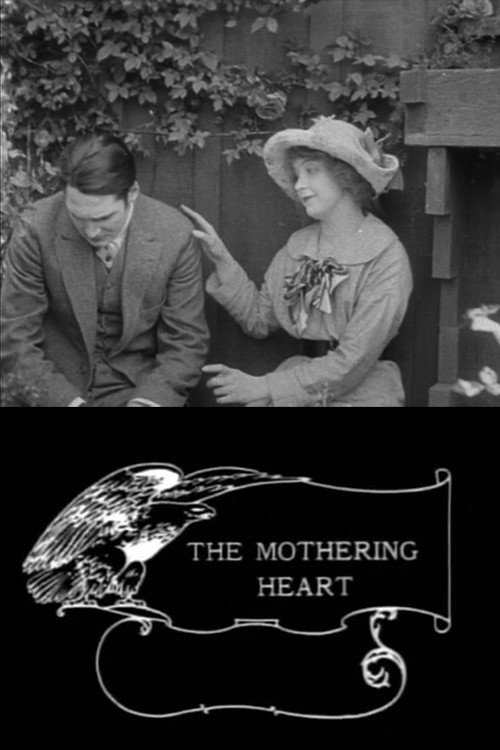
The Mothering Heart1913
Same root anxiety—a caregiver convinced something is wrong with the child she's responsible for, and being disbelieved. But told in a different medium that lets the irrational and emotional override plot logic.
A silent film where a woman becomes convinced her child is being replaced by something other. Pre-modern, spare, utterly strange, playing maternal terror as supernatural crisis. Early cinema's dreamlike logic at its most eerie.
But It's silent cinema from 1914. No dialogue, no continuity as we know it, and the acting style is utterly foreign. Requires patience and an appetite for early cinema's texture.
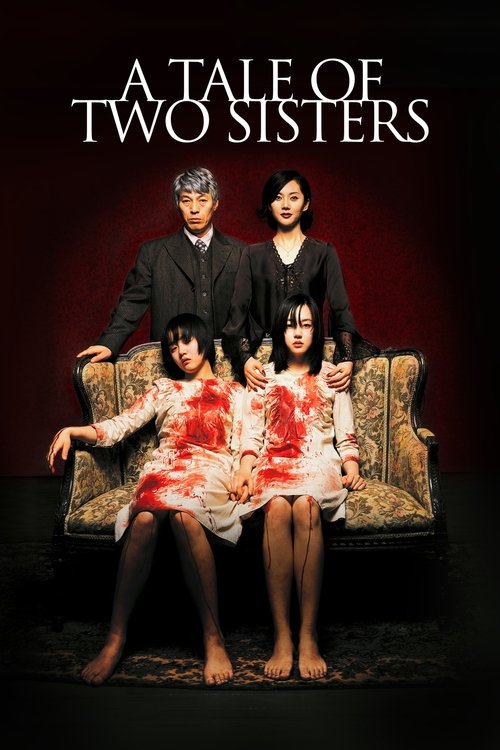
A Tale of Two Sisters2003
Shares the engine of domestic Gothic—the house as a space where trauma accumulates and the boundaries between what's real, what's remembered, and what's haunted collapse. Both films trust ambiguity completely.
A Korean psychological horror about two sisters and a stepmother in a house where the past refuses to stay buried. Uses colour, symmetry, and domestic space to build something between memory and nightmare. Gorgeously, heartbreakingly constructed.
But The twist reframes the entire film, and knowing it in advance hollows the experience. Non-English language and a visual style that prioritises mood over clarity may frustrate plot-focused viewers.
People
Cast
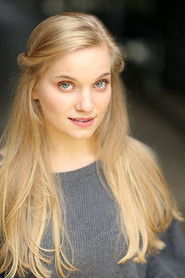 Eva SayerFlora
- Josef LindsayMiles
 Dan StevensDr. Fisher
 Mark UmbersMaster
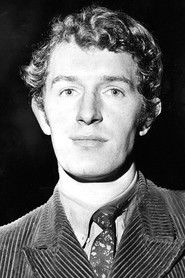 Corin RedgraveProfessor
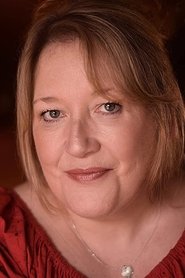 Wendy AlbistonBaines
 Nicola WalkerCarla
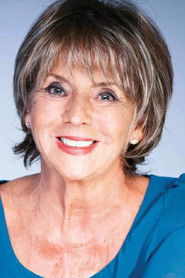 Sue JohnstonSarah Grose
- Sarah BucklandDiane
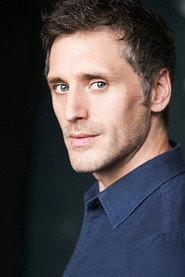 Edward MacLiamPeter Quint
- Katie LightfootEmily Jessel
Directing
- Tim FywellDirector
- Mel NortcliffeFirst Assistant Director
- Andy PearsonSecond Assistant Director
- Hardey SpeightThird Assistant Director
Writing
- Henry JamesNovel
- Sandy WelchScreenplay
Production
- Andy MorganCasting
- Jessica PopeExecutive Producer
- Chris BallantyneLine Producer
- Colin WrattenProducer
- Juliette WoodcockProduction Coordinator
Recommended by
The Snowman and the Snowdog, Presence of Mind, The Queen of Spades, Bluebeard's Castle