
Film
The Governess
A 1998 period drama where a Jewish woman disguises her identity to escape her past and becomes a governess in a Scottish household, igniting a forbidden affair with the master. Sensual and tense, layering desire with the constant threat of discovery. For anyone drawn to intimate character studies set against rigid social constraint.
Should you watch it?
Watch it if you like slow-burning period dramas where restraint does the work, a glance or a silence carries more weight than any declaration, and a heroine's quiet calculation matters as much as the longing.
Skip it if you want the romance front and centre and a brisk pace; this one is more interested in class, faith and power, and its desire simmers rather than boils over.
What it asks of you: Settle in for just under two hours of patient, mostly interior drama, where the mood is hushed and the tension accumulates in glances and rooms rather than in set pieces.
Not sure? Find tonight's pick in a minute.
If you liked this
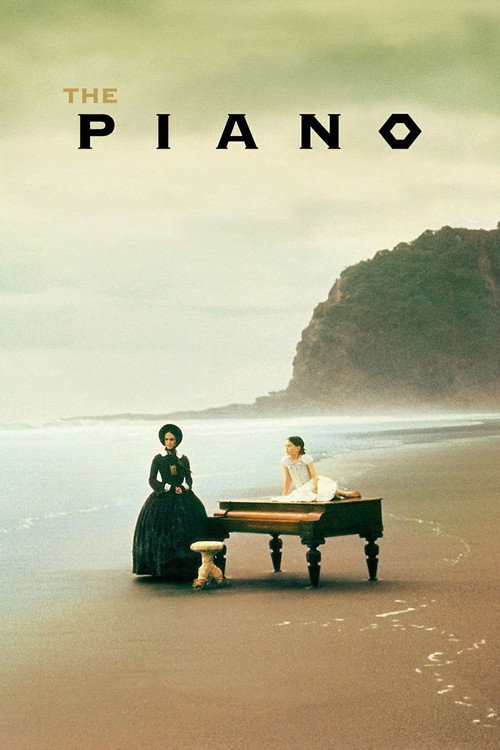
The Piano1993
A mute woman arrives in colonial New Zealand to a loveless marriage, then finds voice and passion through music and a forbidden relationship. Visually stunning, erotically charged, with a heroine who refuses to be confined by circumstance.
But The pacing is deliberate and the emotional tone is severe. Some will find it glacial rather than hypnotic, and the ending divides people sharply.
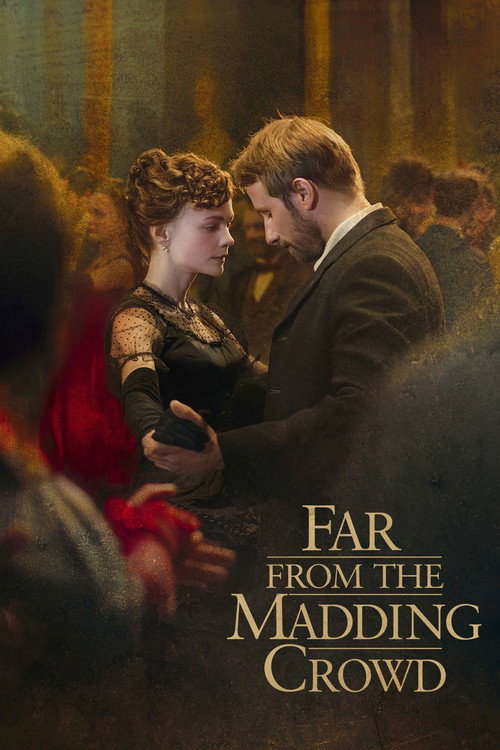
Far from the Madding Crowd2015
Carey Mulligan as a woman navigating love, duty, and autonomy in rural Victorian England. Gorgeously shot, psychologically astute about desire and independence, with genuine chemistry between leads that feels dangerous.
But The 1967 version casts a long shadow for some. This one is slower and more inward, which gains you depth but loses narrative momentum.
The Remains of the Day1993
A repressed butler and housekeeper orbit each other across decades, their restraint and unspoken longing creating unbearable tension. A masterclass in what isn't said. Wilkinson is devastating here too.
But Almost nothing happens externally. The entire drama lives in glances and silences. If you need plot, this will feel like watching paint dry.

Not sure tonight? Get a pick in a minute, starting from The Governess
The wildcard
Something you would not have found on your own.
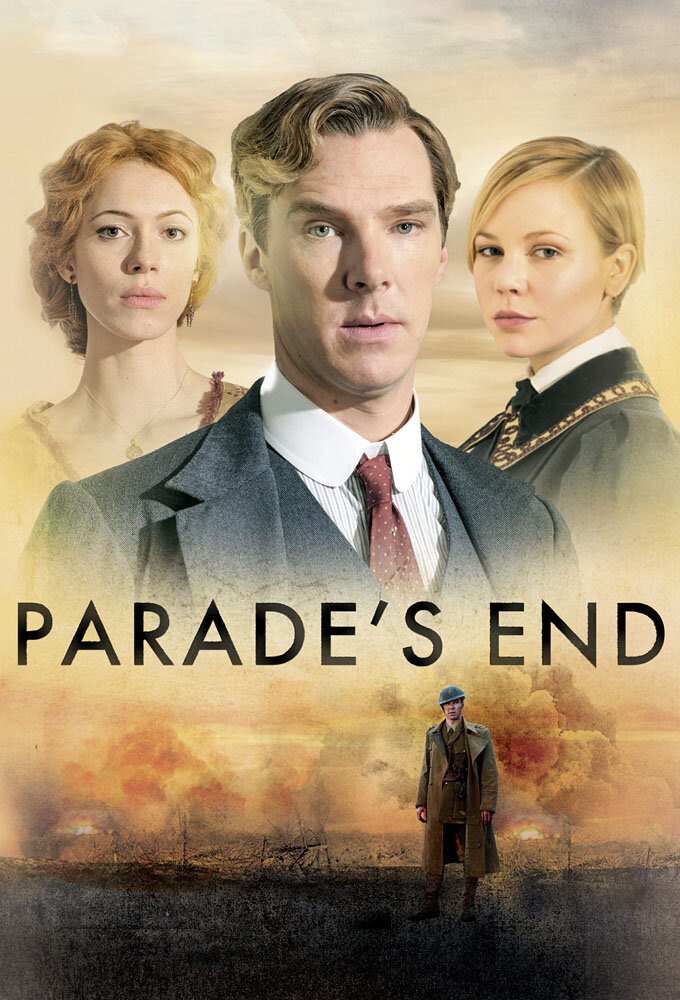
Parade's End2012
Both examine how social identity becomes a prison, and how intimacy becomes the only space where truth can exist. Both feature protagonists living double lives.
A five-hour miniseries about desire, honour, and infidelity in the Edwardian era and during World War One. Structurally daring, visually precise, and psychologically penetrating. Tom Hiddleston and Benedict Cumberbatch as men torn between duty and authenticity.
But It's told in a fractured, non-linear way that requires active watching. Patience is not enough—you need genuine interest in consciousness and restriction.
More like this (8)
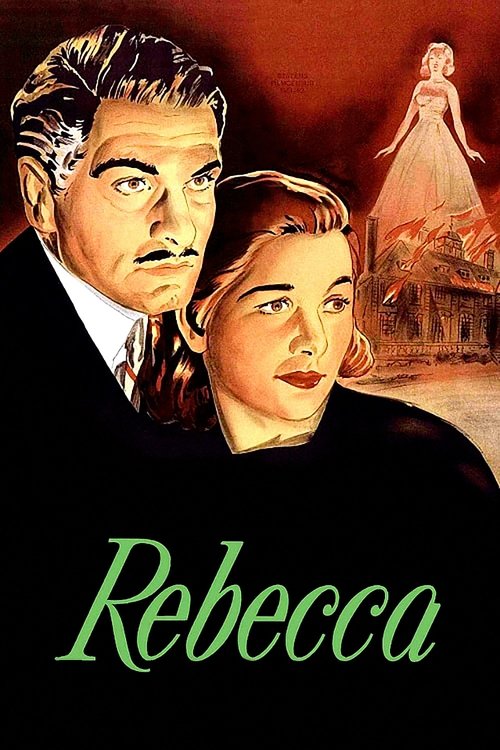
Rebecca1940
A young woman enters a grand estate as the new bride and becomes consumed by the shadow of the previous Mrs. de Winter. Gothic, claustrophobic, sexually charged beneath its restraint, with a mystery that justifies its own suspense.
But Laurence Olivier can read as cold rather than brooding depending on your patience. The film's ending disappointed many who expected darker justice.
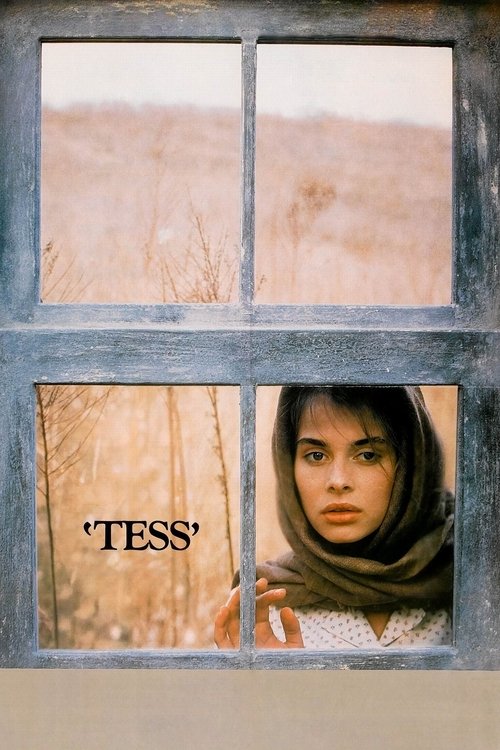
Tess1979
Polanski's adaptation of Hardy's novel: a woman of beauty and conscience destroyed by social hypocrisy and male desire. Devastating, visually immaculate, and furious about class and gender. You will feel it for days.
But It is relentlessly bleak and the ending is not cathartic—it's tragic in the classical sense. Heavy viewing, not escapism.
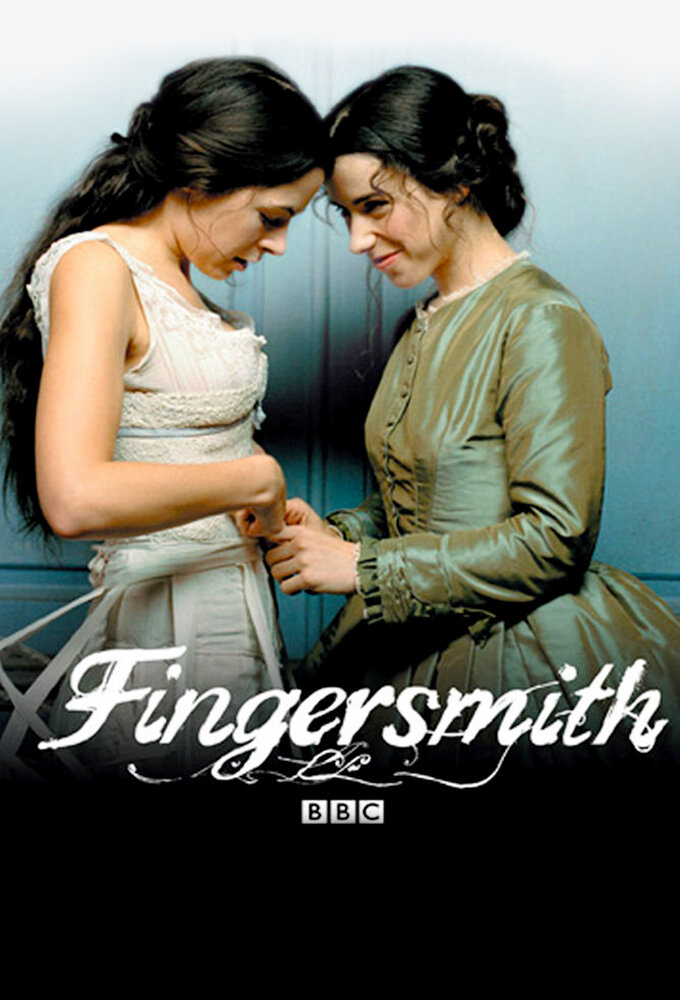
Fingersmith2005
A Victorian con artist and a lady's maid conspire in elaborate deception and genuine passion. Wickedly smart, twisty, funny, with electric chemistry and a structure that rewards attention. Sarah Waters adapted for the screen perfectly.
But The plot is deliberately complicated; if you're not engaged by episode two, the convolutions will annoy rather than delight. Also quite explicit about sex and violence.
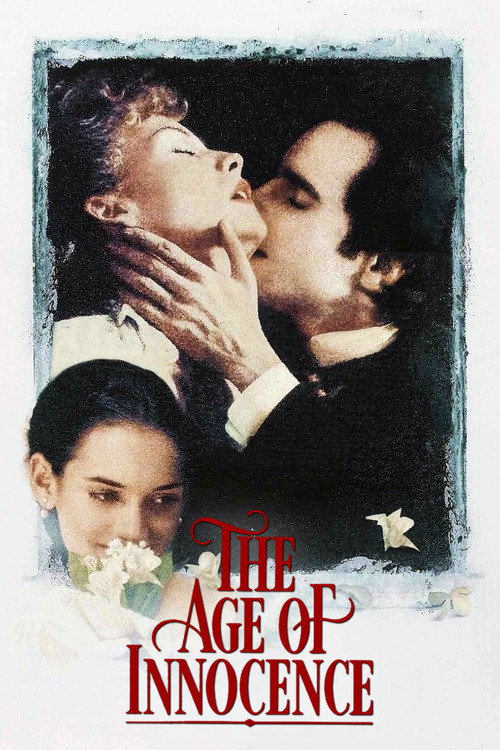
The Age of Innocence1993
Scorsese's adaptation of Edith Wharton: a man caught between duty to an arranged marriage and love for a woman society forbids. Lush, witty, and genuinely tragic about how convention destroys the heart.
But It's a film about the impossibility of happiness, told with Scorsese's characteristic distance. Beautiful to watch but emotionally claustrophobic by design.
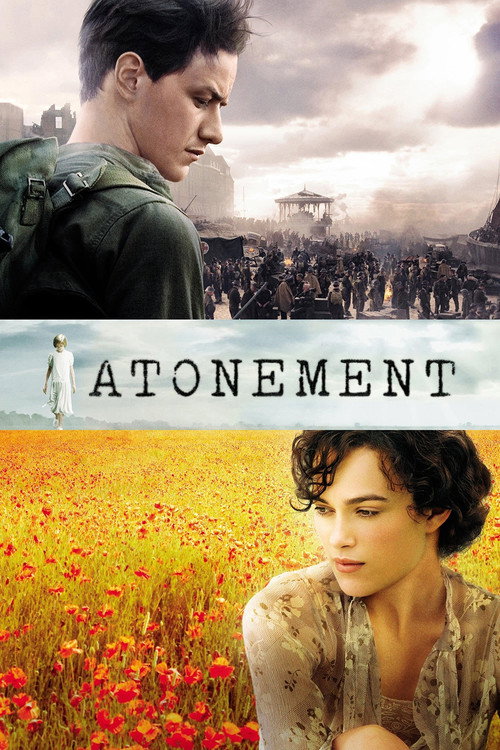
Atonement2007
A young woman's lie destroys the lives of two lovers separated by class and circumstance. Exquisite filmmaking, a narrative that unfolds like a magician's trick, and performances that burn with suppressed intensity.
But Once you learn the structure, some find the tragedy feels manipulated rather than earned. The film demands rewatching to justify itself, which not everyone welcomes.
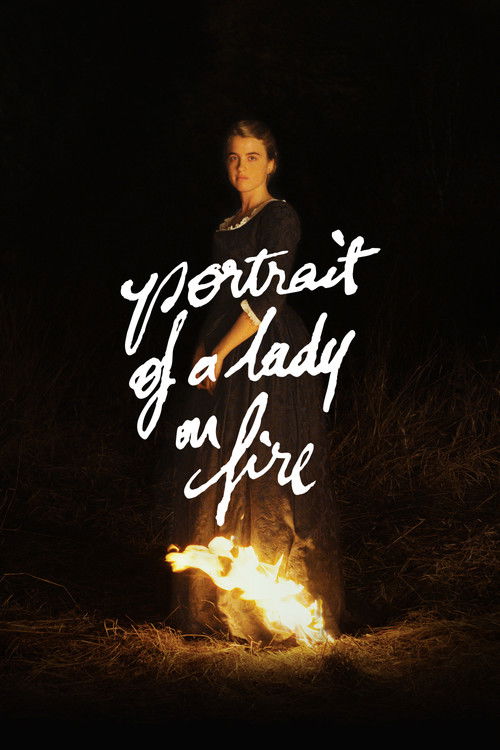
Portrait of a Lady on Fire2019
An artist and her aristocratic subject fall into a passionate affair while the portrait sits unfinished between them. Sensual, intelligent, visually ravishing, and genuinely about female desire rather than male longing.
But Slow cinema in the best sense, but the best sense isn't for everyone. No plot in the conventional way, only the deepening of feeling and the certainty of loss.
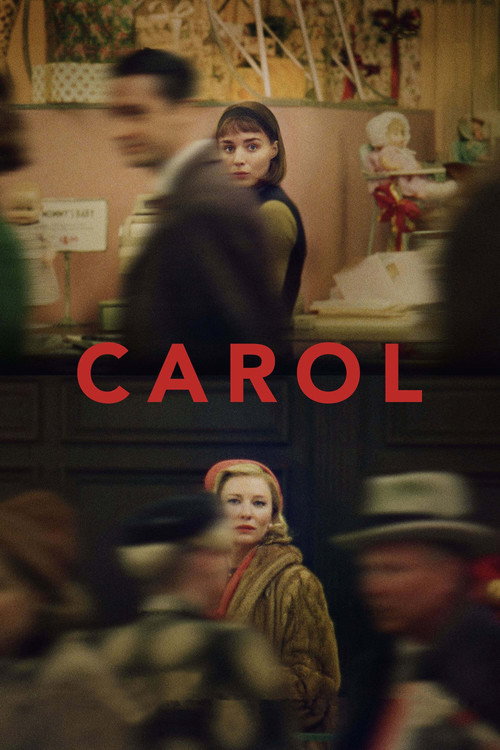
Carol2015
Both are about women finding selfhood and desire through transgression, and both depict the cost of passing, of hiding who you really are in order to survive.
A housewife and a department-store clerk fall in love in 1950s America, negotiating desire against the absolute prohibition society places on them. Achingly tender, visually restrained in a way that amplifies every glance, morally clear without preaching.
But The pace is meditative rather than dramatic. If you're expecting conflict to generate plot, you'll find the quietness frustrating.
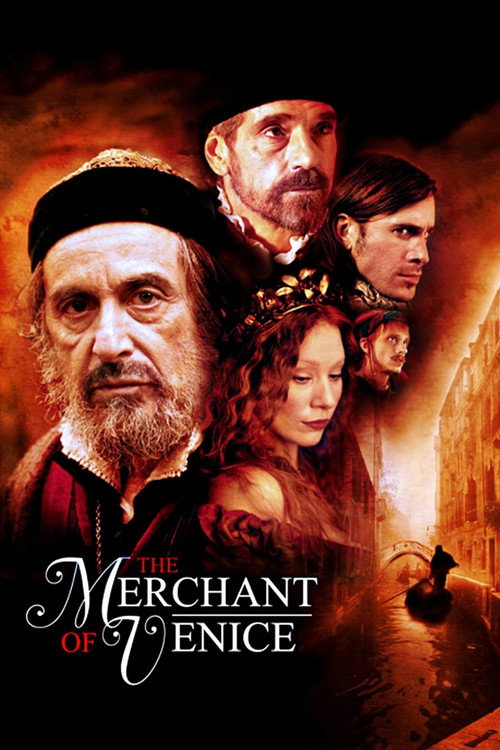
The Merchant of Venice2004
Shylock, like Rosina, is an outsider forced to pass and negotiate within a hostile Christian society. Both explore how identity becomes a commodity, a weapon, and a wound.
Radcliffe's film of Shakespeare focuses on the Jew-Christian dynamics and sexual tension between merchant and moneylender. Literarily audacious, visually inventive, and structurally brave—it reframes the play as a tragedy about exclusion and desire rather than comic justice.
But It's Shakespeare, which means language density and formality. The interpretation is controversial and some will resist its thesis from the start.
People
Cast
 Minnie DriverRosina da Silva
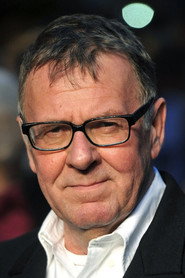 Tom WilkinsonMr. Charles Cavendish
 Harriet WalterMrs. Cavendish
 Jonathan Rhys MeyersHenry Cavendish
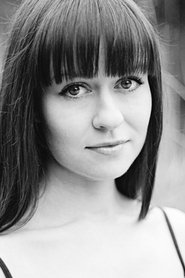 Florence HoathClementina Cavendish
- Arlene CockburnLily Milk, the Maid
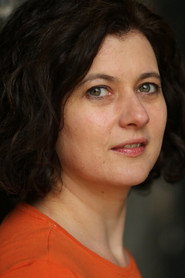 Emma BirdRebecca
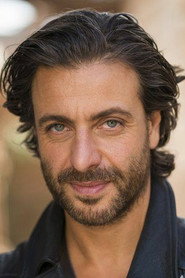 Adam LevyBenjamin
- Countess KoulinskyiAunt Sofka
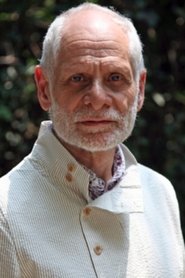 Bruce MyersRosina's Father
- Diana BrooksRosina's Mother
- Raymond BrodyLitnoff
Directing
- Sandra GoldbacherDirector
- Stephen WoolfendenFirst Assistant Director
- Caroline O'ReillyScript Supervisor
Writing
- Sandra GoldbacherWriter
Production
- Michelle GuishCasting
- Sally HibbinExecutive Producer
- Sarah CurtisProducer
- Cathy LordProduction Supervisor
Recommended by
Washington Square, Tess, Jude, Becoming Jane, The Turn of the Screw, Miss Austen Regrets, The Barretts of Wimpole Street, The Concubine, The Chalk Garden