
Film
The Barretts of Wimpole Street
A 1934 prestige drama about the real Elizabeth Barrett, the celebrated Victorian poet confined by illness and her tyrannical father's control. Norma Shearer and Fredric March embody two poets discovering each other across the barrier of her prison-like home. It's a showcase for elegant dialogue and restrained emotional power—the kind of picture built on acting and character rather than plot. For anyone who loves romantic stories where intellect and passion intertwine.
Should you watch it?
Watch it if you love stately, talky period melodrama where a sickroom and a tyrannical parent are pressure enough, and you enjoy watching performers like Laughton chew through a domineering role.
Skip it if you need brisk pacing or modern restraint, since this is a sustained, theatrical piece that leans into big emotions and lingers in its parlour rooms.
What it asks of you: Roughly one hundred and nine minutes of unhurried, stage-bound scenes in one confined household, so patience with slow accumulation matters more than fast payoffs.
Not sure? Find tonight's pick in a minute.
If you liked this
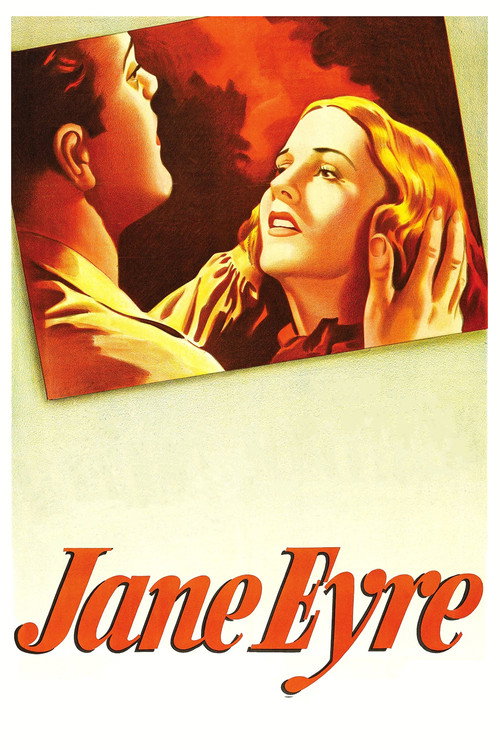
Jane Eyre1943
Charlotte Brontë adapted for the screen with Joan Fontaine and Orson Welles. A woman trapped by circumstance and convention finds love with a man who sees her mind and spirit. The Gothic atmosphere and psychological depth echo Barrett's confinement in different register.
But The visual style is more theatrical than naturalistic, and Welles' performance can feel outsized compared to Fontaine's quiet intensity.
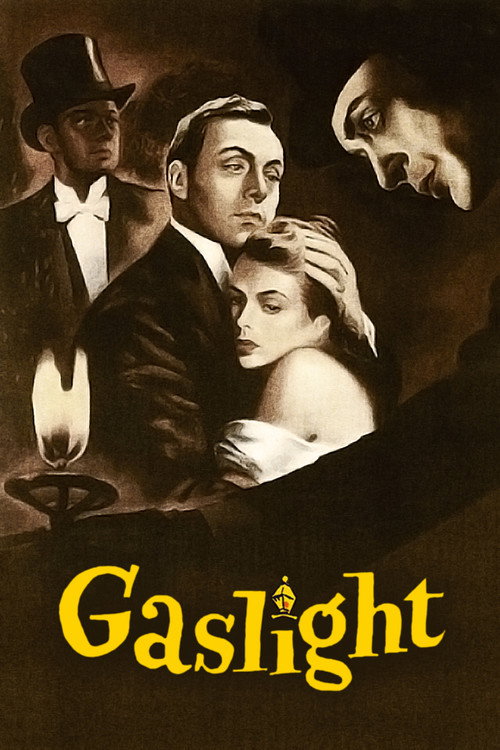
Gaslight1944
A woman's reality is systematically dismantled by the man she trusts. Ingrid Bergman's performance is luminous and devastating. Like Barrett's story, it's about liberation from psychological captivity—but darker, more claustrophobic, and terrifyingly intimate.
But The subject matter is abusive manipulation. It's suffocating by design, not a comfort watch despite its beauty.
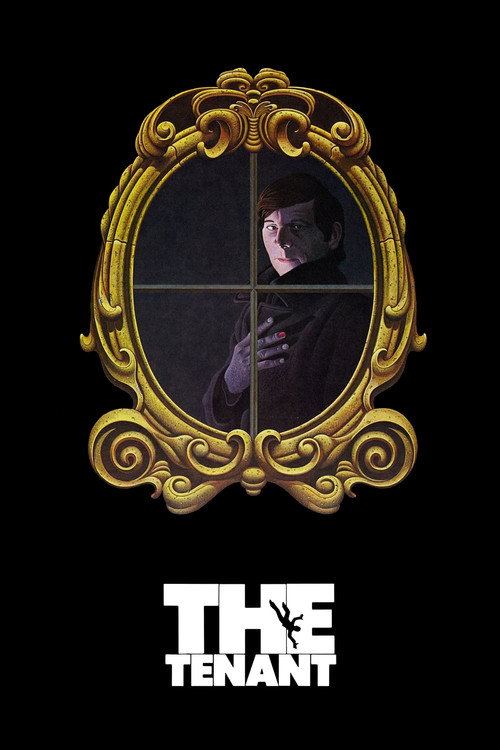
The Tenant1976
Roman Polanski's film about a woman whose grip on identity dissolves in her rented apartment. It shares Barrett's obsession with the home as both sanctuary and trap. Unsettling, formally brilliant, and genuinely weird in ways 1934 cannot be.
But It's deliberately confusing and slowly maddening. If you want clarity and catharsis, this isn't it.
Not sure tonight? Get a pick in a minute, starting from The Barretts of Wimpole Street
The wildcard
Something you would not have found on your own.
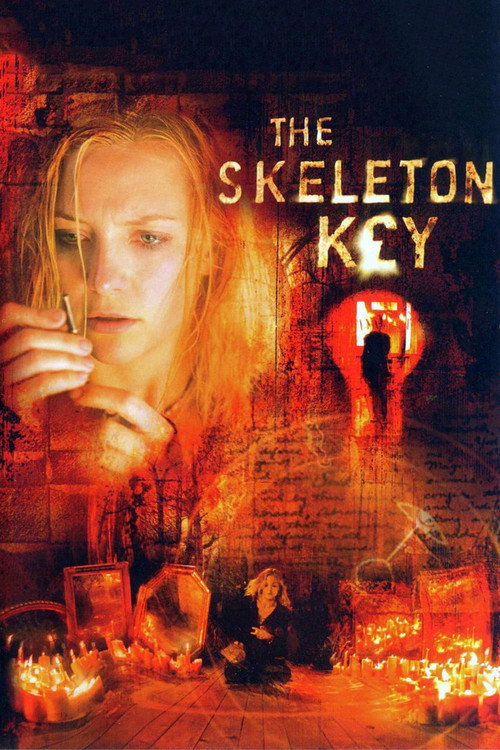
The Skeleton Key2005
Same core engine—brilliant women confined by family structure and social order, finding freedom and understanding through forbidden connection—but in a completely different world and era.
A Chinese period drama about two women trapped in an imperial household by duty and hierarchy, who discover intellectual and emotional connection in the margins of their prescribed lives. Visually sumptuous, formally inventive with split screens and layered narratives. The confinement is gilded and it's still a prison.
But It's in Mandarin with subtitles, and the gender dynamics may surprise Western viewers—the constraints are more alien than you expect.
More like this (7)
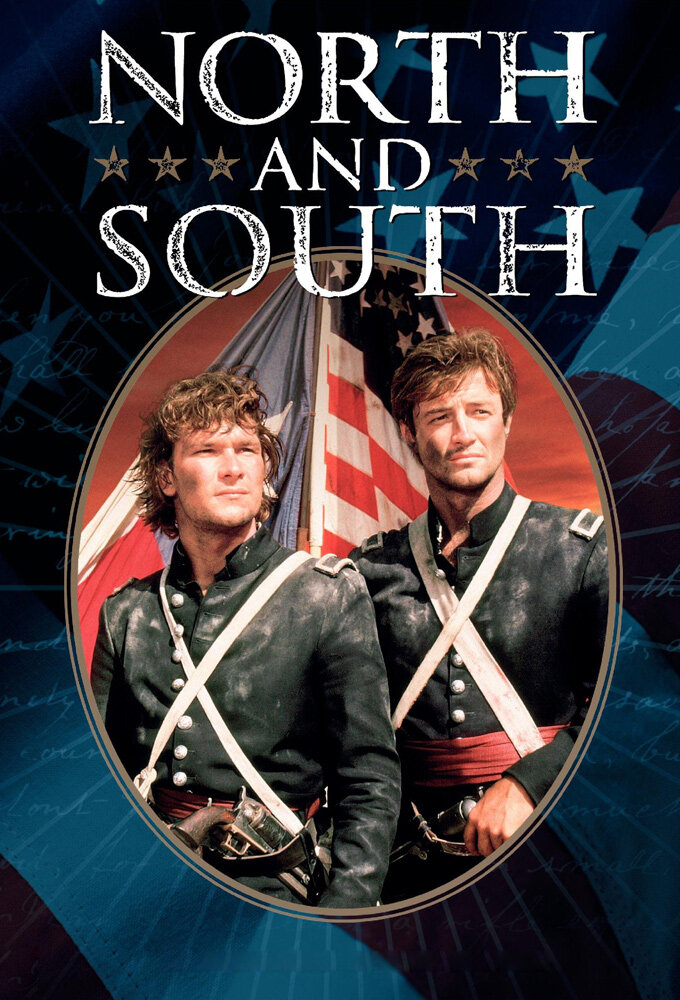
North and South1985
A BBC miniseries about a woman from the south transplanted to industrial Lancashire, finding intellectual and romantic partnership with a mill owner. Elegant dialogue, social conflict, and a slow-burn love story between equals. Deeply satisfying in the way The Barretts aims for.
But It's four hours. That's a commitment, and the pacing in the first episode is deliberately unhurried.
The Remains of the Day1993
Anthony Hopkins as a butler who has sacrificed his life to duty and repression, Emma Thompson as the woman he might have loved. The emotional core is about what gets left unsaid in service of propriety. A masterpiece about the cost of self-denial.
But It's quiet and melancholic, sometimes to the point of numbness. If you need plot momentum, you'll feel its absence.

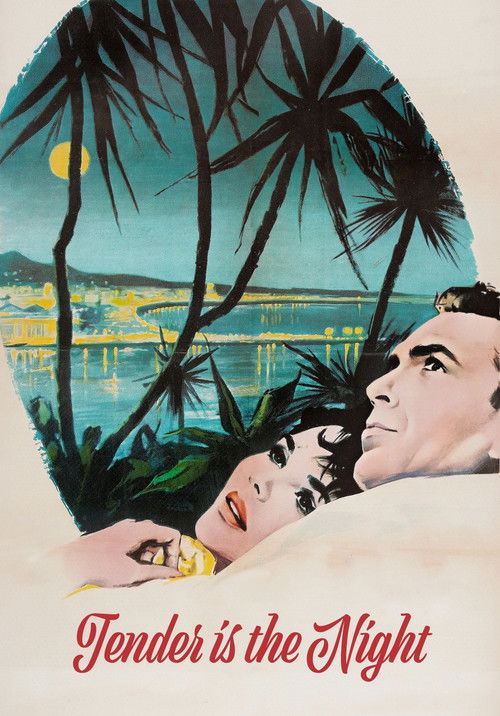
Tender Is the Night1962
F. Scott Fitzgerald's novel about a brilliant woman undone by the charisma and self-destruction of the man she loves. Jason Robards and Jennifer Jones in a story where romance is real but ruinous. Dark and lush and genuinely tragic.
But It's a portrait of slow dissolution rather than triumph. There's no rousing exit, only fading light.
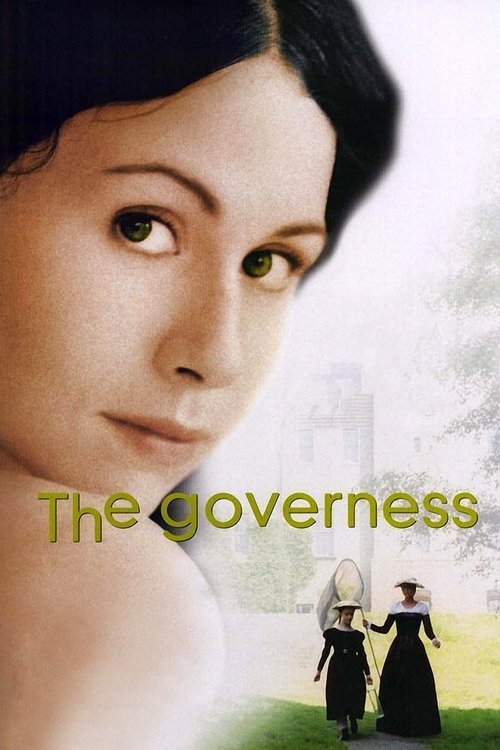
The Governess1998
Minnie Driver as a Jewish woman posing as a Christian governess on a Scottish island, discovering sensuality and intellectual partnership with her employer. It rewrites the repressed Victorian woman narrative as one of agency and desire, with period detail and quiet radicalism.
But The sexual content is explicit and direct. If you're watching for the romance to stay in the parlor, it won't.
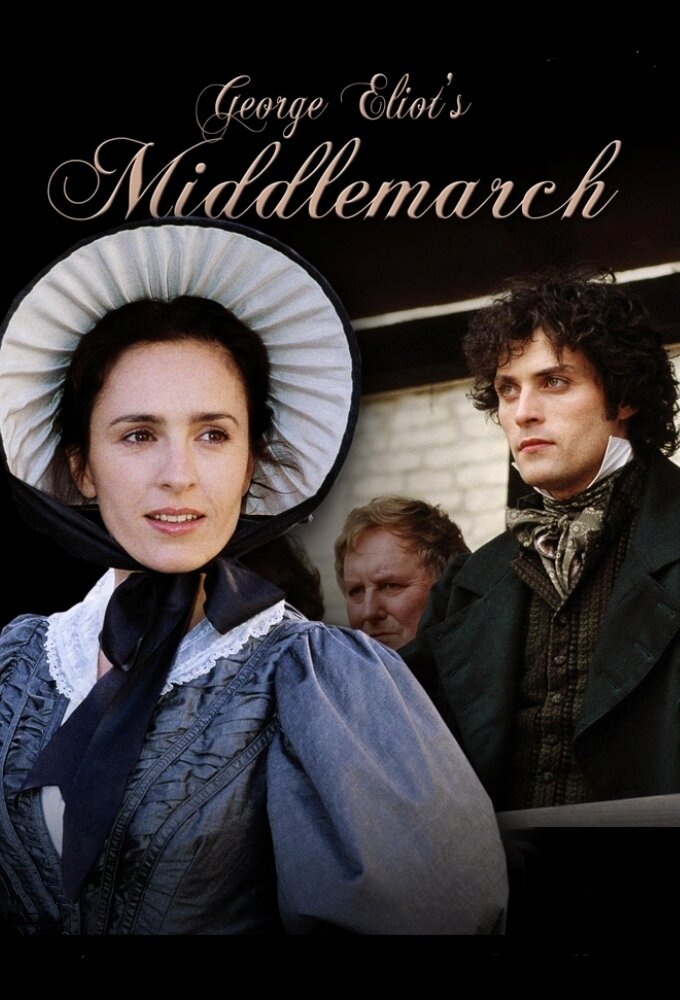
Middlemarch1994
A BBC adaptation of George Eliot's novel about a woman whose intellectual ambitions are thwarted by marriage to a dry scholar. It's about the tragedy of wasted promise, and it's far more novelistic than The Barretts—fuller, messier, richer in every way.
But Six hours, and the narrative threads multiply. You have to surrender to it completely or you'll lose the thread.
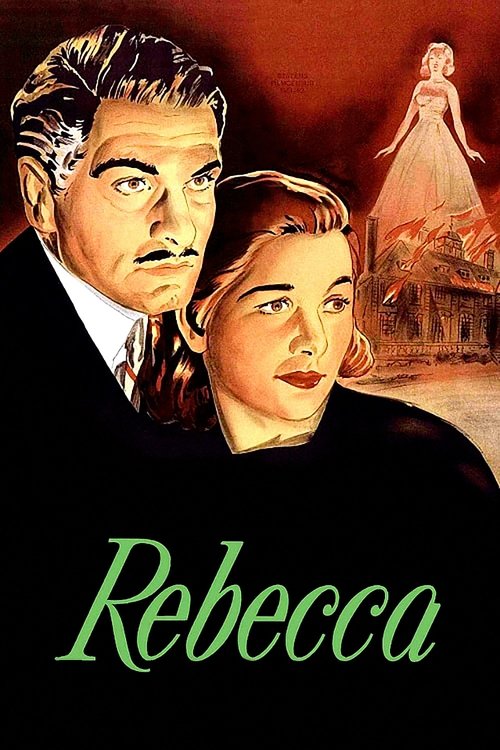
Rebecca1940
Hitchcock's masterpiece about a woman whose identity is consumed by the ghost of her husband's first wife. Laurence Olivier and Joan Fontaine in a Gothic romance where the woman's liberation comes through uncovering terrible truths about the man she loves.
But It's a thriller, not a love story, and the love story serves the thriller. Some find that shift from intimacy to suspense jarring.
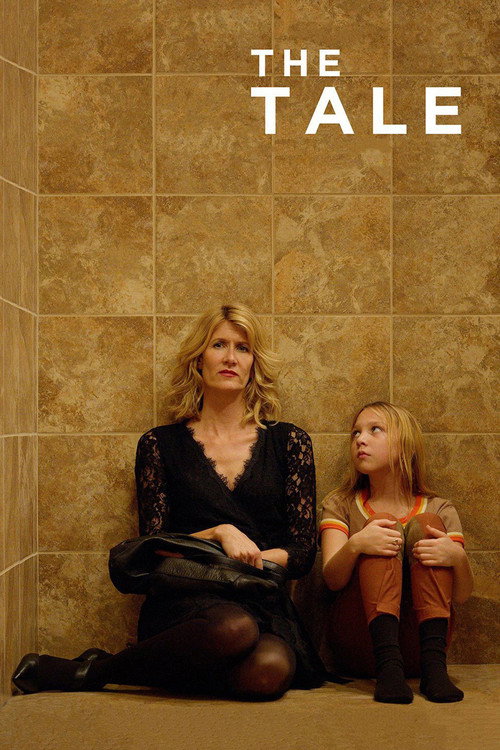
The Tale2018
Both are about a woman reclaiming her own story from the version others imposed on it—but Barrett's is a historical romance while this is a personal excavation of how we survive by forgetting.
Jennifer Fox's documentary feature about recovering memories of her own childhood sexual abuse. It's part documentary, part drama, shot in luminous 16mm. It moves backward through time to understand how a child constructs narrative around trauma, and how we rewrite our own stories. Devastating and formally radical.
But It's about abuse and memory. It's difficult, ambiguous, and never offers the comfort of complete clarity or justice. Some experiences don't resolve; they clarify.
People
Cast
 Norma ShearerElizabeth Barrett
 Fredric MarchRobert Browning
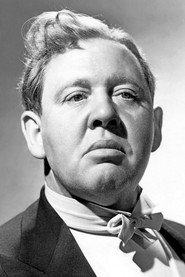 Charles LaughtonEdward Moulton-Barrett
 Maureen O'SullivanHenrietta Barrett
 Katharine AlexanderArabel Barrett
 Ralph ForbesCaptain Surtees Cook
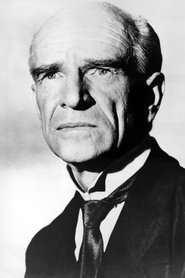 Ian WolfeHarry Bevan
 Marion Clayton AndersonBella Hedley
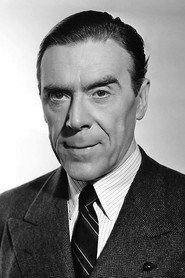 Leo G. CarrollDr. Ford-Waterlow
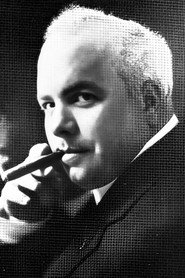 Ferdinand MunierDr. Chambers
 Una O'ConnorWilson
 Vernon DowningOctavius Barrett
Directing
- Sidney FranklinDirector
Writing
- Claudine WestScreenplay
- Donald Ogden StewartScreenplay
- Ernest VajdaScreenplay
- Rudolph BesierTheatre Play
Production
- Irving ThalbergProducer
Recommended by
Julius Caesar, The Barbarian and the Geisha, The Loves of Edgar Allan Poe