
Film
Julius Caesar
Joseph Mankiewicz's 1953 adaptation is Shakespeare performed at full throttle by a cast of staggering theatrical power. Brando's Antony is controlled fire; Mason's Brutus carries the weight of betrayal like a man drowning. It's a masterclass in using cinema to amplify rather than shrink the play—all grandeur and human damage.
Should you watch it?
Watch it if you love Shakespeare's verse spoken by actors who trust every syllable, and you enjoy political maneuvering where loyalty and rhetoric do the damage rather than swords.
Skip it if you want screen-filling action or a loose modern pace; this is a stage-bound, talky adaptation where the Elizabethan language does not loosen up for anyone.
What it asks of you: About two hours of unbroken attention to long speeches, with slow stretches of talk between the bursts of crowd and conspiracy; patience matters more than plot tricks.
Not sure? Find tonight's pick in a minute.
If you liked this
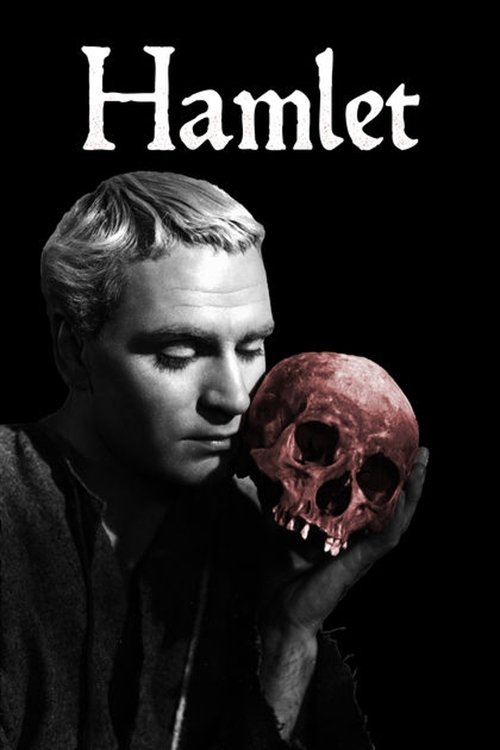
Hamlet1948
Laurence Olivier directs himself in a film that proved Shakespeare could own the screen as fully as any original story. Dense, propulsive, visually inventive—this is how you translate the stage without apology.
But It's nearly two and a half hours of philosophical paralysis and court intrigue. Not a film that moves quickly or lets you rest.
Henry V1944
Olivier again, but in full Technicolor glory. A film about the power of performance and rhetoric that doubles as an actual rousing war film. The opening theatre sequence alone justifies its existence.
But It's a war story that is very much a product of wartime Britain. The triumphalism feels dated, and the few women in it barely exist as characters.

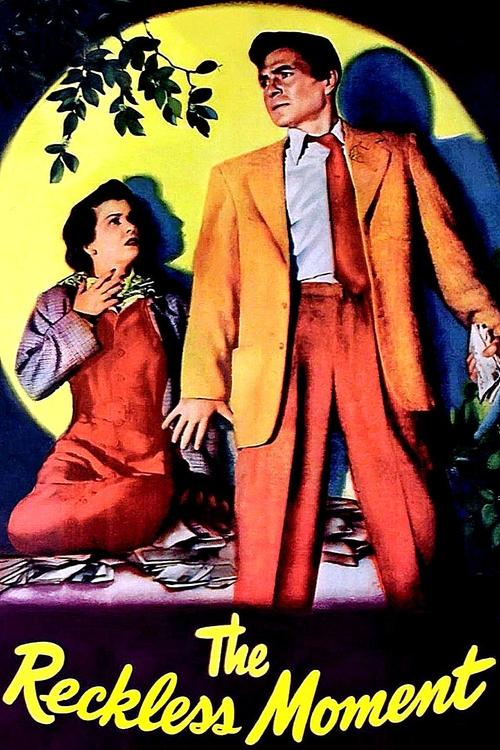
The Reckless Moment1949
Directed by Mankiewicz in the same period, this shows his gift for ordinary people caught in conspiracies of their own making. It's smaller in scale than Julius Caesar but shaped by the same moral intelligence.
But It's a noir-adjacent thriller, not Shakespeare, so if you wanted more classical drama, you'll need to keep looking.
Not sure tonight? Get a pick in a minute, starting from Julius Caesar
The wildcard
Something you would not have found on your own.
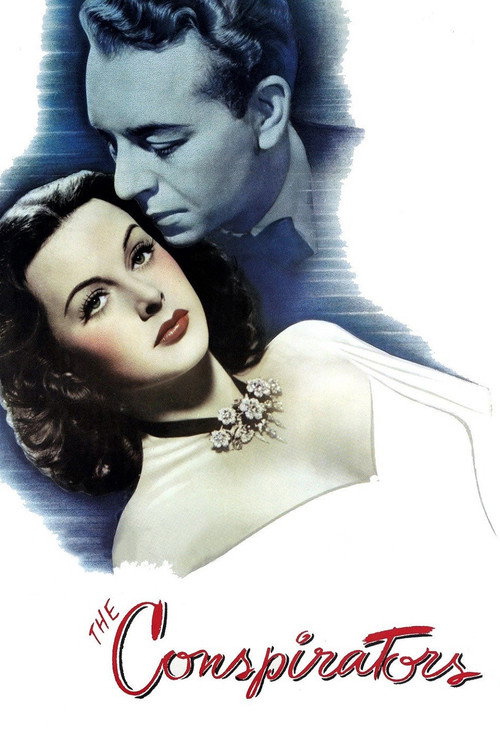
The Conspirators1944
Both are structures about political betrayal where the protagonist's fate is sealed by people he trusted. The shape of the tragedy is identical; only the setting changes.
A wartime spy thriller that borrows the architecture of Julius Caesar wholesale—plots within plots, the man who wants to do good corrupted by the men around him, rhetoric used as a weapon. It's the same emotional engine in a tuxedo.
But It's a B-movie thriller, unevenly acted and creaky in parts. The dialogue is functional rather than elevated, and the production values show its budget.
More like this (6)
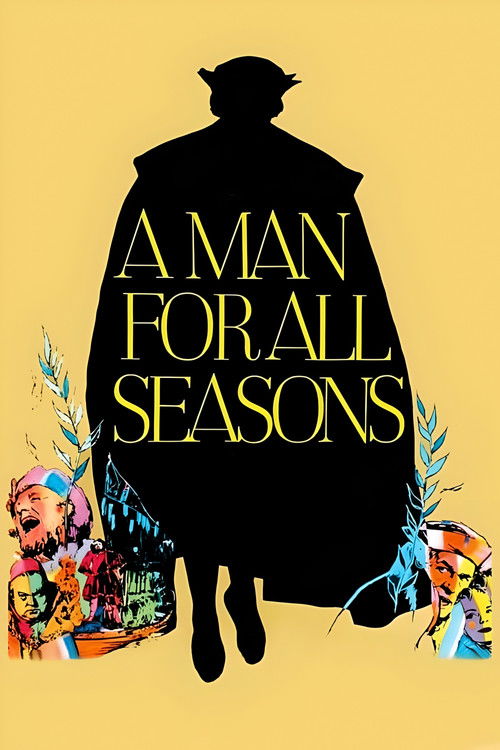
A Man for All Seasons1966
Fred Zinnemann's adaptation of Robert Bolt's play about Thomas More and political conscience. It has the weight and the performances—Paul Scofield is extraordinary—and it's genuinely about the cost of principle.
But The staginess remains visible. Some find it reverent to the point of stiffness, and it moves at a deliberate pace that isn't for everyone.
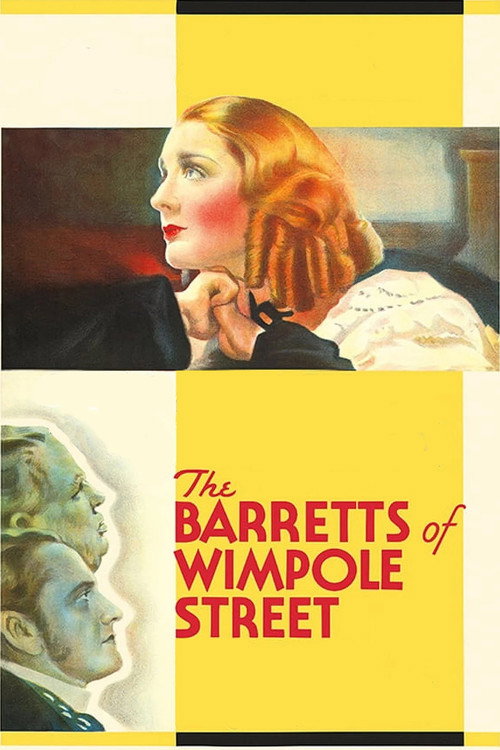
The Barretts of Wimpole Street1934
An earlier Mankiewicz-adjacent piece showing how to stage intimate drama with real actors. Norma Shearer and Fredric March in a love story that's also about control and freedom. Beautifully acted.
But It's a period romance about poets, which is a niche that excludes a lot of people. Also genuinely dated in its attitudes toward female ambition.
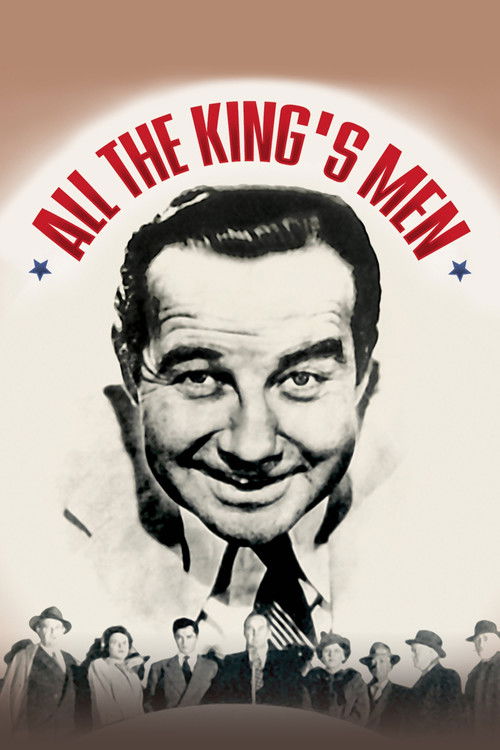
All the King's Men1949
Broderick Crawford as a would-be populist who becomes a tyrant. It's an American tragedy cut from the same cloth as Julius Caesar—the corruption of power from inside, with people who love the man enabling the monster.
But It's a political film from 1949, and the dialogue can feel leaden. Melodrama in suits, which won't appeal if you need subtlety over statement.
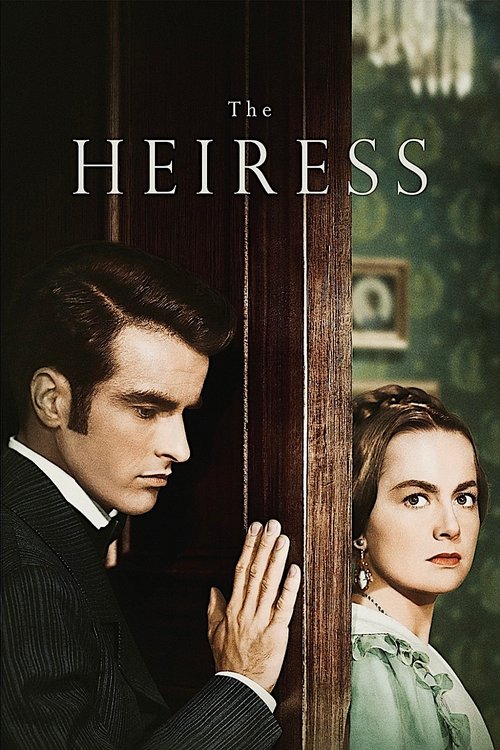
The Heiress1949
William Wyler directing Olivia de Havilland in a Henry James adaptation that's essentially a study of betrayal and emotional revenge. It has the moral complexity and the powerhouse performance that makes Shakespeare sing.
But It's a drawing-room drama about romantic rejection. If you need action or lighter material, this is relentlessly interior and unhappy.
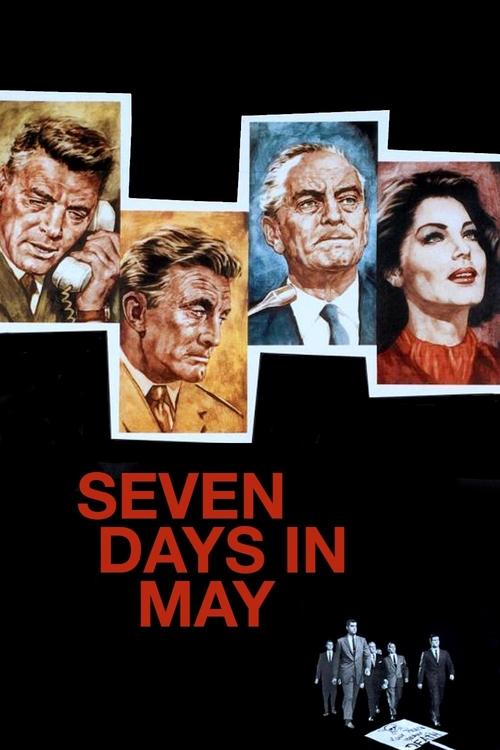
Seven Days in May1964
Both use classical structures—conspiracy narratives with predetermined outcomes—to explore whether good men can prevent catastrophe, or whether their goodness is precisely what enables it.
A political thriller about a military coup told with absolute seriousness and real craft. It understands that ambition, ideology, and personal loyalty create catastrophe when they collide. Kirk Douglas as a man caught between conscience and orders.
But It's shot in cold black-and-white and plays everything straight. There's no relief, and if you want entertainment rather than examination, it will feel austere.
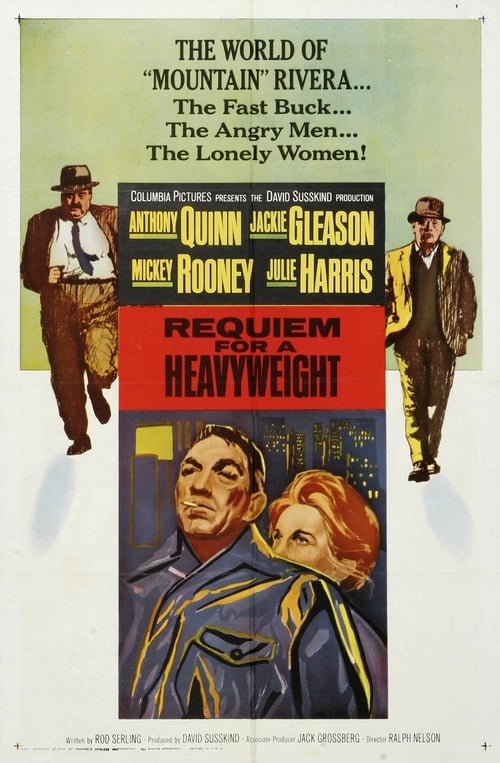
Requiem for a Heavyweight1962
Like Caesar, it's about a man of power and reputation undone partly by his own nature and partly by people around him who believe they're serving him while serving themselves. The tone is elegiac rather than tragic, but the shape is the same.
Rod Serling's television play adapted for film: a aging boxer and the men who use and discard him. It's about the machinery that chews up individual human beings and the complicity of people who think they're being kind. Devastating.
But It's a character study with almost no plot momentum. The boxing scenes are perfunctory. If you need forward motion and triumph, this offers only the slow degradation of dignity.
People
Cast
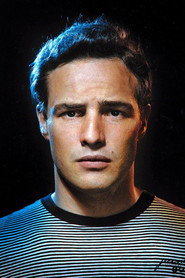 Marlon BrandoMark Antony
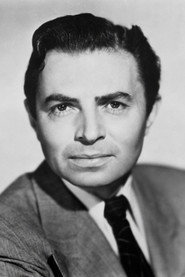 James MasonBrutus
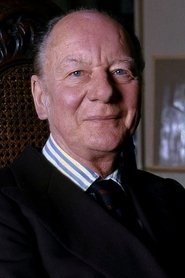 John GielgudCassius
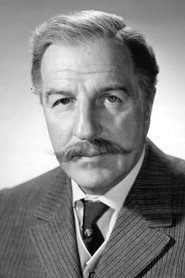 Louis CalhernJulius Caesar
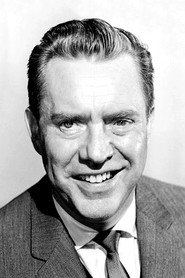 Edmond O'BrienCasca
 Greer GarsonCalpurnia
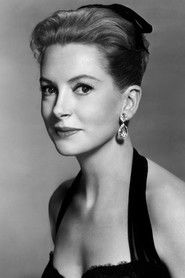 Deborah KerrPortia
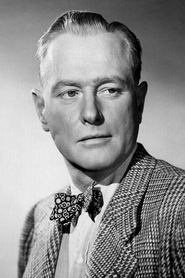 George MacreadyMarullus
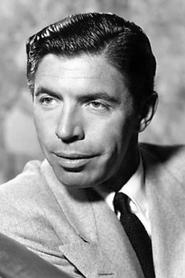 Michael PateFlavius
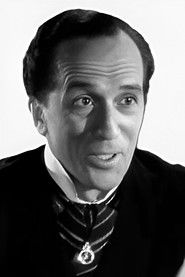 Richard HaleA Soothsayer
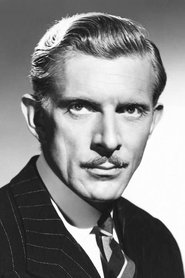 Alan NapierCicero
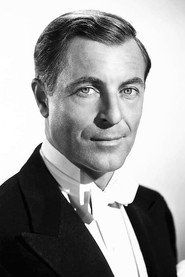 John HoytDecius Brutus
Directing
- Howard W. KochAssistant Director
- Joseph L. MankiewiczDirector
- Irene IvesScript Supervisor
- Al WestenSecond Assistant Director
- Alfred RabochThird Assistant Director
Writing
- Joseph L. MankiewiczScreenplay
- William ShakespeareTheatre Play
Production
- Jud KinbergAssociate Producer
- Mel BallerinoCasting Director
- John HousemanProducer
- Al ShenbergUnit Manager