
Film
Seven Days in May
John Frankenheimer's Cold War nail-biter has a Marine general plotting to remove a president he considers dangerously soft on the Soviets, and the one colonel who figures it out racing to stop him. It's a talky, tense procedural of memos, alibis and closed-door threats rather than shootouts — for anyone who finds the mechanics of a coup scarier than the spectacle of one.
If you liked this
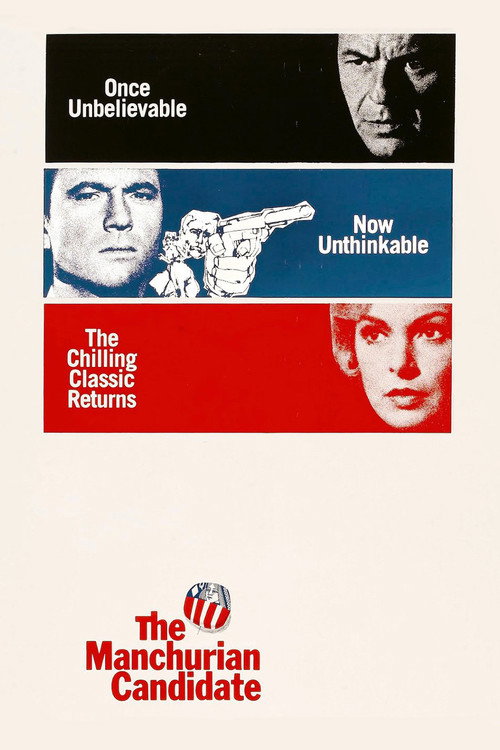
The Manchurian Candidate1962
Frankenheimer's other great paranoia machine, made two years earlier, with the same nervy black-and-white dread and distrust of institutions in crisis. Sinatra and Harvey are extraordinary.
But The brainwashing plot is stranger and more surreal than Seven Days' grounded realism — different flavour of paranoia entirely.
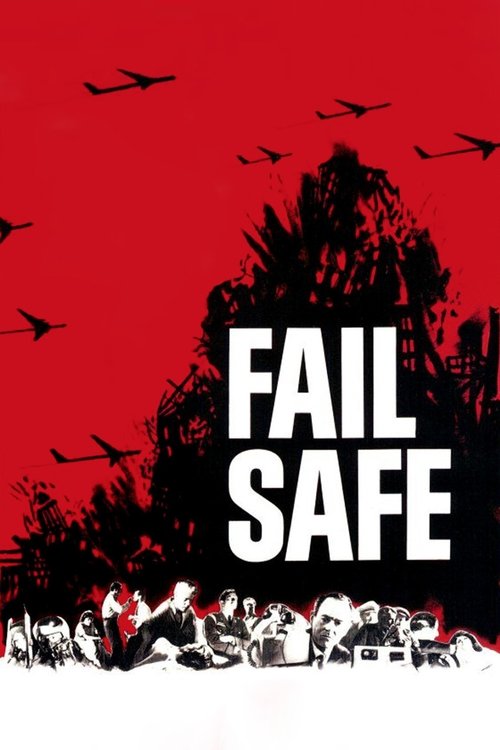
Fail Safe1964
Released the same year, this one imagines the machinery failing rather than being sabotaged — a nuclear strike triggered by malfunction, not malice. Just as claustrophobic, just as bleak.
But No villain to root against, just system failure — colder and more despairing than Seven Days' human confrontation.
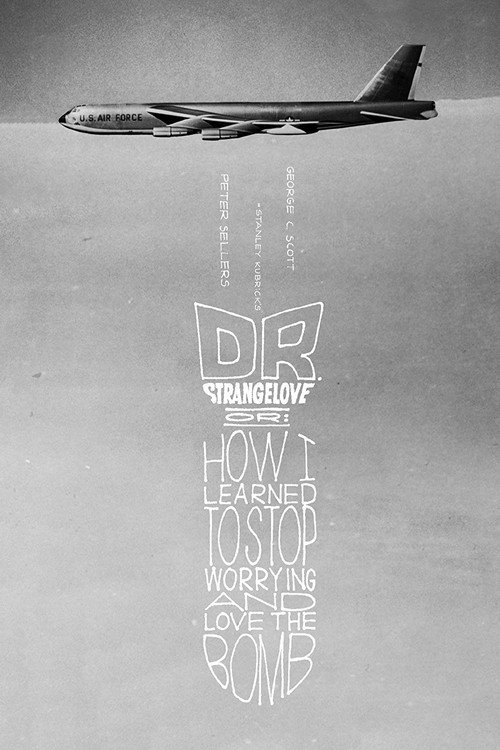
Dr. Strangelove or: How I Learned to Stop Worrying and Love the Bomb1964
The same year's nuclear anxieties turned inside out into pitch-black farce. Kubrick took the exact fears Frankenheimer plays straight and made them screamingly, terrifyingly funny.
But If you want the sober version, the comedy might feel like it's undercutting stakes you'd rather sit with.
The wildcard
Something you would not have found on your own.
Gabriel Over the White House1933no page yet
Made thirty years before Seven Days in May, it asks the same terrifying question from the opposite angle: what if seizing power for the greater good felt righteous rather than treasonous? Same fear, opposite verdict.
A pre-Code oddity where a corrupt president has a divine (or possibly mad) awakening and becomes a benevolent dictator to fix America by force. Genuinely startling to watch now.
But Creaky early-sound filmmaking and an uncomfortable earnestness about strongman rule that plays very differently today.
More like this (8)
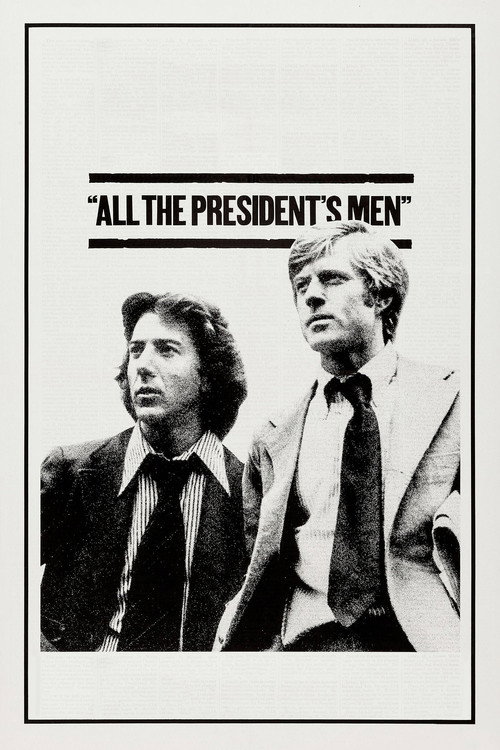
All the President's Men1976
Swaps generals for journalists but keeps the slow-burn dread of powerful men caught mid-conspiracy, told through phone calls and paper trails rather than gunfire.
But Real events rather than speculative fiction — the tension is procedural, not the ticking-clock kind Seven Days delivers.
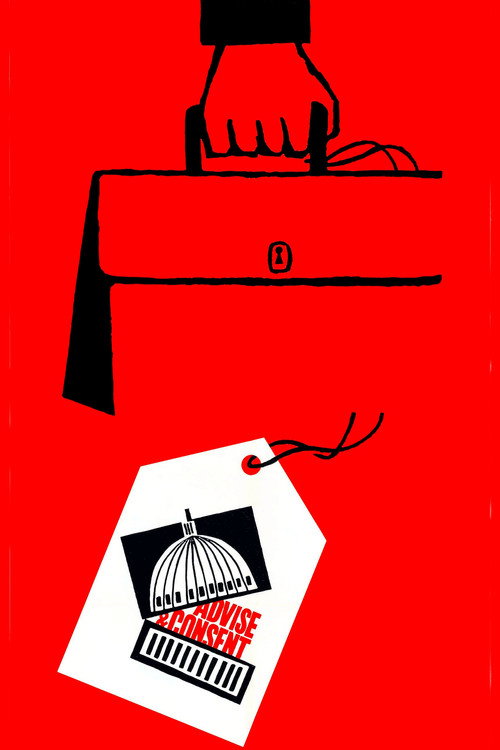
Advise & Consent1962
Another Washington machine grinding under pressure, this time a Senate confirmation battle exposing blackmail and buried secrets. Same appetite for backroom power plays.
But Slower and more theatrical, with less physical danger — this is about reputations, not a country's survival.
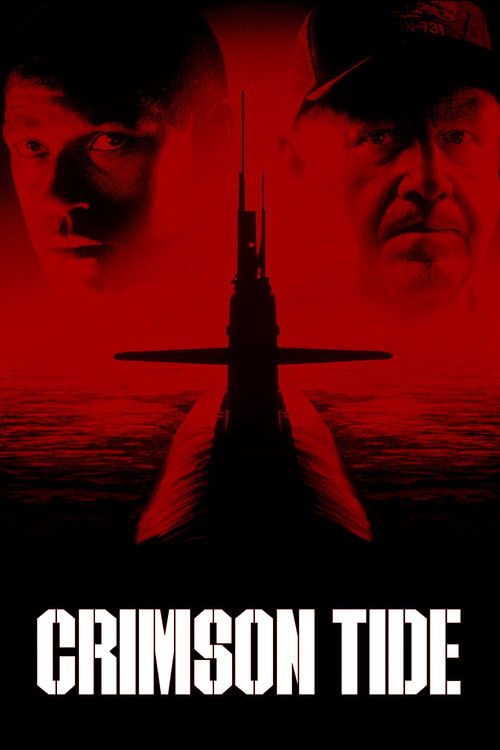
Crimson Tide1995
A submarine captain and his XO clash over whether to launch nuclear missiles — command insubordination played out in real time, sweaty and claustrophobic.
But Trades political scheming for a two-man standoff — much narrower focus, more testosterone, less conspiracy.
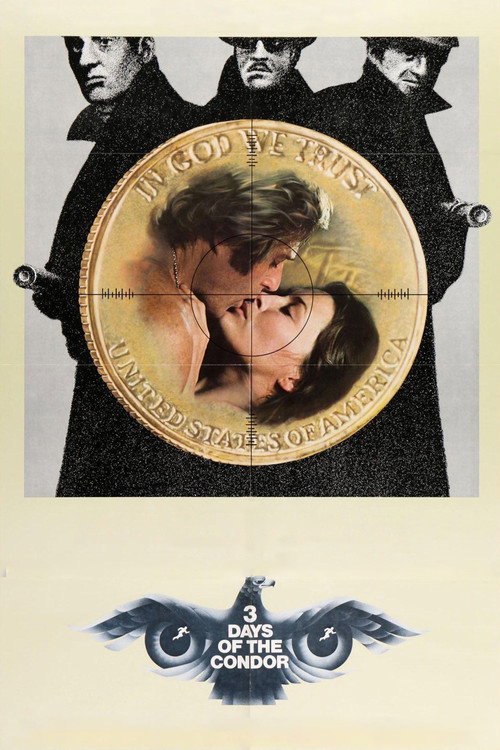
Three Days of the Condor1975
Seventies paranoia at its most stylish — a CIA analyst discovers something he shouldn't and spends the runtime figuring out who he can trust. Redford at his most rumpled and scared.
But More espionage thriller than political drama — less about institutions, more about one man on the run.
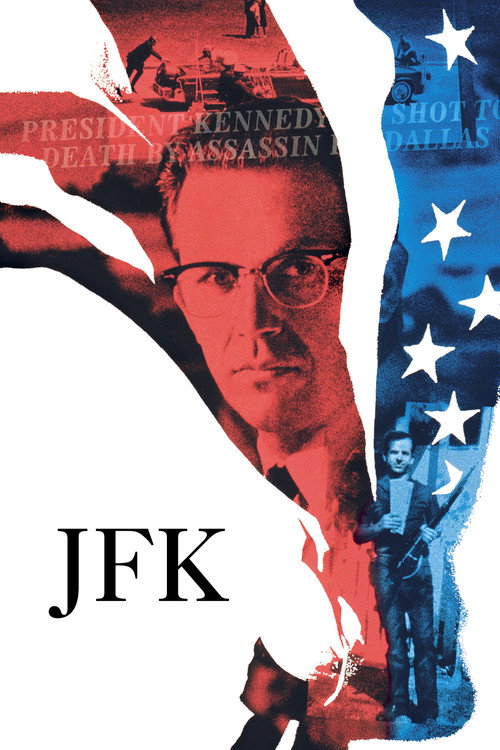
JFK1991
Oliver Stone's sprawling, furious conspiracy epic asks who really runs the country, chasing the same suspicion that the visible government isn't the whole story.
But Three hours of dense, speculative argument — exhausting and polarising in a way Seven Days' tighter thriller never is.
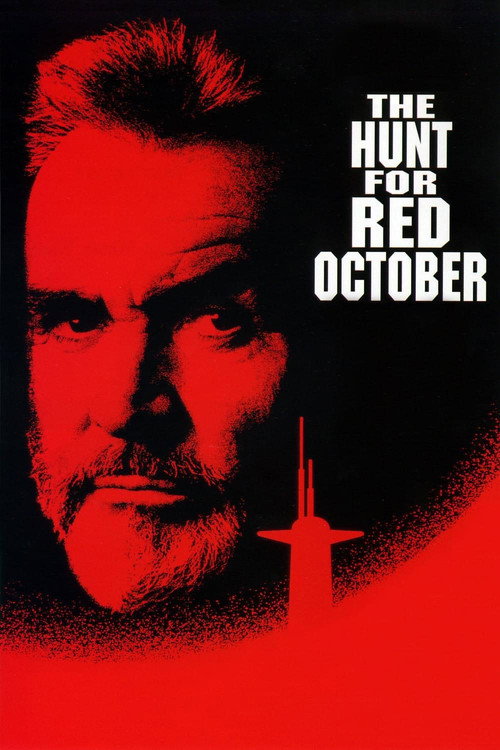
The Hunt for Red October1990
Cold War tension, a chain of command under strain, and men making unauthorized decisions they believe will save the world. Terrific submarine cat-and-mouse.
But Genuinely more of an adventure thriller than a political drama — the ideological stakes are lower, the fun is higher.
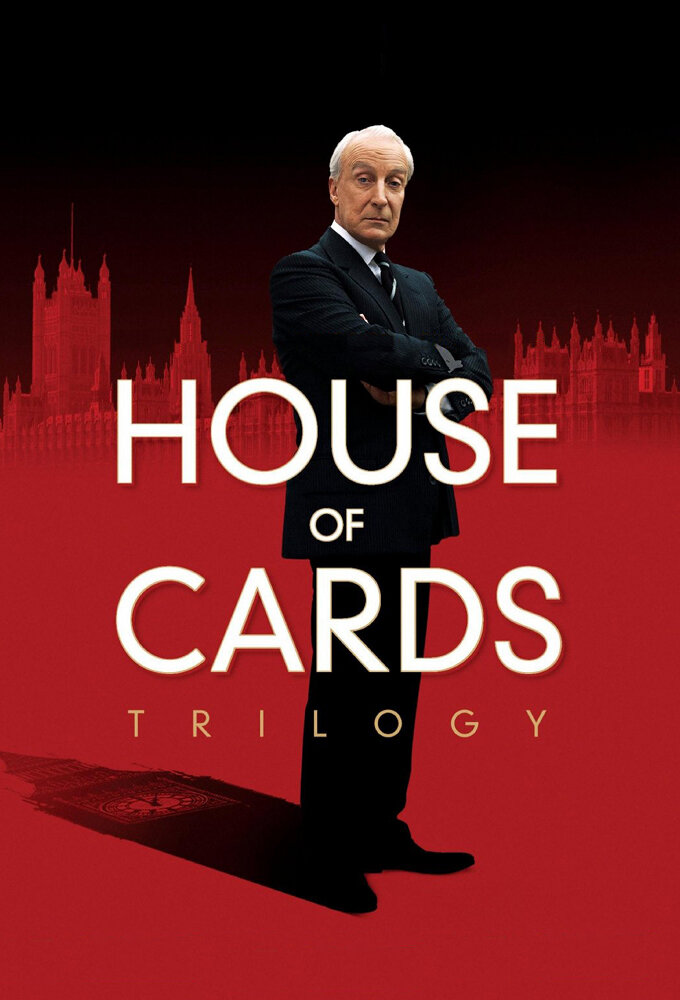
House of Cards1990
Same genre of institutional betrayal, but told in miniseries form with a villain who invites you into the conspiracy instead of one you're racing to stop — a formal inversion of Seven Days' outside-in structure.
The original BBC miniseries, four tight episodes of a Tory whip's Machiavellian climb to power, narrated straight to camera with wicked, chilling charm.
But British parliamentary intrigue rather than American military hierarchy — the coup here is personal ambition, not ideology.
The Package1989no page yet
Almost the same story — military conspiracy against a disarmament deal — but restaged as late-'80s action cinema, proving the plot works as thriller mechanics as easily as it works as sober drama.
Gene Hackman uncovers a plot to assassinate a general and derail a US-Soviet disarmament treaty — essentially Seven Days in May's plot, souped up into a punchy action thriller.
But Broader, pulpier, with chases and shootouts where Frankenheimer's film has meetings and silences — same skeleton, trashier muscle.
People
Cast
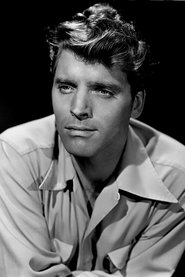 Burt LancasterGen. James Mattoon Scott
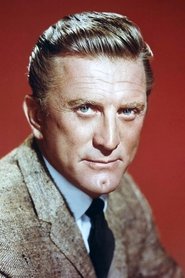 Kirk DouglasCol. Martin "Jiggs" Casey
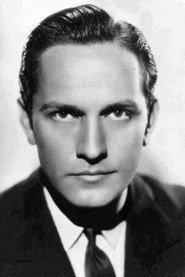 Fredric MarchPresident Jordan Lyman
 Ava GardnerEleanor Holbrook
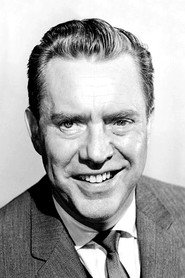 Edmond O'BrienSen. Raymond Clark
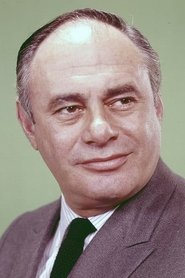 Martin BalsamPaul Girard
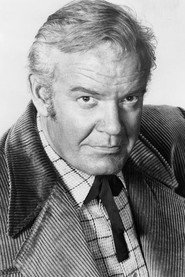 Andrew DugganCol. William "Mutt" Henderson
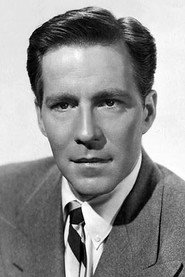 Hugh MarloweHarold McPherson
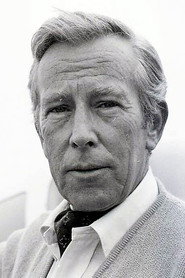 Whit BissellSen. Frederick Prentice
 Helen KleebEsther Townsend
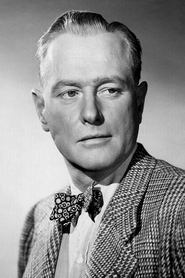 George MacreadyChristopher Todd
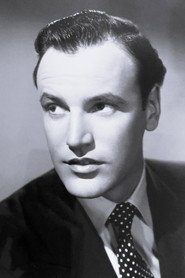 Richard AndersonCol. Murdock
Directing
- Dale HutchinsonAssistant Director
- Hal W. PolaireAssistant Director
- Robert J. AndersonAssistant Director
- John FrankenheimerDirector
- John FrancoScript Supervisor
Writing
- Charles W. Bailey IINovel
- Fletcher KnebelNovel
- Rod SerlingScreenplay
Production
- John FrankenheimerCo-Executive Producer
- Kirk DouglasCo-Executive Producer
- Patrick J. PalmerLocation Manager
- Edward LewisProducer
- Hal W. PolaireProduction Manager
- Maggie SmithProduction Secretary