
Film
The Bomb
A visually stunning documentary tracing the atomic bomb from theoretical physics through development, deployment, and Cold War brinkmanship. Using declassified footage and testimony from scientists and officials, it examines how one invention reshaped global power, geopolitics, and human consciousness. Essential viewing for understanding the modern world.
Should you watch it?
Watch it if you want a clear-eyed, archival history of the atomic age told through restored footage and the memories of the people who built the weapon, rather than a dramatised thriller.
Skip it if you came for narrative tension or a human story with a single protagonist; this is a broad survey that moves steadily through policy, testing and consequence without lingering on any one life.
What it asks of you: Settle in for a little under two hours of mostly sober voiceover over old images, with the pace set by the archive rather than by any cliffhanger or score-driven swell.
Not sure? Find tonight's pick in a minute.
If you liked this
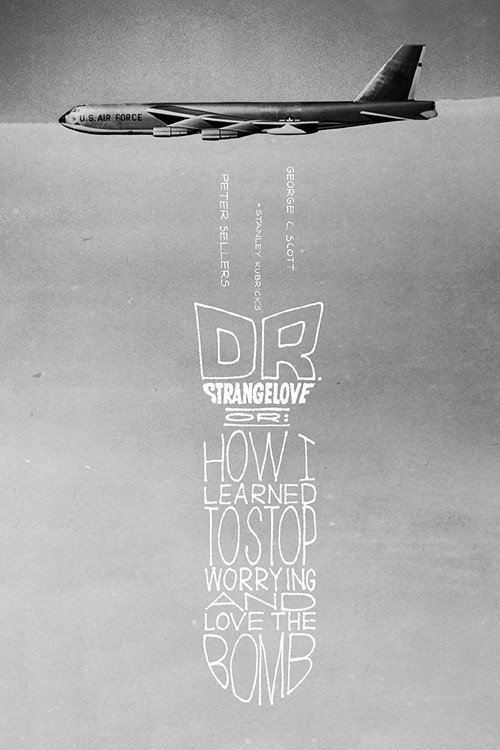
Dr. Strangelove or: How I Learned to Stop Worrying and Love the Bomb1964
Kubrick's savage satire of nuclear anxiety cuts deeper than any earnest documentary. It captures the absurd logic of mutually assured destruction and the men who rationalize the unthinkable with perfect bureaucratic calm.
But It's pitch-black comedy about nuclear holocaust, and the deliberately artificial staging feels dated if you're not attuned to Kubrick's style.
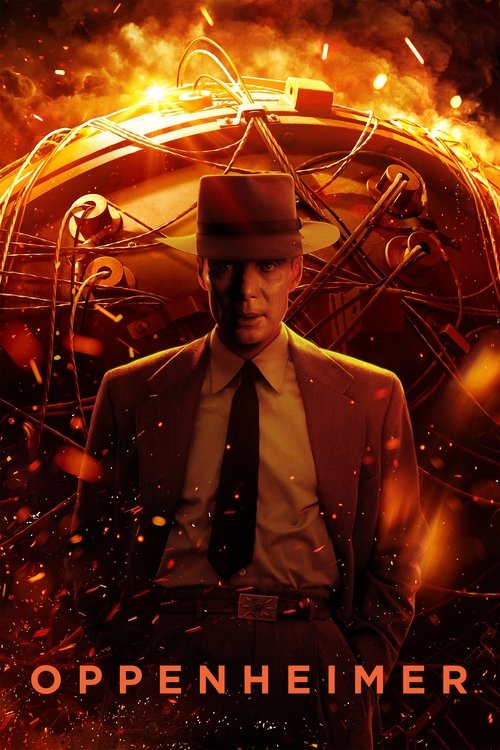
Oppenheimer2023
Nolan's three-hour epic follows the man who led the Manhattan Project in visceral detail, grappling with the moral weight of what he created. Matches The Bomb's seriousness and scope while centering the human reckoning.
But Long, deliberately paced, and emotionally heavy. The non-linear structure can feel overwrought if you're just after a straightforward account.
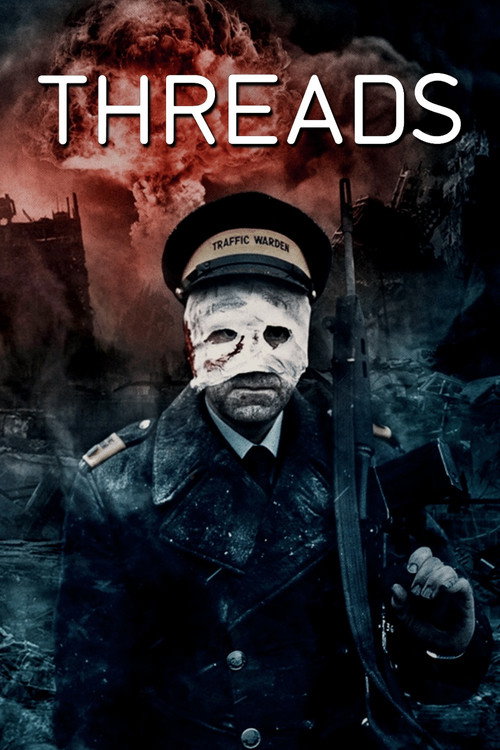
Threads1984
A British nuclear war film of stunning bleakness. Follows ordinary people through the immediate aftermath of thermonuclear exchange—the opposite of political distance. Visceral and unforgettable in ways documentaries cannot be.
But Genuinely bleak and difficult to watch. Not cathartic, not reassuring, genuinely traumatic. Some viewers find it punishing rather than illuminating.
Not sure tonight? Get a pick in a minute, starting from The Bomb
The wildcard
Something you would not have found on your own.
Ikiru1952
Both examine existence in a world shadowed by the possibility of sudden annihilation. The Bomb traces how we built it; Ikiru asks what it means to live meaningfully anyway.
Kurosawa's masterpiece follows a dying bureaucrat finding meaning in his final days by building a playground. Released as the atomic age began, it's a meditation on human worth and legacy in the face of mortality—what stays after we're gone. The bomb hangs invisibly overhead.
But It's subtle, slow, and entirely focused on emotional and spiritual terrain. There's no plot in the conventional sense, and Japanese cinema of this era requires patience.

More like this (7)
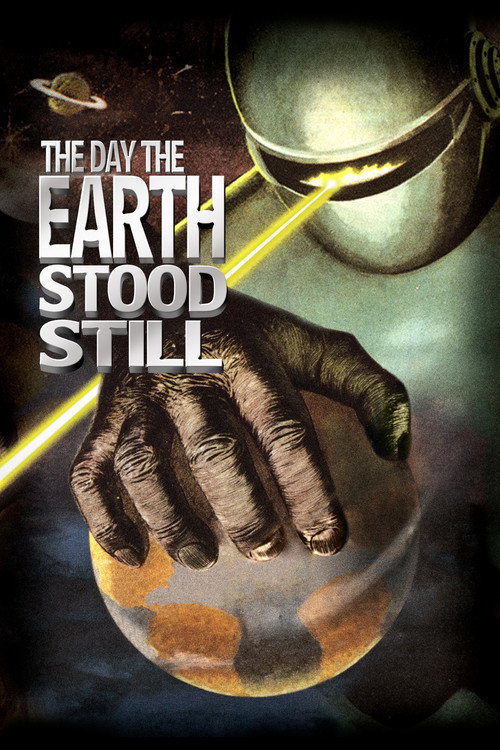
The Day the Earth Stood Still1951
Essential Cold War anxiety artifact. An alien arrives with a robot enforcer to warn humanity about nuclear weapons. The fears embedded in its plot feel urgent and strange in retrospect—a cultural snapshot of atomic-age dread.
But The pacing is deliberate and the dialogue expository. It's a historical curiosity as much as entertainment.
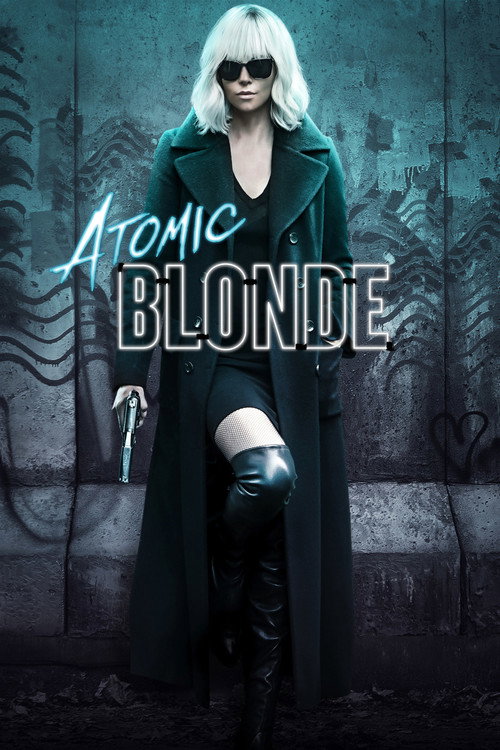
Atomic Blonde2017
A spy thriller set during the fall of the Berlin Wall, it captures the intelligence game's final chapter when the bomb's shadow was everywhere. Charlize Theron is magnificent, and the 80s pop soundtrack keeps it kinetic and fun.
But It's a genre thriller, not a serious examination. If you want geopolitical depth, this trades it for style and spectacle.
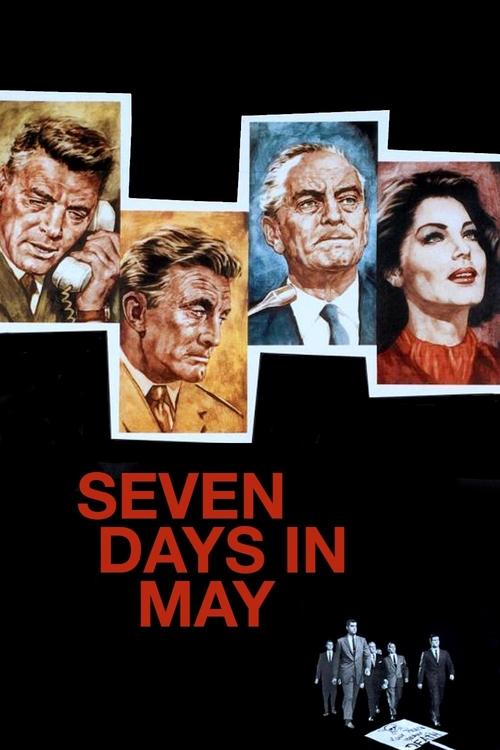
Seven Days in May1964
A taut political thriller about a potential military coup to prevent the president from signing a disarmament treaty. Captures the tension between hawks and doves, the Cold War's ideological fractures, and institutional paranoia.
But Feels like a product of its moment; the scenario now seems implausible, which dulls the urgency for modern viewers.
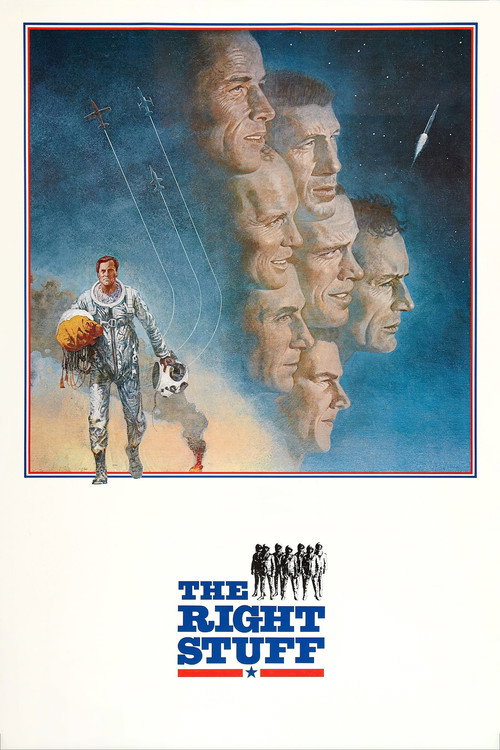
The Right Stuff1983
Kaufman's epic chronicles the space race as the technological frontier where America reasserted dominance after Sputnik. The bomb lurks throughout—a reminder that every achievement in this era served nuclear ambition.
But Three-and-a-half hours long and episodic. It sprawls, and if you're not invested in the astronauts themselves, it can feel indulgent.
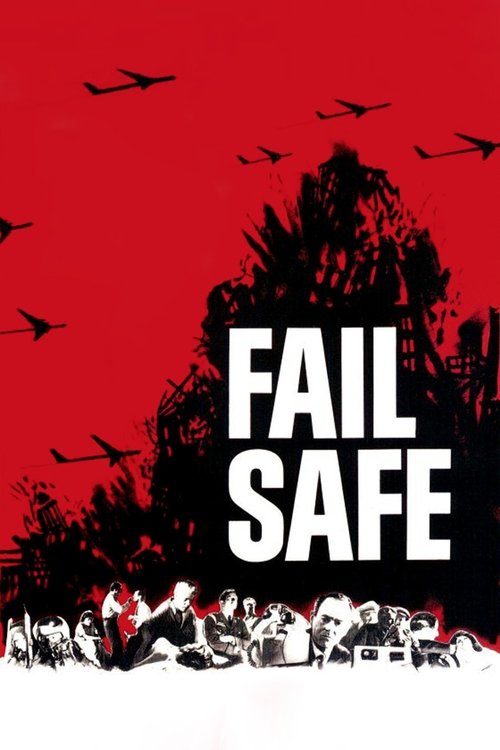
Fail Safe1964
A tense thriller about a mechanical malfunction that sends bombers toward Moscow with no way to stop them. Unlike Dr. Strangelove, this plays it straight—the horror lies in rational people managing an irrational catastrophe.
But The black-and-white presentation and deliberate pace feel distant. It's procedural where you might want drama or viscera.
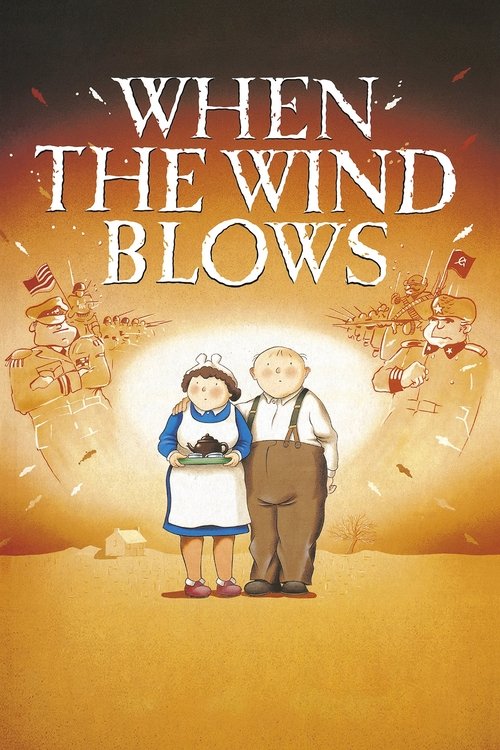
When the Wind Blows1986
The Bomb is told from above—policy, physics, strategy. When the Wind Blows shows what nuclear war means to the people living at ground level, trusting their government to protect them. Complementary perspectives on the same terror.
A British animated feature about an elderly couple following government pamphlets to survive nuclear war. Deceptively gentle in style, it builds to devastating tragedy—the animation makes the horror more intimate, not less. A masterwork of tonal control.
But It's animated, which some dismiss as lightweight, and the ending is emotionally catastrophic in ways that linger painfully. Not cathartic or neat.
Come and See1985
The Bomb enabled the Cold War's standoff; Come and See reminds us what actual war—the thing the bomb threatened to become—does to human beings. It's the ground-level reality The Bomb's strategic distance never shows.
A Soviet war film of apocalyptic brutality following a teenage partisan through the Nazi invasion of Belarus. Sensory overload—mud, gunfire, madness. It uses the registers of war cinema to convey the annihilation the bomb threatens as abstract policy. You need to see this once.
But Genuinely difficult to watch. Graphic violence, relentless despair, and a vision of human cruelty that will stay with you. Not edifying, only clarifying.

People
Cast
 Jonathan AdamsNarrator
- Alan B. CarrSelf
Directing
- Rushmore DeNooyerDirector
Writing
- Rushmore DeNooyerWriter
Production
- Lisa Goodfellow BoweAssociate Producer
- Kirk WolfingerProducer
- Rushmore DeNooyerProducer
- Britt KnowltonProduction Manager