
Film
The Beginning or the End
- Very dark
MGM's 1947 docudrama chronicles the Manhattan Project and atomic bombing of Hiroshima, blending archival footage with dramatized scenes of scientists and military brass. It's earnest, conflicted, and visibly wrestling with what it has just witnessed. For anyone interested in how cinema immediately processed nuclear anxiety, or the birth of the atomic age itself.
Should you watch it?
Watch it if you are drawn to old-fashioned, earnest studio history that treats the Manhattan Project like a procedural, with a stiff, sincere tone and a lot of talk about the science and the stakes.
Skip it if you want the Manhattan Project with restraint or modern complexity; this 1947 film is didactic, its romance subplot is thin, and its patriotic earnestness can feel dated.
What it asks of you: Roughly two hours of patient, talky scenes with a documentary-style narrator and a steady pace, so you need to be willing to sit through lectures and committee-room exposition.
Not sure? Find tonight's pick in a minute.
If you liked this
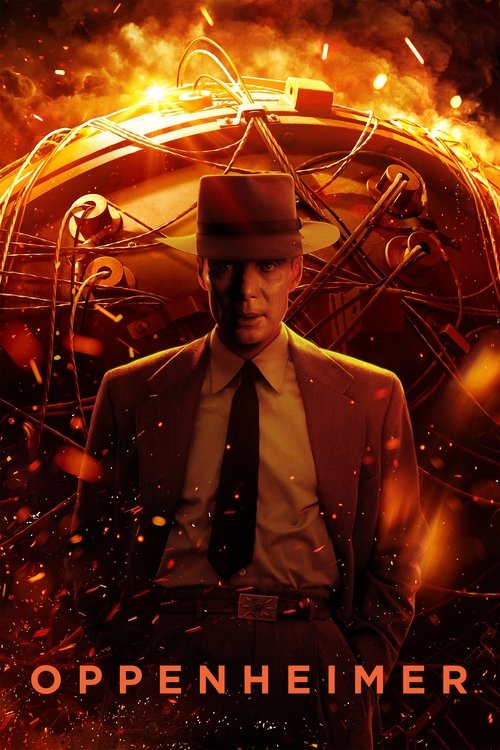
Oppenheimer2023
Christopher Nolan's three-hour epic expands what The Beginning or the End touches—the full intellectual, moral, and political machinery behind the bomb. Cillian Murphy's performance is mesmerizing, and the sound design will reset your nervous system.
But It's very long, very loud, and sometimes more interested in male ambition than the weight of what was built. The non-linear structure can feel like showing off.
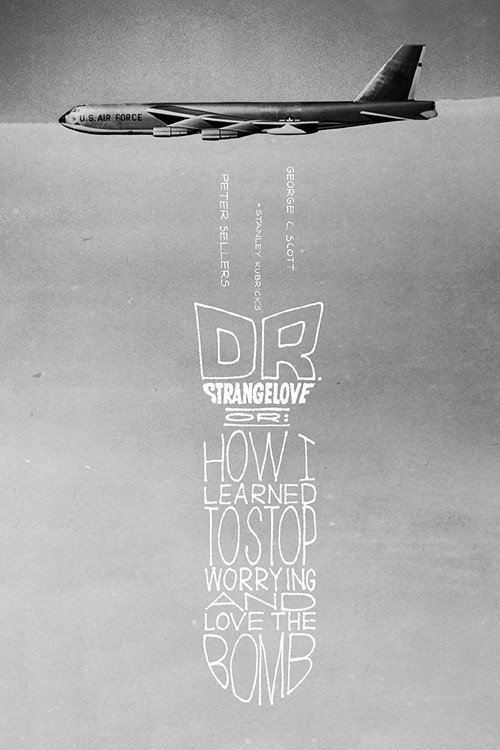
Dr. Strangelove or: How I Learned to Stop Worrying and Love the Bomb1964
Kubrick's savage comedy takes the nuclear anxiety that The Beginning or the End expresses as sincere dread and lets it detonate into farce. It's the other side of the same conversation: dark, brilliant, unforgettable.
But The satire is so bleak it can feel like nihilism. If you want earnestness, this will frustrate you. It's also a very male film.
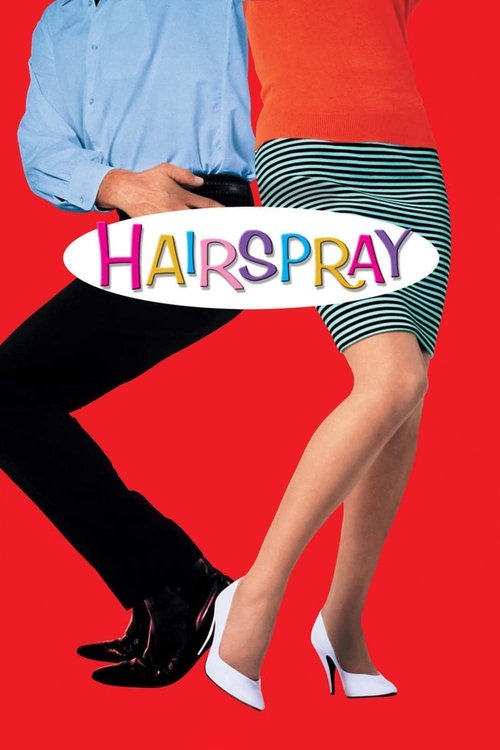
Hairspray1988
John Waters' joyous musical about integration in 1960s Baltimore has zero to do with atomic bombs, but everything to do with the era The Beginning or the End documents. It's a corrective: same decade, wildly different emotional register.
But Waters' sensibility is weird and deliberately tactless. It's campy, it's silly, it asks you to find joy in transgressiveness. That's not everyone's speed.
Not sure tonight? Get a pick in a minute, starting from The Beginning or the End
The wildcard
Something you would not have found on your own.
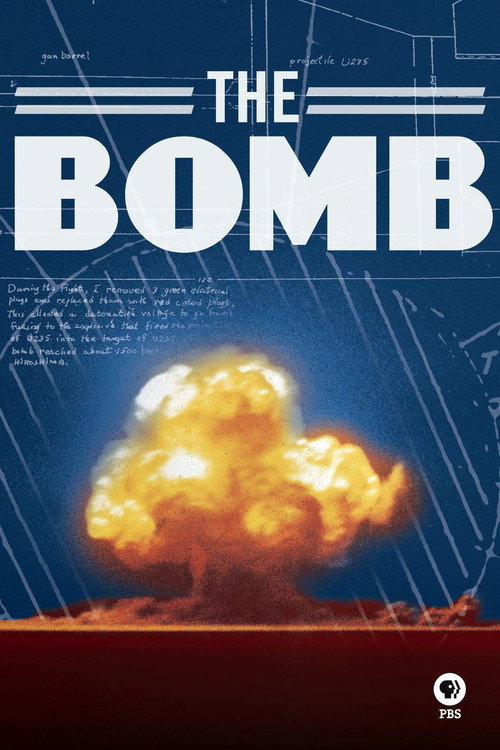
The Bomb2015
Both are attempts to make sense of nuclear weapons through cinema immediately (or close to it), but one uses the machinery of Hollywood drama and the other abandons all narrative. They're two languages trying to speak the same unspeakable thing.
A visual essay that sequences declassified atomic test footage into something like a symphony. No narration—just sound design, editing rhythm, and the footage itself. It's pure cinema, meditative and hypnotic, and it processes the atomic age through rhythm instead of drama.
But If you need narrative or explanation, this will feel like an incomplete documentary. Some viewers find purely visual/musical cinema frustrating. It demands patience and surrender.
More like this (7)
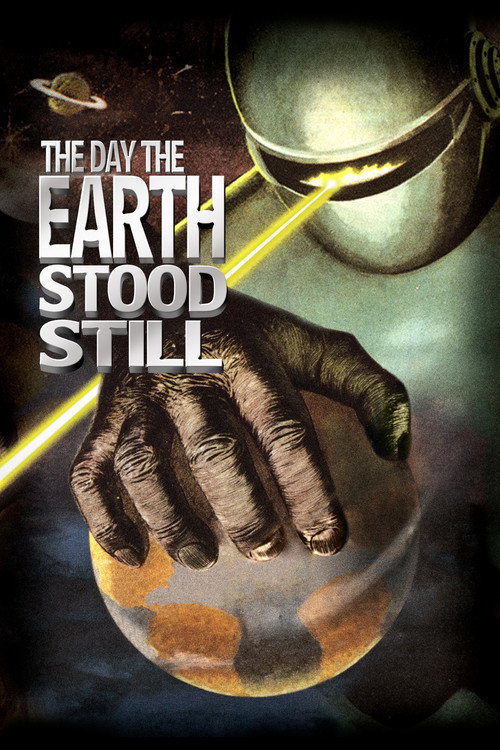
The Day the Earth Stood Still1951
Made just after The Beginning or the End, this science-fiction masterpiece channels similar atomic-age anxiety through extraterrestrial diplomacy. It's cerebral, haunting, and proves the era's fears were genuine and articulate.
But The pacing is deliberate to the point of slow. Michael Rennie's performance, though excellent, won't thrill anyone who needs action to stay engaged.
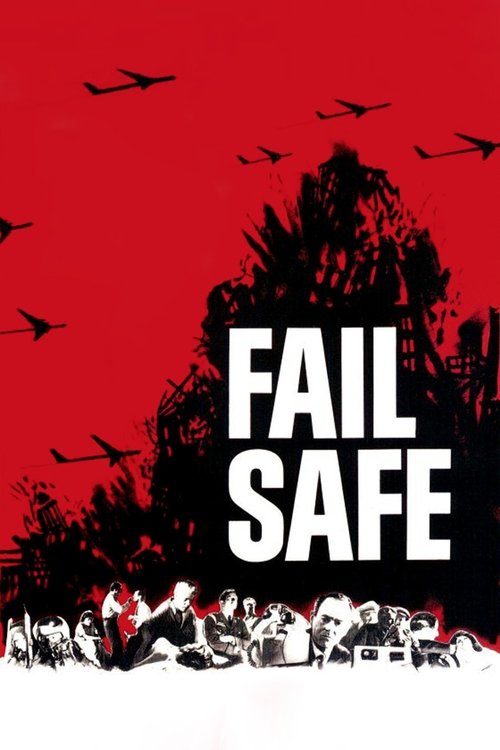
Fail Safe1964
Sidney Lumet's procedural thriller imagines the chain of decisions that could end civilization. It's methodical, terrifying, and carries the same weight The Beginning or the End tried to convey, but with narrative suspense.
But It's bleak in a way that doesn't resolve. No catharsis. If you watch it late at night you'll need to sit with dread for a while.
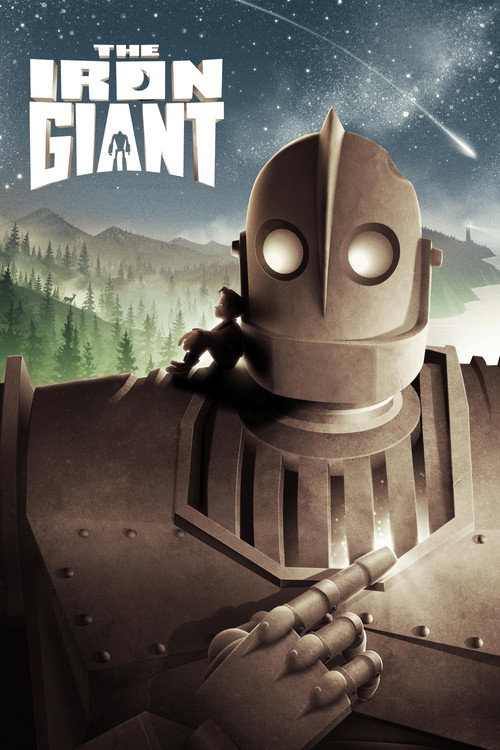
The Iron Giant1999
Brad Bird's animated parable about the Cold War and a boy who befriends a robot is deceptively profound. It's warm where The Beginning or the End is austere, but it inherits and reframes the same moral questions.
But It's a children's film, which some adults find patronizing even when it's subtle. The animation style won't appeal to everyone.
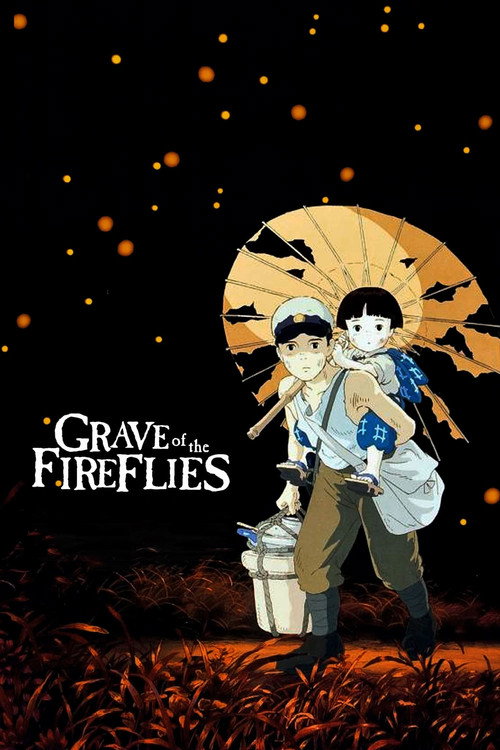
Grave of the Fireflies1988
Isao Takahata's animated masterpiece depicts the firebombing of Japan and its aftermath. It's what The Beginning or the End doesn't show: the actual consequences, seen from the other side, rendered with devastating intimacy.
But It is extremely sad. Not melodramatic—worse. Real. You will spend the final twenty minutes in tears if you have a heart.
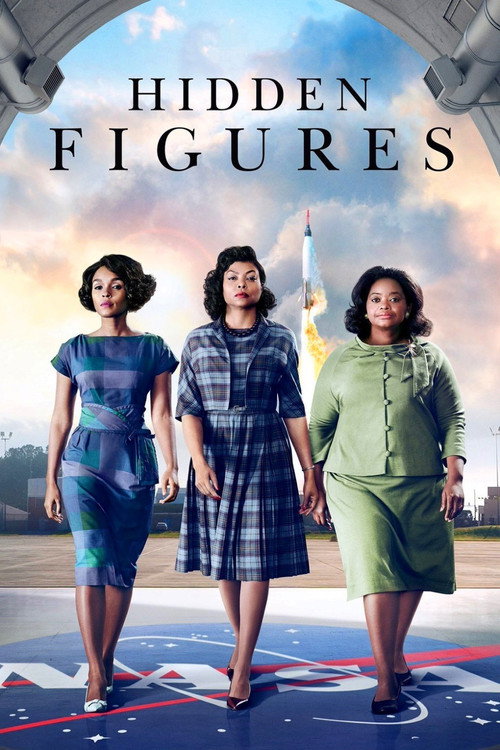
Hidden Figures2016
Like The Beginning or the End, it's a narrative drama about the people behind a Cold War scientific achievement. It's rounder, more humane, and corrects the original's blind spots about who did the actual work.
But It softens its own edges. Some real structural racism gets smoothed into triumph-narrative shapes. Inspirational storytelling can feel dishonest about history.
Hiroshima Mon Amour1959
The Beginning or the End wants to document and explain the atomic bomb. Hiroshima Mon Amour asks what happens to human beings who try to live after it. One is rational; the other is almost irrational in its commitment to feeling.
Alain Resnais and Marguerite Duras craft a dreamlike meditation on memory, trauma, and the possibility of love after annihilation. A French actress and a Japanese architect meet in post-war Hiroshima; what unfolds is modernist, sensual, and profoundly strange.
But It's a 1959 French New Wave film about trauma and romance, told in fragmented time with voiceover. If you want clarity or conventional narrative, you will be frustrated by design.
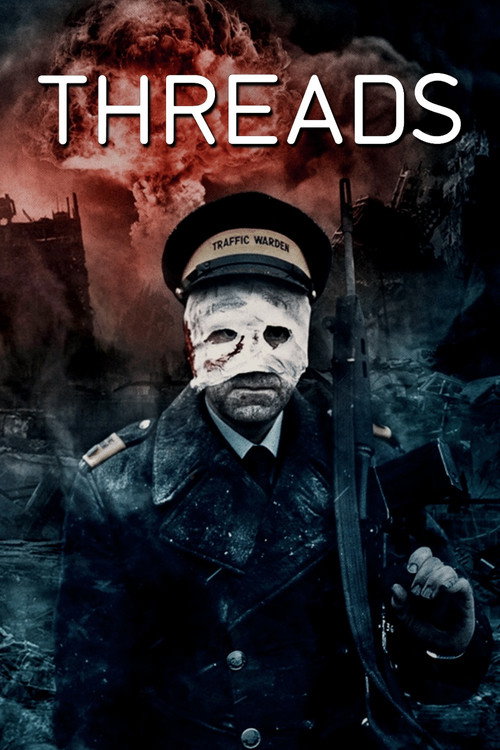
Threads1984
Where The Beginning or the End documents the weapon's creation as a kind of achievement, Threads imagines its deployment as a slow-motion apocalypse. Same bomb, opposite metaphysics. One is made by the architects of the weapon; the other is made by people who watched it from across an ocean.
A BBC docudrama depicting nuclear war's first day in Sheffield, England, and what follows. Grittier than anything else on this list, it refuses to look away from the actual physics and human cost. Absolutely harrowing.
But This is not entertainment. It's a bleak, methodical destruction sequence that ends in ash. Made to terrify, and it works. Some people cannot recover from it; that's not hyperbole.
People
Cast
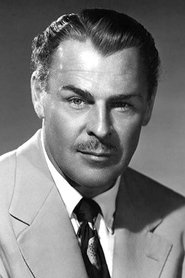 Brian DonlevyMaj. Gen. Leslie R. Groves
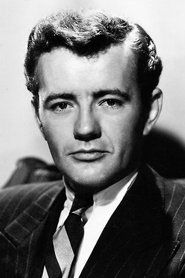 Robert WalkerCol. Jeff Nixon
 Tom DrakeMatt Cochran
 Beverly TylerAnne Cochran
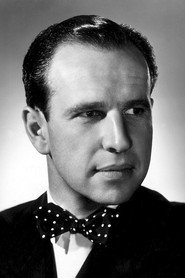 Hume CronynDr. J. Robert Oppenheimer
 Audrey TotterJean O'Leary
 Hurd HatfieldDr. John Wyatt
 Joseph CalleiaDr. Enrico Fermi
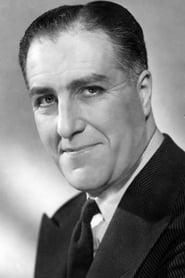 Godfrey TearlePresident Franklin D. Roosevelt
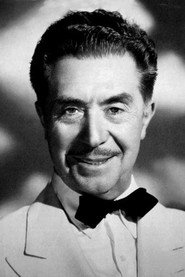 Victor FrancenDr. Marre
 Richard HaydnDr. Chisholm
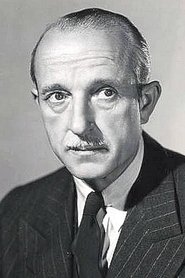 Jonathan HaleDr. Vannevar Bush
Directing
- Frank E. MyersAssistant Director
- Stanley GoldsmithAssistant Director
- Norman TaurogDirector
Writing
- Bob ConsidineStory
- Frank WeadWriter
Production
- Samuel MarxProducer