
Film
The Night the World Exploded
A 1957 B-movie about a scientist and his assistant racing to prevent earthquakes caused by a radioactive element deep underground. It's earnest, economical, and moving at speed—zippy dialogue, real stakes even when the effects don't quite land. For anyone who loves the particular charm of atomic-age sci-fi made on a shoestring, or who enjoys watching filmmakers solve problems with invention rather than budget.
Should you watch it?
Watch it if you love lean, earnest fifties science fiction where a lone scientist's warning goes ignored, and the paranoia escalates on a shoestring with a clock ticking down.
Skip it if you want the science to hold up, since the earthquake theory is pure hand-waving and the talky stretches between disasters can drag if you came for spectacle.
What it asks of you: Barely an hour, and brisk: it hurries from one alarm to the next and expects you to accept its premise without fuss.
Not sure? Find tonight's pick in a minute.
If you liked this
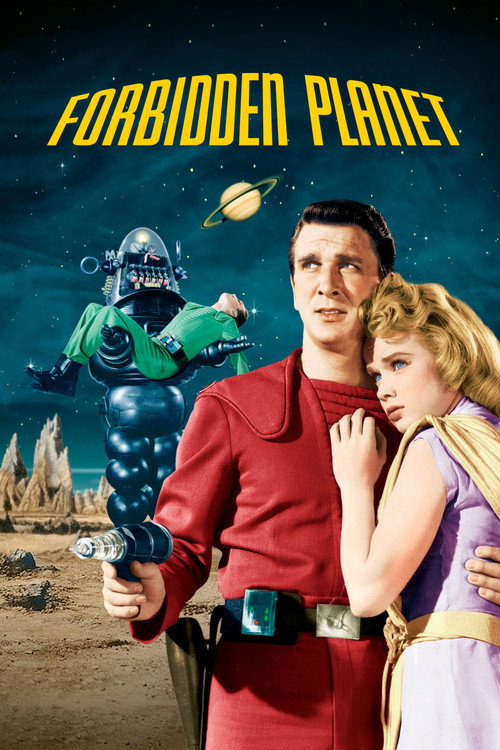
Forbidden Planet1956
A far better-resourced take on the same atomic-age optimism: smart scientists and their capable partners solving cosmic problems with reason and grit. Stunning design, genuine wonder, and a crew dynamic that actually works.
But It's operatic where The Night the World Exploded is scrappy. Some find the Shakespearean undertones heavy-handed, and the pacing can drag in the middle act.
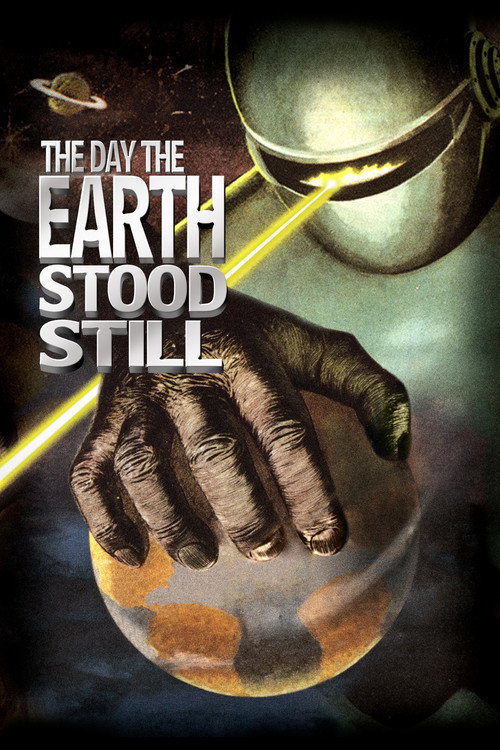
The Day the Earth Stood Still1951
The gold standard of '50s sci-fi seriousness. A visitor from space forces humanity to confront its capacity for self-destruction. Intelligent, moving, and genuinely thought-provoking without condescension.
But It's slower and more philosophical than you might expect from the premise. The romance subplot feels obligatory. Some of the science is dated in ways that distract.
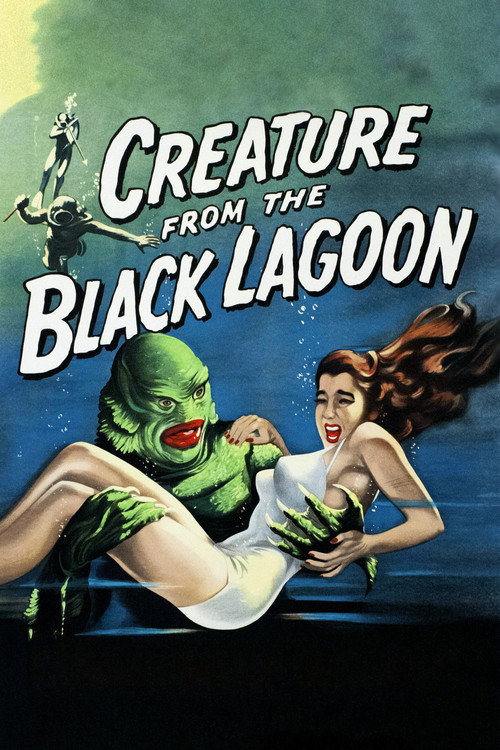
Creature from the Black Lagoon1954
B-movie perfection: a team of scientists in exotic danger, practical effects that convince you through commitment, and a monster that's genuinely eerie. Fast, fun, and beautifully composed for its budget.
But The female lead exists mostly to scream. The creature spends long stretches not onscreen. It's very much a product of its time in ways that show.
Not sure tonight? Get a pick in a minute, starting from The Night the World Exploded
The wildcard
Something you would not have found on your own.
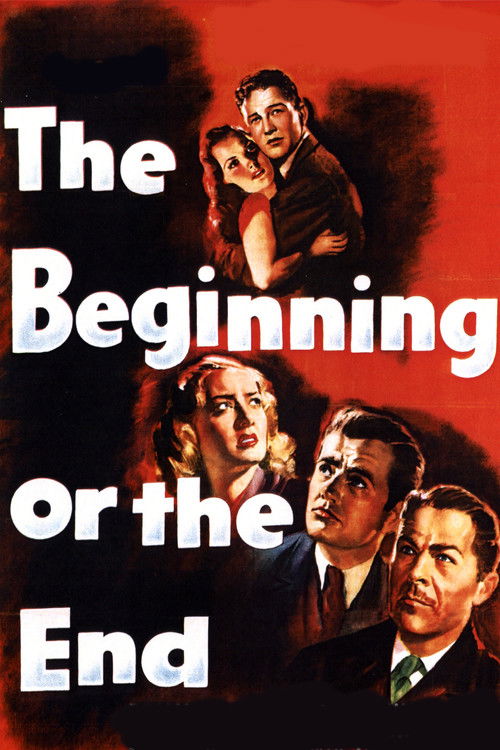
The Beginning or the End1947
Both films treat scientific expertise as the answer to existential threat, but this one asks whether it should be, and what that expertise actually costs.
A dramatization of the Manhattan Project's final days, made before the atomic age had cooled. It shares The Night's faith that scientists are rational heroes, but gets at the actual weight of what they built. Propaganda and art tangled together in ways that fascinate.
But It's hagiography dressed as history. The nuclear scientists emerge unblemished despite the obvious. Slow pacing and stiff acting. Watching it now feels like watching a time capsule of delusion.
More like this (8)
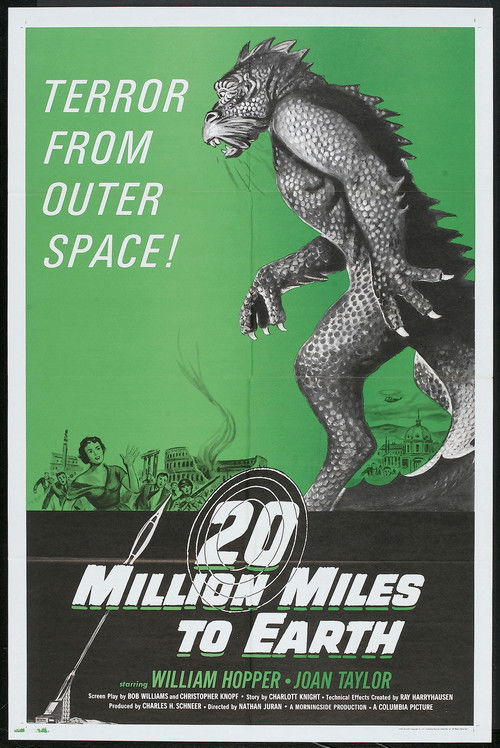
20 Million Miles to Earth1957
Released the same year, it has the same DNA—resourceful people versus an impossible problem, stop-motion creature effects that charm more than convince, and genuine suspense about saving civilization.
But The plot is thin even by '50s standards. The dialogue can be woodenly expository. If you're not in the mood for sincerity over spectacle, it evaporates.
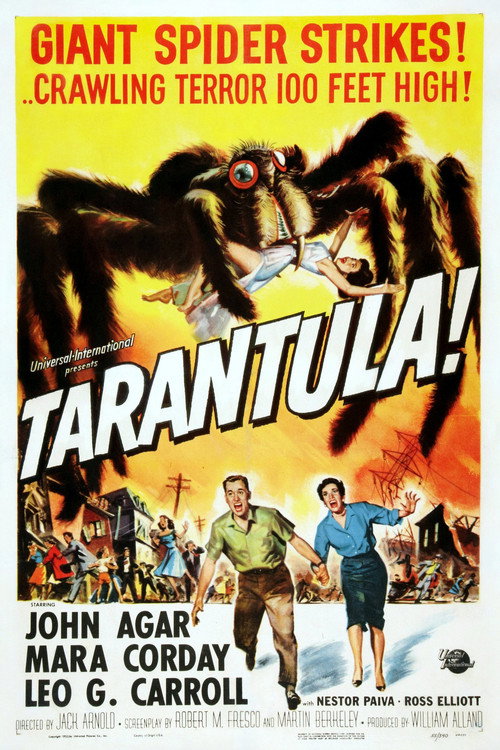
Tarantula1955
Another creature feature with science-gone-wrong energy. Giant spider, desert setting, a protagonist who solves problems by being competent rather than lucky. Creepy miniature work and a real sense of escalation.
But The spider spends half the film offscreen. Once it appears, the novelty wears quickly. The human drama is functional at best.
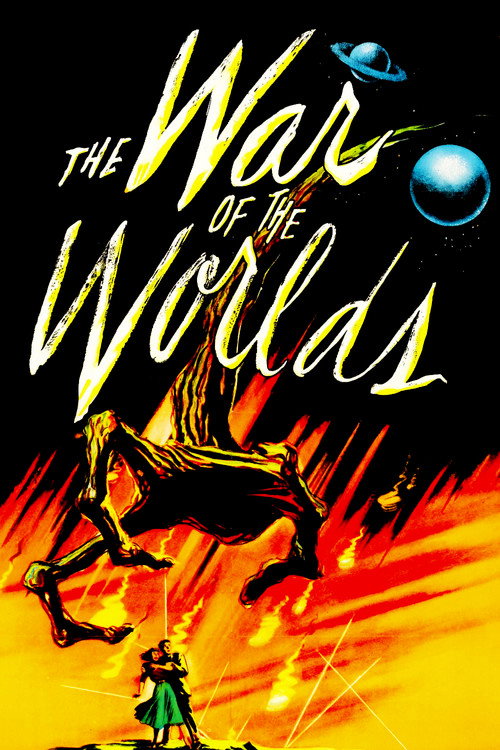
The War of the Worlds1953
Spielberg's touchstone for catastrophe filmmaking. Massive invasion, ordinary people caught in extraordinary circumstances, a sound design that's still terrifying. Scope and ingenuity working together.
But It's bleak in ways that can feel punishing. The theological conclusion divides viewers sharply. Watching it now, you feel how much modern disaster films learned—and how much they've lost.
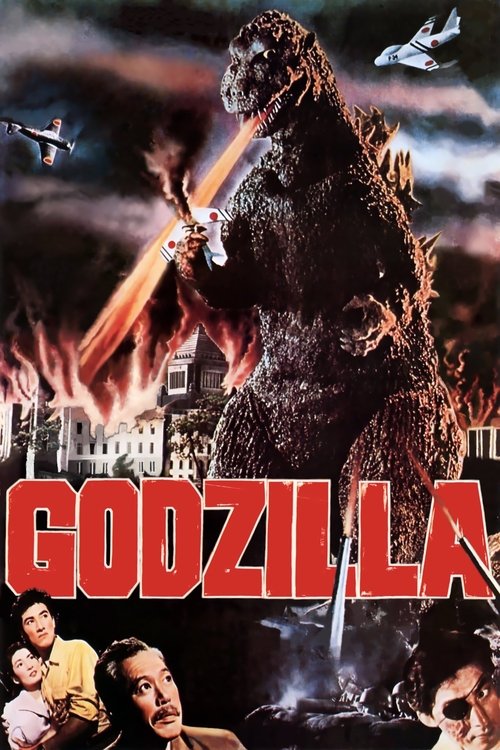
Godzilla1954
The original, before the monster became a hero. Serious, mournful, about nuclear anxiety given flesh. A creature that's a metaphor you feel in your chest. Genuinely moving despite the suit.
But It's slow. Entire scenes are people in rooms discussing what to do. The destruction, when it comes, is brief. Subtitles necessary, pacing glacial by Western standards.
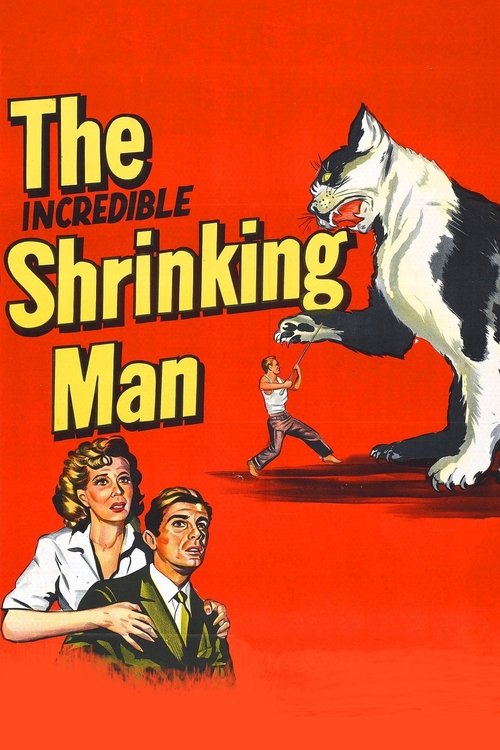
The Incredible Shrinking Man1957
Another '57 release that matches the ambition: a man shrinking inexplicably, racing to solve it before he vanishes entirely. Existential dread wrapped in sci-fi trappings. Philosophical without being preachy.
But It gets abstract and strange in the final act—some find it profound, others self-indulgent. The special effects are creative but uneven. It's less a thriller than a meditation.
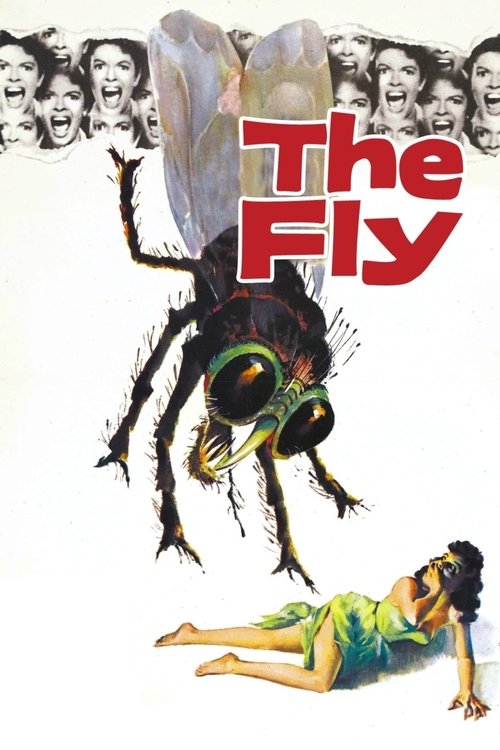
The Fly1958
A scientist's experiment goes horrifically wrong, with real consequences played entirely straight. Moral weight, body horror before that was a language, a tragic love story embedded in the premise.
But It's grotesque in ways that upset people—not jumpscare grotesque, but slow, sad grotesque. The first half is tedious setup. It's from a time when science fiction could afford to be bleak.
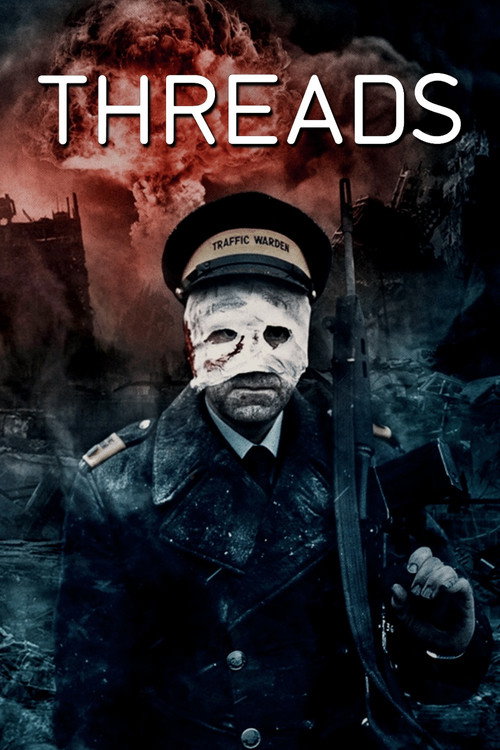
Threads1984
Both are about catastrophe racing toward a population that won't listen. One believes in the scientist. One believes in nothing.
A British docudrama about nuclear war's aftermath in Sheffield. It's The Night the World Exploded's nightmare endpoint: the same atomic dread, but stripped of any faith that reason or speed can save you. Unbearably effective.
But It's nihilistic in a way that stays with you for days. No heroes. No solutions. Graphic depictions of radiation sickness and starvation. Not entertainment. Genuinely difficult to watch.
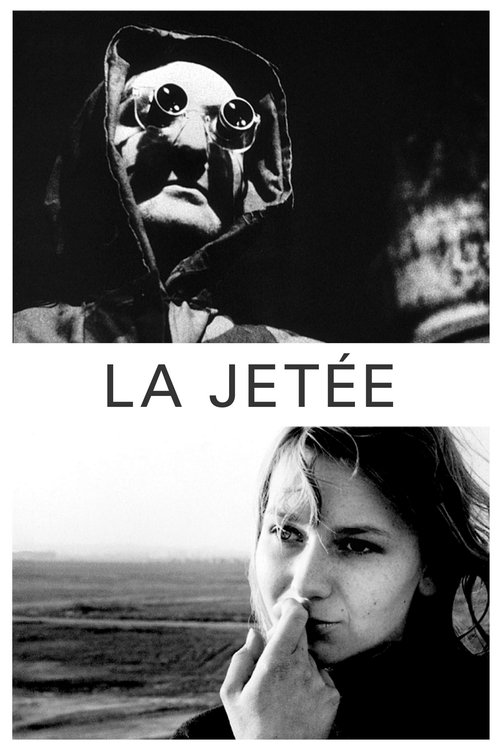
La Jetée1962
Both films bet everything on a scientific solution to an unseen threat working against time. One is earnest B-movie faith. This one is poem about whether faith survives what we know.
A 27-minute film made almost entirely of still photographs, about time travel and nuclear devastation. Hypnotic, strange, more powerful than most features. Proves that constraint breeds invention. Changes how you think about cinema.
But It's an experimental film, full stop. No dialogue for long stretches, a fragmented narrative, an ending that requires thought. Most people will find it baffling or boring before it clicks.
People
Cast
 William LeslieDr. David Conway
 Kathryn GrantLaura 'Hutch' Hutchinson
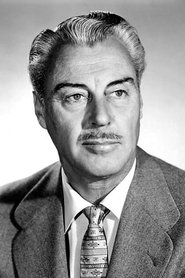 Tristram CoffinDr. Ellis Morton
 Raymond GreenleafGov. Chaney
- Paul SavageRanger Kirk
- Fred CobyRanger Brown
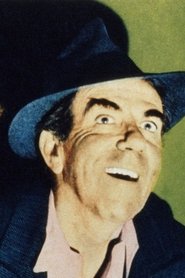 Frank J. ScannellSheriff Quinn
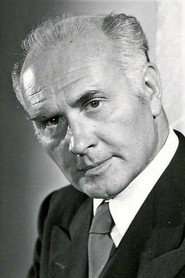 Charles EvansGen. Bortes
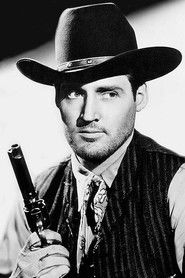 Marshall ReedGeneral's Aide
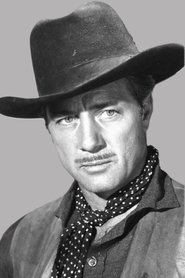 Terry FrostChief Rescue Worker
- David ArmstrongMilitary Policeman (uncredited)
Directing
- Fred F. SearsDirector
Writing
- Jack NattefordWriter
- Luci WardWriter
Production
- Sam KatzmanProducer