
Film
Invaders from Mars
Other titles called Invaders from Mars: the 1986 film.
A 1953 sci-fi nightmare where a boy witnesses Martian invaders taking over his small town, one brainwashed citizen at a time. Shot in vivid colour with deliberately artificial production design, it's genuinely unsettling—less concerned with spectacle than paranoia and creeping dread. Perfect for anyone who loves Cold War anxiety baked into creature features, or who appreciates when low budgets force creative solutions that age beautifully.
Should you watch it?
Watch it if you love 1950s science fiction that plays its paranoia straight, with a dreamlike logic, a child's-eye view of adults who stop making sense, and a B-movie charm that feels sincere rather than winking.
Skip it if you need modern effects or a tightly plotted thriller, since the scares rely on atmosphere, odd staging and a story that often runs on pure nightmare logic rather than cause and effect.
What it asks of you: Under eighty minutes, it moves briskly but unevenly, leans on eerie stillness and repetition, and asks you to accept its strange, dreamy rules without much explanation.
Not sure? Find tonight's pick in a minute.
If you liked this
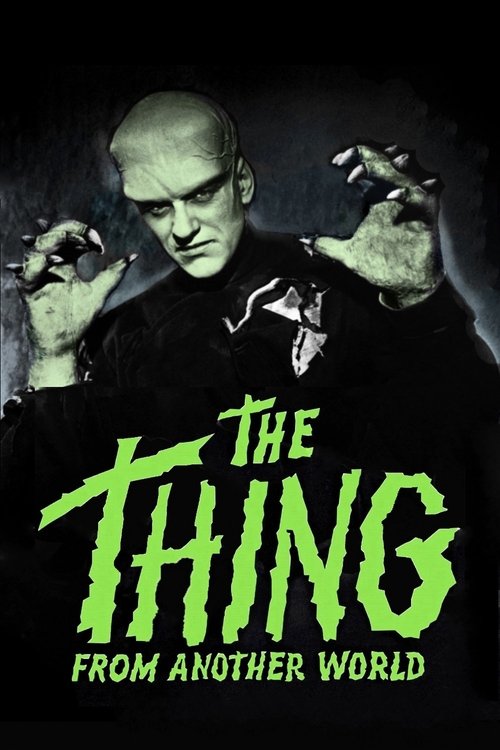
The Thing from Another World1951
An earlier, leaner invasion film with the same paranoid DNA: a shape-shifting threat, isolation, the question of who to trust. Howard Hawks' direction keeps it taut and scary without need for elaborate effects.
But Black and white, only 87 minutes, and the pacing assumes you're paying attention from frame one. It doesn't ease you in.
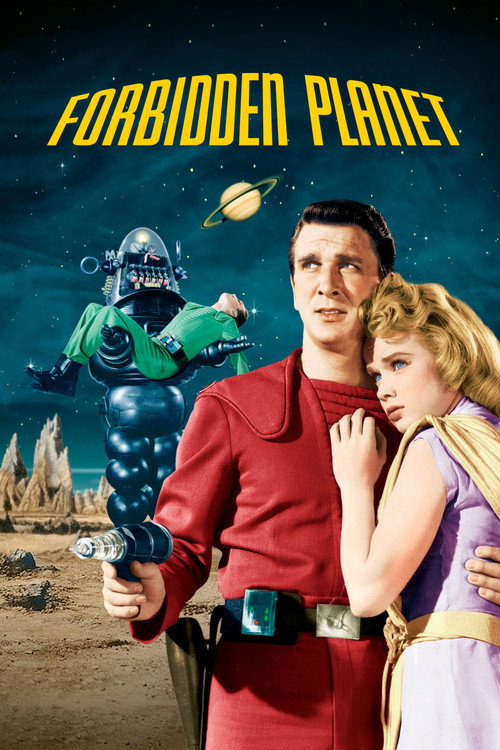
Forbidden Planet1956
Same era, same questions about what lies beyond Earth, but with technicolour grandeur and a genuinely inventive monster. If you liked Invaders' ambition despite its budget, this shows what happened when the studios threw money at the same impulse.
But It's a Shakespeare adaptation in space, which sounds clever until it gets mawkish. The romance subplot drags harder than the alien threat.
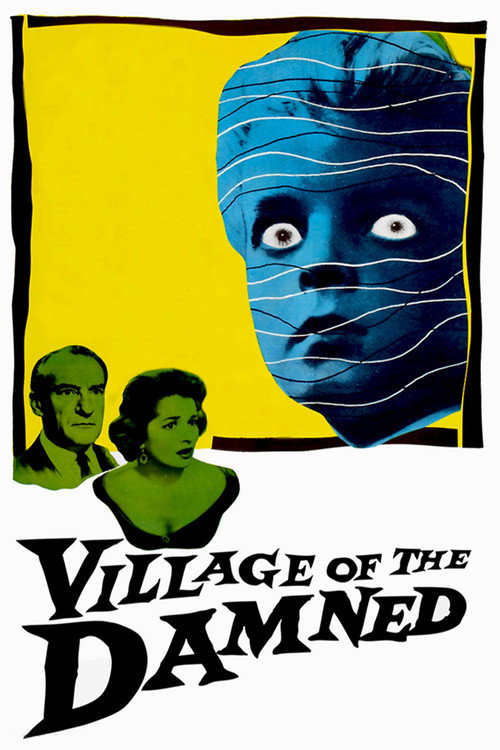
Village of the Damned1960
British, controlled, ice-cold. A town is infiltrated by something otherworldly, and paranoia spreads like infection. Same DNA as Invaders—the horror is the erosion of the familiar, not lasers.
But It's very slow. The children are genuinely unsettling rather than frightening in the traditional sense, which some find more tedious than terrifying.
Not sure tonight? Get a pick in a minute, starting from Invaders from Mars
The wildcard
Something you would not have found on your own.
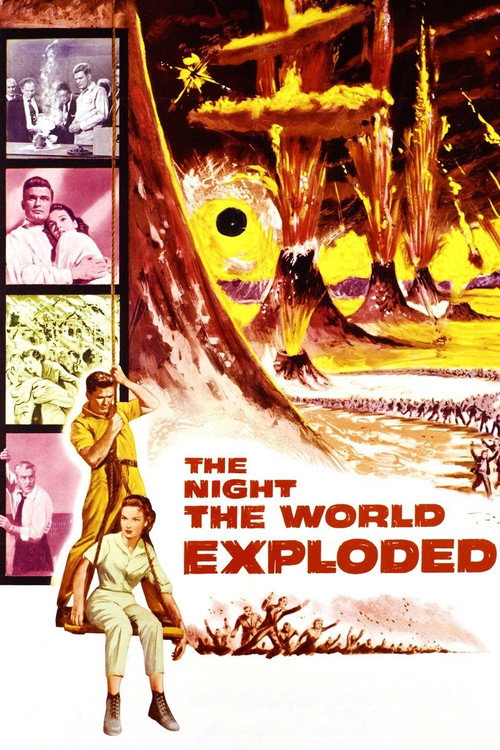
The Night the World Exploded1957
Both films externalize anxiety as invasion: Invaders puts it in a boy's mind, this puts it in instruments and data. Same paranoia, different register.
Same era, same fear of invisible threats from space, but told as a technical procedural about scientists tracking an asteroid. It's dry, mechanical, and somehow more horrifying because it trusts you to imagine the scale of the danger.
But It's not a creature feature—there are no aliens, no monsters, just bureaucracy and catastrophe. If you want spectacle, you'll be disappointed. If you want dread, it's clinical to the point of numbness.
More like this (8)
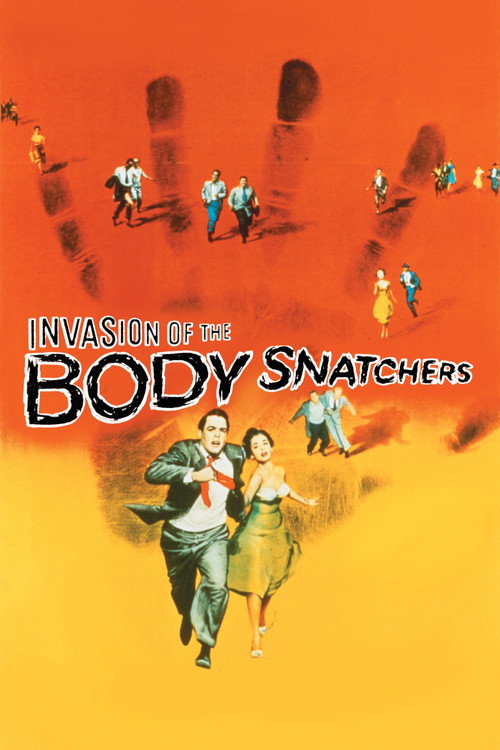
Invasion of the Body Snatchers1956
The masterpiece of this subgenre. Aliens replace humans with emotionless duplicates. Pure paranoia, perfectly executed, and Kevin McCarthy's desperation sells every frame. This is what Invaders was reaching for.
But It's in black and white and the ending was tacked on by the studio. Still works, but you can feel the compromise.
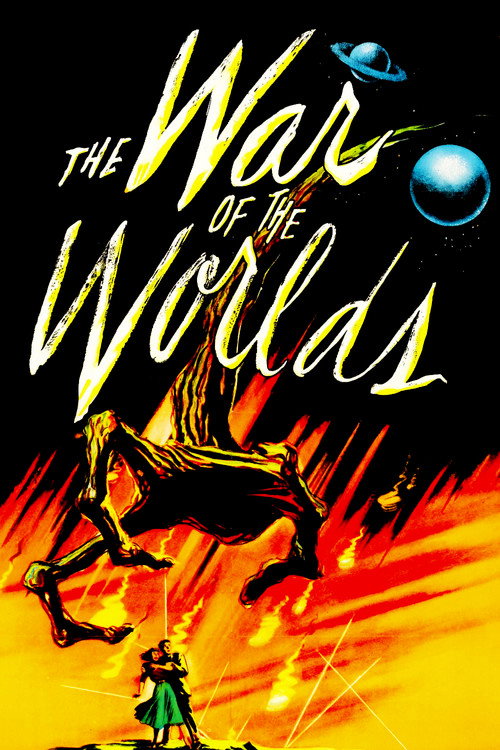
The War of the Worlds1953
Released the same year as Invaders, Spielberg's 2005 remake aside, this Paramount version has Technicolor menace and genuine scope. It's bigger, louder, but shares that atomic-age dread.
But The special effects, impressive as they were, have dated more obviously than Invaders' artificiality. Feels more like watching a 1953 film, less like entering one.
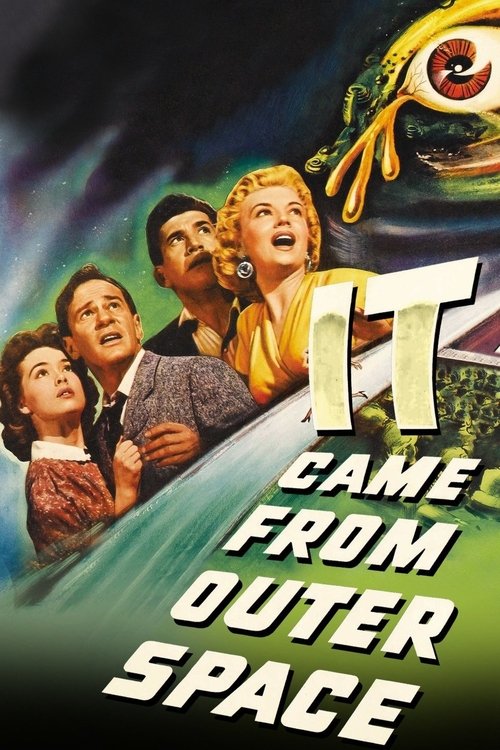
It Came from Outer Space1953
Another 1953 gem, in 3D originally but equally unsettling in 2D. An alien visitor strands itself in the Arizona desert and takes over townspeople. It's curious rather than malevolent, which makes it stranger.
But The pacing is glacial by modern standards, and there's very little action until the final reel. Most of the film is people talking about the inexplicable.
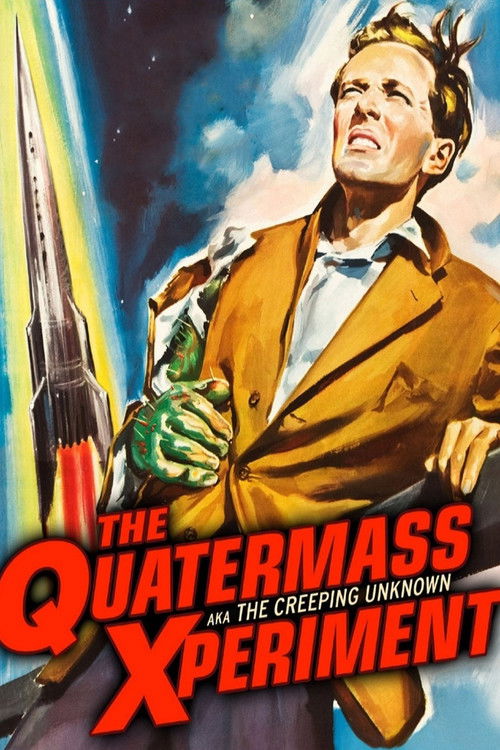
The Quatermass Xperiment1955
British sci-fi, low budget, high concept. A space capsule returns with something wrong aboard. It's lean, clever, and the practical effects have a tactile wrongness that CGI can't quite match.
But It's grim and somewhat tasteless by design, and the climax on the BBC set is surreal rather than satisfying if you're hoping for conventional heroics.
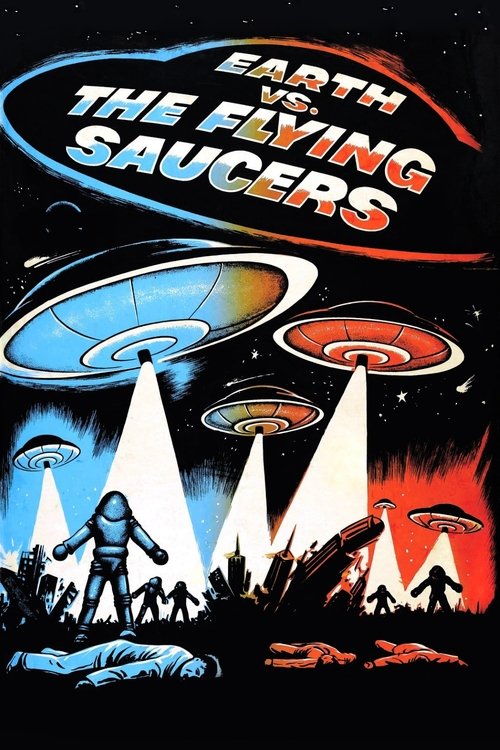
Earth vs. the Flying Saucers1956
Ray Harryhausen animation makes the flying saucers genuinely iconic. It's pulpy, enthusiastic, and the military response feels grounded even as aliens assault Washington DC. Great Saturday afternoon stuff.
But The acting is stiff, the plot is thin, and it's very much a effects showcase. If the spectacle doesn't engage you, there's not much left underneath.
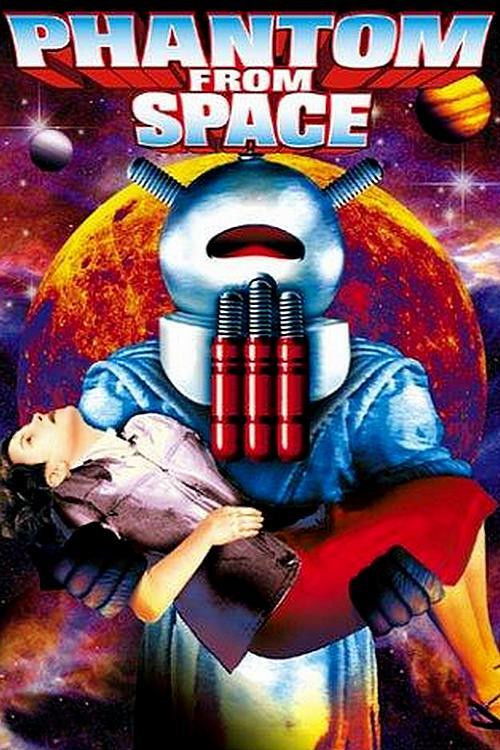
Phantom from Space1953
Ultra-low-budget 1953 sci-fi about an invisible alien threat. Raw, ambitious beyond its means, and weirdly effective at conveying dread through sound and shadows rather than revealing anything.
But It's genuinely cheap—like, the seams show. Some viewers find that charming; others find it unwatchable. There's no middle ground.
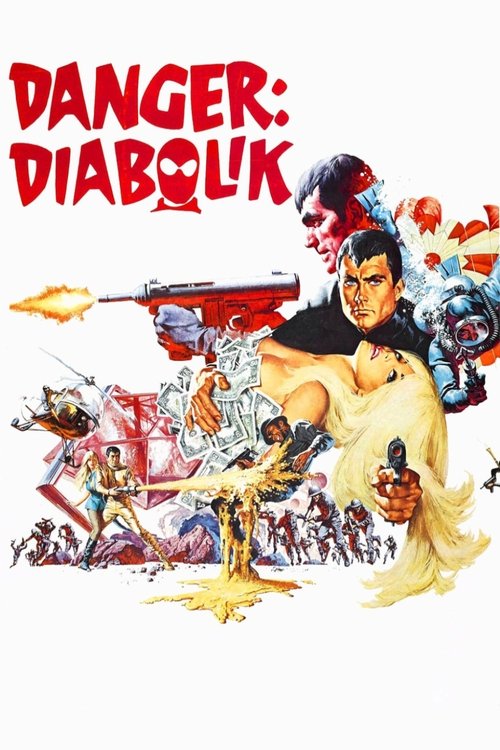
Danger: Diabolik1968
Both use colour and artifice not as realism but as distortion. You're not watching a world that looks slightly wrong; you're watching a constructed world that *is* wrong.
A jump forward in time and register: glossy 60s crime caper with the same artificial colour palette and dream-logic that makes Invaders unsettle you. It's trashy, stylish, and wildly inventive in how it uses production design to create unreality.
But It's camp, deliberately artificial, and has nothing to do with aliens or sci-fi. If you approach it as serious filmmaking, you'll miss the point. It's also quite long for what is essentially a heist film.
Kwaidan1965
Both use artificial colour and staging not to seem realistic but to make the familiar alien. You're disoriented not by plot twists but by the texture of the world itself.
Japanese horror anthology in astonishing colour. The unreal production design—painted backdrops, stylized violence, the logic of dreams—creates dread through atmosphere rather than plot. It's genuinely eerie in ways that transcend language.
But It's slow, formal, and interested in mood over narrative. The ghost stories are ambiguous and inconclusive. If you need resolution and action, this will feel like watching paint dry, albeit beautiful paint.

People
Cast
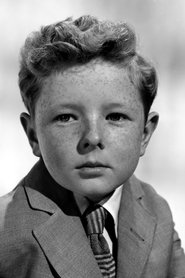 Jimmy HuntDavid Maclean
 Arthur FranzDr. Stuart Kelston
 Helena CarterDr. Pat Blake, MD
 Leif EricksonMr. George MacLean
 Hillary BrookeMrs. Mary MacLean
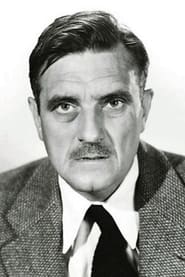 Morris AnkrumCol. Fielding
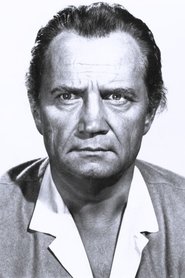 Walter SandePolice Sgt. Mack Finlay
 Bert FreedPolice Chief A.C. Barrows
 Max WagnerArmy Sgt. Rinaldi
- Charles GibbLt. Blair
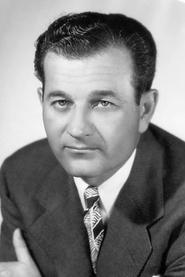 Milburn StoneArmy Capt. Roth
 Douglas KennedyOfficer Jackson
Directing
- Ben ChapmanAssistant Director
- William Cameron MenziesDirector
- Mary YerkeScript Supervisor
- Leonard KunodySecond Assistant Director
Writing
- Richard BlakeScreenplay
- John Tucker BattleStory
Production
- Edward L. Alperson Jr.Associate Producer
- Edward L. AlpersonProducer
- Ben ChapmanProduction Manager
Recommended by
Stranger Things: Tales from '85, The Space Children, The Quatermass Experiment, Phantom from Space, Red Planet Mars, Planet of the Vampires, Flight to Mars, The Monolith Monsters