
Film
Planet of the Vampires
A 1965 Italian sci-fi horror film where astronauts crash on an alien planet and begin turning on each other under mysterious influence. Gorgeously shot in vivid colour, with a dreamlike atmosphere and genuinely unsettling body horror. It's a mood piece that rewards patience—eerie, strange, and unlike anything else from its era.
Should you watch it?
Watch it if you love lean, atmospheric 1960s science fiction where dread builds through mood, bold colour and cramped sets rather than through explanation, and you don't mind a cult oddity with rough edges.
Skip it if you need tight plotting and clearly drawn characters, since the crew blur together and the story often prefers mood to logic, so its uneven pacing may frustrate you.
What it asks of you: A brisk eighty-eight minutes of slow, eerie drift broken by sharp jolts; it rewards mood over close plot tracking.
Not sure? Find tonight's pick in a minute.
If you liked this
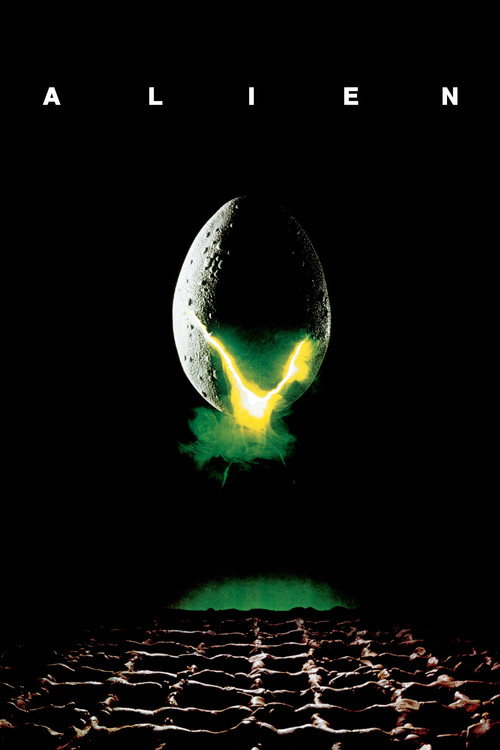
Alien1979
The blueprint for sci-fi horror: claustrophobic, gorgeous to look at, and structured around a single threat that picks off the crew one by one. Ridley Scott owes Planet of the Vampires a real debt.
But By now you've probably seen it. The suspense is considerably less effective once you know what's coming.
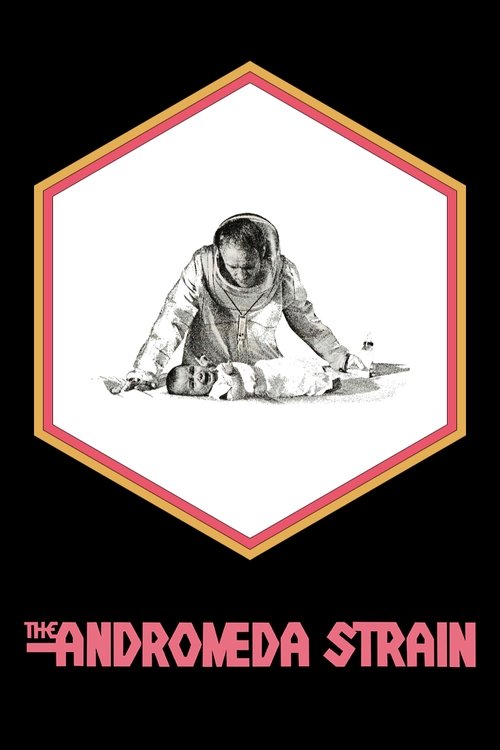
The Andromeda Strain1971
Hushed, procedural, and deeply paranoid—a team of scientists puzzle through an unknowable threat with the same mounting dread and fractured trust that keeps Planet of the Vampires unsettling.
But It's a thinking film with long stretches of dialogue and lab work. Not a lot of action, and some of the science feels very period.
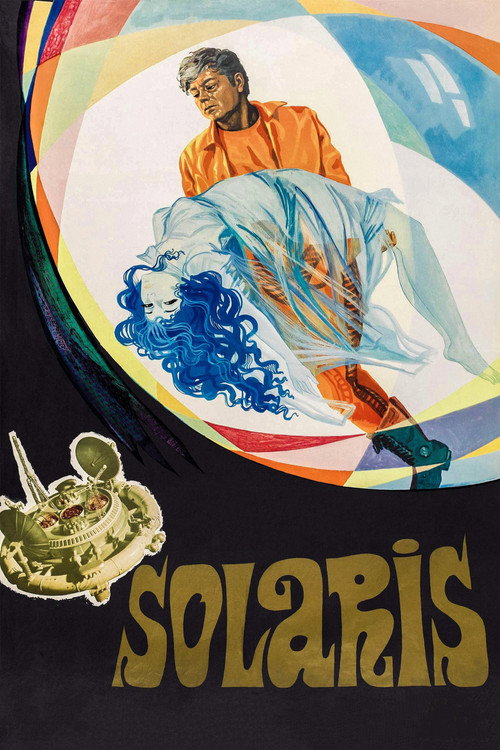
Solaris1972
A crewed space station confronts something vast and incomprehensible. Like Planet of the Vampires, it's more interested in the psychological and existential than in pyrotechnics—strange, meditative, haunting.
But Tarkovsky moves at his own pace. It's long, slow, and demands that you lean in. Not everyone has the patience for it.
Not sure tonight? Get a pick in a minute, starting from Planet of the Vampires
The wildcard
Something you would not have found on your own.
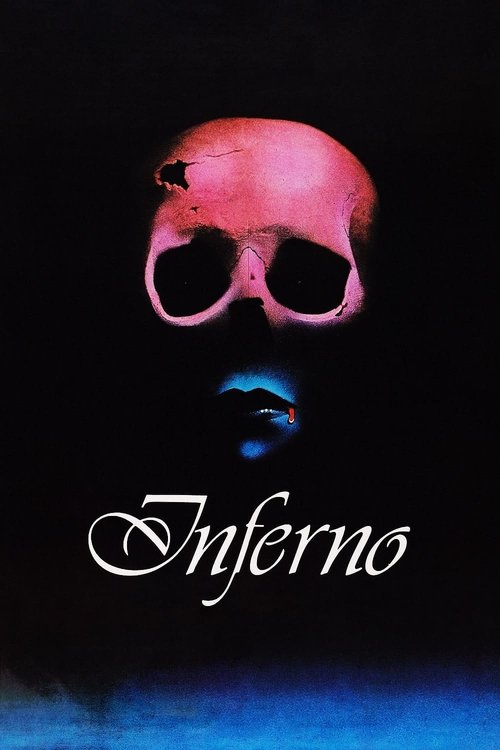
Inferno1980
Both are 'impure' films that mix genres—sci-fi with horror, thriller with surrealism—and trust mood and colour over explanation. Both feel like being inside an altered state.
Dario Argento's fever dream of a film—a woman investigates a mysterious apartment building full of horrors. Like Planet of the Vampires, it prioritizes atmosphere and visual beauty over plot logic, and trusts the audience to surrender to weirdness rather than understanding it.
But The narrative is deliberately fragmented and symbolic rather than literal. It will frustrate anyone looking for a coherent story.
More like this (8)
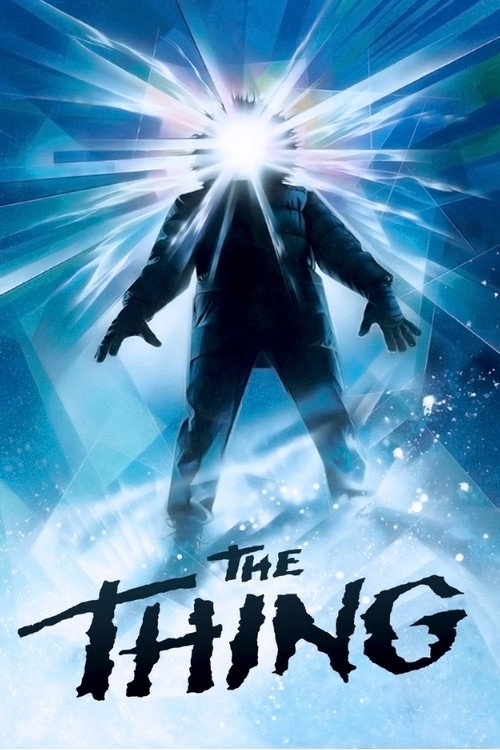
The Thing1982
An isolated crew, paranoia, and the genuine horror of not knowing who or what you're dealing with. John Carpenter remakes the paranoia-and-isolation formula with ruthless efficiency and practical effects.
But It's viscerally grotesque in places. If body horror makes you squeamish, it'll test you.
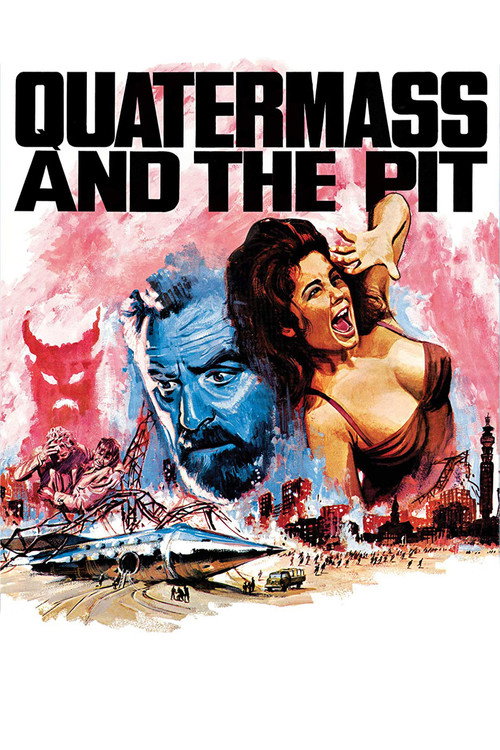
Quatermass and the Pit1967
Another British gem about an excavation that unearths something ancient and wrong. It has the same colour palette and unsettling atmosphere as Planet of the Vampires, plus a genuinely wild premise.
But The pacing is methodical. It takes a while to get going, and some of the effects work are dated enough to distance you.
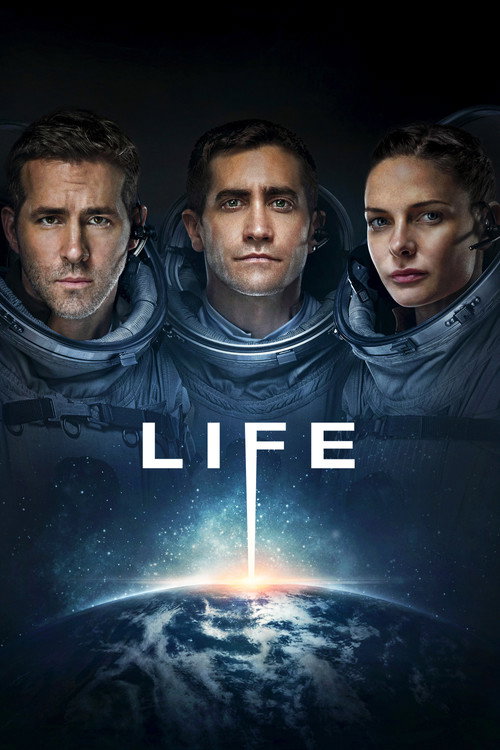
Life2017
A more recent crew-in-peril film with the same DNA—scientists on a space station contending with an unknown organism that defies prediction. Slick, tense, and visually sumptuous.
But It's much more of a conventional thriller than a philosophical meditation. Some find it derivative or overly familiar.
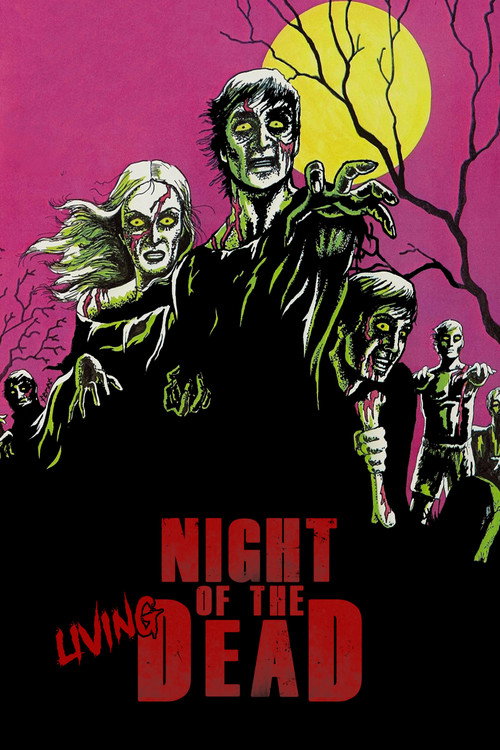
Night of the Living Dead1968
Romero's masterpiece shares Planet of the Vampires' interest in isolation, infection, and the horror of watching people turn against each other. Black and white, relentless, genuinely frightening.
But It's in black and white, which some viewers find harder to connect with. The pacing is slow by modern standards.
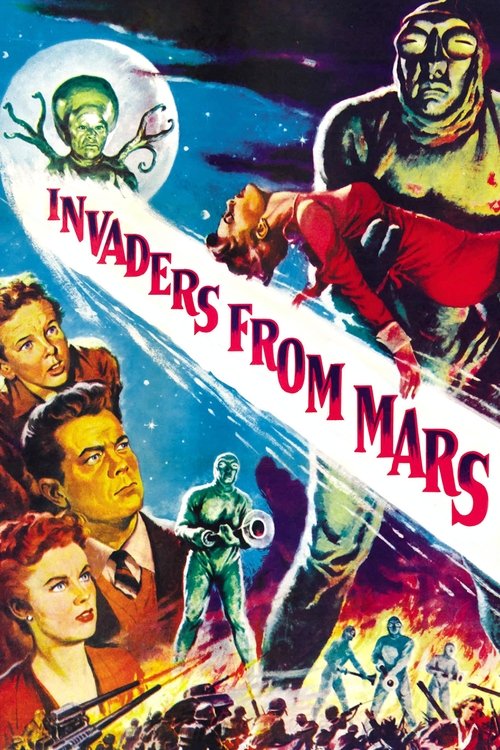
Invaders from Mars1953
A predecessor with a similar logic—trusted people begin behaving strangely, and the threat is both invisible and unstoppable. Low-budget and eerie in ways that still work.
But It's shorter and lower-stakes than Planet of the Vampires. The special effects are intentionally artificial, which won't feel creepy to everyone.
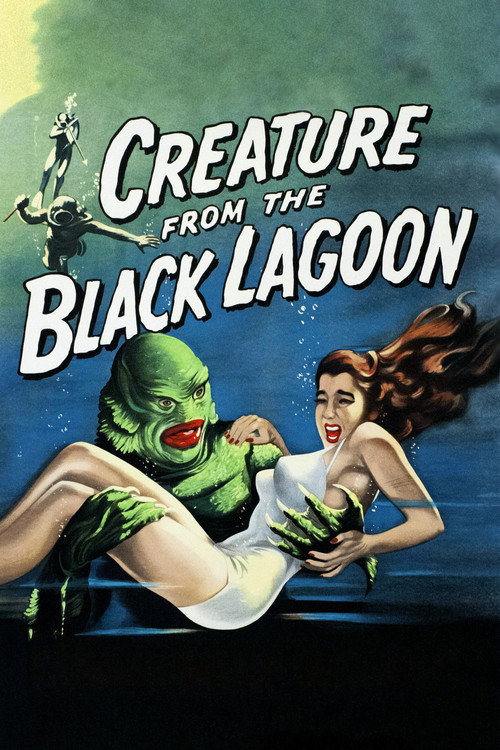
Creature from the Black Lagoon1954
Gorgeous Technicolor creature design and an expedition into an unknown wilderness where things go wrong. It has the same sense of doomed discovery and visual beauty as its spiritual cousin.
But It's a straight monster movie with a simpler narrative. If you want psychological complexity, you won't find it here.
Stalker1979
Both films treat space and the unknown as metaphysical rather than physical problems. Both are interested in what happens to the human mind when confronted with the truly alien.
Tarkovsky's masterpiece about a guide taking two men through a mysterious zone to a room that grants wishes. It has Planet of the Vampires' sense of something vast and unknowable beneath the surface, but it's a philosophical inquiry rather than a thriller.
But This is a slow, meditative film with minimal action. It's about ideas and feeling, not plot. Many people find it beautiful and many find it unbearable.

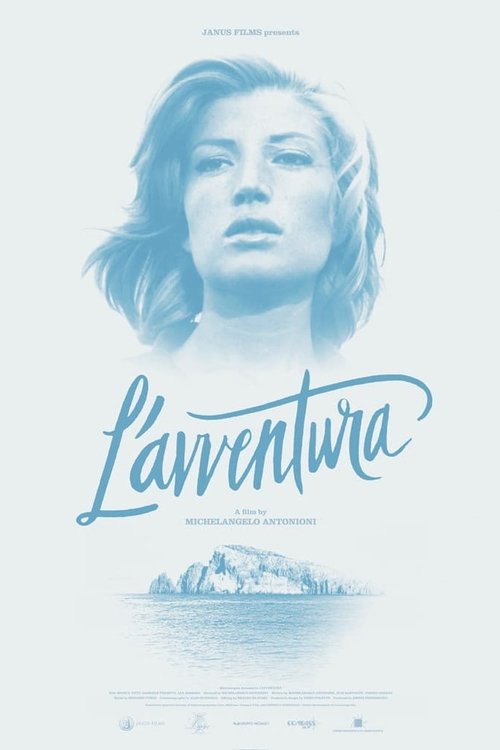
L'Avventura1960
Both films share a dreamlike register where the external world becomes a mirror for psychological dissolution. Both use colour and landscape to suggest a kind of cosmic indifference to human need.
Michelangelo Antonioni's enigmatic masterpiece—a woman disappears on an island, and the search unravels into something stranger and sadder. Like Planet of the Vampires, it's visually ravishing and deeply disorienting, refusing to explain itself.
But Nothing really 'happens' in the conventional sense. It's about mood, alienation, and the inability to know another person. Some call it profound; others call it boring.
People
Cast
 Barry SullivanCaptain Mark Markary
 Norma BengellSanya
 Ángel ArandaWess
 Evi MarandiTiona
 Stelio CandelliBrad / Mud
 Franco AndreiBert / Garr
- Fernando VillenaDr. Karan
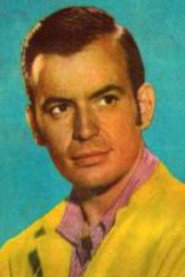 Mario MoralesEldon
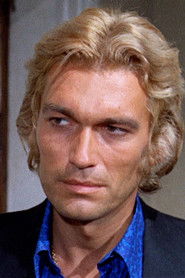 Ivan RassimovCarter / Dervy
- Federico BoidoKeir
- Alberto CeveniniToby Markary / Wan
 Massimo RighiCaptain Sallas / Nordeg
Directing
- Mario BavaDirector
- Manuel San RománFirst Assistant Director
- Serena CanevariFirst Assistant Director
- Lucio RomeoScript Supervisor
- Rosalba ScaviaScript Supervisor
- Lamberto BavaSecond Assistant Director
Writing
- Renato PestrinieroOriginal Story
- Alberto BevilacquaScreenplay
- Antonio RománScreenplay
- Callisto CosulichScreenplay
- Ib MelchiorScreenplay
- Mario BavaScreenplay
- Rafael J. SalviaScreenplay
Production
- Mario SilvestriLine Producer
- Fulvio LucisanoProducer
- Giancarlo SambuciniProduction Manager
Recommended by
The Killings at Outpost Zeta, Journey to the Seventh Planet, Invasion of the Neptune Men, The Navy vs. the Night Monsters