
Film
Journey to the Seventh Planet
A 1962 Danish-American space oddity where a crew bound for Uranus encounters a telepathic brain that materializes their deepest desires. Low-budget SF with genuine strangeness: sincere, colourful, utterly weird. For people who love vintage sci-fi's peculiar logic and don't mind dialogue that sounds translated.
If you liked this
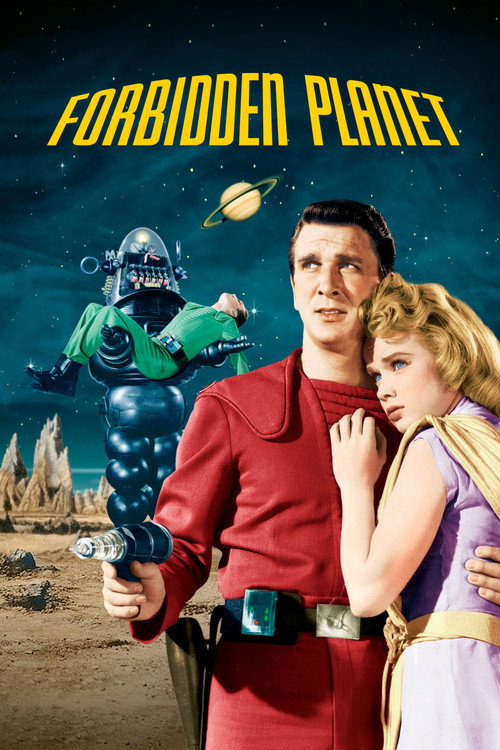
Forbidden Planet1956
The gold standard of '50s space opera, with real production design, a genuine philosophical core about human nature, and Walter Pidgeon being magnificent. Showed what SF could look like with money.
But It's slow by modern standards and the gender politics are period—the women exist mainly to look alarmed and romantic.
Planet of the Vampires1965
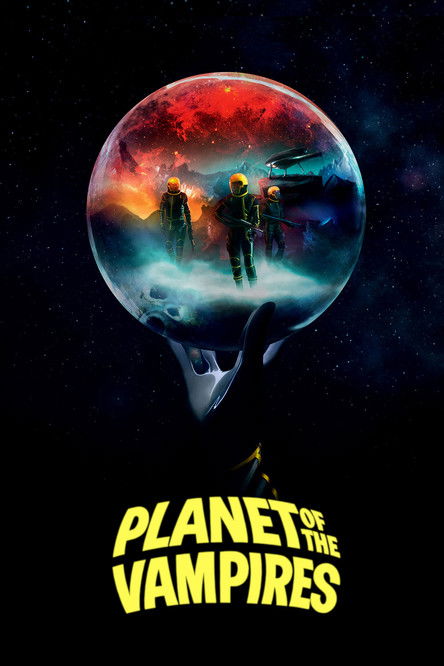
Italian sci-fi with Mario Bava's visual genius—alien fog, crash-landed ships, color and shadows that justify the entire genre. Dreamlike and hypnotic in ways Journey aspires to.
But It's slow, poetic, and absolutely not interested in plot momentum. The dubbing is thick and the ending is deliberately ambiguous.
The Quatermass Xperiment1955
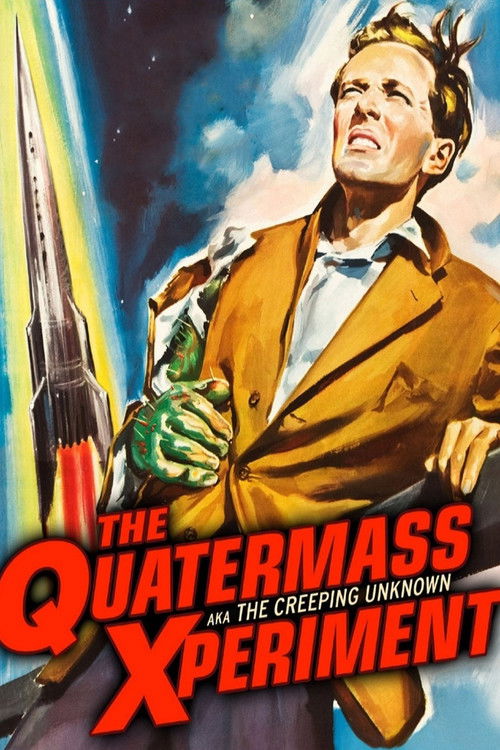
British SF horror that takes its premise seriously and never winks at the audience. A returning spaceman carries something back that transforms him. Atmospheric, genuinely unsettling, and economical.
But It's dialogue-heavy and claustrophobic rather than visually spectacular. People sit in rooms and talk about dread instead of seeing it.
Not sure tonight? Get a pick in a minute, starting from Journey to the Seventh Planet
The wildcard
Something you would not have found on your own.
Annihilation2018
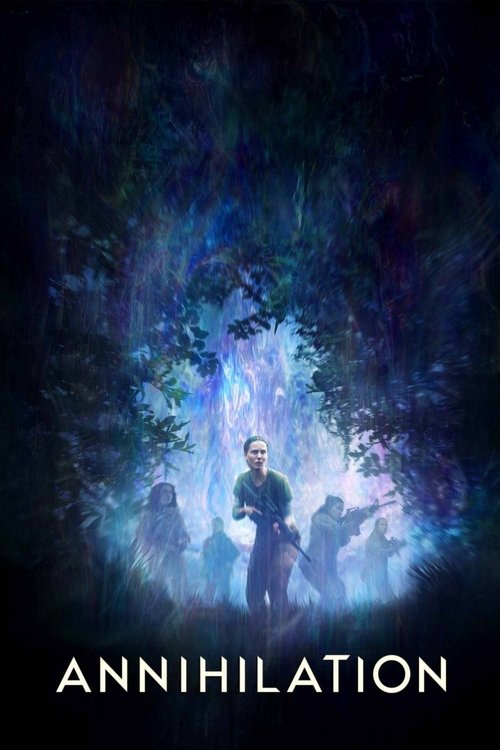
Both films are about telepathic/transformative aliens that work through human desire and psychology rather than invasion or conquest. The alien force doesn't want to destroy—it wants to remake.
A shimmer on the landscape that refracts everything inside it into something new—transformation as the central mystery, not resolution. Visual sci-fi that trusts the strangeness and refuses easy answers about what the alien wants.
But It's methodical and cerebral, more interested in mood than plot. The ending resolves almost nothing and some people find that infuriating rather than haunting.
More like this (7)
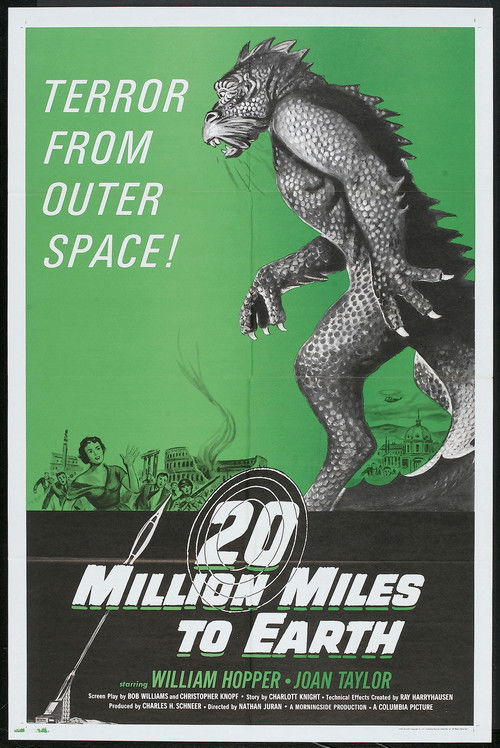
20 Million Miles to Earth1957
Harryhausen stop-motion, a creature that grows when exposed to Earth's atmosphere, and genuine tension about a thing we don't understand. Ray Harryhausen's effects still astonish.
But The human drama is thin and the acting is functional. It exists to show you monsters, and if that's not enough for you, the film is.
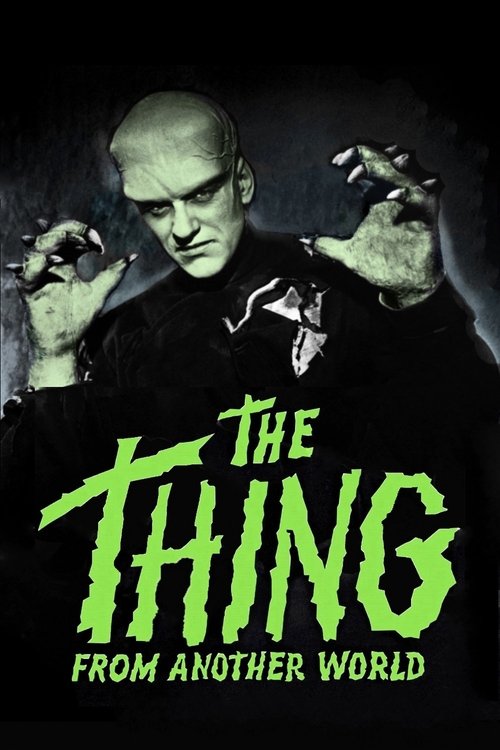
The Thing from Another World1951
An isolated outpost, an alien threat, and the paranoia that comes with not knowing who to trust. John Carpenter's version is famous, but this original is tighter, funnier, and rooted in real Cold War dread.
But The alien design is a man in a rubber suit and you will see the zipper. The dialogue moves fast and sometimes the tone is oddly light for something so sinister.
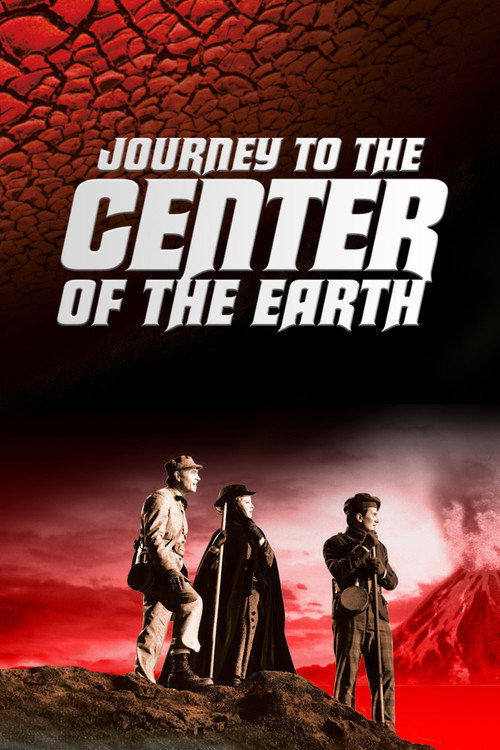
Journey to the Center of the Earth1959
Jules Verne adaptation with Pat Boone, dinosaurs, and actual journeys underground. It's earnest and visually inventive in the way of Journey, with that same commitment to whimsy.
But Pat Boone sings. The plot is baggy and the pacing stops dead for musical numbers. It wants to be a family film and an adventure and a spectacle simultaneously.
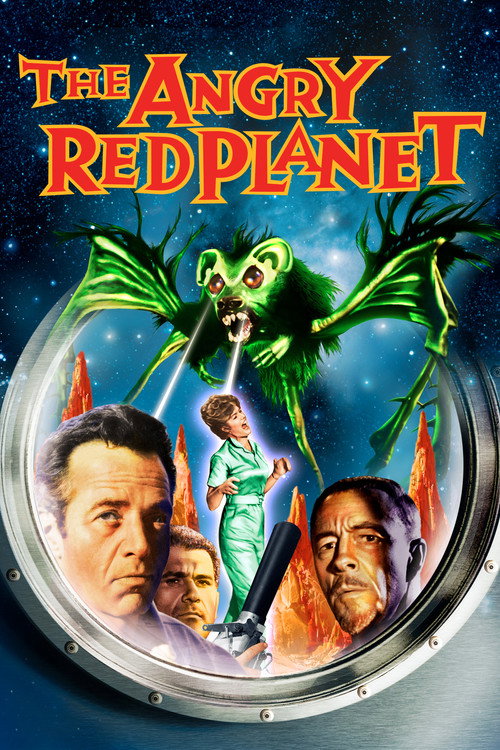
The Angry Red Planet1959
Mars expedition in garish color, rubber creatures, and a genuinely unsettling giant brain eyeball thing. Cheap and cheerful and perfectly happy to be weird.
But The acting is stiff, the dialogue is terrible, and it's only 84 minutes because it pads itself with dream sequences and slow space travel.
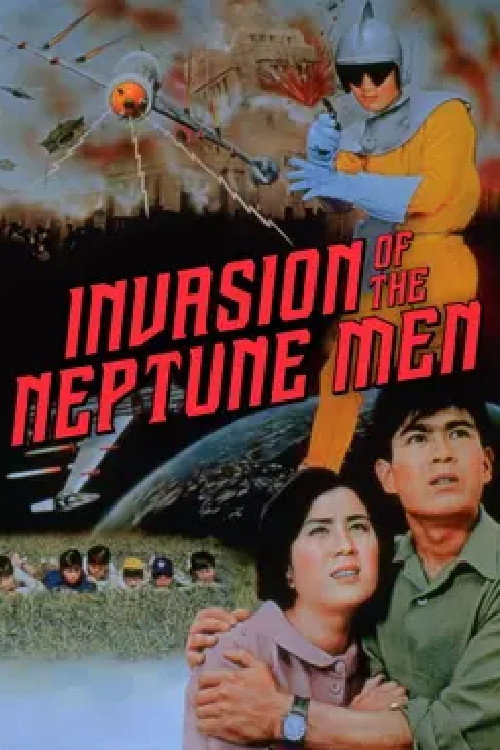
Invasion of the Neptune Men1961
Japanese B-movie with flying saucers, alien invasion, and children somehow central to the plot. It has the same DIY energy and strange logic as Journey, made on almost no budget with pure invention.
But It's poorly dubbed, incoherent, and the effects are rubber and string. The plot barely exists and nothing is explained clearly, even in hindsight.
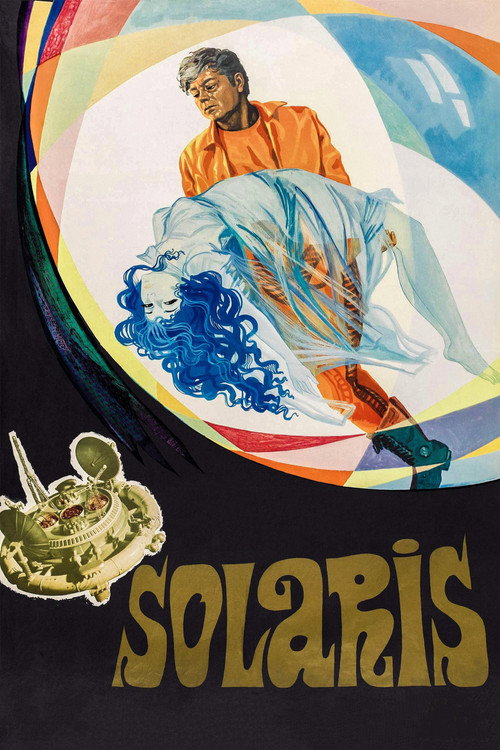
Solaris1972
Like Journey, the true antagonist is not hostile—it's a being that shows us ourselves. Both films are really about what happens when the external world becomes an extension of human consciousness.
Andrei Tarkovsky's three-hour meditation on a space station orbiting an ocean-planet that reads human minds and materializes memory as physical form. Slow cinema at its most profound—you'll think about it for years.
But It moves at the speed of thought, not action. There are long scenes of corridors and silence. The philosophical patience required will exhaust people looking for plot.
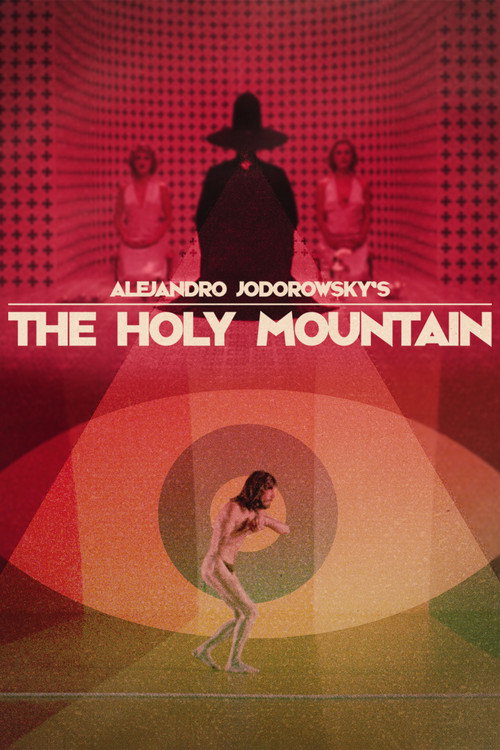
The Holy Mountain1973
Both are films where the landscape and encounters are projections of inner states—the journey inward disguised as journey outward. Both trust visual strangeness and don't explain themselves.
Jodorowsky's surrealist masterpiece: a man climbs a mountain meeting tarot-figure guides in increasingly impossible tableaux. Visually baroque, symbolically dense, genuinely hallucinogenic without being a drug film.
But It's deliberately obscure, deliberately offensive, and unapologetically arthouse. If you need plot clarity or moral straightforwardness, this will feel like punishment.
People
Cast
 John AgarCapt. Don Graham
 Carl OttosenEric
 Ove SprogøeBarry O'Sullivan
 Louis Miehe-RenardSvend
 Greta ThyssenGreta
 Ann SmyrnerIngrid
 Mimi HeinrichUrsula
 Annie Birgit GardeEllen
- Ulla MoritzLise
- Bente JuelColleen
- Peter MönchKarl
Directing
- Szasza ZalaberyAssistant Director
- Sidney W. PinkDirector
Writing
- Ib MelchiorScreenplay
- Sidney W. PinkScreenplay
- Sidney W. PinkStory
Production
- Johann ZalaberyAssociate Producer
- William SchullerCasting
- Samuel Z. ArkoffProducer
- Sidney W. PinkProducer
- Eric MobergProduction Supervisor
Recommended by
The Phantom Planet, Fire Maidens of Outer Space, War of the Planets, Missile to the Moon