
Film
Missile to the Moon
A scrappy 1958 space opera where two escaped convicts get pressed into lunar service aboard a homemade rocketship. It's all cardboard sets, earnest conviction, and creature-feature absurdity—the kind of film that treats its preposterous plot with complete seriousness. Made for audiences who want their sci-fi weird, cheap, and delightfully unpretentious.
If you liked this
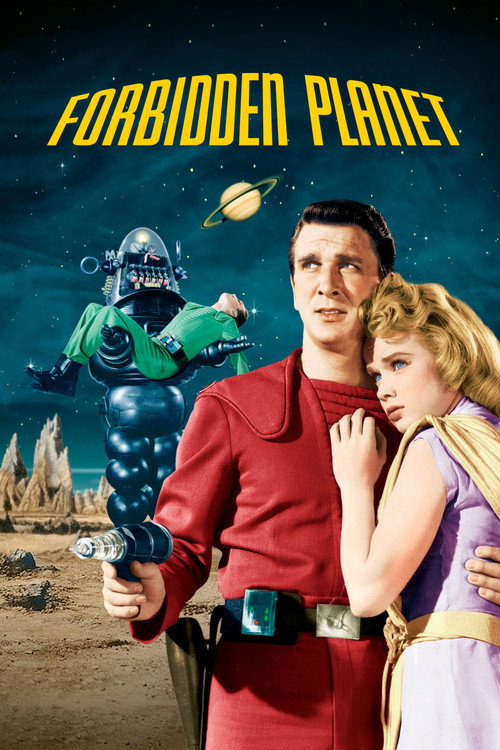
Forbidden Planet1956
The gold standard of 1950s sci-fi: a lush, ambitious production with strong cast, a real budget, and a genuinely haunting central concept. You can see where the craft and resources went.
But So polished it can feel a bit stiff—some of the philosophical weight sags under earnest dialogue and the pacing drags in patches.
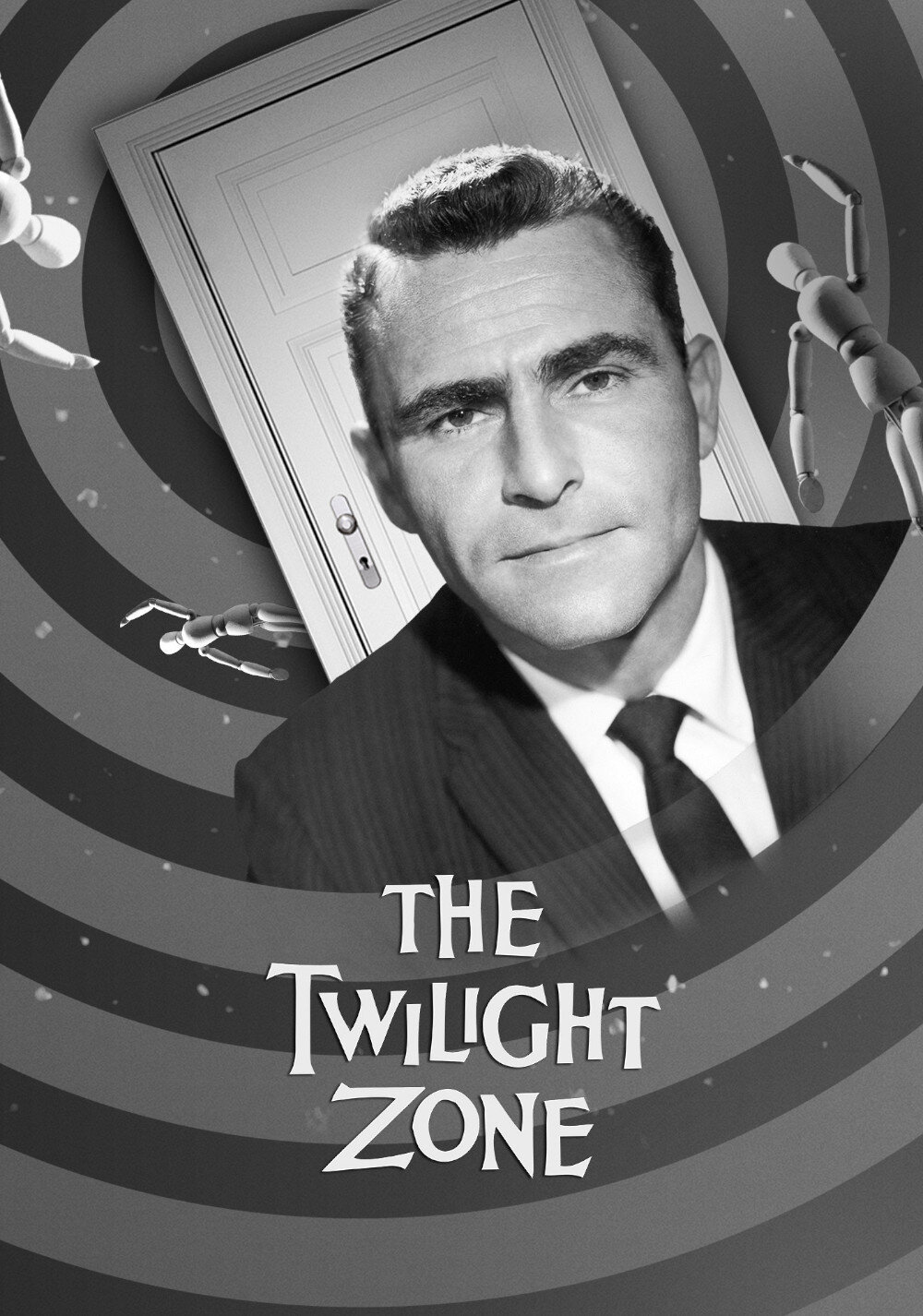
The Twilight Zone1959
Serling's anthology proved that 1950s TV could do smart, unsettling sci-fi on a modest budget. Each episode builds dread through ideas rather than spectacle.
But Black-and-white, often static, and the tonal earnestness won't appeal if you want action or visual splendor.
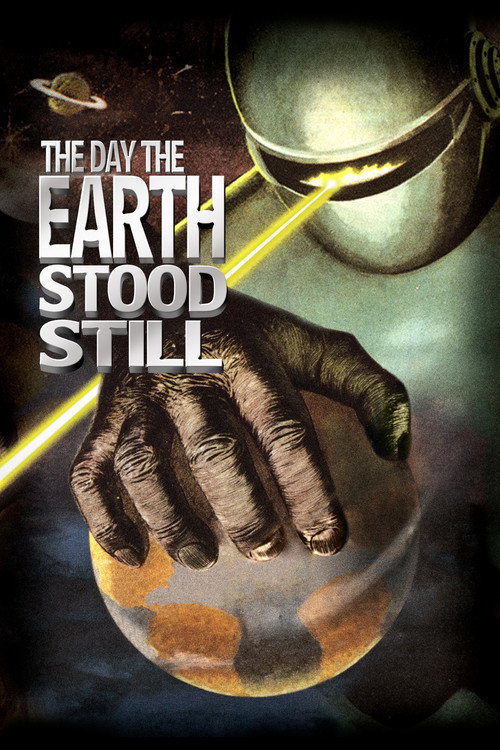
The Day the Earth Stood Still1951
A genuine classic: thoughtful, beautifully shot, with Klaatu as one of cinema's most benevolent aliens. Treats its premise with rare intelligence and moral weight.
But Lean on plot momentum—it's more meditation than adventure, and the Cold War anxieties driving it may feel period-specific now.
Not sure tonight? Get a pick in a minute, starting from Missile to the Moon
The wildcard
Something you would not have found on your own.
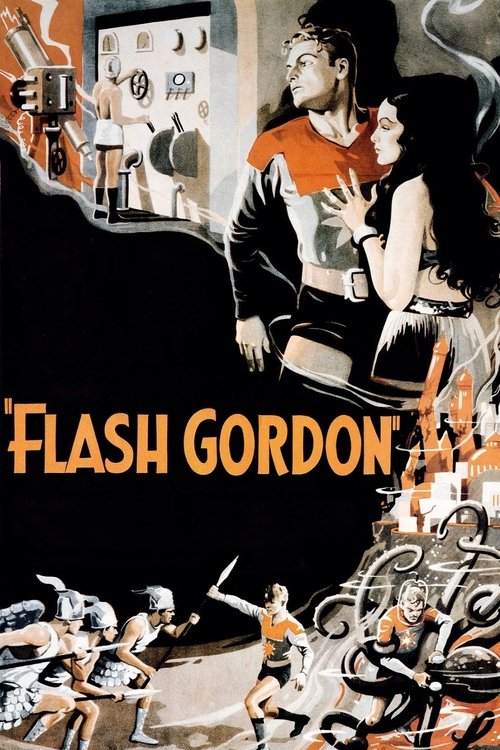
Flash Gordon1936
Both films are in direct lineage with Buck Rogers serials: the scrappy spaceship, the mixed crew, the alien civilization, the earnest mayhem. *Missile to the Moon* is Flash Gordon's practical-effects cousin.
A serial from before the atomic age got nervous. Pure pulp adventure: garish colors, ridiculous plots, creatures and sets designed to dazzle kids. It's the template your 1958 film inherited—fast, gorgeous, refusing to apologize.
But Campy beyond measure, with pacing built for theaters showing it in chapters. Thirty minutes in, you'll know exactly what you're getting, and some find that sameness exhausting.
More like this (8)
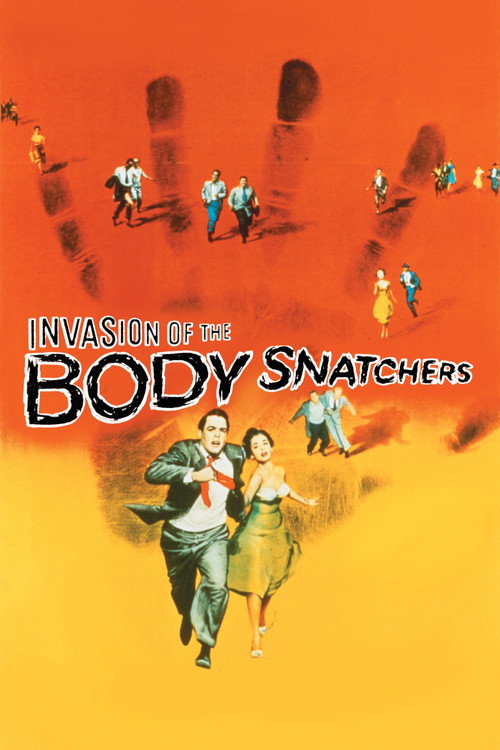
Invasion of the Body Snatchers1956
A paranoia engine that works as both creature feature and social allegory. The low budget amplifies the creeping dread; the pacing never falters.
But The logic of the pod premise doesn't withstand scrutiny, and some viewers find the bleak ending more frustrating than powerful.
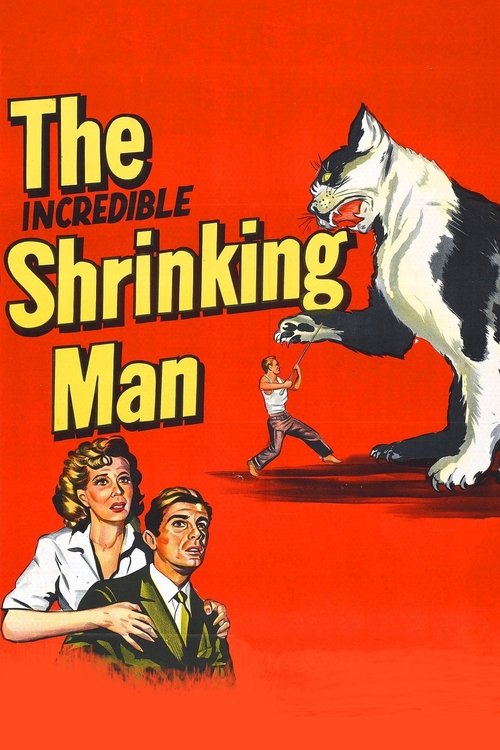
The Incredible Shrinking Man1957
A B-movie premise executed with genuine existential weight. The special effects are clever, the performances committed, and it builds to something philosophically troubling.
But The shrinking-man gimmick wears thin, and the domestic drama in the early scenes feels slight compared to the cosmic horror that follows.
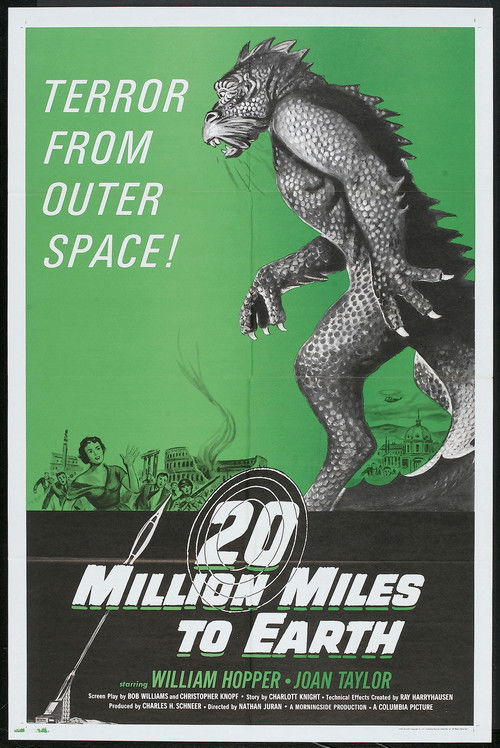
20 Million Miles to Earth1957
Ray Harryhausen stop-motion creature effects that still impress, plus a Rome setting that gives it exotic flair. Fast-paced and visually striking throughout.
But Paper-thin plot and dialogue that exists purely to move us between monster scenes. The creature's motivations make little sense.
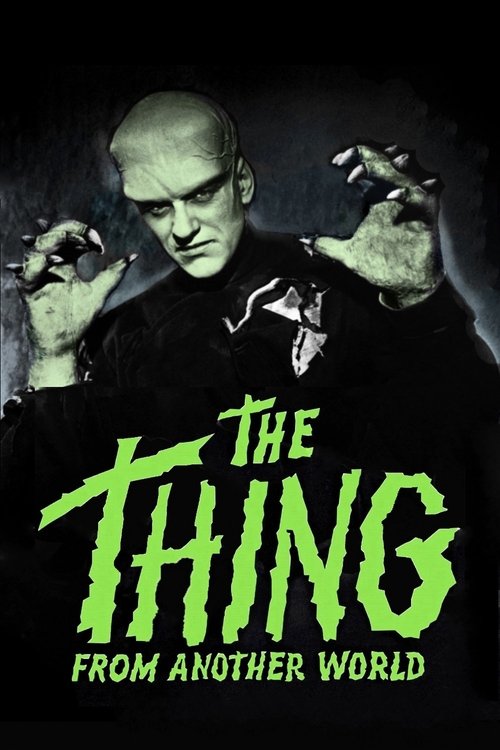
The Thing from Another World1951
A lean, tense sci-fi thriller that practically invented the 'trapped humans vs. alien' formula. Great ensemble cast, smart direction, genuine atmosphere.
But The creature itself is unimpressive—just a tall man in a costume—and the film's sexual anxiety reads dated to modern eyes.
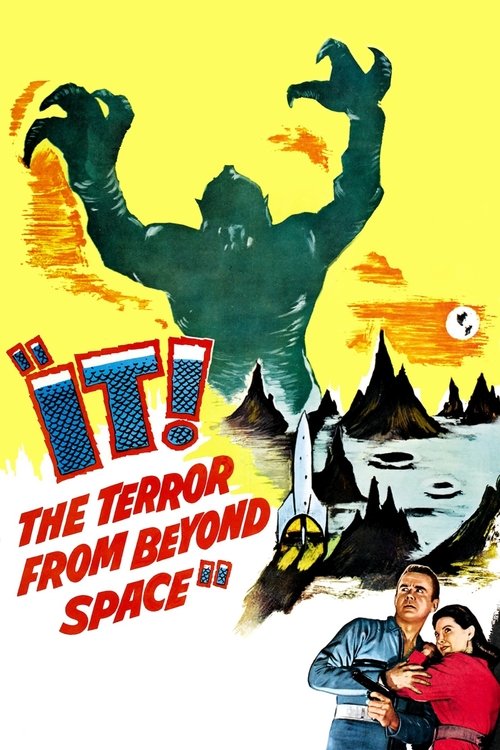
It! The Terror from Beyond Space1958
A lean, efficient creature-feature that proved you could do claustrophobic monster suspense on a shoestring. Direct influence on *Alien* and done with surprising craft.
But The spaceship interiors are cramped and repetitive; the script doesn't have much beneath the premise of 'something is hunting us.'
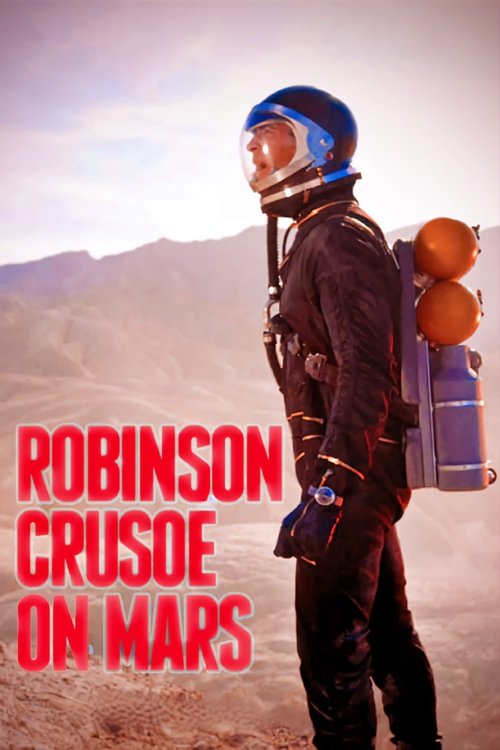
Robinson Crusoe on Mars1964
A sincere, surprisingly moving survival story that asks what it means to be alone on an alien world. The Martian landscape is genuinely striking.
But Very slow, with long stretches of a man solving problems alone. The final act takes a turn that undermines the film's meditative quality.
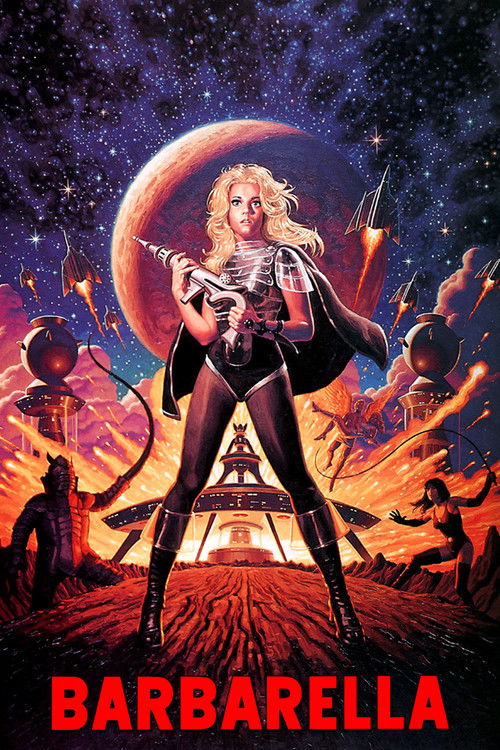
Barbarella1968
Both are low-stakes space adventure with creatures, capture plots, and all-female alien societies. *Barbarella* is what happens when camp becomes intentional—a mirror showing what *Missile* never quite knows it is.
A space-age fever dream that cost real money and looks it: sets designed like a fever, costumes that defy physics, and Jane Fonda committed to an absurd script. It's campy, yes—but *knowingly* so, which is its own kind of genius.
But Camp that winks at the audience can feel smug. If you want earnestness, not irony, this will feel like it's mocking you rather than inviting you in.
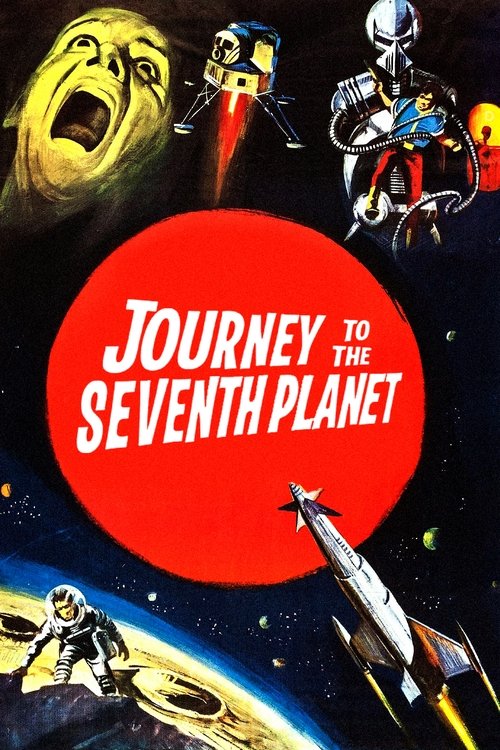
Journey to the Seventh Planet1962
A mixed crew in a confined spacecraft encountering alien intelligence, but where *Missile* defaults to action, *Seventh Planet* leans into wrongness and dread. Same ingredients, opposite emotional destination.
A Danish-American co-production with a tone all its own: dream-logic visuals, a crew exploring a planet of illusions, and genuine atmosphere. Alien and strange in ways American productions weren't.
But Glacially paced, mounted on a microscopic budget that shows. The final act dissolves into philosophy when you wanted plot. Not for viewers who need things to *happen*.
People
Cast
 Richard TravisSteve Dayton
 Cathy DownsJune Saxton
 K.T. StevensThe Lido
 Gary ClarkeLon
 Tommy CookGary
 Michael WhalenDirk Green
- Nina BaraAlpha
 Leslie ParrishZema, Lon's moon girl
 Laurie MitchellLambda, Gary's moon girl
 Henry HunterCol. Wickers
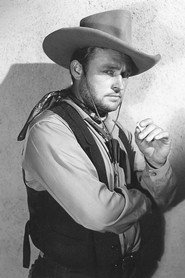 Lee RobertsSheriff Cramer
 Sanita PelkeyMoon Girl
Directing
- Richard E. CunhaDirector
Writing
- H.E. BarrieScreenplay
- Vincent FotreScreenplay
Production
- Marc FredericProducer