
Film
Invasion of the Neptune Men
A 1961 Japanese space opera where an astronomer moonlighting as a superhero battles metallic invaders from Neptune. Cheerfully cheap, dizzyingly earnest, and deeply weird in that specific way only 1960s tokusatsu sci-fi can be. For anyone who loves the genre's pure creative joy—what you can do with enthusiasm, imagination, and a budget that's basically three dollars and a dream.
Should you watch it?
Watch it if you love tokusatsu-era pulp where a brisk, goofy sci-fi premise matters more than polish, and a 74-minute serial-style romp with rubber-suited invaders and scientist-hero gadgetry sounds like pure fun.
Skip it if you need tight modern effects or a slow-building mystery; the sets, costumes and pacing are very much early-sixties Japanese genre cinema, and the charm depends on accepting that.
What it asks of you: Very little time and a willingness to shrug at creaky spectacle. It moves quickly and cheerfully, asking you to enjoy its naive, kid-friendly energy rather than to study it closely.
Not sure? Find tonight's pick in a minute.
If you liked this
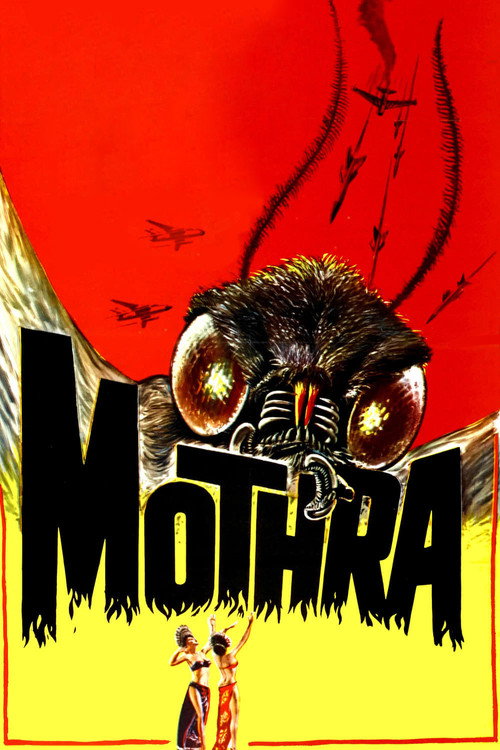
Mothra1961
Another Japanese giant-monster film from the same year, with genuine production craft behind the spectacle and a genuinely strange mythology. Colour, spectacle, and an unironic commitment to wonder.
But It's still a 1960s creature feature, so pacing is leisurely and some effects look handmade—because they are. If you need constant narrative momentum, you'll fidget.
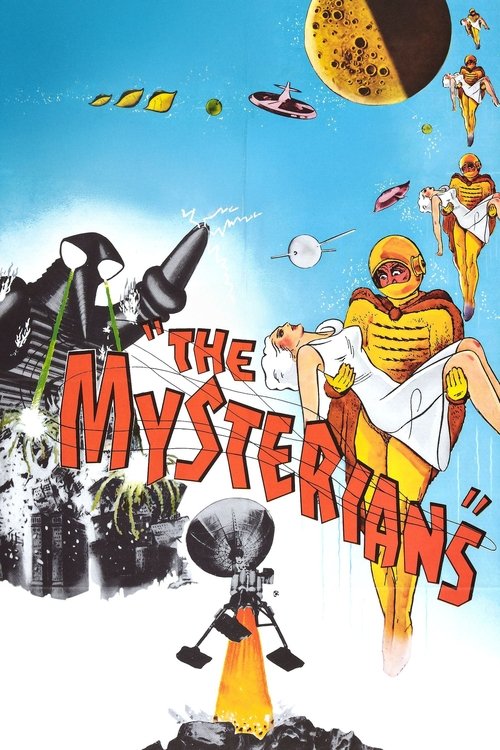
The Mysterians1957
Toho's alien-invasion template, executed with bigger resources and a more assured hand. Flying saucers, giant robots, and a sincere warning about nuclear anxiety wrapped in spectacular fun. This is the blueprint done right.
But At 85 minutes it's still methodical. The romance subplot exists because 1950s, and it's not why you're watching.
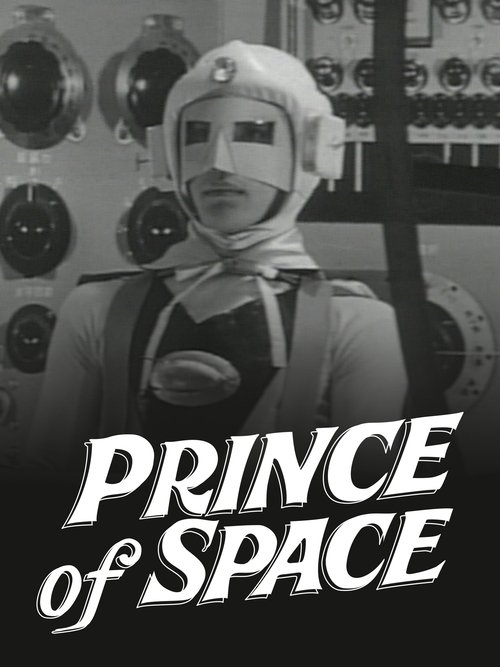
Prince of Space1959
A masked hero fights plastic-helmeted aliens in a film so aggressively low-budget it loops back to charm. The earnestness is total. Sonny Chiba fans will recognize the energy of Iron Sharp.
But The dubbing is notoriously terrible, the plot is threadbare, and it's 79 minutes of someone in tights jumping around miniature sets. If you need coherence, stop now.
Not sure tonight? Get a pick in a minute, starting from Invasion of the Neptune Men
The wildcard
Something you would not have found on your own.
The 10th Victim1965
Both imagine a future Earth facing impossible threats with optimism and ingenuity. One responds with a superhero, one with deadly games—but both are fundamentally about humans inventing meaning in a strange world.
An Italian sci-fi comedy about a future where murder is a legal sport. It's a completely different register—satirical, stylish, sophisticated—but built from the same optimistic-dystopia DNA. Elio Petri, Marcello Mastroianni, and a vision of the future as absurdist playpen.
But It's more interested in satire than spectacle, and much of its humour is period-specific and subtle. If you're here for monsters and ray guns, the wit will feel like distraction.

More like this (7)
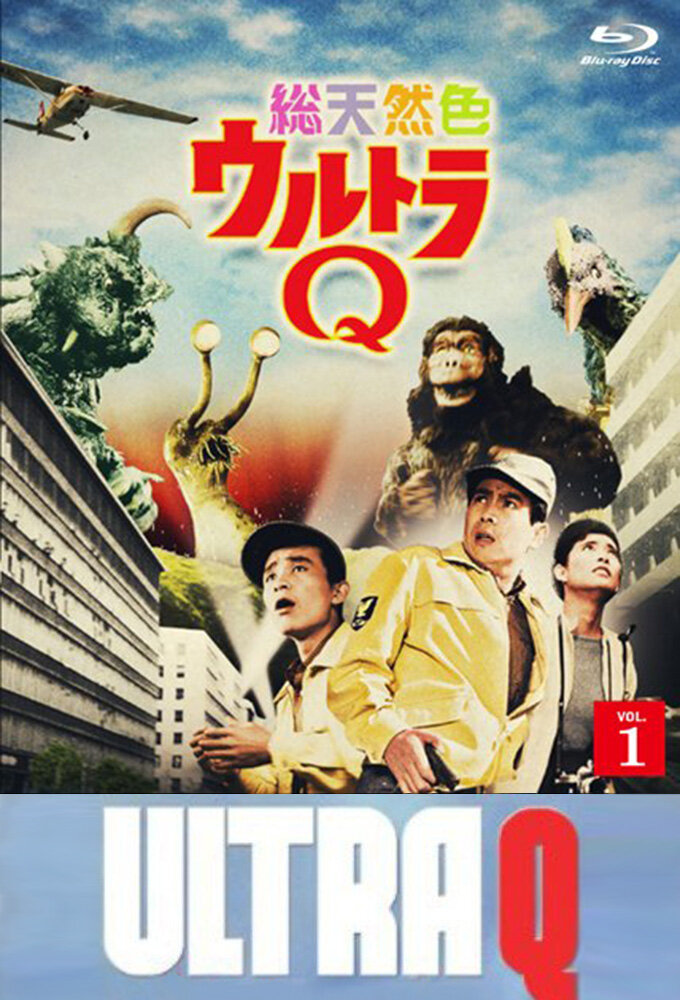
Ultra Q1966
The series that became Ultraman: early Tsuburaya Productions tokusatsu anthology exploring strange phenomena with the same practical-effects ingenuity and gentle weirdness. Each episode is a compact gem.
But Anthology format means no ongoing story to pull you through. Episodes vary wildly in quality, and some feel stretched even at 25 minutes.
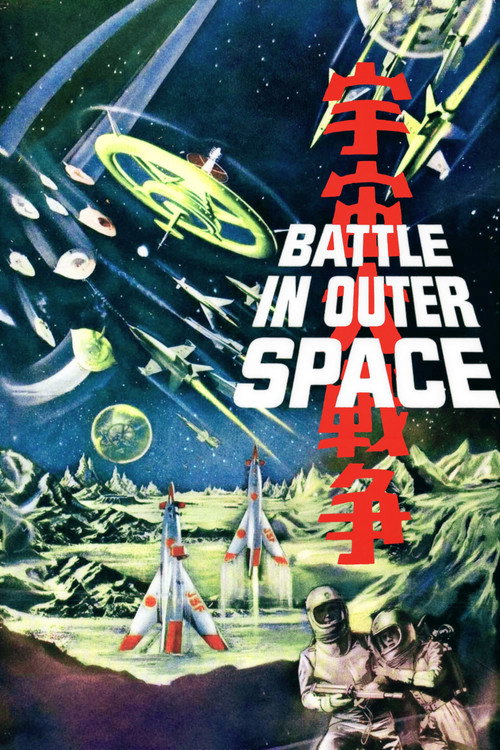
Battle in Outer Space1959
Toho's space-race epic: sleek design, genuine spectacle, and a vision of the future that feels both thrilling and oddly lonely. Matinee adventure for adults who still believe in tomorrow.
But The story is straightforward to the point of blandness. If plot complexity matters to you, there's not much here underneath the ships and ray guns.
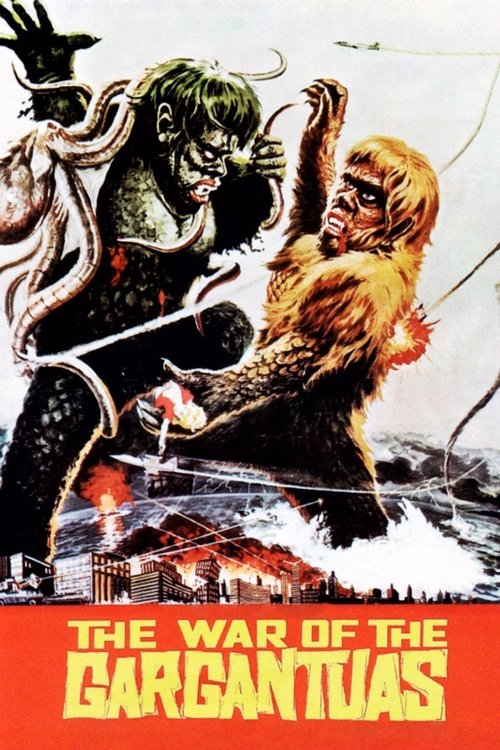
The War of the Gargantuas1966
Two giant monsters, one good and one evil, rampage through Tokyo in a film that's genuinely moving under the destruction. Russ Tamblyn, colour cinematography, and an unexpectedly poignant core.
But The second half slows considerably, and the script sometimes strains under its own ambition. Some of the monster scenes are genuinely unconvincing.
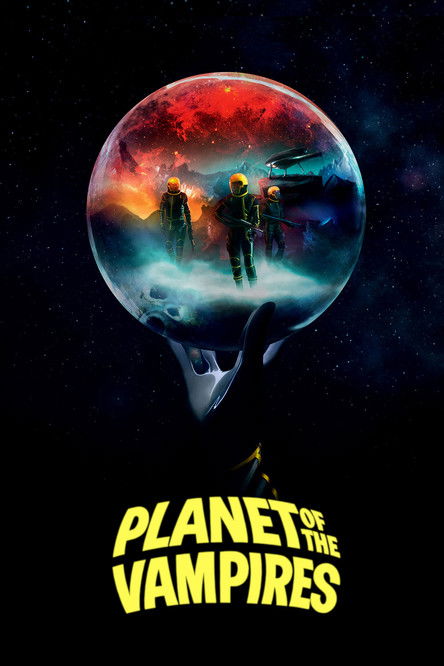
Planet of the Vampires1965
Bava's Italian space-horror masterpiece: eerie, visually stunning, and built from nothing but atmosphere and invention. A completely different tone, but the same love of pure imaginative cinema.
But It's slow, philosophical, and more interested in dread than action. If you want constant incident, you'll find it overindulgent.
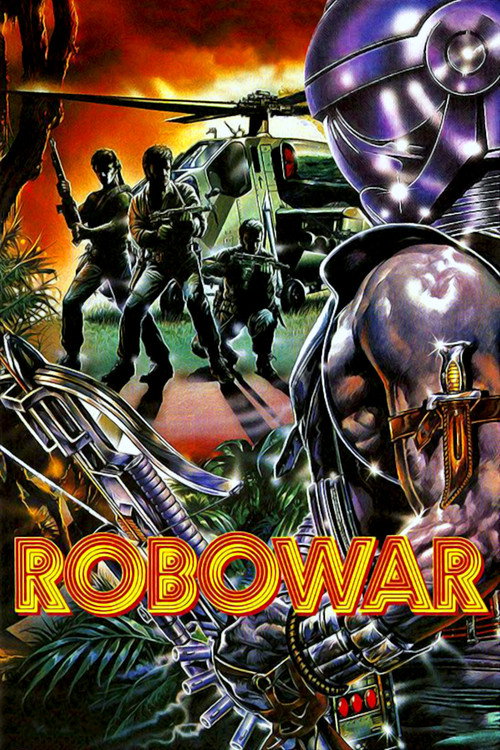
Robowar1988
A Filipino action film that ransacks Predator and RoboCop with no resources and absolute conviction. Not from the same era, but spiritually close: imagination triumphs over budget.
But The 80s VHS-quality cinematography is murky, the plot is nonsensical, and it's deeply uneven. If you need craft alongside the chaos, this isn't it.
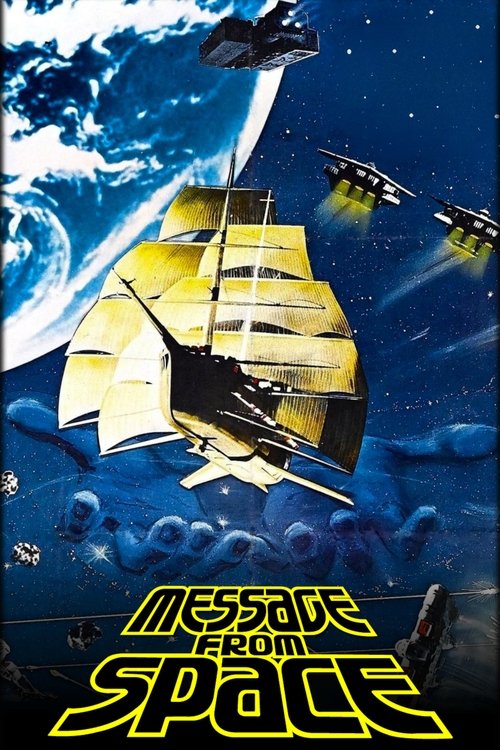
Message from Space1978
Both are Japanese films that treat space opera as home-made rather than imported. Both believe spectacle and heart matter more than logic or budget.
A Japanese space-opera that combines Toei's pop sensibility with Star Wars ambition: it's bigger, stranger, and far more visually baroque than Neptune Men. Tetsuro Tanba, ridiculous costumes, and genuine production scope. Pure joyride.
But It's a pastiche of multiple genres at once, so it never settles into coherence. The script is baggy, the tone shifts constantly, and it's 150 minutes of cheerful chaos.
Harakiri1962
Both show what Japanese cinema was doing in the early 1960s: one reaches toward the stars with wonder, one descends into history with dread. Together they map the full emotional range of the era.
A masterpiece of Japanese cinema made the same year as Neptune Men: visually devastating, morally complex, and built with absolute precision. It proves the era and medium had extraordinary range. From samurai ritual to alien invasion—Japan was making cinema that matters.
But It is the opposite of fun. It is tragedy, rigour, and despair. If you want escapism, this will flatten you. It's not entertainment, it's experience.

People
Cast
 Sonny ChibaTachibana - Scientist / Space Chief

 Ryuko MizukamiTanigawa Yoko


- Kappei MatsumotoTanigawa Hiroshi


- Koji SaharaGarrison Chief Mikami
Directing
- Junya SatōAssistant Director
- Koji OtaDirector
Writing
- Akihiro WatanabeOriginal Concept
- Shin MoritaScreenplay
Recommended by
The Incredibly Strange Creatures Who Stopped Living and Became Mixed-Up Zombies!!?, Journey to the Seventh Planet, Prince of Space, Hanuman and the Five Kamen Riders