
Television series
Ultra Q
Ultra Q is a 1966 Japanese monster-investigation series that predates Ultraman itself. Three young investigators—pilots and a reporter—chase cryptids, unexplained phenomena, and giant creatures across Japan with scientific curiosity and genuine wonder. It's earnest, beautifully shot in black-and-white, and more interested in mystery than spectacle. Perfect for anyone who loves early sci-fi or creature features with a documentary's patience.
Should you watch it?
Watch it if you love monster stories built episode by episode, where each week's oddity arrives like a small mystery and the mood stays eerie rather than goofy.
Skip it if you need fast pacing or tight continuity, since at 25-minute episodes the slow scenes and talky investigation can feel creaky and the effects look dated.
What it asks of you: Across 66 episodes of about 25 minutes each, it wants patience for slow-building puzzles and rewards close attention to the mystery over the monsters.
Not sure? Find tonight's pick in a minute.
If you liked this
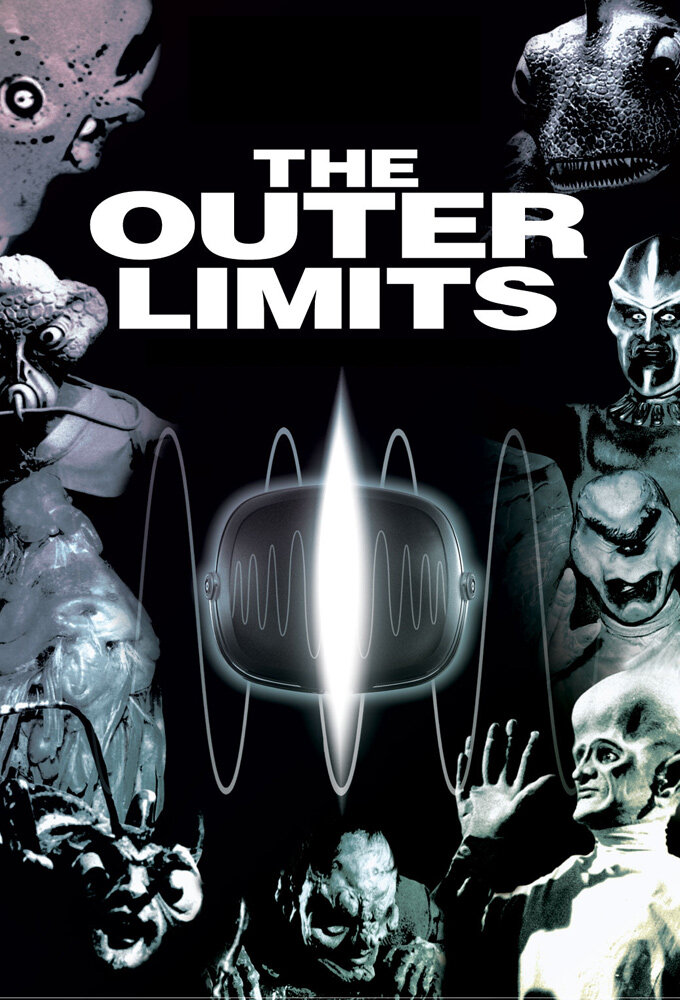
The Outer Limits1963
Anthology series exploring sci-fi and cosmic horror with genuine unease. Like Ultra Q, each episode investigates the uncanny with serious intent and practical effects that still hold up.
But Pacing is slow by modern standards, and some episodes resolve in disappointingly mundane ways. Commitment to low budgets shows.
The Twilight Zone1959
Master of the unexpected twist, with the same post-war fascination with science and the inexplicable. Rod Serling's narration carries real weight; episodes often unseat your certainties.
But Very uneven across five seasons. Some episodes are slight or dated in ways that date the whole thing. The framing device becomes repetitive.

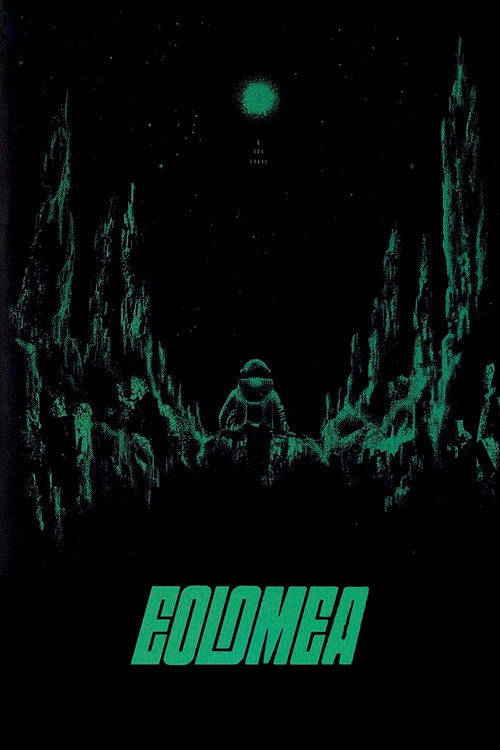
Eolomea1972
Soviet sci-fi about an expedition investigating a strange planet. Shares Ultra Q's documentary approach to the unknown—slow, methodical, genuinely mysterious about what humans are even looking for.
But Nearly four hours long and almost nothing happens by conventional standards. Deliberately, philosophically boring if you want plot momentum.
Not sure tonight? Get a pick in a minute, starting from Ultra Q
The wildcard
Something you would not have found on your own.
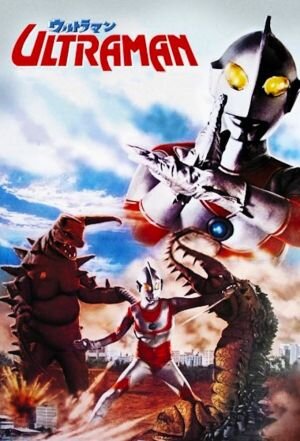
Ultraman1966
Literally the same production team and continuity; Ultraman emerges from the mysteries Ultra Q's investigators uncovered. You're watching the same world before and after the arrival of the hero.
Ultra Q's spiritual successor, made the same year. Same investigative team, same monsters, same Japan—but now with a giant alien superhero arriving to fight them. The perfect next step if you want the same world expanded.
But The addition of Ultraman changes the entire tone from mystery to action-adventure. Less ambiguous, more straightforwardly heroic. Some viewers find it less thoughtful than its predecessor.
More like this (7)
The Quatermass Experiment1953
British serial about scientists investigating a returned spacecraft. Pioneering TV sci-fi with the same sense of serious professionals grappling with the genuinely weird.
But Exists only in reconstruction and kinescope; video quality is rough. Pacing expects viewers willing to sit with dread rather than action.
Journey to the Center of the Earth1959
Jules Verne adaptation with practical sets and a real sense of expedition into the unknown. Fantastical but grounded, with the same mystery-solving energy as Ultra Q's best episodes.
But Hollywood production values mean it's cozier than creepy. Romantic subplot slows momentum in places.

The Invisible Man1933
Universal's mad-scientist masterpiece. James Whale's control of tone—mixing horror, science, and dark comedy—predates and mirrors Ultra Q's balance of wonder and genuine unease.
But Climax shifts toward conventional action. Some effects haven't aged as gracefully as the cinematography and design.

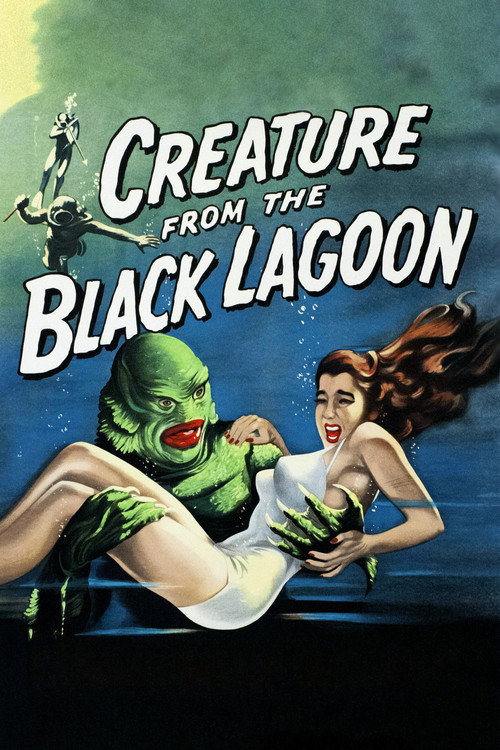
Creature from the Black Lagoon1954
Scientists investigating an unknown creature in the Amazon. Lush, atmospheric, beautiful black-and-white cinematography. Ultra Q draws directly from this lineage of creature-investigation films.
But Romance dominates the second half. Creature is less interesting once revealed in full light.
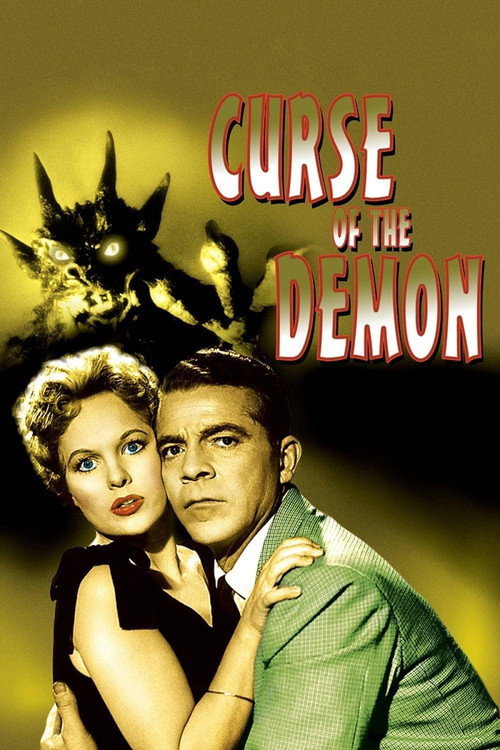
Night of the Demon1957
A skeptical professor investigates a cult's supernatural claims. Genuinely eerie despite limitations, with the same intellectual curiosity about what skepticism can and cannot explain.
But Special effects are notoriously terrible. Third act relies on the demon reveal that undercuts much of the film's tension.
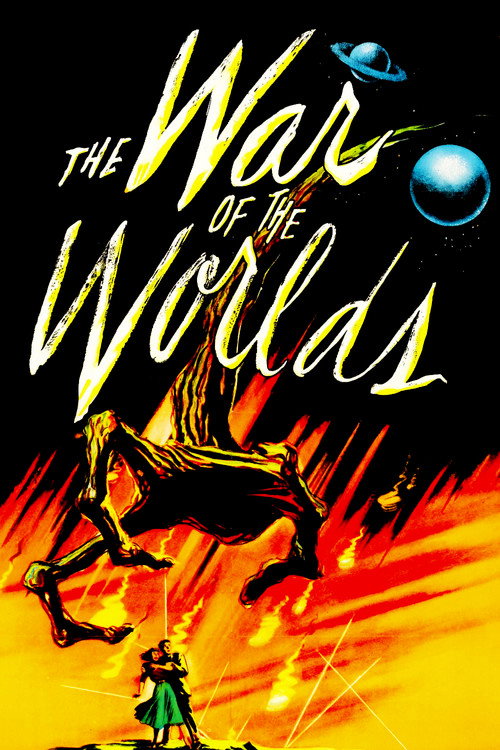
The War of the Worlds1953
Both treat catastrophic invasion of the familiar world with documentary seriousness. Where Ultra Q investigates small mysteries, War of the Worlds escalates to existential threat—the logical endgame of the same unsettling logic.
Iyasu Hideo's Japanese adaptation of Wells' invasion narrative—a monument of 1950s sci-fi production design. Sees the invasion through civilian eyes with actual apocalyptic weight. Visually stunning, philosophically serious.
But Pacing is glacial by any standard. Action sequences are sparse. Non-Japanese viewers may struggle with availability and subtitles, and the film's length demands patience.
Stalker1979
Both are journeys of investigation into the unknown guided by curiosity and faith in reason. Both ask whether understanding the mystery is even possible, or whether the search itself is the point. Same DNA, opposite endpoints.
Andrei Tarkovsky's Soviet meditation on desire and mystery. Three men journey into a forbidden zone to find a room that grants wishes. Meditative, hypnotic, shot through with genuine metaphysical dread about what we're searching for and why.
But 163 minutes of slow, philosophical cinema with minimal plot. No monsters, no answers, no conventional drama. Pure mood and existential weight. Demands active contemplation rather than entertainment.

Recommended by
Ultraman, Police Story 2, Invasion of the Neptune Men, Kamen Rider Zero-One: What Will Hop Out of the Kangaroo? Decide on Your Kangar-own! That's How You Know It's Aruto!