
Television series
The Outer Limits
Before Rod Serling's twist endings became the face of TV science fiction, The Outer Limits went for something colder: rubber-suited monsters, cosmic dread, and a Control Voice promising you weren't in charge of what you were about to watch. Each hour is a standalone parable, heavier on atmosphere and practical effects than irony, built to unsettle rather than reassure. Great for anyone who wants their sci-fi paranoid and strange.
If you liked this
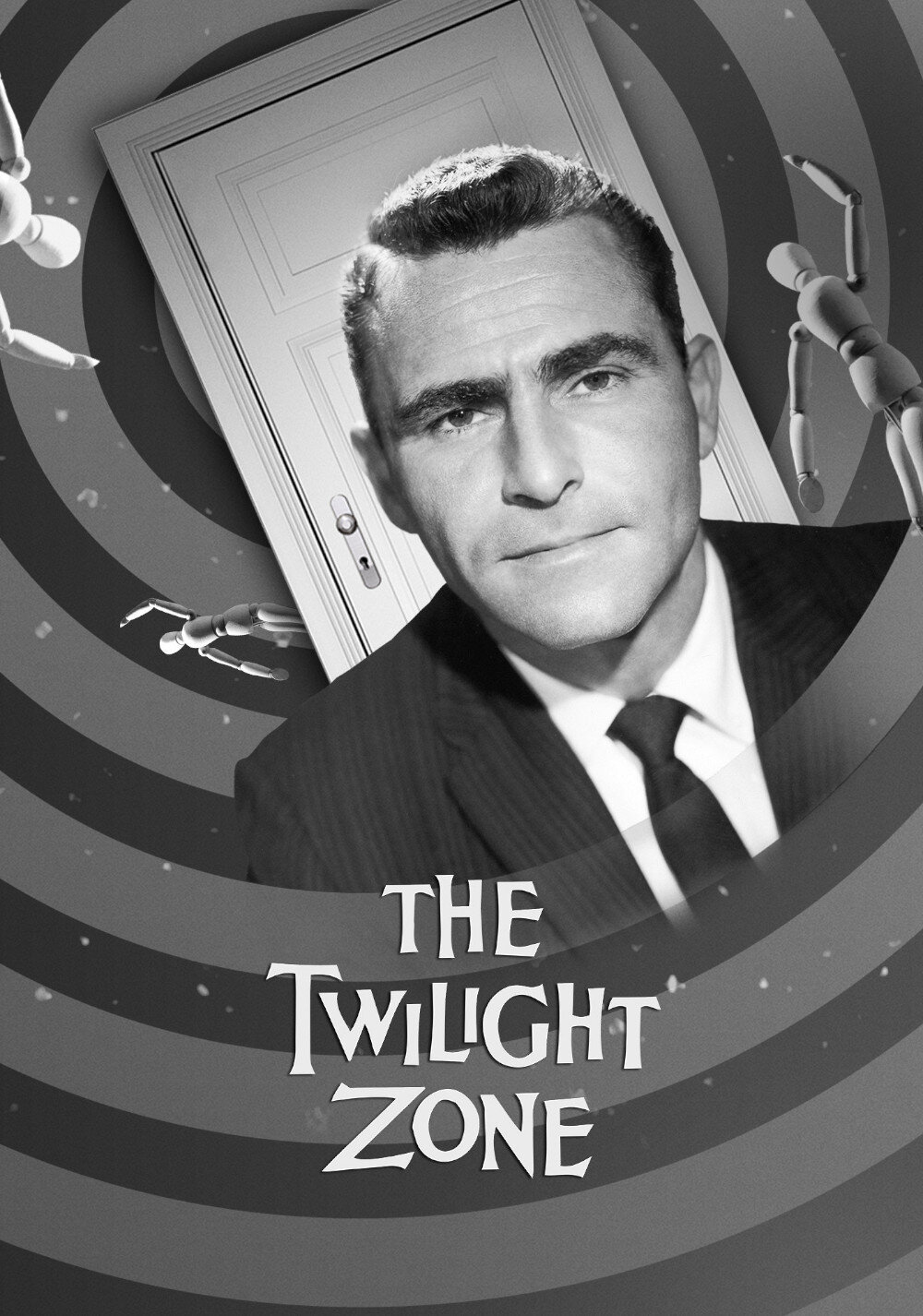
The Twilight Zone1959
The other great anthology of the era, and the one everyone actually remembers — Serling's version leans on irony and twist endings where Outer Limits leans on dread and monsters. Essential context for what TV sci-fi could be.
But More whimsical and moralistic; if you came here for genuine creature-feature scares, some episodes will feel gentler than you want.
Black Mirror2011
Same anthology bones, same appetite for using speculative premises to make you queasy about the present — just swap monsters for smartphones and algorithms. The natural modern descendant.
But Colder and more cynical, with none of the Control Voice's showmanship — it argues rather than haunts.
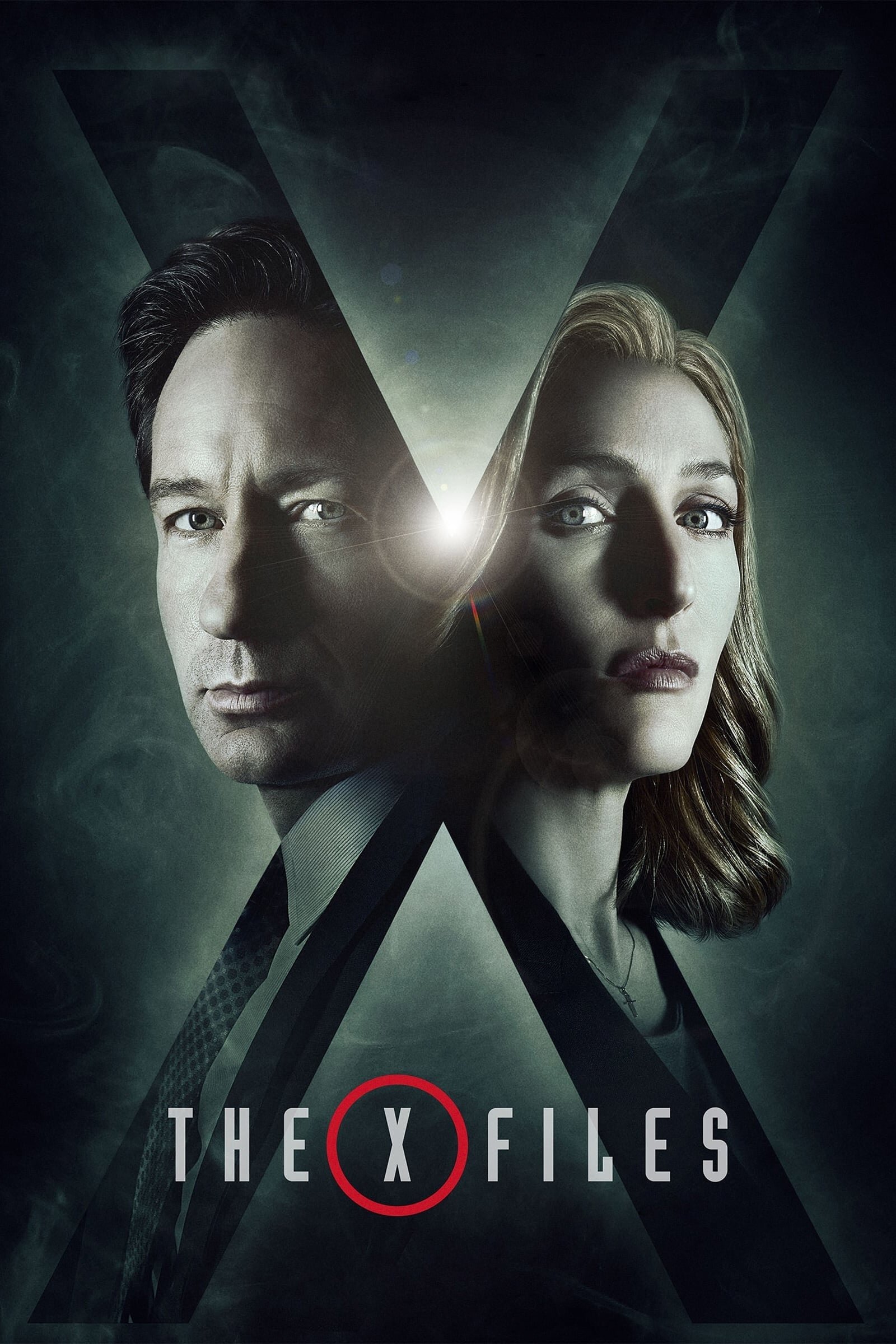
The X-Files1993
Takes Outer Limits' monster-of-the-week engine and stretches it across a decade, adding a slow-burn conspiracy, two leads worth spending years with, and jokes Outer Limits never allowed itself.
But The mythology arc gets tangled and frustrating; you may prefer the anthology's commitment-free one-and-done format.
The wildcard
Something you would not have found on your own.
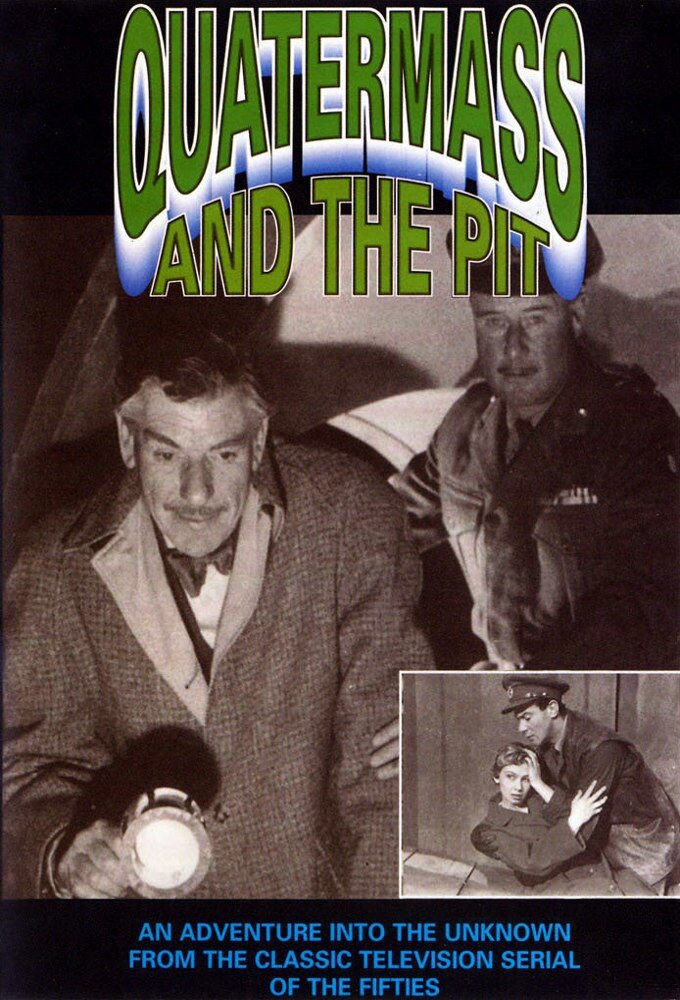
Quatermass and the Pit1958
Outer Limits' writers grew up on Kneale's Quatermass serials — same instinct to use the alien as a mirror for what's wrong with us, just told as one continuous story instead of standalone episodes, and years earlier.
The British serial that got there first — five years before the Control Voice, Nigel Kneale was already using alien menace to interrogate human violence and superstition, with a slow, procedural dread Outer Limits inherited wholesale.
But Cheap 1950s BBC production values and a serialized structure demand patience; nothing here moves fast.
More like this (7)
Tales from the Crypt1989
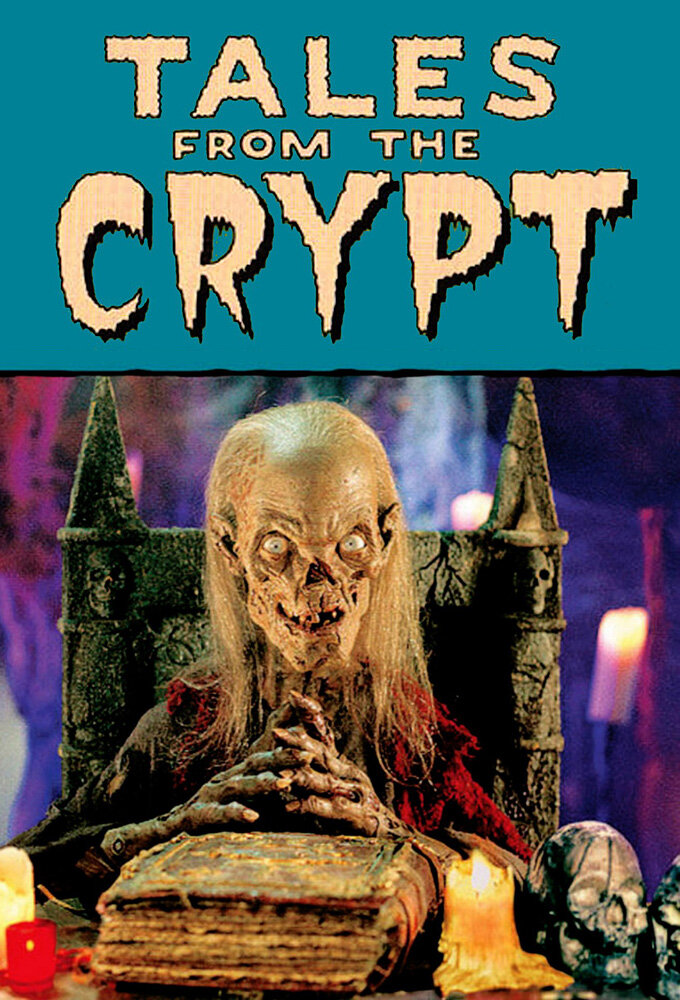
Horror anthology with a wicked grin instead of a solemn Control Voice — gorier, funnier, unapologetically pulpy, and just as addicted to the twist ending.
But Trades philosophical unease for shock and camp; if you liked Outer Limits' seriousness, this will feel like a different animal.
Night Gallery1969no page yet
Rod Serling's follow-up to Twilight Zone, painted in a more gothic, macabre register — closer in mood to Outer Limits' creature-driven dread than his earlier show ever was.
But Inconsistent quality across episodes and a lower budget than even Outer Limits managed; patience required.
Fringe2008
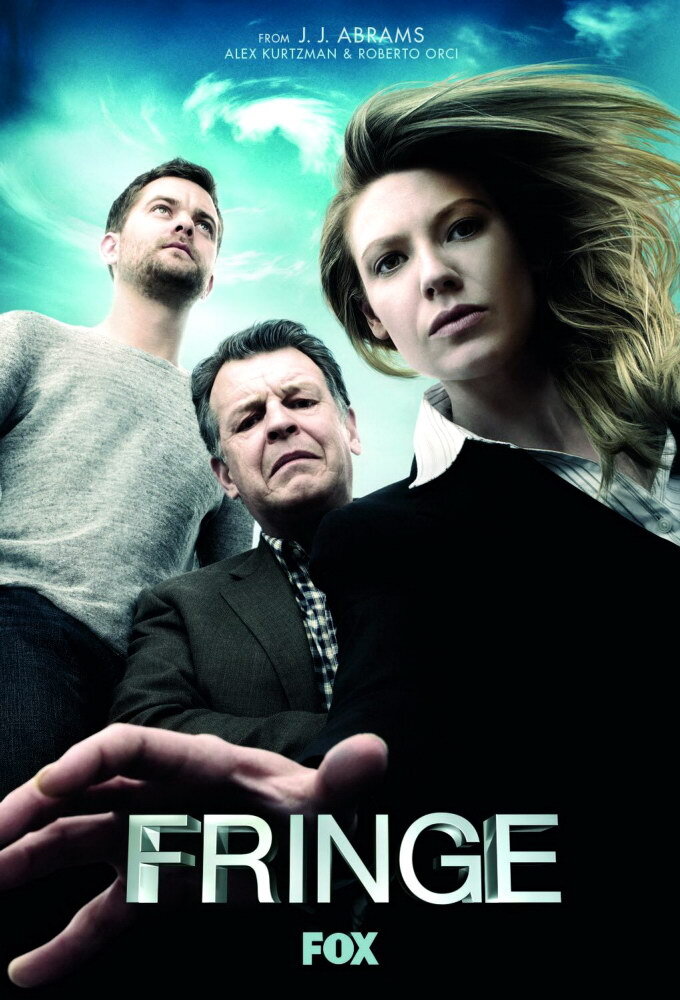
A modern series obsessed with the same fringe science and body-horror weirdness, stretched into serialized mythology with real emotional stakes and a cast you'll actually miss.
But Loses the anthology's discipline — you're in for five seasons of commitment, not a standalone hour.
Amazing Stories1985no page yet
Spielberg-produced anthology with big-name directors and a gentler, more wondrous take on speculative fiction — sci-fi as fairy tale rather than warning, and a nice reminder the genre doesn't always have to bite.
But Softer and more sentimental; if you want the Control Voice's menace, this trades it for charm.
Love, Death & Robots2019
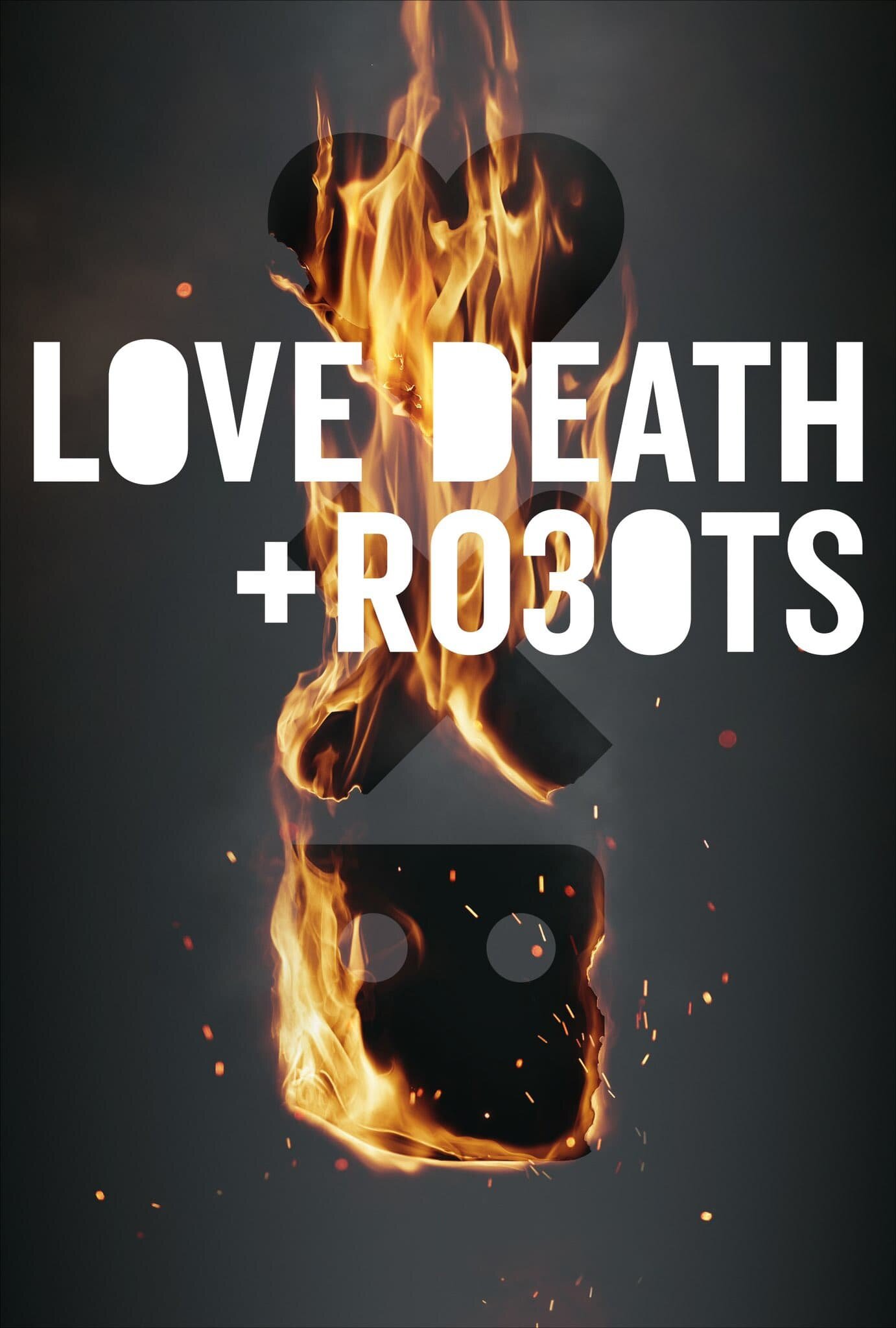
Animated anthology that swings wildly between horror, comedy and pure spectacle in fifteen-minute bursts — proof the anthology format still has teeth decades after Outer Limits helped invent it.
But Episodes are wildly uneven in tone and quality, and the animation-first approach is a big aesthetic departure.
The Manchurian Candidate1962
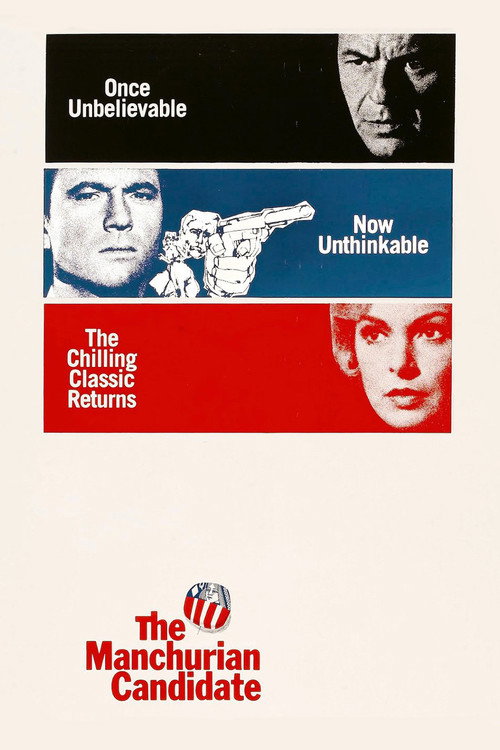
Made the same year Outer Limits began, both open with the idea that your mind isn't fully your own — one literalizes it with a Control Voice, the other with hypnosis and assassins, same era's fear of unseen manipulation.
A brainwashing, Cold War paranoia thriller from the same anxious moment — no rubber-suited monsters, but the same dread that someone, somewhere, is controlling what you think and see.
But It's a tense political thriller, not a horror show — no monsters, no twist-of-the-week structure, just slow-building institutional paranoia.
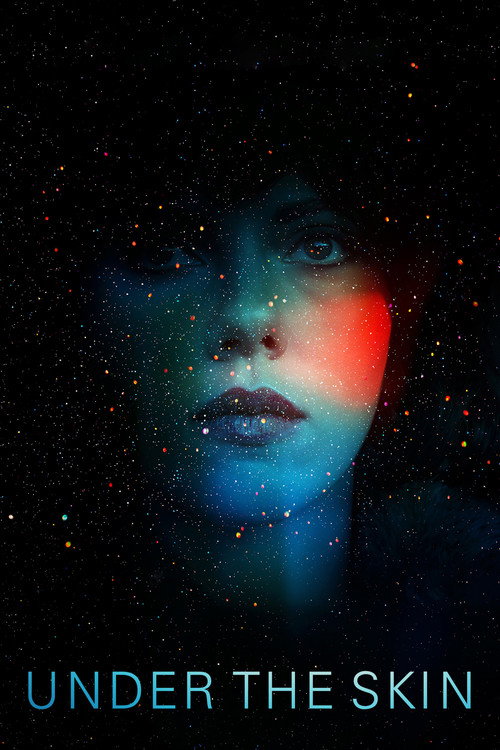
Under the Skin2014
Same premise Outer Limits ran weekly — an alien intelligence observing humanity from just outside understanding — but played art-house serious and silent instead of pulpy and narrated, showing how far the same idea can stretch.
An alien walks among us, hunting, and the film refuses to explain a single thing — pure atmosphere, dread, and a synth score that gets under your skin exactly as promised.
But Glacially paced and almost wordless; if you want plot or explanation, this will frustrate rather than satisfy.
People
Cast
Directing
- Claude Binyon, Jr.Assistant Director
- Gregg PetersAssistant Director
- Lee H. KatzinAssistant Director
- Phil RawlinsAssistant Director
- Robert H. JustmanAssistant Director
- Rusty MeekAssistant Director
- Willam P. OwensAssistant Director
- Wilson ShyerAssistant Director
Writing
- Joseph StefanoCreator
- Leslie StevensCreator
Production
- Dominic FrontiereAssociate Producer
- John ErmanAssociate Producer
- Leon ChooluckAssociate Producer
- Lou MorheimAssociate Producer
- Sam WhiteAssociate Producer
- Seeleg LesterAssociate Producer
- Leslie StevensExecutive Producer
- Ben BradyProducer
- Joseph StefanoProducer
Recommended by
The Twilight Zone, Tales of the Unexpected, Alfred Hitchcock Presents