
Television series
Timeslip
Timeslip is a 1970 British science-fiction series where three children mysteriously vanish from a Midlands village, pulled into temporal anomalies that strand them in different eras. It's a genuinely unsettling adventure that treats time travel as horror rather than spectacle, mixing period detail with creeping dread. For anyone who loved Doctor Who's scarier edges or wants to see how British television handled sci-fi before it became safe.
If you liked this
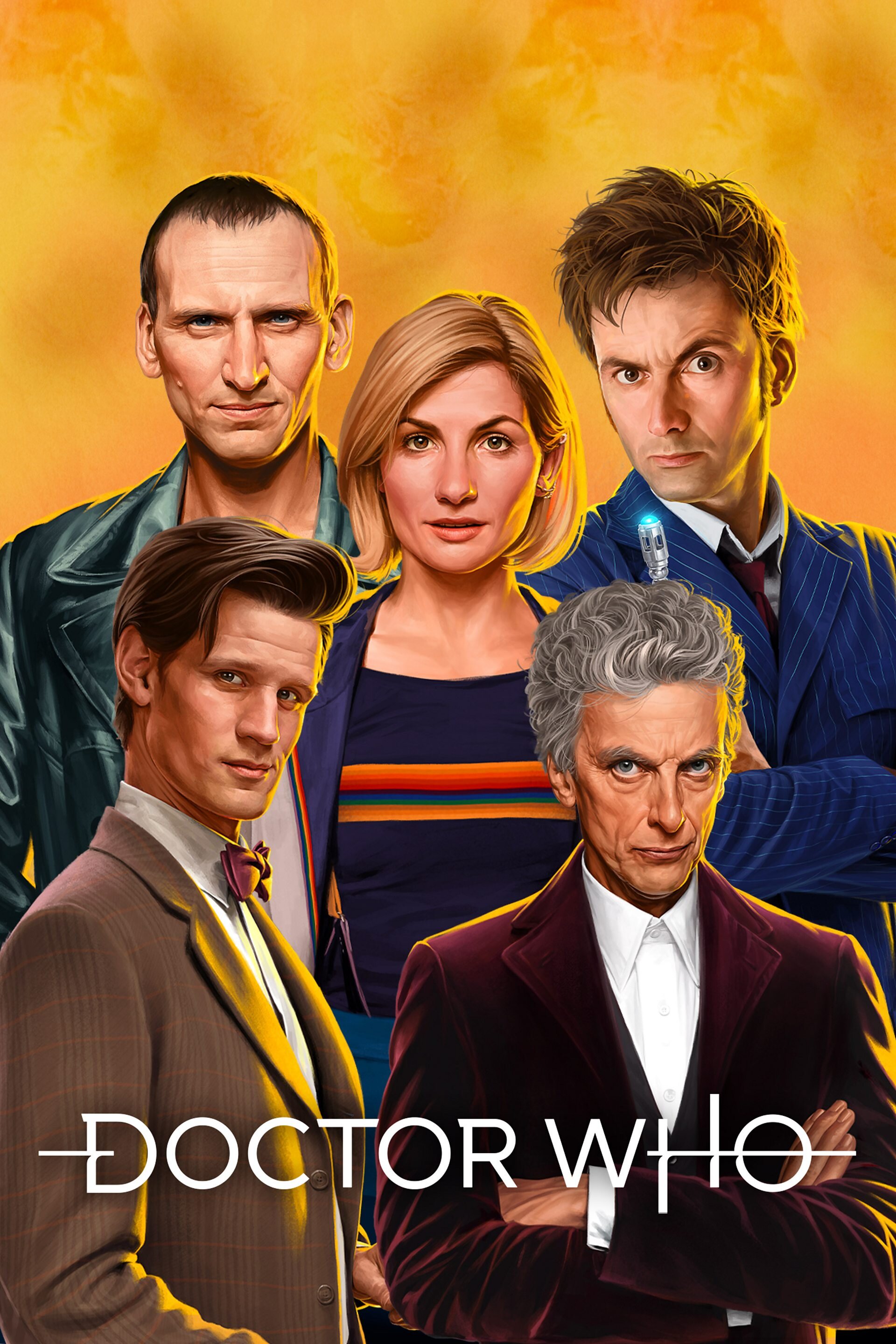
Doctor Who2005
The obvious comparison, but worth it: same era BBC ambition, similar blend of scientific premise and genuine menace. The Fourth Doctor's run especially shares Timeslip's willingness to let children face real peril without winking at the audience.
But It's patchy by design—some serials sing, others limp. The production values are visibly thin, which some find charming and others find distracting.
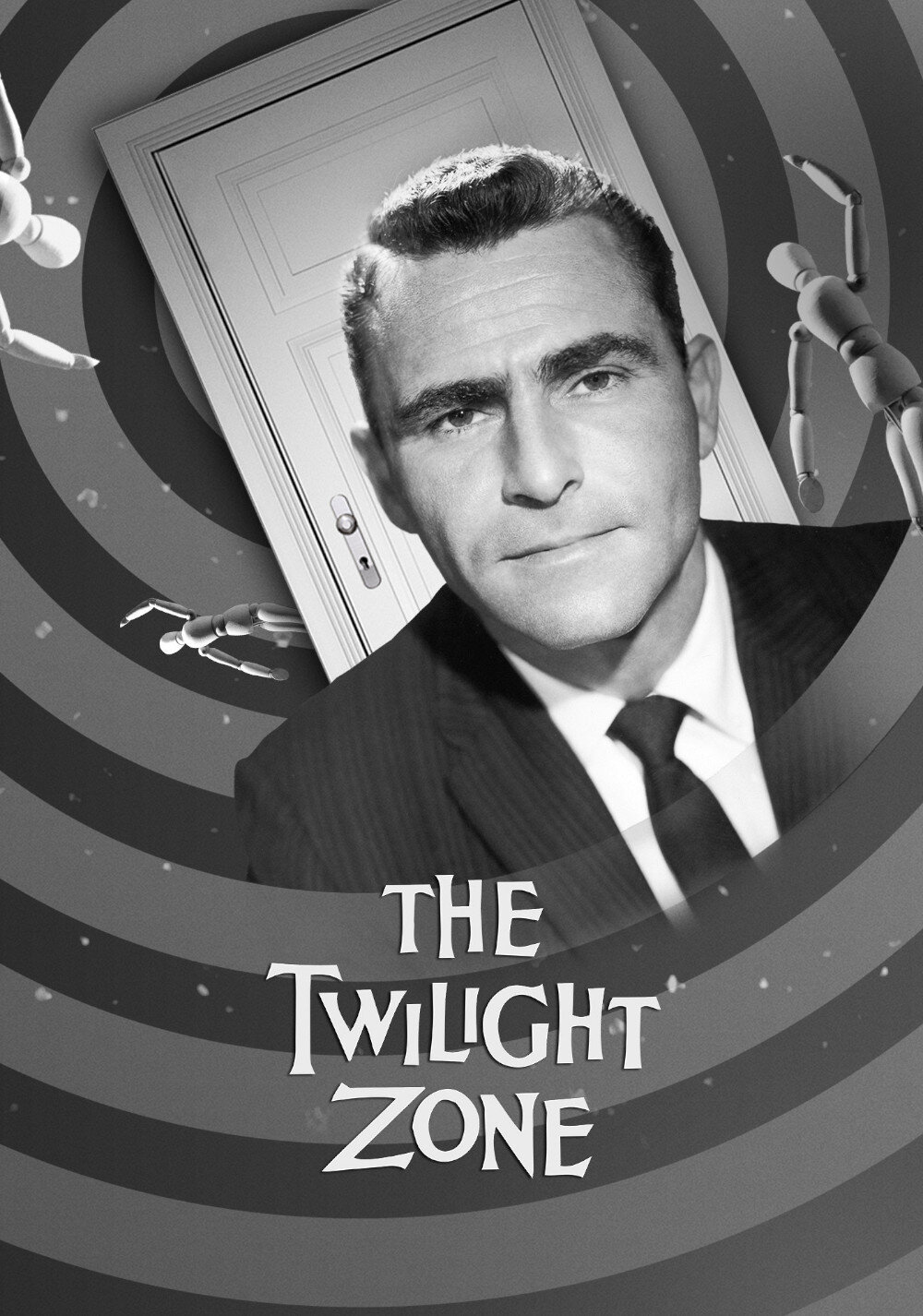
The Twilight Zone1959
American template for the eerie, impossible premise. Timeslip borrows that structure—ordinary people in extraordinary circumstances—but Timeslip's serialized format lets it build dread across episodes rather than resolve it in thirty minutes.
But The 1959 version can feel dated in its sermonizing. Some episodes are stronger than others, and not all have aged equally well.
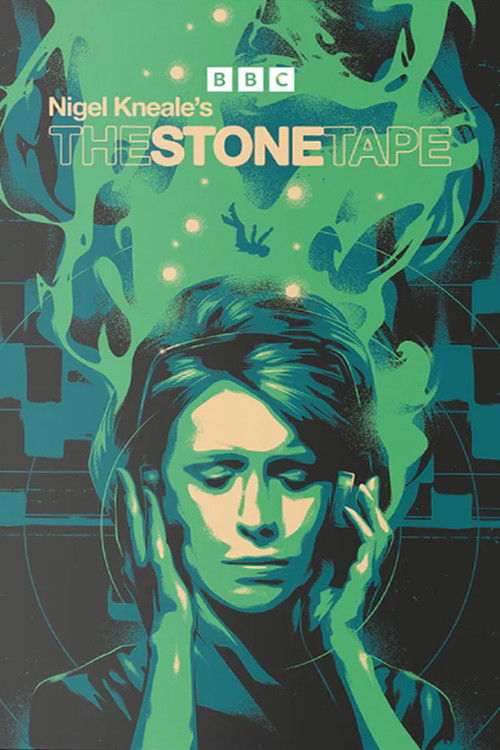
The Stone Tape1972
A BBC play that asks what ghosts might be—recorded moments in time, essentially. Made just after Timeslip, it shares the same DNA: British genre seriousness, temporal unease, and a refusal to make sci-fi comforting.
But It's slow-burn and cerebral. There's no action, just accumulating wrongness. If you need movement and plot momentum, you'll find it static.
Not sure tonight? Get a pick in a minute, starting from Timeslip
The wildcard
Something you would not have found on your own.
Planet of the Apes1968
Both trap protagonists in a temporally inverted world where the familiar rules no longer apply, forcing them to confront reality as something less stable than they assumed.
Entirely different register—American blockbuster rather than British television—but it shares Timeslip's core horror: characters displaced in time, unable to trust their perceptions of reality, discovering that their world has become alien and wrong. The temporal twist ending echoes that same unsettling vertigo.
But It's an action film with blockbuster beats. If you're watching for atmosphere and dread rather than excitement, the adventure-movie pacing might feel at odds with Timeslip's creeping tone.

More like this (7)
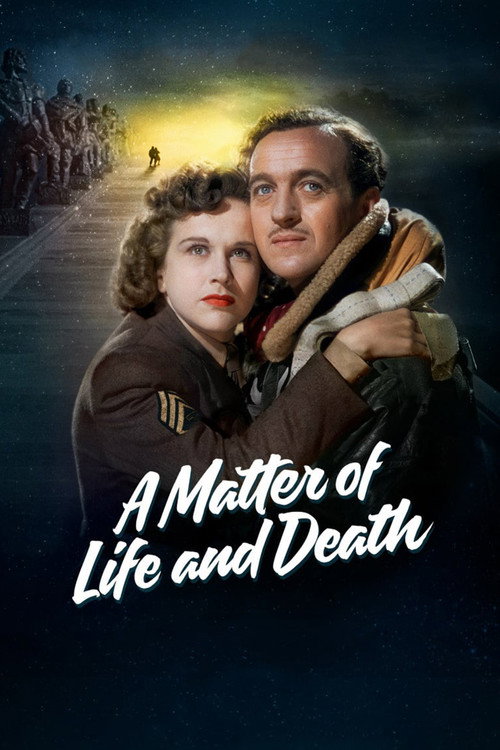
A Matter of Life and Death1946
Powell and Pressburger's afterlife adventure has the same sense of stepping sideways into another realm that Timeslip captures. Visually gorgeous, philosophically ambitious, and it proves British cinema could do impossible worlds.
But It's nearly two hours and unapologetically romantic. The pace is deliberate, almost dreamlike, which can feel slow if you're expecting conventional drama.
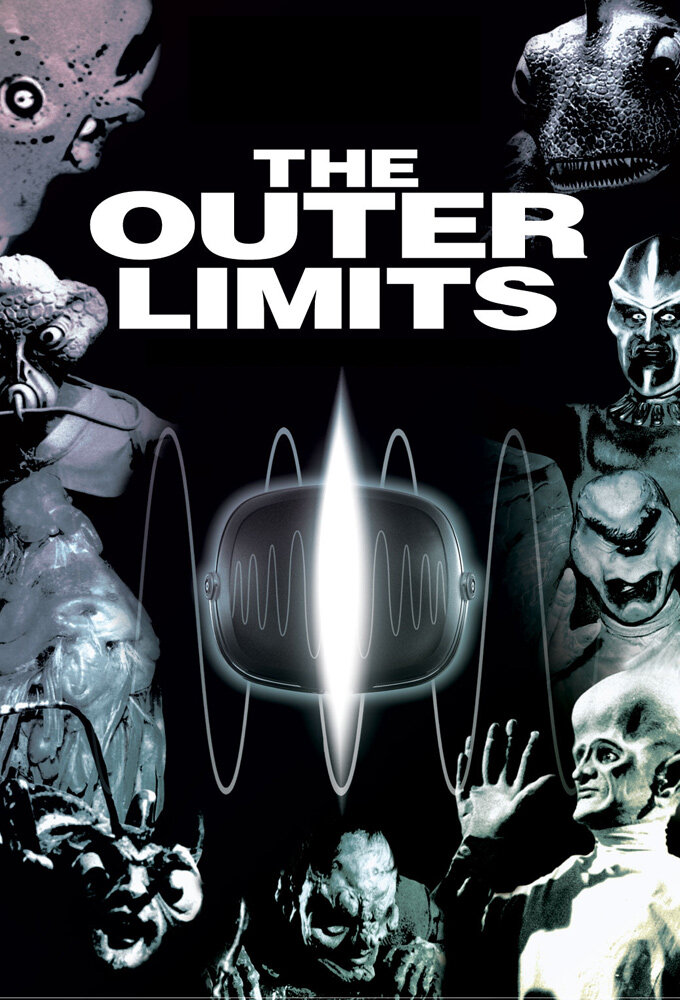
The Outer Limits1963
American series with similar DNA to Twilight Zone but more elaborate sci-fi premises. Some episodes are genuinely disturbing, especially when they focus on what happens to ordinary people when reality shifts.
But Production quality varies wildly. Some episodes look cheaply made even by 1960s standards, and the writing is uneven across the two seasons.
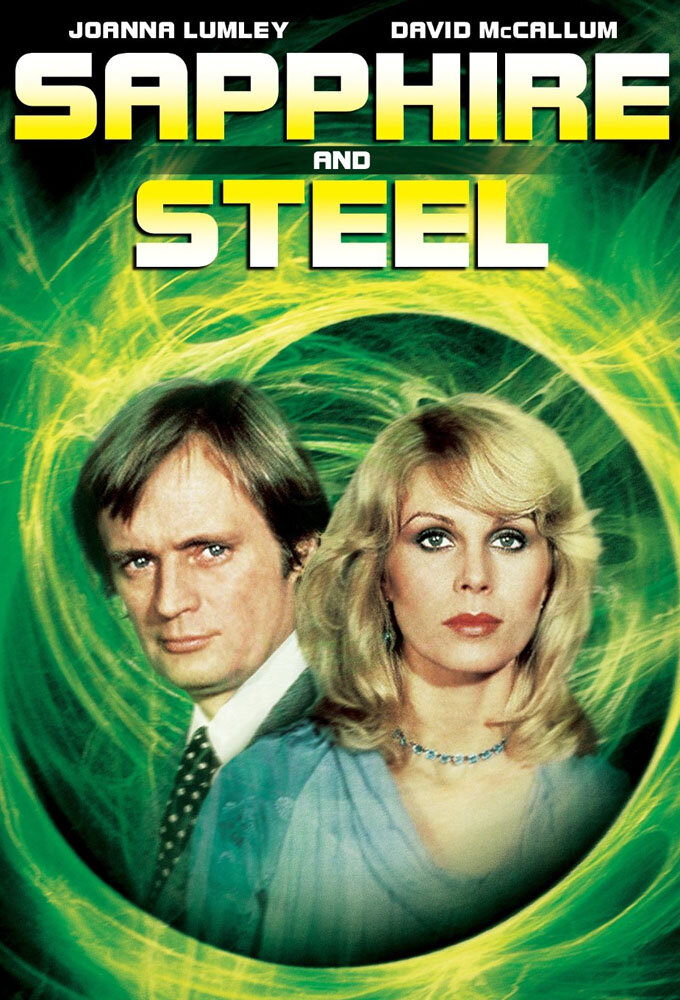
Sapphire and Steel1979
British series that took temporal horror seriously and made it haunting. It's oblique and atmospheric, more interested in mood than explanation, which gives it an uncanny power that feels adjacent to Timeslip's best moments.
But It's deliberately opaque. Plot clarity is not a priority, and some viewers find that frustrating rather than intriguing.
The Time Tunnel1966
American series where scientists get trapped bouncing through time. It's lighter and more adventure-focused than Timeslip, but shares the core concept of characters displaced from their era and struggling to get home.
But It prioritizes action and spectacle over atmosphere. If you want Timeslip's creeping dread, this trades that for Saturday-morning adventure energy.
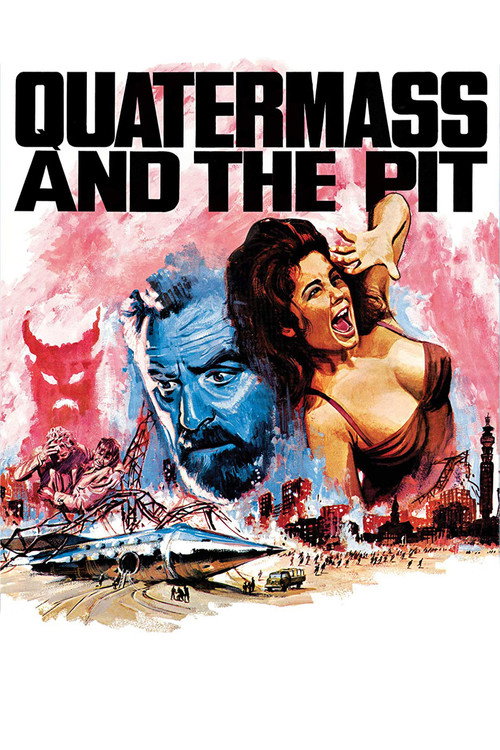
Quatermass and the Pit1967
BBC adaptation of Nigel Kneale's play, exploring ancient evil uncovered in modern London. It has that same British horror-SF blend—scientific rationalism confronting the inexplicable—that Timeslip does so well.
But The pacing is measured and the dialogue is talky. There's more discussion than action, which can feel static if you prefer propulsive plotting.
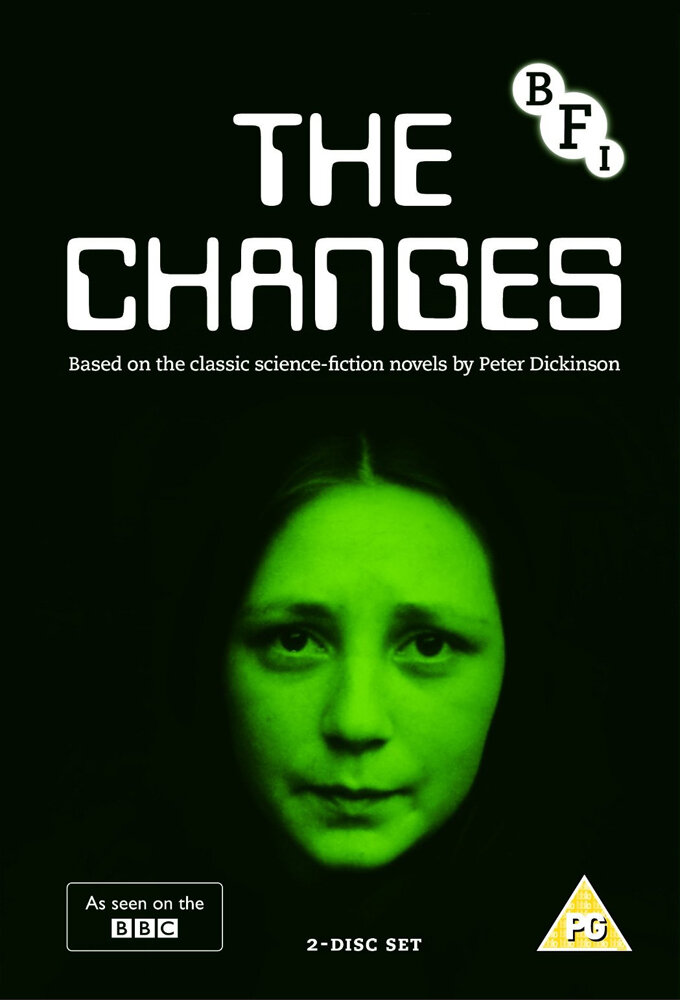
The Changes1975
BBC children's series about a world transformed overnight into something hostile. It shares Timeslip's willingness to genuinely unsettle its young audience and treat sci-fi premises as real problems rather than puzzles to solve.
But It's more bleak than fun. The atmosphere is relentlessly tense, which some find rewarding and others find exhausting.
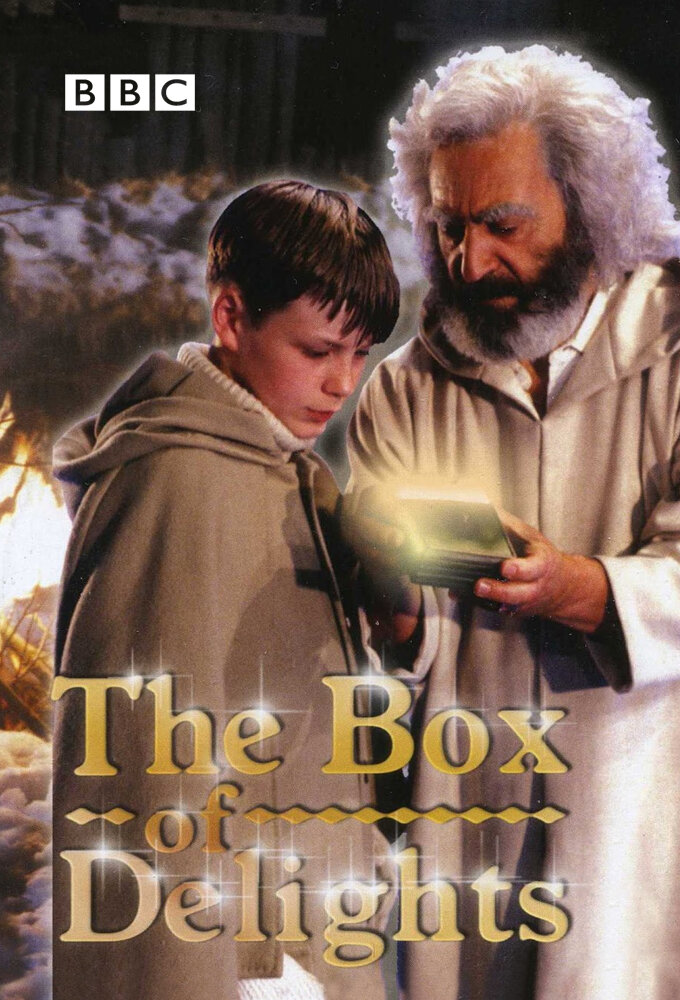
The Box of Delights1984
Both pit children as temporal travelers navigating multiple eras, with the experience of time itself becoming the central character—disorienting, beautiful, and profoundly strange.
A BBC children's fantasy about a boy given a magical box that lets him move through time and place. It sounds whimsical but it's genuinely uncanny—the Christmas setting and period magic create an eerie beauty that shares Timeslip's sense of displacement through temporal instability, just in a gentler key.
But It's very much a Christmas special, which means it has a seasonal, ceremonial feel. The fantasy tone is quite different from Timeslip's sci-fi seriousness, and the pacing is leisurely rather than tense.
People
Cast


Writing
- James BoswellCreator
- Ruth BoswellCreator