
Television series
Sapphire and Steel
A British sci-fi thriller where two otherworldly operatives—Sapphire and Steel—investigate temporal anomalies and supernatural disturbances. Built on dreamlike logic rather than exposition, it's hypnotic and unsettling, with an atmosphere somewhere between ghost story and Cold War paranoia. For viewers who prize mood and mystery over easy answers.
Should you watch it?
Watch it if you enjoy slow-burn puzzle mysteries where the eerie atmosphere and dry, deadpan banter matter more than explanations, and you don't mind a story that leaves its logic half-hidden.
Skip it if you want fast pacing, lavish modern effects, or a tidy plot that resolves neatly, since its 1970s studio look and talky, unhurried investigations can feel stagey.
What it asks of you: Each story runs only about twenty-five minutes, so it's easy to fit in, but it wants patience with slow scenes and quiet, creeping unease rather than constant action.
Not sure? Find tonight's pick in a minute.
If you liked this
The Twilight Zone1959
Anthology series with the same gift for transforming the mundane into the eerie. Both use everyday settings and characters to explore how reality might fracture or betray us.
But Some episodes feel dated in their moral messaging, and the format means no ongoing character investment if that matters to you.

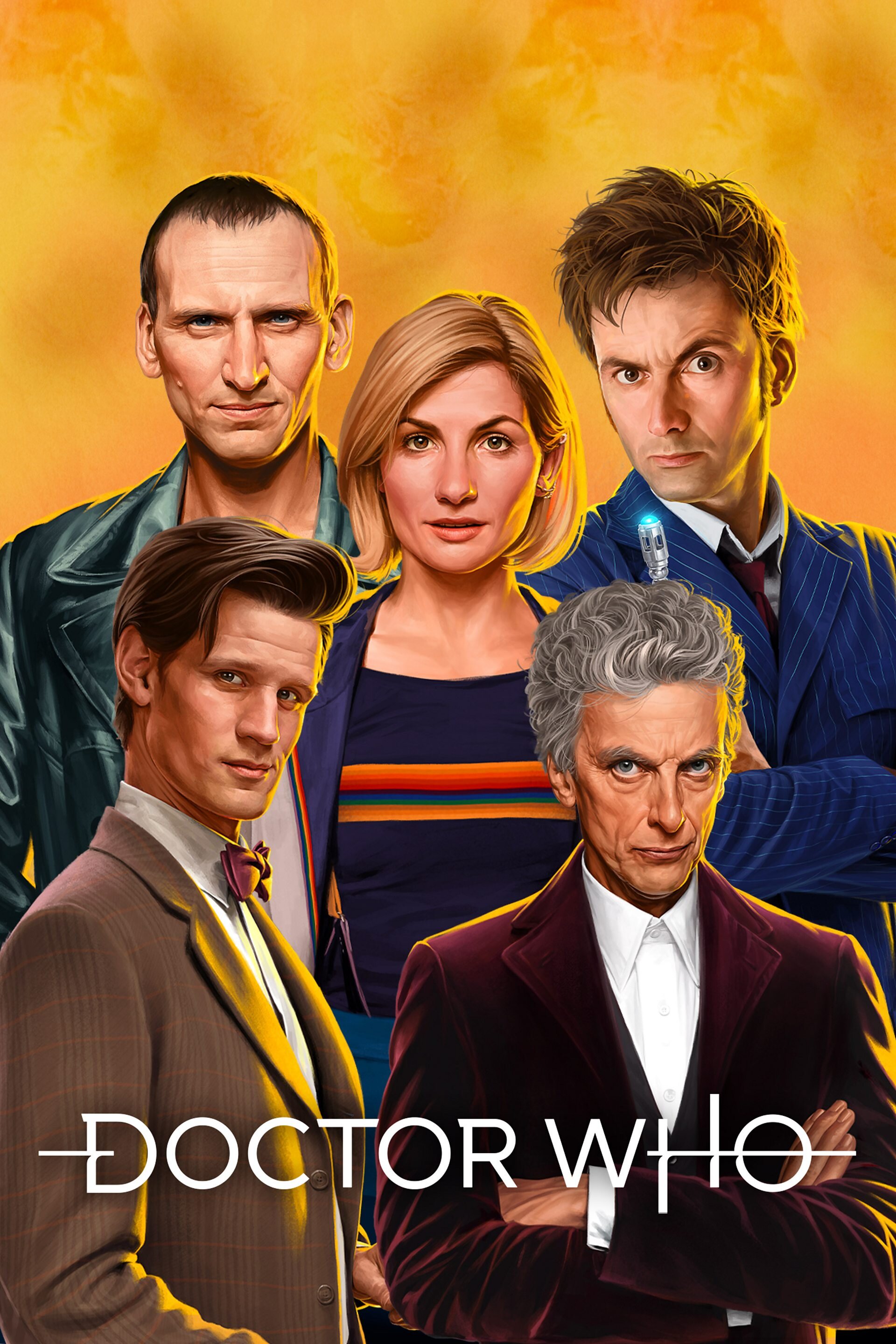
Doctor Who2005
Shares the same DNA: time-travel logic, low budgets creating imaginative constraint, alien intelligence wearing human skin. The best serials match Sapphire and Steel's willingness to leave viewers slightly untethered.
But It's vast and uneven; you'd need to know which stories to hunt down rather than sampling randomly.
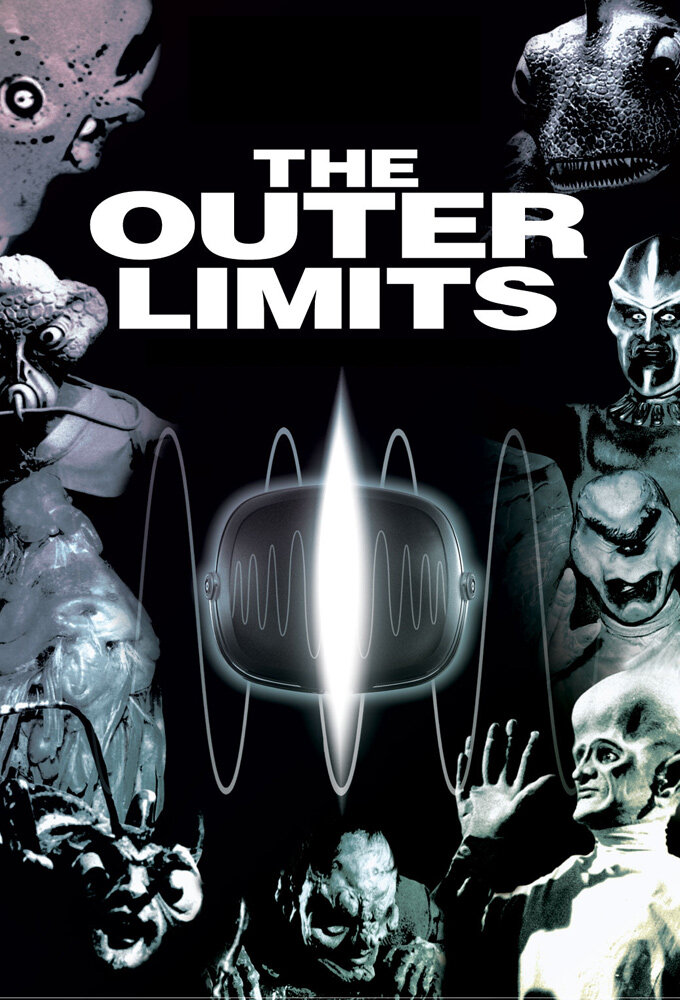
The Outer Limits1963
American precursor with the same instinct for creeping wrongness and body horror. Both treat sci-fi as a language for exploring psychological dread rather than technological wonder.
But Cheaper production values than you might expect, and some episodes resolve too neatly for the tension they've built.
Not sure tonight? Get a pick in a minute, starting from Sapphire and Steel
The wildcard
Something you would not have found on your own.
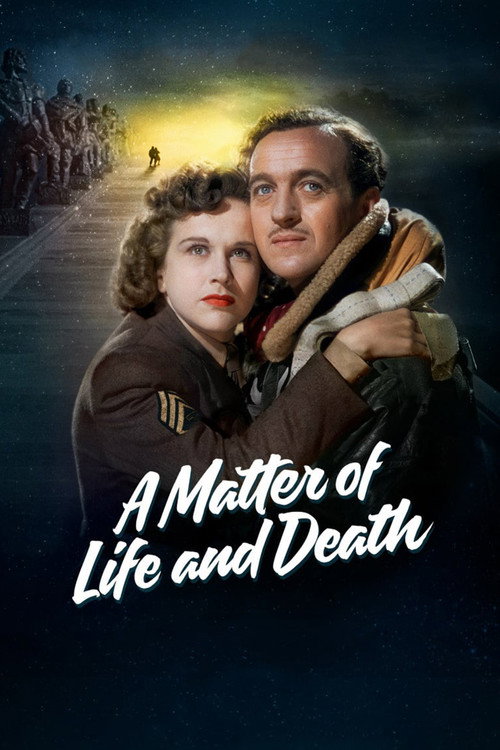
A Matter of Life and Death1946
Both imagine the supernatural as a system of rules enforced by unseen forces; both use colour and design symbolism to suggest hierarchies beyond human understanding.
Powell and Pressburger's masterpiece treats the afterlife as bureaucratic and utterly real. Both works share a jewel-box aesthetic and the conviction that the invisible world operates by its own merciless logic.
But A 1946 film moves at a different pace, shot in Technicolor rather than the monochrome dreariness of '70s TV—it may feel too lush and romantic compared to Sapphire and Steel's chill.
More like this (7)
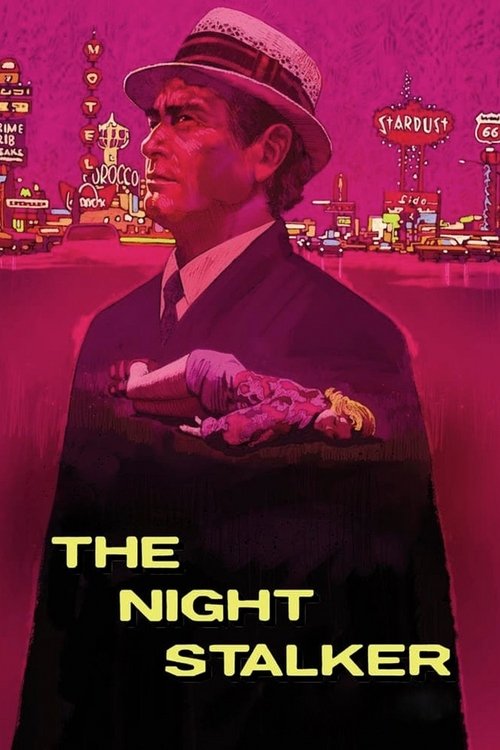
The Night Stalker1972
A reporter stumbles through weekly encounters with the paranormal. Like Sapphire and Steel, it's more interested in atmosphere and strangeness than explanation or closure.
But It's camper and more playful; if you want unrelenting creepiness, this veers into entertainment.
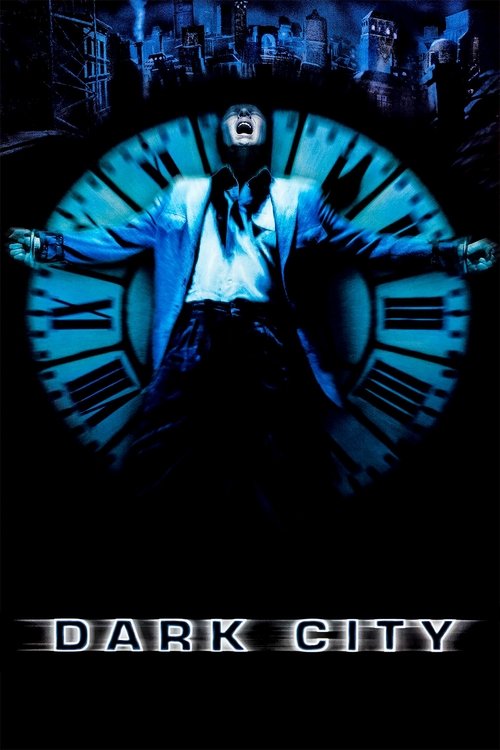
Dark City1998
Neo-noir sci-fi that mirrors Sapphire and Steel's fractured reality and memory-as-weapon premise. Visually baroque, deeply unsettling, structured like a fever dream.
But Dense plotting and murky cinematography; some find it more style than substance, and it asks a lot of viewers' patience.
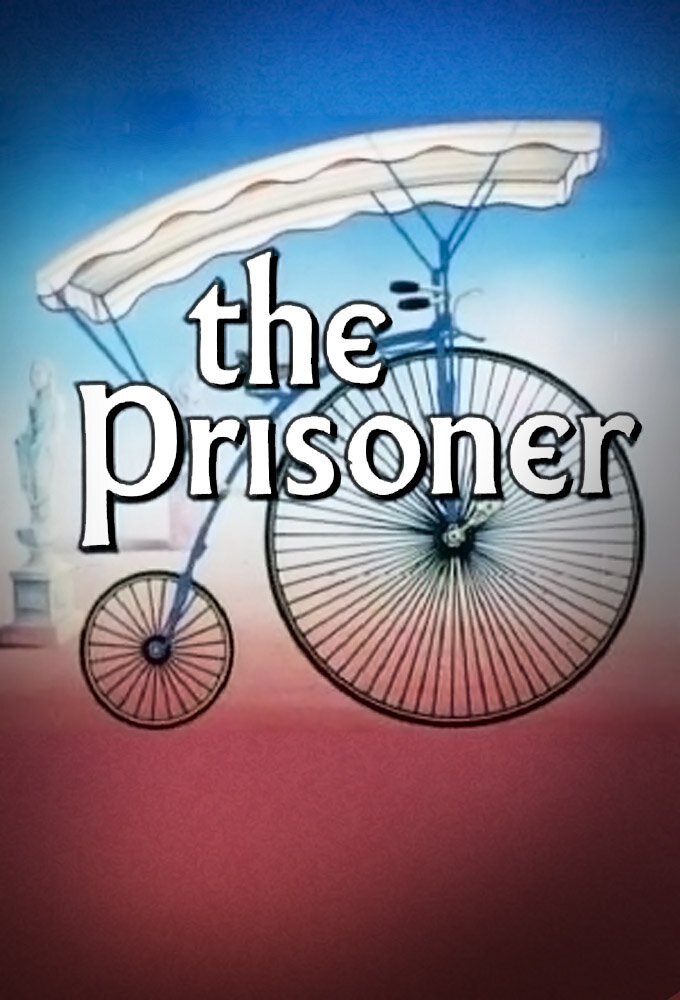
The Prisoner1967
Surreal, paranoid, deliberately illogical. Both shows trust the audience to sit with discomfort and ambiguity rather than spell everything out.
But It's aggressively experimental; the final episode enrages many viewers, and the experience is sometimes exhausting rather than rewarding.
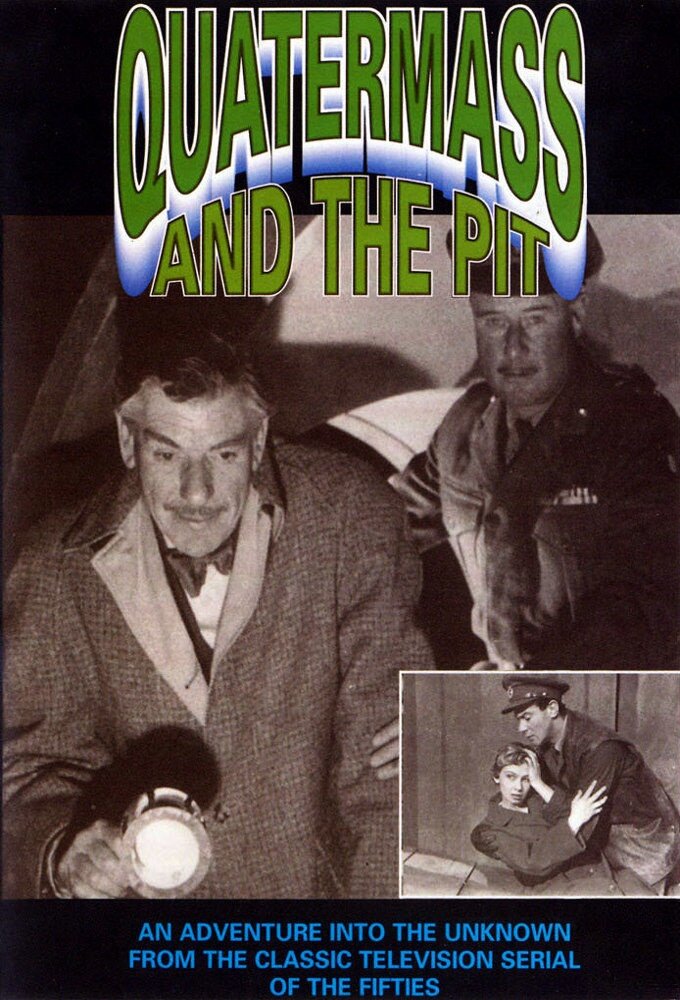
Quatermass and the Pit1958
British sci-fi with genuine atmosphere and the sense that unknown forces are already among us. Like Sapphire and Steel, it builds dread through slow accumulation rather than spectacle.
But Quite slow by modern standards, and the third act veers into grand cosmic horror that some find overwrought.
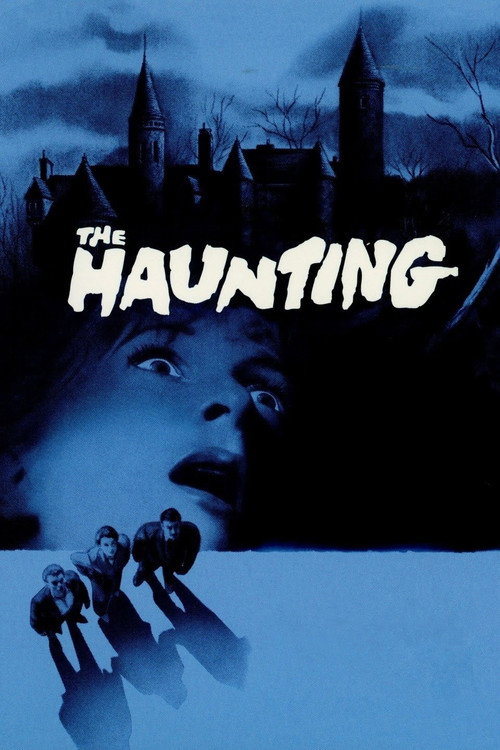
The Haunting1963
Psychological horror that creates unease through suggestion and character fracture rather than gore. Both work by making the viewer doubt what's real alongside the characters.
But Deliberately ambiguous about whether anything supernatural actually happens; if you need clear answers, you'll find it frustrating.
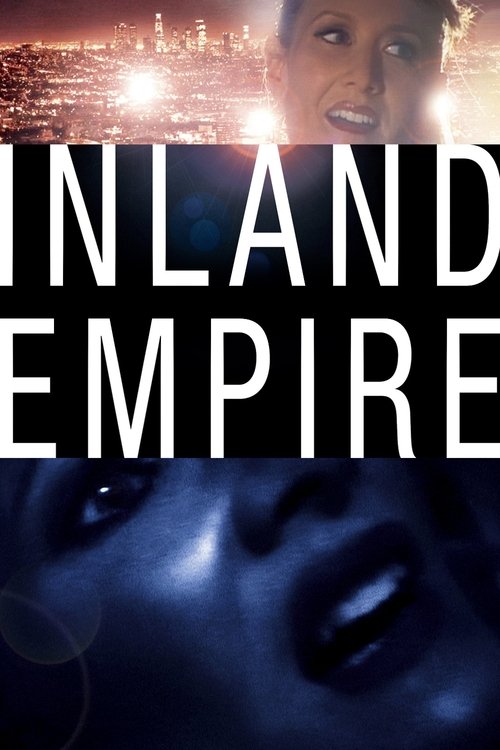
Inland Empire2006
Both allow reality to become unstable and layered. Both suggest that identity is fragile and that forces outside our control are constantly remaking the world. Same register of dread.
Lynch's three-hour digital nightmare about an actress losing her identity across dimensions and realities. Utterly disorienting, deeply committed to mood over narrative clarity. Rewards close attention.
But Deliberately incoherent, grainy video quality, and demands active surrender to confusion; many viewers find it punishing rather than hypnotic.
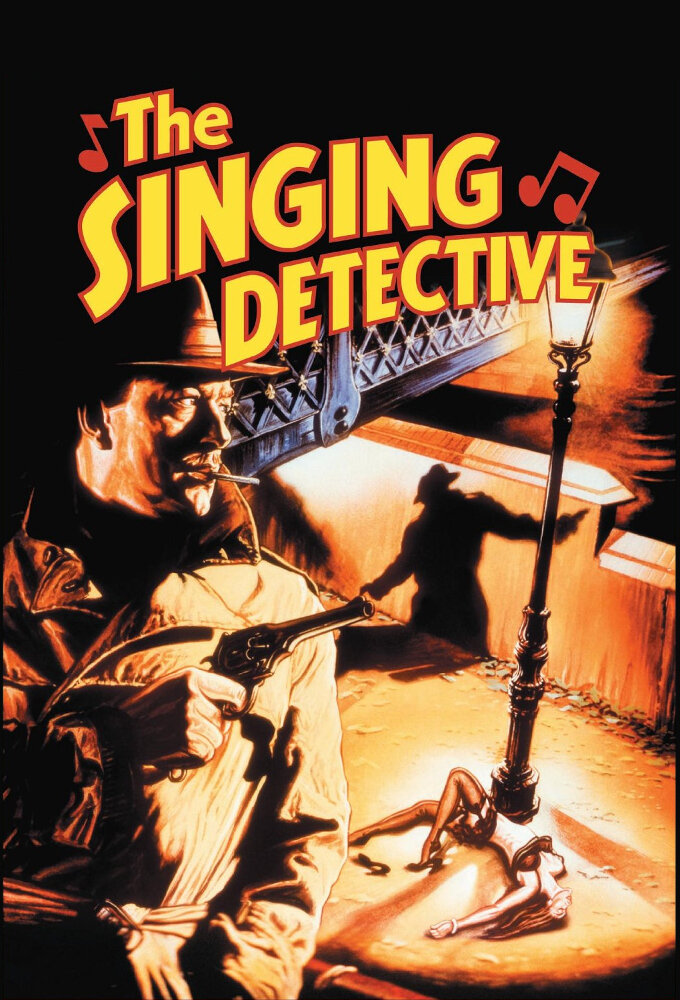
The Singing Detective1986
Both distrust linear narrative. Both use genre conventions (sci-fi, noir, musical, mystery) as vessels for exploring how consciousness fragments under pressure. Both are fundamentally about time breaking.
Dennis Potter's masterpiece collapses the boundary between a man's fantasy, his memory, and his present suffering. Like Sapphire and Steel, it's disorienting by design—time, space, and self become fluid and unreliable.
But Very much a product of its moment (1980s BBC television), and Potter's style is baroque and literary in ways that demand patience. Some will find it overwrought.
People
Cast


Writing
- Peter J. HammondCreator
Production
- David ReidExecutive Producer
- Shaun O'RiordanProducer
Recommended by
Sapphire, Metal Mickey, Blake's 7, Buck Rogers in the 25th Century, The Hitchhiker's Guide to the Galaxy, The Quatermass Experiment, The Omega Factor, The Tomorrow People, The Outer Limits, The Magician's House, Tales of the Unexpected, Timeslip, Jason King, Love Thy Neighbour, Doctor Who: An Unearthly Child, Doctor Who: The Evil of the Daleks, Doctor Who: The Five Doctors, Class, Doctor Who: The Underwater Menace, Neverwhere