
Film
Sapphire
A 1959 British police procedural where two Scotland Yard detectives unravel a murder case that forces them to confront the racism embedded in their society. Sharp, lean, and morally unflinching: it treats bigotry not as villain-of-the-week but as a structural fact of the world. For viewers who want crime stories that interrogate their own times.
Should you watch it?
Watch it if you like a police procedural that uses its whodunit frame to examine prejudice, with patient interviews and a sharp sense of postwar London where every witness reveals more about themselves than the crime.
Skip it if you want brisk plotting or a clear-cut puzzle, since the investigation moves slowly and much of the runtime is spent on conversations that circle the same prejudices.
What it asks of you: Expect a lean ninety-two minutes, a deliberate pace, a sober mood with little levity, and steady attention to who says what in each interview.
Not sure? Find tonight's pick in a minute.
If you liked this
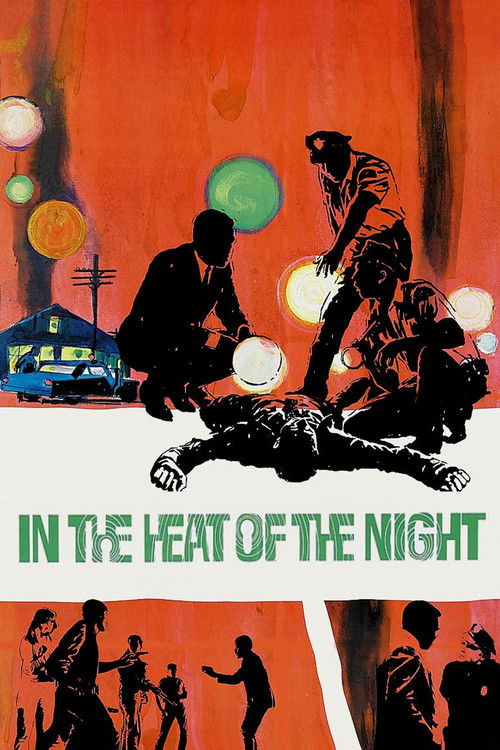
In the Heat of the Night1967
Sidney Poitier and Rod Steiger in a murder investigation across racial lines in the American South. The tension crackles because it's asking the same questions Sapphire asked eight years earlier, but now with the racial dynamic inverted.
But 1960s social problem cinema can feel didactic. This one mostly escapes that, but the framework is visible if you're looking for subtlety.
Victim1961
Another British film from the same era, tackling homosexuality through a murder investigation. Dirk Bogarde gives a subdued, powerful performance. It has Sapphire's DNA: a crime story weaponized to dismantle prejudice.
But The dialogue occasionally sounds like it's explaining homosexuality to people who've never heard the word. The earnestness can feel dated.

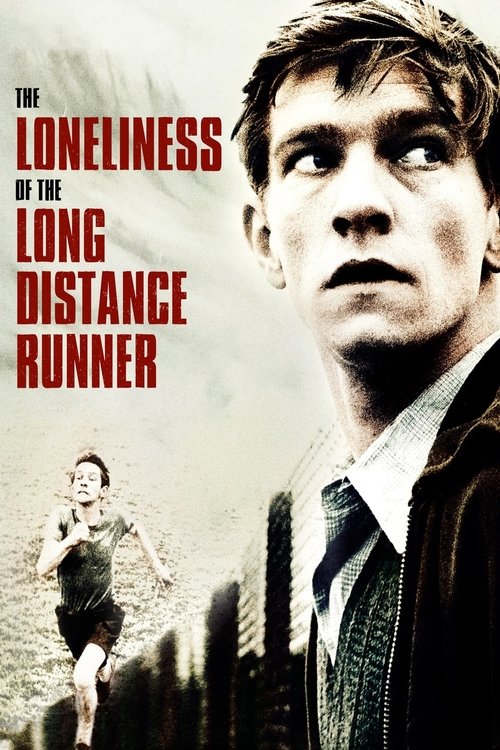
The Loneliness of the Long Distance Runner1962
Tom Courtenay in a borstal drama that's equally interested in class resentment and institutional power. British social realism with real anger beneath the surface, same moral register as Sapphire.
But It's slower and more introspective than a crime story. Some will find it melancholy rather than gripping.
Not sure tonight? Get a pick in a minute, starting from Sapphire
The wildcard
Something you would not have found on your own.
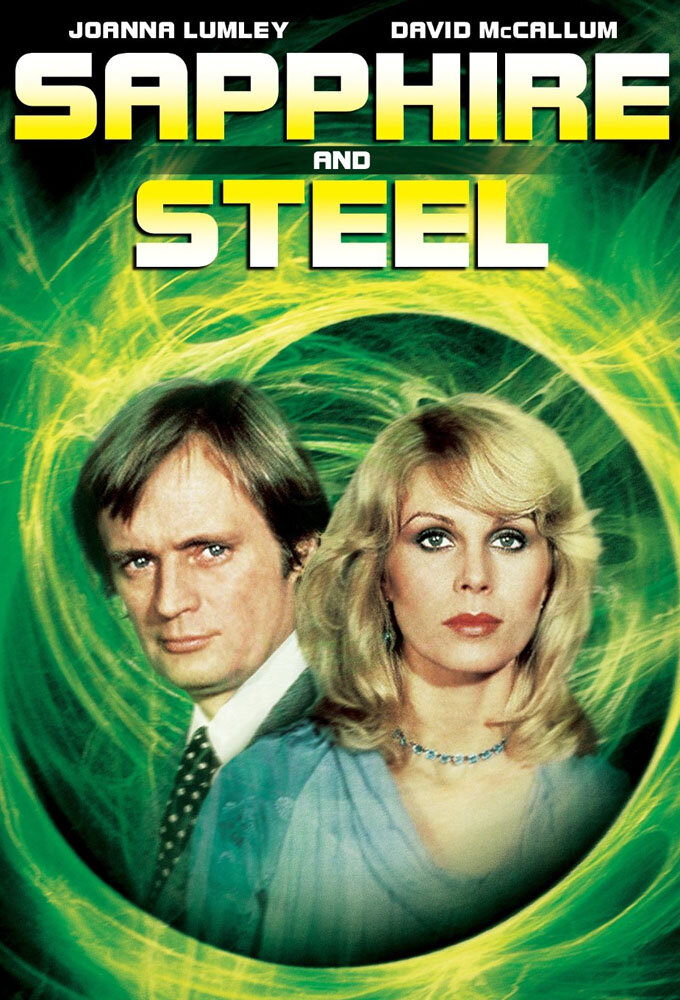
Sapphire and Steel1979
The same actor, the same British tone, but Sapphire and Steel uses the mystery form to ask unanswerable questions. Sapphire asks 'who killed her?'; Sapphire and Steel asks 'what is time?' The structure is familiar but inside-out.
A British sci-fi series with Nigel Patrick (from Sapphire) playing a character sent through time to investigate anomalies. Deeply strange, coldly beautiful television that's half detective story and half metaphysics.
But It's deliberately oblique. There are no clear answers and no neat resolutions. If you watch Sapphire for its clarity, this will frustrate you.
More like this (7)
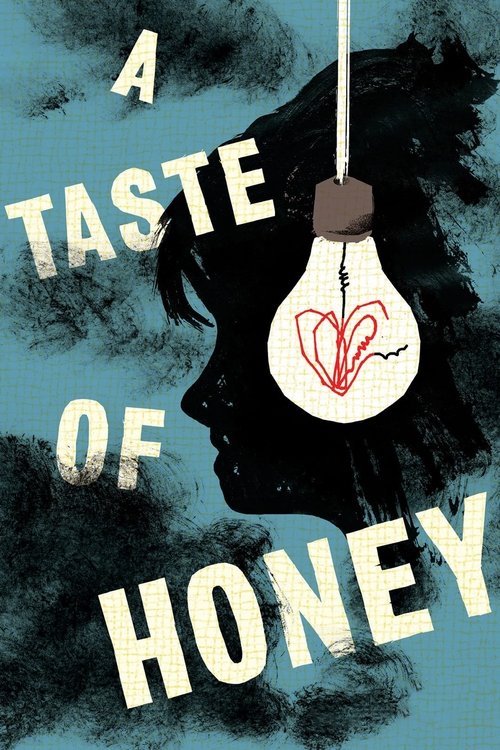
A Taste of Honey1961
A young working-class woman in Manchester becomes pregnant by a Black sailor. It's not a mystery, but it's wrestling with the same post-war British racism Sapphire confronts, with tenderness instead of police procedure.
But Deeply sad and unglamorous. Not a comfort watch, and the resolution won't feel victorious.
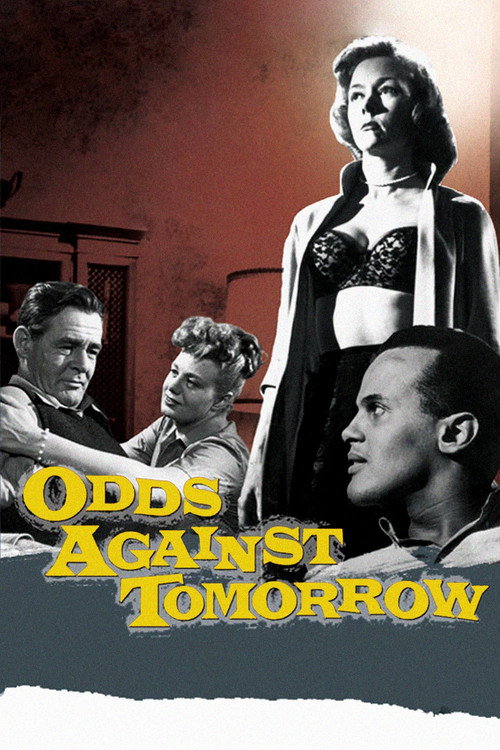
Odds Against Tomorrow1959
A heist film where Harry Belafonte and Robert Ryan are forced to work together across racial suspicion. Released the same year as Sapphire; also American, but it understands that the real crime is what racism does to people.
But It's a heist that goes wrong, so if you're waiting for a clever robbery, you'll be disappointed. The point is the collapse, not the plan.
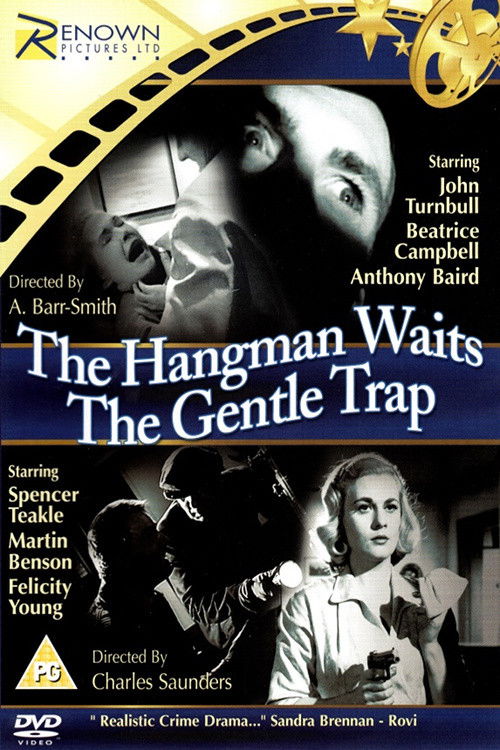
The Gentle Trap1960
A British police procedural with Michael Craig (who plays Learoyd in Sapphire) in a quieter, more domestic mystery. It's of the same era and sensibility, though lighter in moral weight.
But Significantly less urgent than Sapphire. It's competent but not essential; mostly interesting as a comparison point.
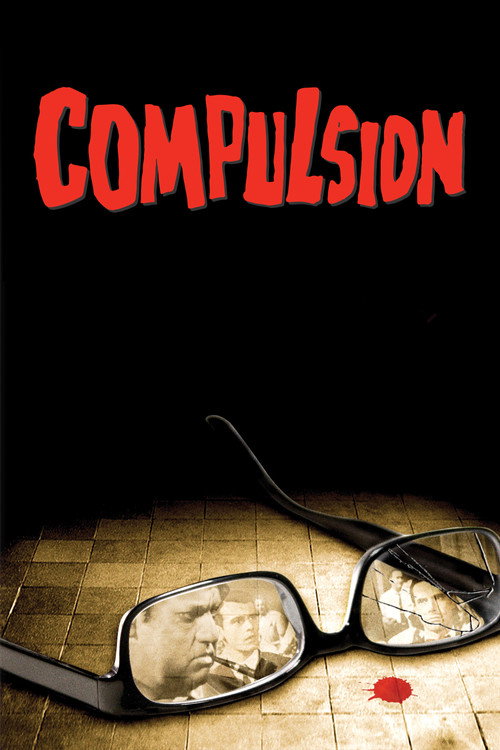
Compulsion1959
Based loosely on the Leopold-Loeb case. Orson Welles is magnificent, and it's interested in how privilege insulates people from justice—a class question that shadows Sapphire's racial one.
But At two hours it outstays its welcome. Welles dominates the room, which is electrifying but unbalancing.
Gidget1959
Also 1959, also American, also a film about young people navigating social codes. If you want to see what mainstream entertainment was doing that same year, it's a revealing contrast.
But It's a cheerful surfing comedy. Tonally it has nothing in common with Sapphire except the calendar. That might be the whole point.

The Criminal1960
A British noir about prison and corruption, starring Joseph Losey. Similar to Sapphire in its documentary-like observation of institutional cruelty and complicity.
But It's grim and formal. The pleasures are intellectual rather than dramatic; some will find it detached.
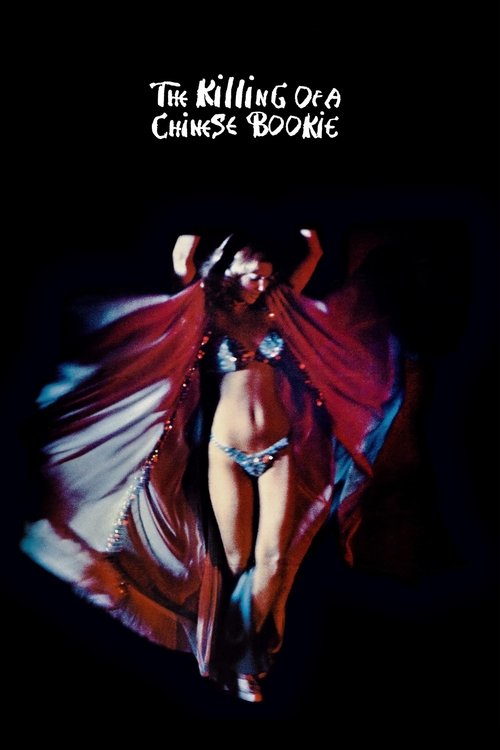
The Killing of a Chinese Bookie1976
Both are about how social systems use their machinery to crush individuals. But where Sapphire shows you the system from the outside through investigation, Bookie puts you inside someone's drowning. Same moral rage, opposite camera distance.
John Cassavetes' film about a nightclub owner destroyed by circumstance and the people around him. It's a crime story, but it's shot like a tragedy—improvised dialogue, handheld camera, no distance between you and the character's disintegration.
But Formally it's a mess (Cassavetes made it twice because he hated the studio cut). The plot meanders. It will feel sloppy if you want Sapphire's clean procedural structure.
People
Cast
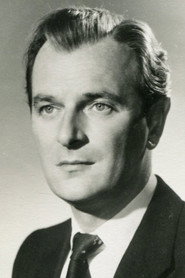 Nigel PatrickSuperintendent Robert Hazard
 Michael CraigInspector Phil Learoyd
 Yvonne MitchellMildred
 Paul MassieDavid Harris
 Bernard MilesTed Harris
 Olga LindoMrs. Harris
 Earl CameronDr. Robbins
 Gordon HeathPaul Slade
 Barbara SteeleStudent (uncredited)
 Peter VaughanDetective Whitehead (uncredited)
 Yvonne BuckinghamSapphire Robbins
- Jocelyn BrittonPatsy
Directing
- David W. OrtonAssistant Director
- Tilly DayContinuity
- Basil DeardenDirector
Writing
- Janet GreenWriter
Production
- Earl St. JohnExecutive Producer
- Michael RelphProducer
- Douglas PierceProduction Manager
Recommended by
Victim, Pinky, Introducing Dorothy Dandridge, Burning an Illusion, Quatermass 2, Cry, the Beloved Country, The Gentle Sex, Lost Boundaries, Flame in the Streets