
Film
Cry, the Beloved Country
Other titles called Cry, the Beloved Country: the 1995 film.
- Social drama
- Very dark
A black South African minister searches for his lost son in Johannesburg's slums, finding him enmeshed in crime. This 1951 adaptation of Alan Paton's novel is quietly devastating—less a plot than a spiritual reckoning with injustice, grief, and the possibility of grace. It moves with the deliberate pace of prayer. For viewers drawn to moral seriousness and stories about systems breaking people.
If you liked this
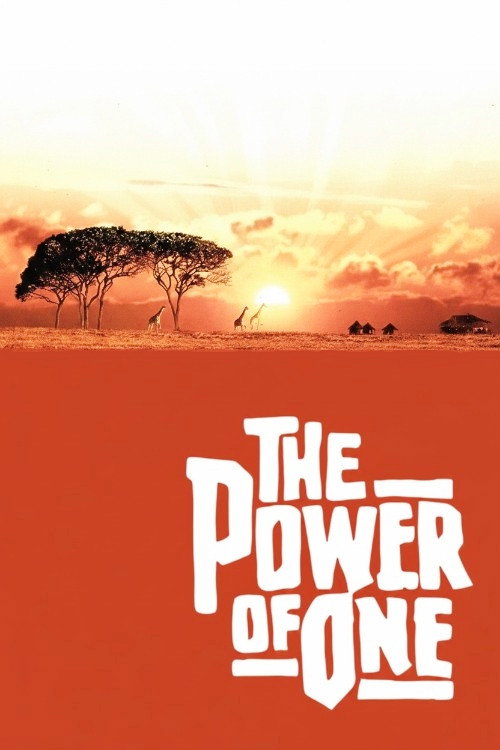
The Power of One1992
Epic sweep across apartheid South Africa through a white girl's journey toward activism. Shares the same landscape and moral clarity, but told with more conventional narrative drive and clearer heroism.
But The white saviour angle sits uncomfortably now, and it relies on inspirational uplift where Cry avoids easy comfort.
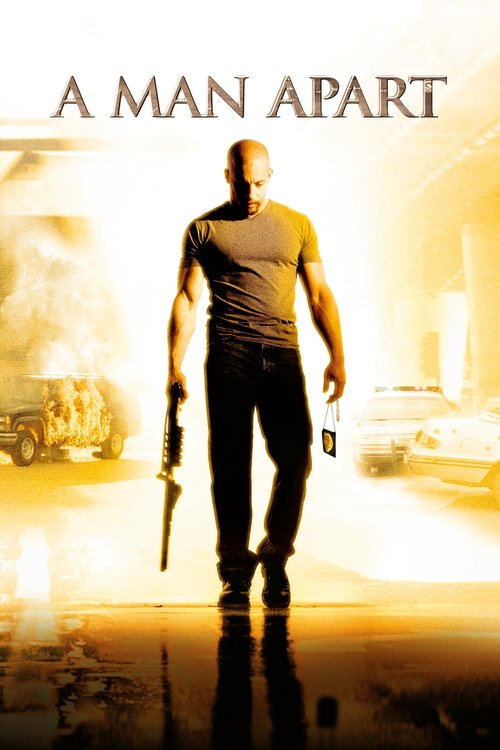
A Man Apart2003
A father's search for a missing child forces confrontation with a world he thought he understood. Lean, grief-stricken, and built on the same engine of loss and discovery as Paton's story.
But It's a crime thriller, not a sermon. If you need the spiritual weight front and centre, you won't find it here.
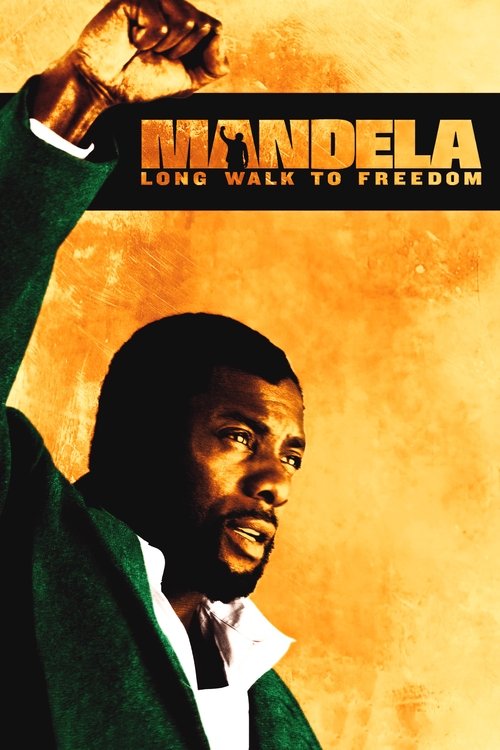
Mandela: Long Walk to Freedom2013
Spans decades of South African history and personal sacrifice. Offers context and grandeur for the world Kumalo inhabits, though through a different historical lens and a more famous life.
But Biopic rhythms can feel dutiful. It covers too much ground to achieve Cry's focused spiritual intensity.
Not sure tonight? Get a pick in a minute, starting from Cry, the Beloved Country
The wildcard
Something you would not have found on your own.
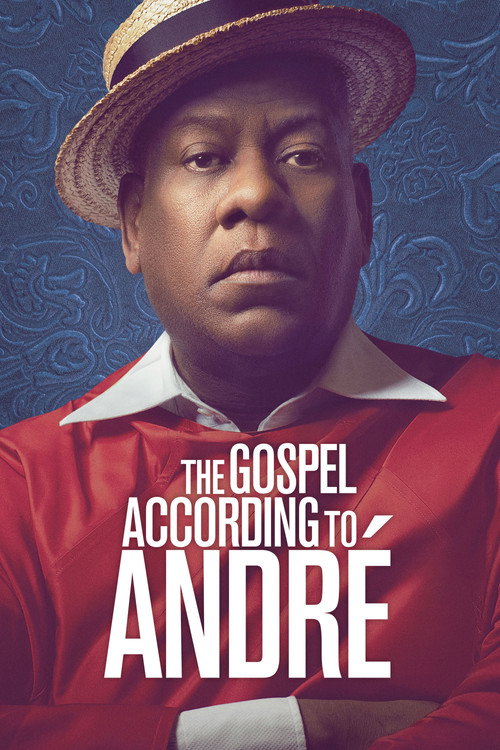
The Gospel According to André2018
Both make the ministry itself the subject—not what clerics believe, but what it costs to stand between pain and indifference.
A documentary about a contemporary Black minister in New York, filmed like a spiritual portrait. It captures the same quiet authority and moral weight Poitier brought to Reverend Msimangu—the pastor as witness to suffering and guide.
But Not a narrative film. Meditative and observational rather than plot-driven. Some will find it slow; others will find it essential.
More like this (8)
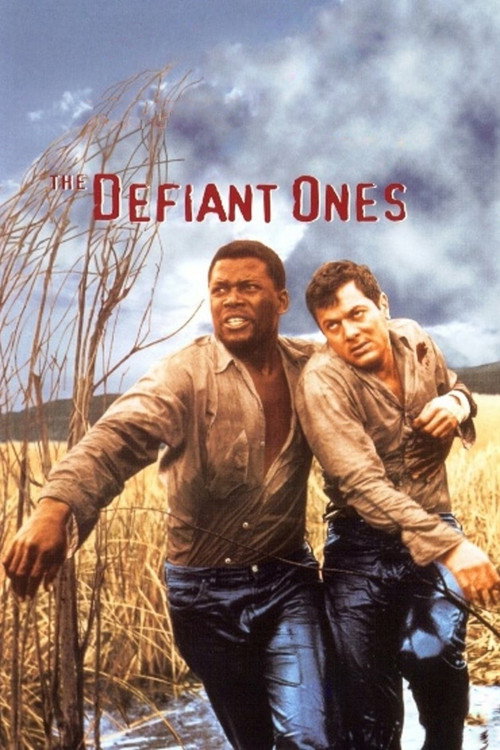
The Defiant Ones1958
Sidney Poitier again—this time in a road film about two men chained together by circumstance, forced to see past surface. That collision of lives becomes intimate and strangely tender.
But American South, 1950s, not South Africa. The tone is lighter. You're losing the theological weight that gives Cry its bone-deep gravity.
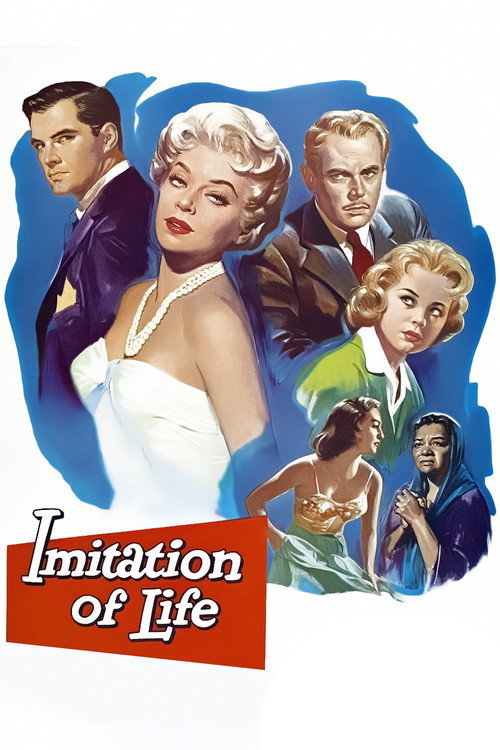
Imitation of Life1959
Women in crisis navigating racial identity and family rupture across decades. Melodrama, yes, but with real tears—addressing similar terrain of inheritance and shame and impossible choices.
But It's Douglas Sirk lavishness, not austere. The emotional register is entirely different, almost theatrical against Cry's restraint.
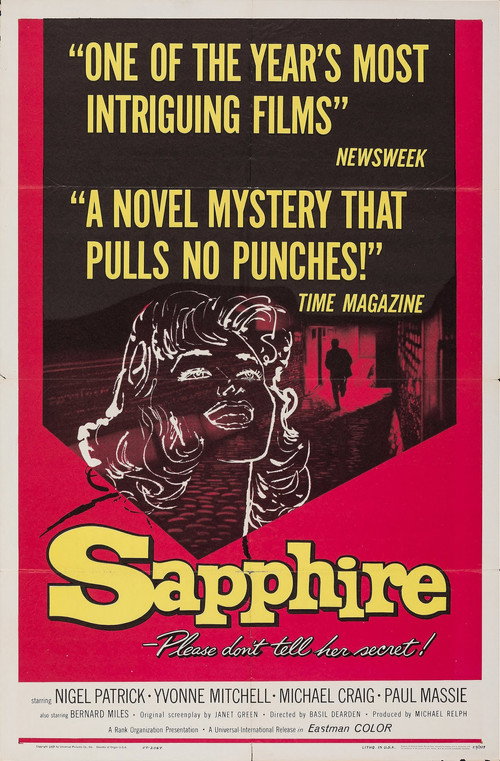
Sapphire1959
A detective film built around racial prejudice and hidden identity in post-war Britain. Procedural frame contains a shattering human story about secrets families keep and the violence of assumptions.
But British and compact where Cry sprawls morally. It's also a thriller—plot mechanics matter in ways they don't in Paton's work.
Shadows1960
Cassavetes, improvisation, race and identity in New York. Raw, formless, but burning with the same sense that society fractures lives and families along invisible lines.
But Avant-garde and deliberately unpolished. If you want traditional craft and narrative, this will frustrate you.
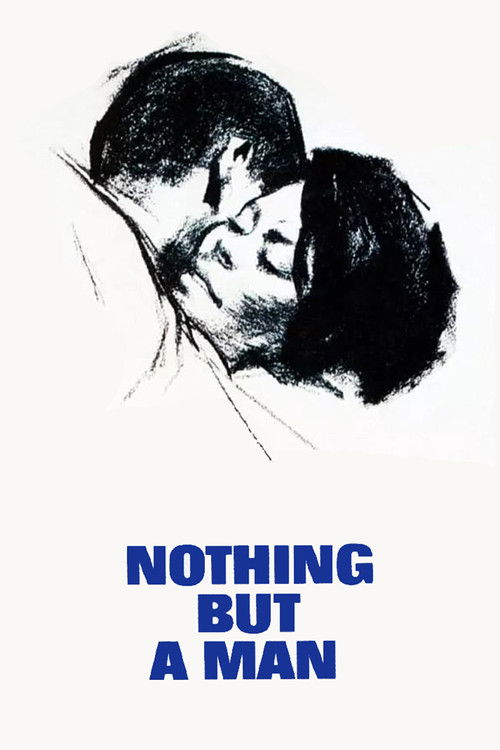
Nothing But a Man1964
A Black man and woman build a marriage against systematic humiliation in the Jim Crow South. Modest, unsentimental, and devastating about dignity under erasure. Paton wrote about similar struggles.
But American context, not African. Smaller in scope and cast than Cry, with less of the spiritual questioning that frames Paton.
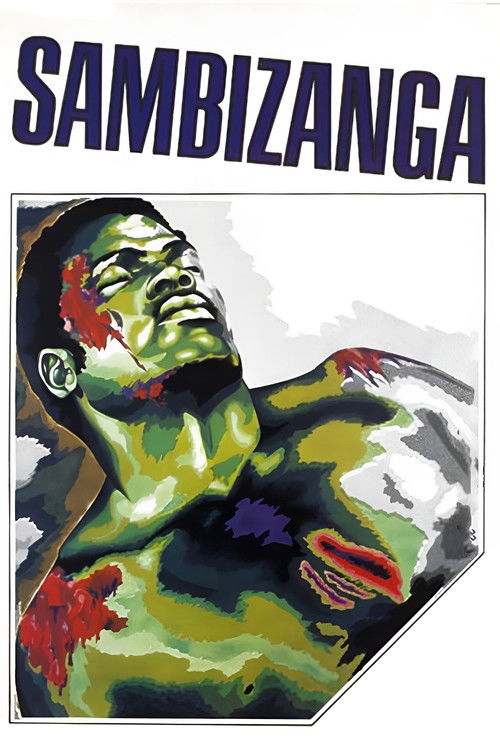
Sambizanga1973
An African woman searches for her imprisoned husband during the Angola liberation war. Sparse, difficult, and shot in Portugal with non-professional cast. Unflinching about colonial violence and women's endurance.
But Grim in ways even Cry the Beloved Country isn't. Structurally experimental. Finding it takes work; so does watching it.
Come and See1985
Both believe that witnessing atrocity is the real subject—that watching someone's soul encounter the worst of the world is cinema's hardest and most necessary work.
A Soviet masterpiece about a boy conscripted into war. Visually overwhelming and morally annihilating. It asks the same question Cry does: how does a person survive witnessing what humans do to each other?
But Brutal. War film, not a family drama. The violence is graphic and the ending offers no grace. It is not a comfortable film in any way.

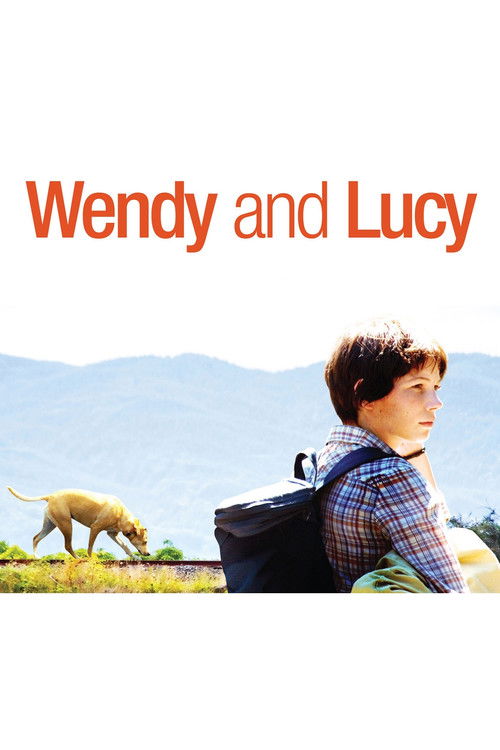
Wendy and Lucy2008
Both films trust viewers to feel the moral weight of witnessing poverty without explanation. Both refuse sentimentality. Both are about losing what you love and having to go on anyway.
A woman and her dog navigate destitution and indifference in modern America. Sparse, contemporary, handheld. It has none of Cry's spiritual language, but the same patient eye for how systems crush individuals and how small dignities become sacred.
But Minimalist and quietly angry rather than eloquent. Set in 2008 Portland, not 1950 Johannesburg. If you need historical weight or classical filmmaking, this will feel slight.
People
Cast
 Canada LeeStephen Kumalo
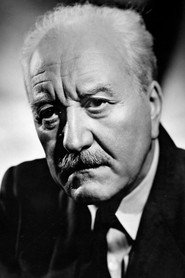 Charles CarsonJames Jarvis
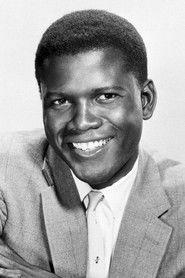 Sidney PoitierReverend Msimangu
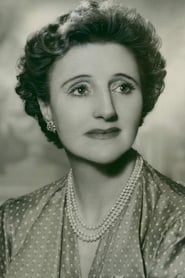 Joyce CareyMargaret Jarvis
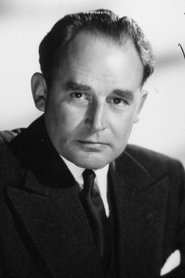 Geoffrey KeenFather Vincent
- Vivien ClintonMary
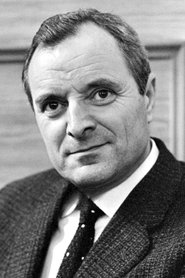 Michael GoodliffeMartens
- Albertina TembaMrs. Kumalo
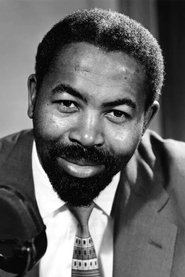 Edric ConnorJohn Kumalo
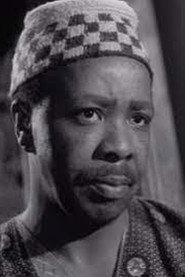 Lionel NgakaneAbsolom Kumalo
- Charles McRaeSibeko
- Bruce Meredith SmithCaptain Jaarsveldt
Directing
- Maisie KellyContinuity
- Zoltan KordaDirector
Writing
- Alan PatonNovel
- Alan PatonWriter
- John Howard LawsonWriter
Production
- Alan PatonProducer
- Zoltan KordaProducer
- Jack SwinburneProduction Manager