
Film
The Gospel According to André
André Leon Talley's life unfolds from segregated North Carolina to the heights of Vogue, a journey told with operatic flair. This documentary captures a singular man—exuberant, wounded, brilliant—navigating fashion, race, faith and ambition. It's intimate portraiture, not a glossy puff piece. For anyone moved by stories of reinvention and the price of beauty.
Should you watch it?
Watch it if you love people who have made a life out of taste and nerve, and you want to hear a storyteller's own voice reflect on how he got into rooms that were never built for him.
Skip it if you want a film that digs into the industry's machinery or runs at a brisk clip; this is a personal portrait, so the reflection is the point and the pace stays unhurried.
What it asks of you: Ninety-four minutes of mostly talking heads and archive, unhurried and conversational, asking you to settle into one man's memory rather than follow a plot.
Not sure? Find tonight's pick in a minute.
If you liked this
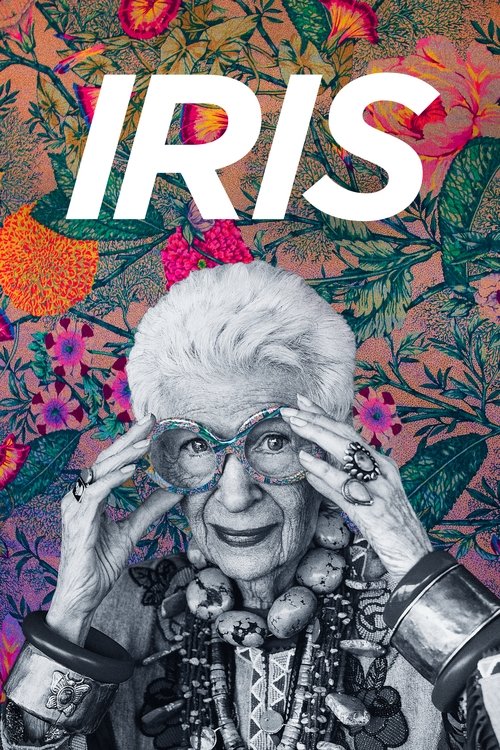
Iris2014
Iris Apfel's life—unconventional, audacious, joyfully eccentric—echoes Talley's refusal to fit neatly into boxes. She speaks with the same unguarded generosity, and the film celebrates her without sentimentalizing.
But It's a more straightforward celebratory portrait, lighter in tone, less interested in the complicated inner life that makes Talley's story resonate.
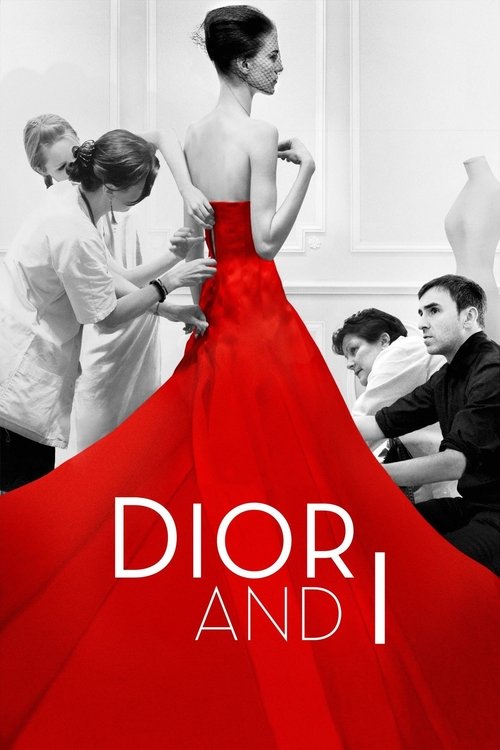
Dior and I2015
Raf Simons' arrival at Dior creates genuine stakes and tension. You watch someone grapple with legacy, perfectionism and the weight of institutional expectation—echoes of Talley's own struggles with belonging and validation.
But This is fashion-world procedural, not biography. If you want Talley-like intimacy and self-revelation, the emotional register is cooler.
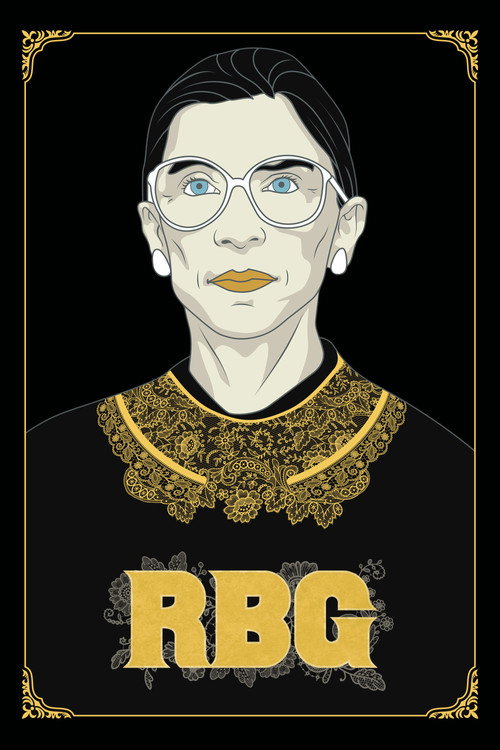
RBG2018
Another portrait of a singular figure who built a legacy through intellect and force of personality, reshaping the landscape they entered. Same year, same documentary earnestness, equally moving on faith and purpose.
But Ruth Bader Ginsburg is a household name; the film assumes you want confirmation rather than discovery. Less surprising, more reverential.
Not sure tonight? Get a pick in a minute, starting from The Gospel According to André
The wildcard
Something you would not have found on your own.
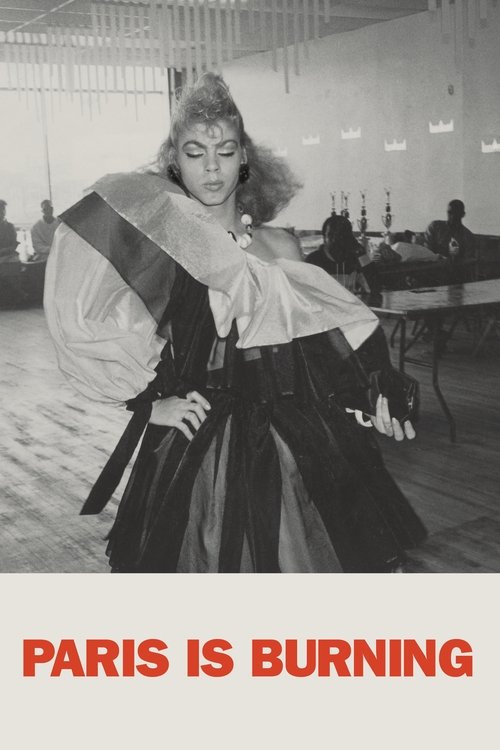
Paris Is Burning1991
Both celebrate Black excellence and self-invention as survival and transcendence. Talley's voice and body—his operatic self-presentation—are indebted to ballroom culture's insistence on transformation as resistance.
Jennie Livingston's documentary captures the Black and Latinx ballroom scene where voguing—the physical dance and the performative identity—was born. Talley's theatrical presentation, his refusal of smallness, connects directly to this genealogy of joy and defiance.
But It's a different subculture and era. If you're expecting fashion-world glamour, you'll find something rawer and more urgent.
More like this (8)
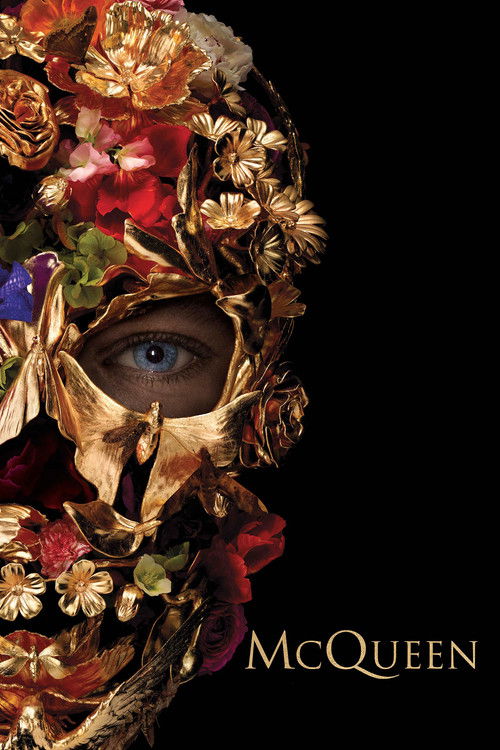
McQueen2018
Alexander McQueen's life—brilliant, turbulent, shaped by outsider status and hunger—mirrors Talley's emotional arc. The documentary sits in the same space: celebrating artistry while unflinching about cost.
But It's darker and more tragic. If you watch this expecting affirmation, you'll find something closer to elegy.
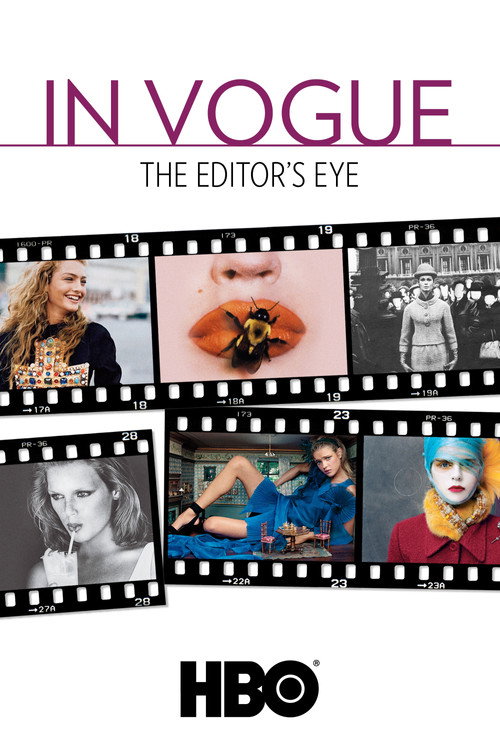
In Vogue: The Editor's Eye2012
Anna Wintour appears here too, and the documentary explores how Vogue shaped culture and the editors who stewarded it. Context for Talley's world, and Wintour's power within it.
But It's more institutional history than personal portrait. You're learning about machinery rather than soul.
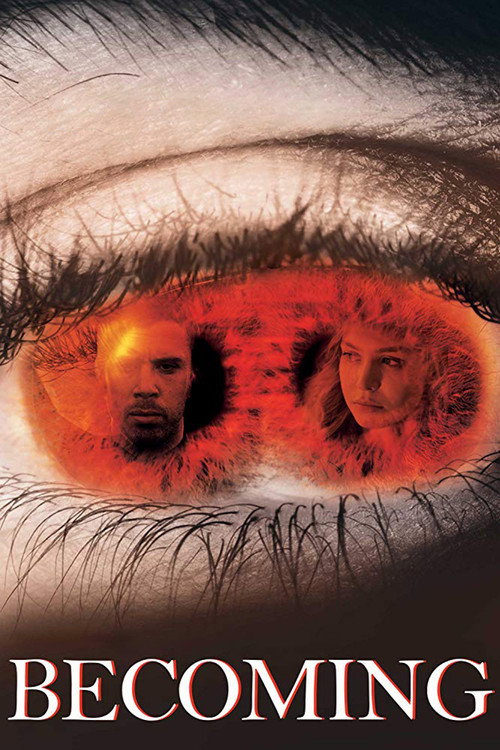
Becoming2020
Michelle Obama's documentary shares Talley's interest in how a person becomes themselves against the grain of expectations. Both films center voice, presence, and the quiet authority that comes from refusing to disappear.
But The scale is entirely different—one is global politics, one is fashion—so the resonance is thematic rather than immediate.
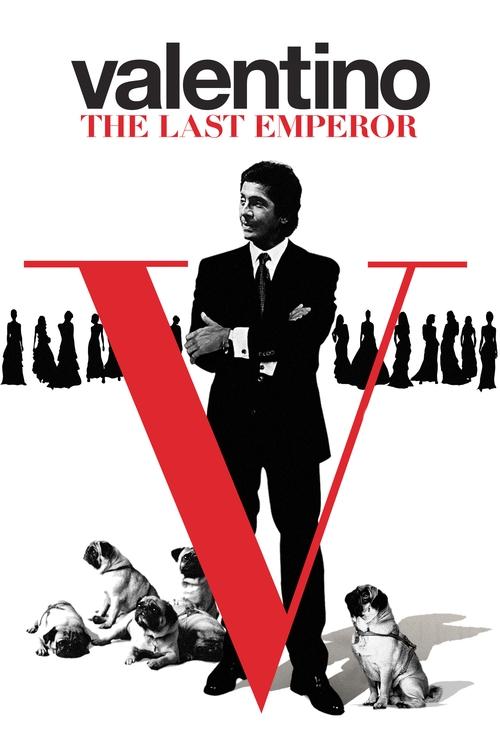
Valentino: The Last Emperor2008
Valentino Garavani appears in The Gospel. Here's his own documentary, intimate and surprisingly vulnerable. It's a portrait of another titan reckoning with legacy, influence, and what it costs to be irreplaceable.
But It's primarily a fashion-house documentary; if you're not interested in the business and artistry of haute couture, it won't hold you.
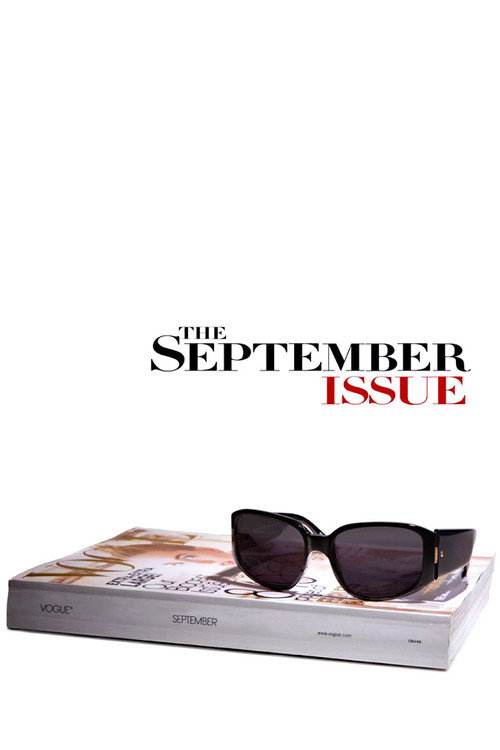
The September Issue2009
Anna Wintour at work, Talley's world laid bare, the machinery of Vogue revealed. It's essential context for understanding the stage Talley occupied and the forces shaping his career.
But It's a procedural about putting together a magazine issue. If you want Talley's interior life, this is about the institution that contained him.
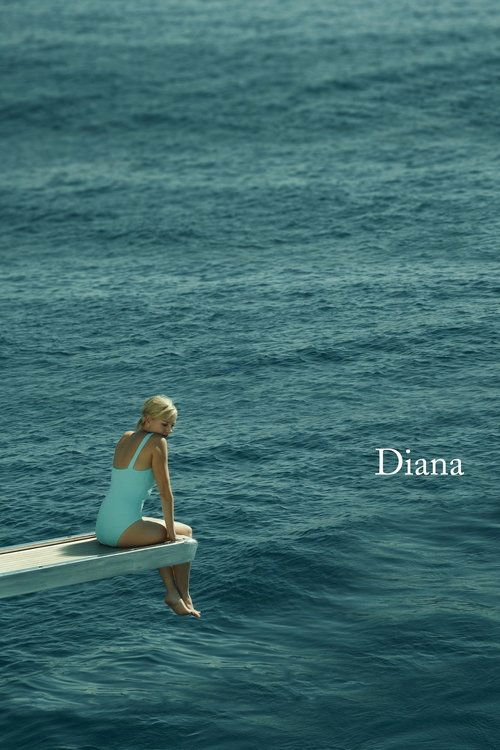
Diana2013
Another documentary portrait of a famous figure whose image was carefully constructed, exploring the gap between public persona and private self. Same questions about authenticity and reinvention.
But It's less about artistic vision and more about celebrity and tabloid machinery. Different kind of story entirely.
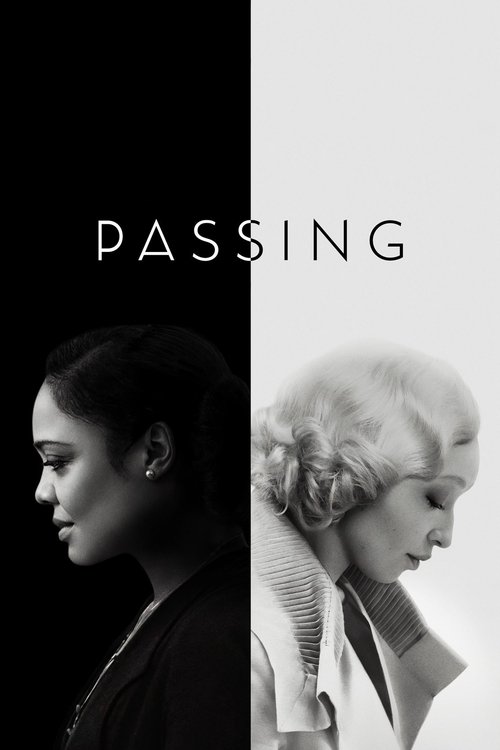
Passing2021
Both grapple with what it means to navigate white institutions while being Black, and both suggest that passage and success carry a psychic weight no achievement fully compensates for.
Adapted from Nella Larsen's 1929 novel, this film explores identity, race, ambition and the impossible choices of existing beautifully in a world that doesn't want you. The register is quiet and devastating, moral rather than celebratory.
But It's a narrative drama in black and white, not documentary. The mood is tragic and austere where Talley's film is operatic and alive. Completely different emotional texture.
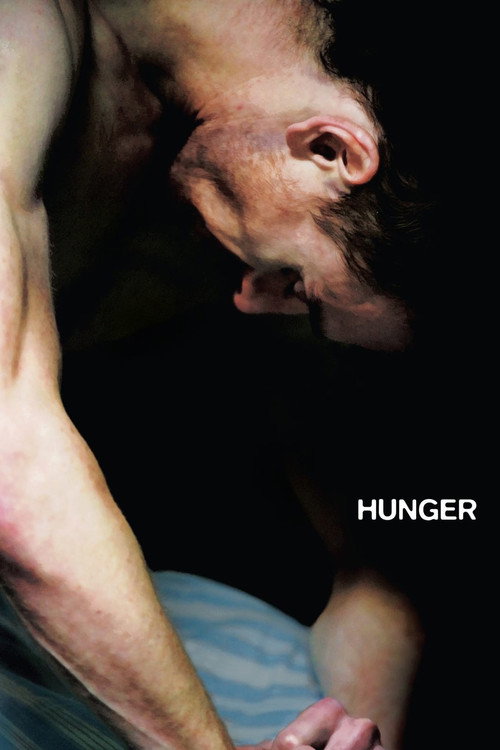
Hunger2008
Both films use a protagonist's body—Talley's resplendent presentation, Sands' wasting—as a form of speech and resistance. Both ask what it costs to insist on your own visibility and dignity in a system designed to diminish you.
Steve McQueen's brutal portrait of Bobby Sands and the Irish hunger strikes is formally audacious and morally uncompromising. It shares The Gospel's interest in a singular person's refusal to be erased, though the stakes are life and death rather than artistic legacy.
But It's a political film about protest and martyrdom, not biography. Visually and thematically unsparing. Nothing like the celebratory tone you might expect after Talley's film.
People
Cast
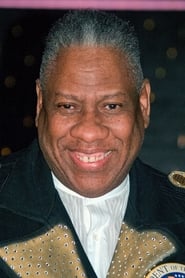
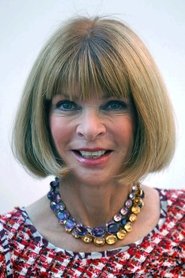 Anna WintourSelf
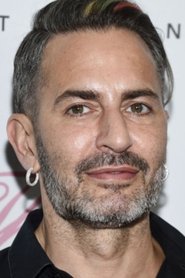 Marc JacobsSelf
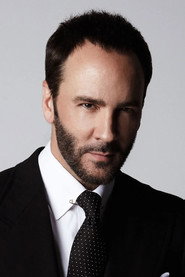 Tom FordSelf
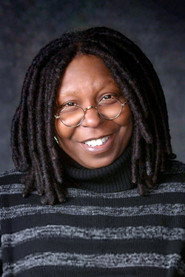 Whoopi GoldbergSelf
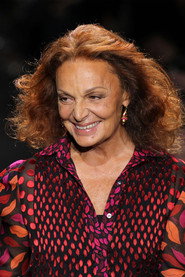
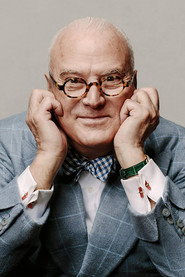 Manolo BlahnikSelf
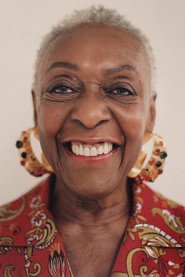 Bethann HardisonSelf
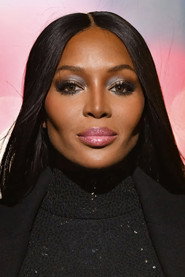 Naomi CampbellSelf
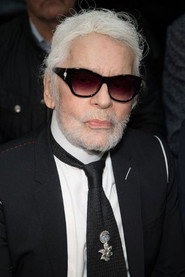 Karl LagerfeldSelf
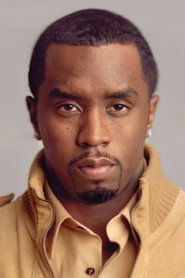 Sean CombsSelf
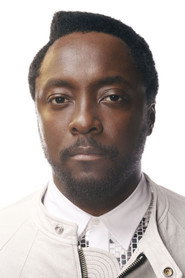 will.i.amSelf
Directing
- Kate NovackDirector
Recommended by
Hairspray, Rejoice and Shout, Trembling Before G-d, The Ballad of Gregorio Cortez, Mavis!, Cry, the Beloved Country