
Film
Passing
A tense psychological drama shot in crisp black-and-white about two Black women in 1920s Harlem—one living openly, one passing as white—whose collision becomes a mirror held up to identity, desire, and survival. Intimate, morally complex, often uncomfortable. For viewers ready to sit with ambiguity.
Should you watch it?
Watch it if you are drawn to slow, intimate character studies where the tension lives in glances, half-said remarks and what people refuse to admit about their own lives.
Skip it if you want momentum and plot turns; this is quiet, elliptical and often stays in close rooms, so the stillness may feel like waiting rather than building.
What it asks of you: Ninety-eight minutes of patient, black-and-white attention to faces and silences, with a steady simmer rather than release, and few moments to step away from it.
Not sure? Find tonight's pick in a minute.
If you liked this
Mulholland Drive2001
Like Passing, it's a story about performance and identity where what you think you're watching shifts beneath you. Obsessive, visually controlled, anchored by a female friendship that contains multitudes.
But It's 147 minutes and deliberately cryptic. If you need narrative closure, this will frustrate you.

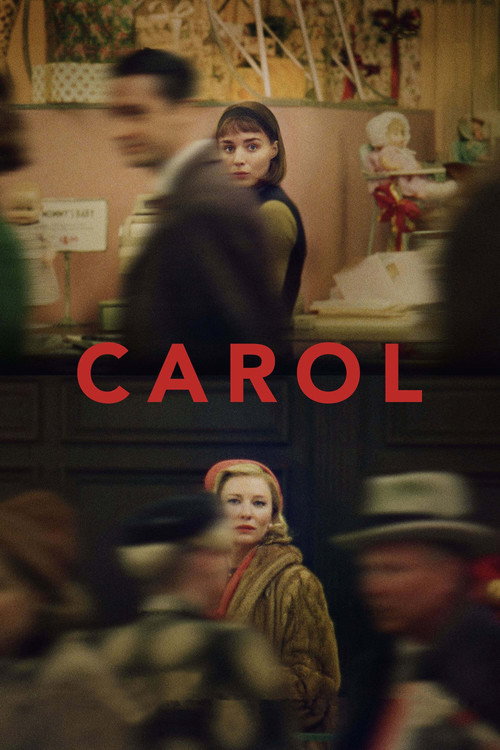
Carol2015
Another period piece about two women whose attraction crosses social boundaries, shot with painterly restraint. Tender where Passing is tense, but equally alive to the cost of living a lie.
But The pacing is glacial. Some find it achingly beautiful; others find it glacial.
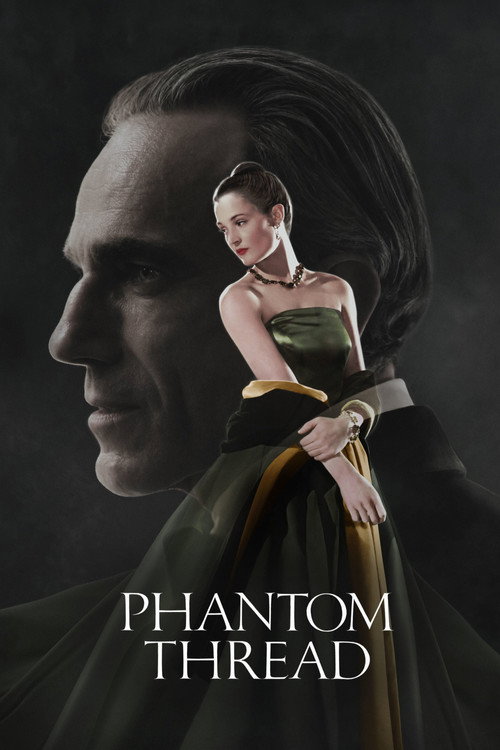
Phantom Thread2017
A black-and-white-adjacent film about power dynamics within an intimate relationship, where appearance and what lies beneath are everything. Hypnotic control, perfect craft, a partnership that's really a war.
But The central relationship is deeply unhealthy and the film doesn't condemn it. That's the point, but it's not comfortable to watch.
Not sure tonight? Get a pick in a minute, starting from Passing
The wildcard
Something you would not have found on your own.
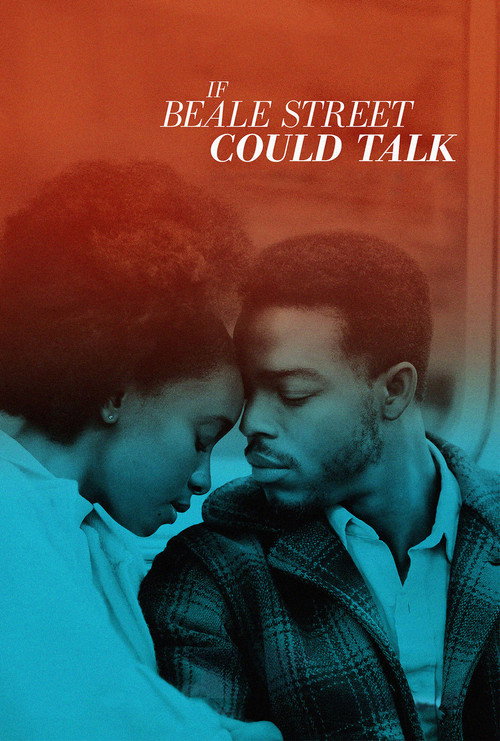
If Beale Street Could Talk2018
Both use restraint and visual precision to examine identity as something both chosen and imposed. Jenkins made the film Passing might have been if it had chosen tenderness over dread.
Barry Jenkins shoots Black love and Black life in jewel tones and close focus. Like Passing, it's about what society imposes on identity and desire, but where Passing is ice-cold, this radiates warmth. Same stakes, opposite temperature.
But It's patient to the point of slowness. The romantic register some love feels slack to others.
More like this (8)
The Vanishing1988
A Dutch psychological thriller about obsession and the distance between self and other. Like Passing, it's small, precise, and genuinely unsettling—more interested in why people do things than reassuring you they're good.
But It's bleak and the ending devastates in ways designed to linger. Not uplifting.
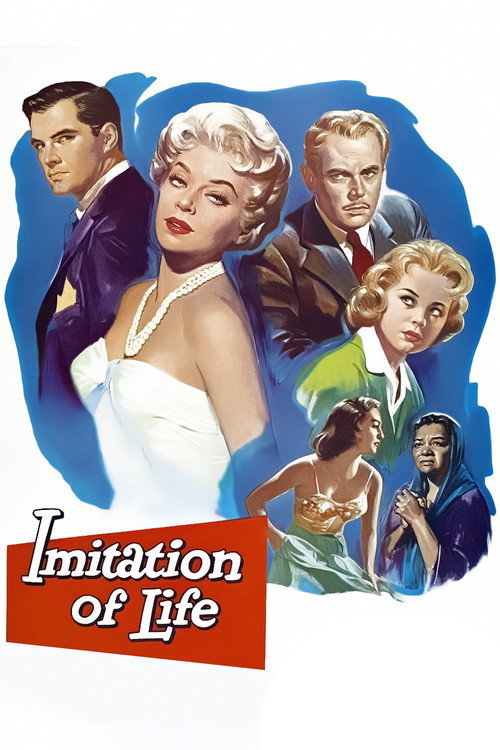
Imitation of Life1959
The Technicolor predecessor to Passing's themes: a Black woman's daughter passes as white, wrecking her mother's life. Douglas Sirk brought melodrama and visual depth to a story of racial identity decades before Passing did.
But The emotional register is deliberately heightened. If you want naturalistic acting, 1959 Sirk isn't your entry point.
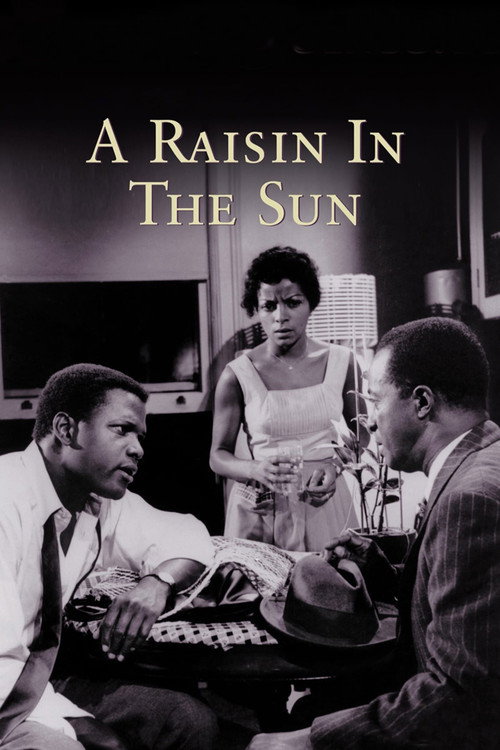
A Raisin in the Sun1961
Sidney Lumet brings Lorraine Hansberry's play to screen with urgency and intimacy. It's about Black family life, aspiration, and the pressure to assimilate—different angle on the same America Passing anatomizes.
But Confined mostly to one apartment. Claustrophobic by design, which works thematically but tests patience.
Moonlight2016
Three chapters of a Black man's life told in prismatic color and sound. Like Passing, it understands that identity isn't fixed and that performance is sometimes survival. Lyrical where Passing is stark.
But Deliberately paced and impressionistic. Plot is secondary to mood. Some find it transcendent; others find it slow.

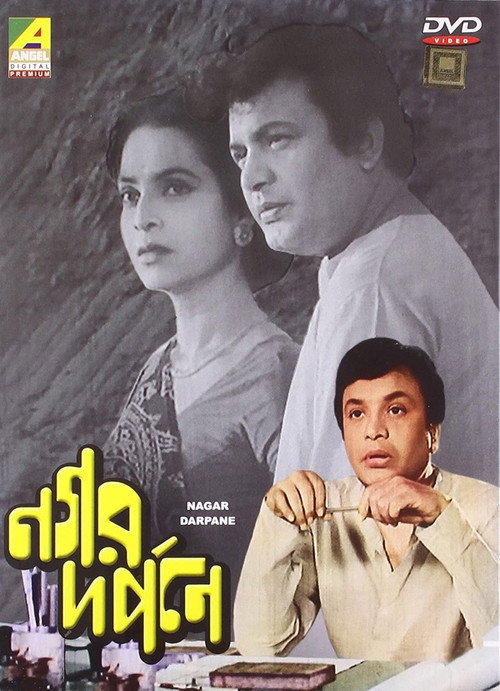
In the Mirror of the City1975
Tarkovsky's fractured meditation on memory, identity, and time. It shares Passing's refusal to separate past from present, self from other. Visually extraordinary and intellectually bracing.
But It's a 105-minute poem. If you want a story that tracks forward, this abandons that grammar entirely.
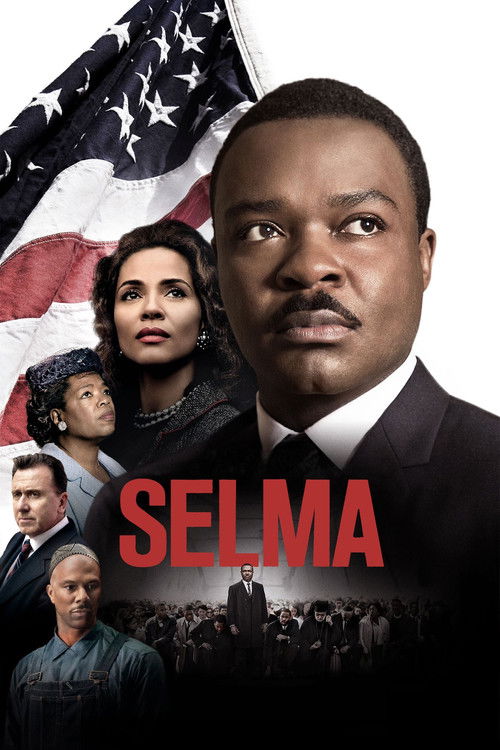
Selma2014
A different register on the same historical moment. Focuses outward on politics and movement rather than inward on psychology, but shares Passing's unflinching view of American racism and the impossible choices it produces.
But Ensemble cast means no one gets the depth Tessa Thompson has in Passing. More familiar in structure and emotion.
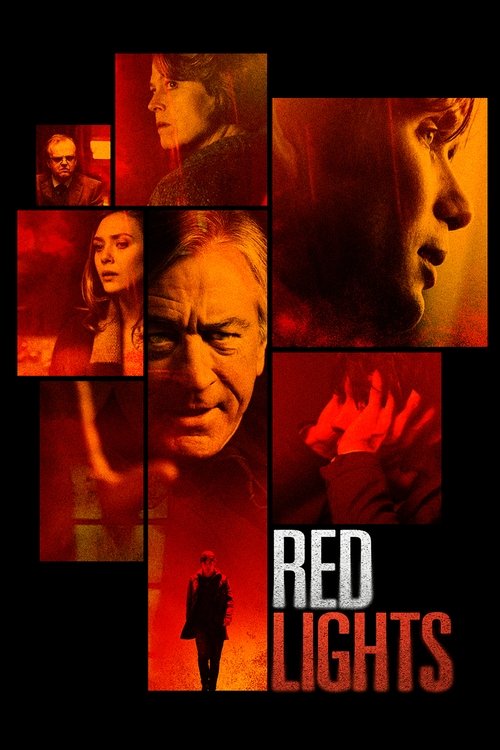
Red Lights2012
Both films understand that identity and performance are inseparable, and both use the structure of a thriller to ask what happens when someone's false self is more real than their true one.
A taut psychological thriller about performance and belief—two skeptics trying to expose a famous psychic. It's about watching someone perform a version of themselves and questioning whether performance can become truth.
But It's deeply ordinary-looking. No visual style, no period gloss, just tension in a car and a conference room.
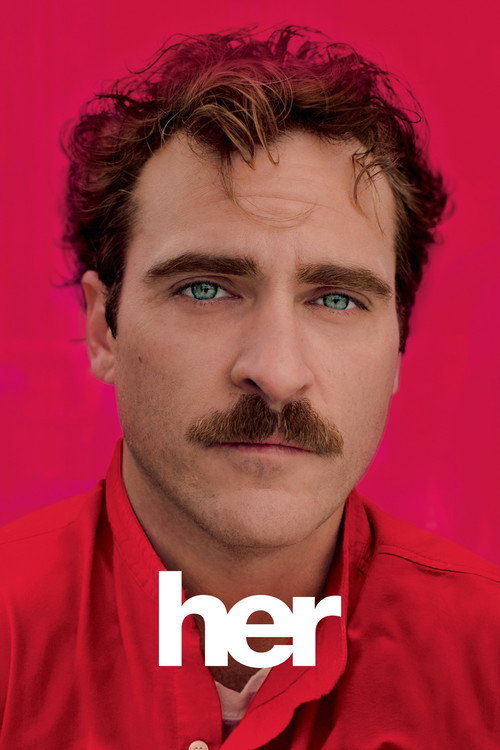
Her2013
Both examine whether a self that exists only through performance—through choice of voice, mannerism, presence—is less real than one grounded in biology. Both suggest it might not be.
Spike Jonze's science-fiction romance about a man falling in love with an AI—a being that exists only as performance. It's the inverse of Passing: instead of hiding behind a false identity, the artificial one feels more authentic than the human.
But It's a speculative romance, almost cheerful in tone. If you're looking for Passing's moral dread, you won't find it here.
People
Cast
 Tessa ThompsonIrene Redfield
 Ruth NeggaClare Kendry
 André HollandBrian Redfield
 Alexander SkarsgårdJohn Bellew
 Bill CampHugh Wentworth
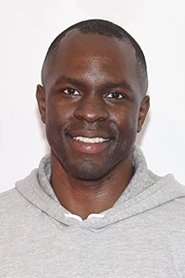 Gbenga AkinnagbeDave
 Antoinette Crowe-LegacyFelise

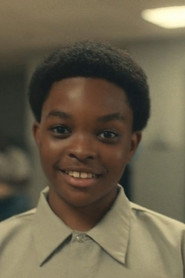 Ethan BarrettJunior
- Ashley Ware JenkinsZulena
- Amos J. MachanicRalph Hazelton
- Stu S. BeckerCabbie
Directing
- Rebecca HallDirector
- Vic CoramSecond Assistant Director
- Alexis VailSecond Second Assistant Director
Writing
- Nella LarsenNovel
- Rebecca HallWriter
Production
- David TecsonAssociate Producer
- Lori AbramsAssociate Producer
- Kim OstroyCasting
- Laura RosenthalCasting
- Ali JazayeriExecutive Producer
- Arcadiy GolubovichExecutive Producer
- Chaz EbertExecutive Producer
- Christopher C. LiuExecutive Producer
- David GendronExecutive Producer
- Dori A. RathExecutive Producer
- Erika HampsonExecutive Producer
- Joseph RestainoExecutive Producer
- Kevin M. LinExecutive Producer
- Lauren DarkExecutive Producer
- Michael Y. ChowExecutive Producer
- Oren MovermanExecutive Producer
- Yvonne Huff LeeExecutive Producer
- Erika HampsonLine Producer
- Forest WhitakerProducer
- Margot HandProducer
- Nina Yang BongioviProducer
- Rebecca HallProducer
Recommended by
Imitation of Life, The Wound, The Piano Lesson, Six Degrees of Separation, Their Eyes Were Watching God, Dear White People, Ethnic Notions, The Original Kings of Comedy, The Last Black Man in San Francisco, The Supremes at Earl's All-You-Can-Eat, The Gospel According to André, The United States vs. Billie Holiday, The Surrogate, An Open Book, Aandhi, Shangri-La, Grand Hotel, Bad Hair, Echoes of the Rainbow, Deaf U