
Film
Their Eyes Were Watching God
Halle Berry embodies Zora Neale Hurston's free-spirited heroine navigating love and selfhood in 1920s Florida. This is sensuous, lyrical filmmaking about a woman refusing to shrink for anyone's comfort. It demands patience with its pace but rewards you with one of cinema's most defiant portraits of female independence.
Should you watch it?
Watch it if you love novels where the inner life of a woman carries the story, and you are happy to sit with lush, sensory writing about love, land and talk on the porch.
Skip it if you want a brisk plot that keeps moving, since this is a slow, reflective picture built around conversation, memory and the landscape more than incident.
What it asks of you: It runs about two hours, unhurried, and asks you to settle into long stretches of talk and quiet observation rather than waiting for events to pick up.
Not sure? Find tonight's pick in a minute.
If you liked this
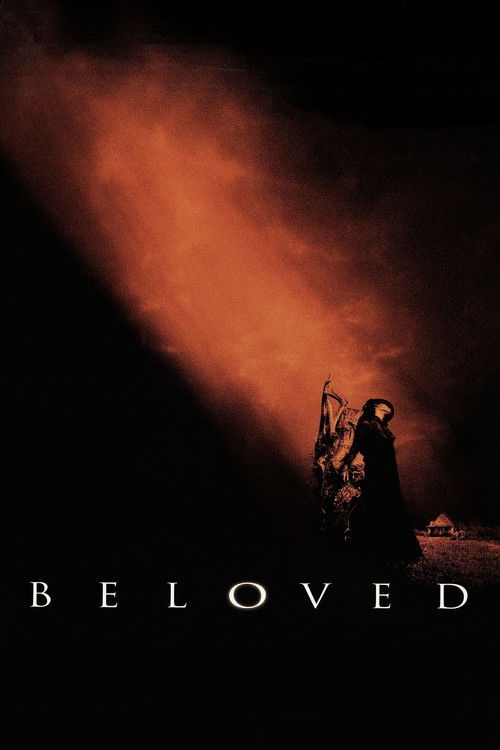
Beloved1998
Jonathan Demme's adaptation of Morrison's masterpiece shares the same literary ambition: transforming dense, poetic prose into cinema while centering Black female experience and resilience.
But It's demanding and elliptical, moving through time and trauma in ways that require active attention rather than passive watching.
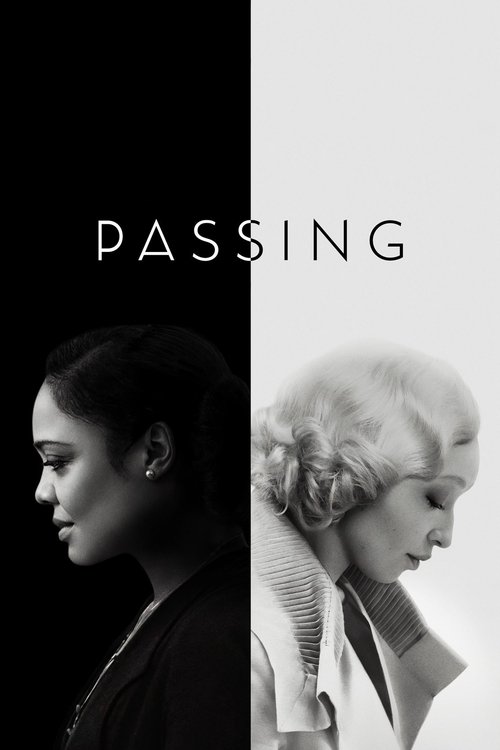
Passing2021
Rebecca Hall's directorial debut about two light-skinned Black women navigating identity, desire, and social constraint in 1920s Harlem. The same era, the same examination of what freedom costs.
But Its pacing is glacial and deliberately understated. If you want catharsis or clear answers, you'll be frustrated.
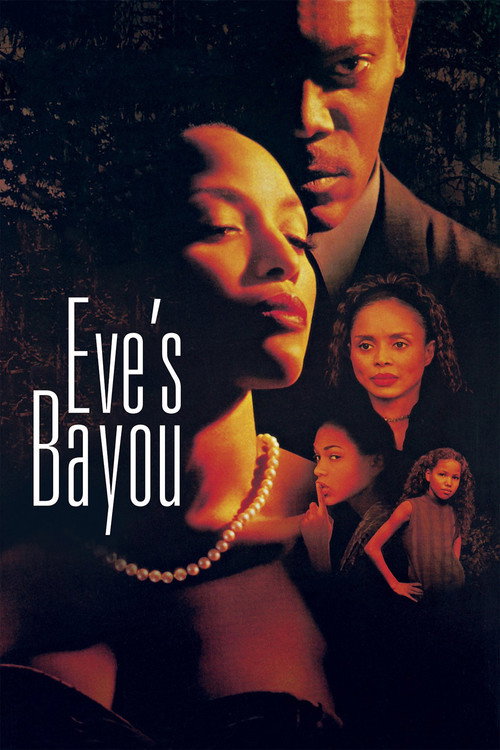
Eve's Bayou1997
Kasi Lemmons creates a steamy, mystical portrait of a Southern Black family where women's desire, agency, and power are central. Gorgeous and sensual in the same register as this film.
But The narrative is fragmented and unreliable. Some viewers find the nonlinear structure confusing rather than enriching.
Not sure tonight? Get a pick in a minute, starting from Their Eyes Were Watching God
The wildcard
Something you would not have found on your own.
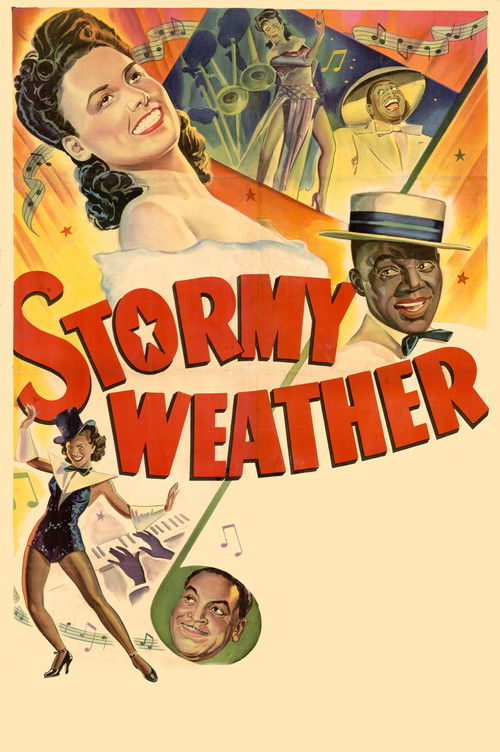
Stormy Weather1943
Both films celebrate Black beauty and desire without apology, and both use their respective mediums to assert presence in an era that wanted Black life confined and invisible.
An all-Black musical revue that captures the same era as Hurston's novel, celebrating Black artistry and female performers at the height of their talent. Lena Horne, Cab Calloway, Katherine Dunham: watching their power is watching the freedom Janie seeks.
But It's a plotless series of musical numbers. If you need narrative propulsion, you'll find it shapeless and fragmentary.
More like this (8)
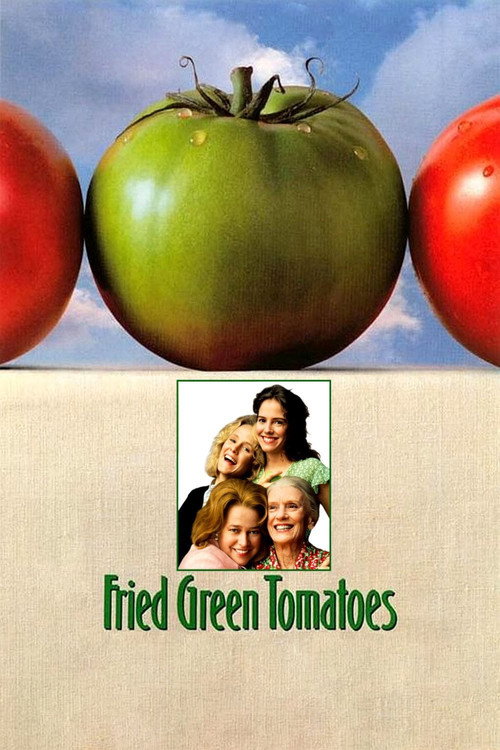
Fried Green Tomatoes1991
Southern women finding agency and love outside patriarchal expectation, told with warmth and humor. A more conventionally structured film, but wrestling with similar themes of female autonomy.
But It's gentler and more sentimental than Hurston's work—some find it dilutes the radical edge of female independence into comfort.
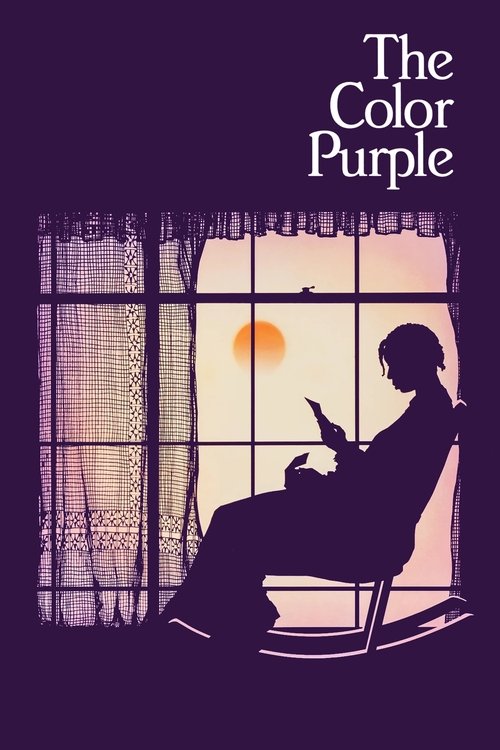
The Color Purple1985
Spielberg's adaptation of Alice Walker follows another Black woman's journey toward selfhood through multiple relationships and self-discovery. Same emotional and spiritual architecture.
But At three hours, it's exhausting. Some scenes feel heavy-handed compared to the novel's complexity.
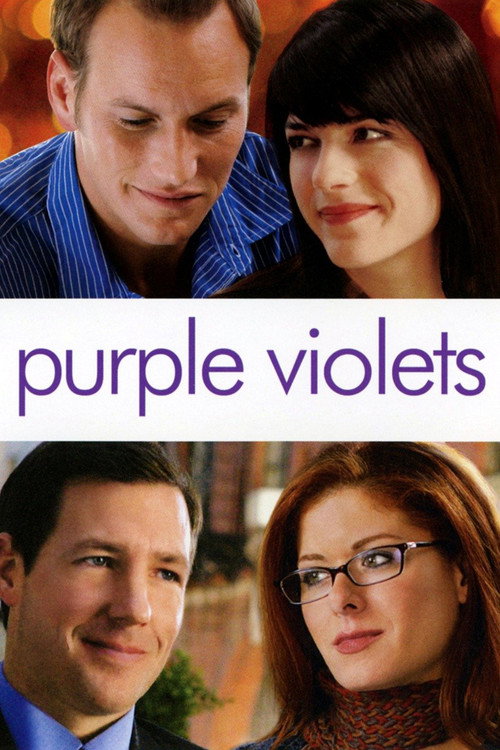
Purple Violets2007
Edward Burns explores love, identity, and artistic ambition among New York friends. Different setting and tone, but the same fascination with how people grow through romantic experience.
But It's talky and indie-didactic. If you want plot momentum or visual spectacle, you'll be disappointed.
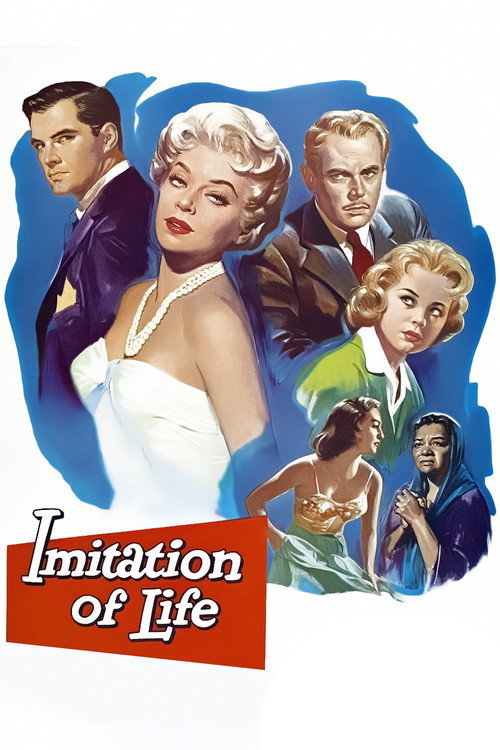
Imitation of Life1959
Douglas Sirk's melodrama examines race, identity, and female ambition with operatic intensity. A classical Hollywood film that shares this movie's interest in women's constrained choices.
But The racial politics feel dated and paternalistic by modern standards. The camp melodrama may undercut the serious themes for contemporary viewers.
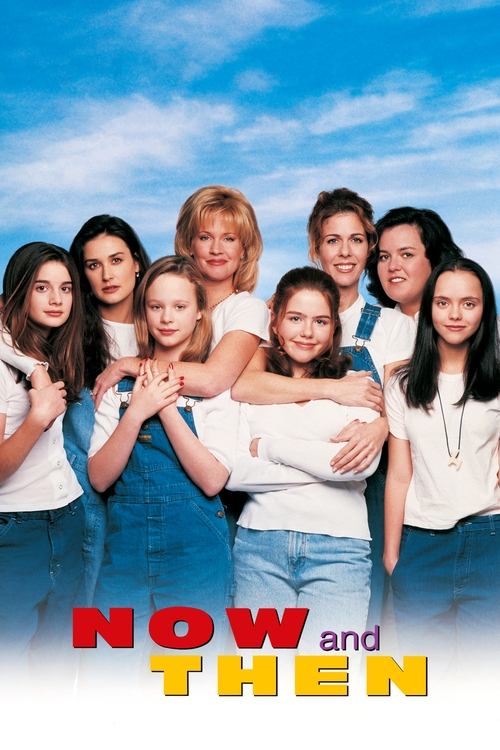
Now and Then1995
Four Black women look back on their lives, loves, and the dreams they deferred. A gentler exploration of female bonds and regret, but addressing similar questions about time and choice.
But It's episodic and occasionally schmaltzy. The framing structure of older women reflecting can feel sentimental.
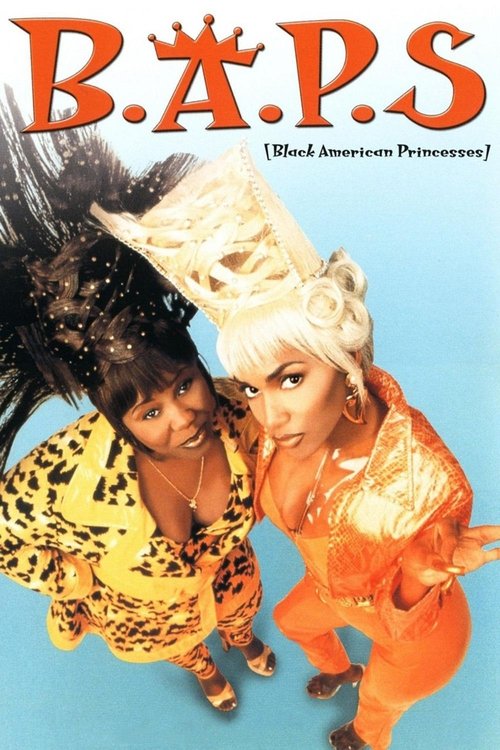
B.A.P.S1997
Halle Berry and Natalie Deselle in a comedy about ambition, reinvention, and female friendship in the South. A lighter, funnier way to spend time with Berry's charisma and Southern settings.
But It's broad comedy that many consider dated and insensitive to its own subject matter. The humor hasn't aged well.
Moonlight2016
Both films treat the interior lives of Black characters with the same literary gravity usually reserved for white protagonists. Both trust image and feeling over exposition.
Barry Jenkins' formally audacious three-act meditation on love, desire, and self-discovery across a life. It shares Hurston's lyrical, poetry-inflected sensibility and her conviction that private feeling matters as much as public judgment.
But Its minimalist dialogue and visual abstraction require patience. Some find it slow; others find it indulgent rather than profound.

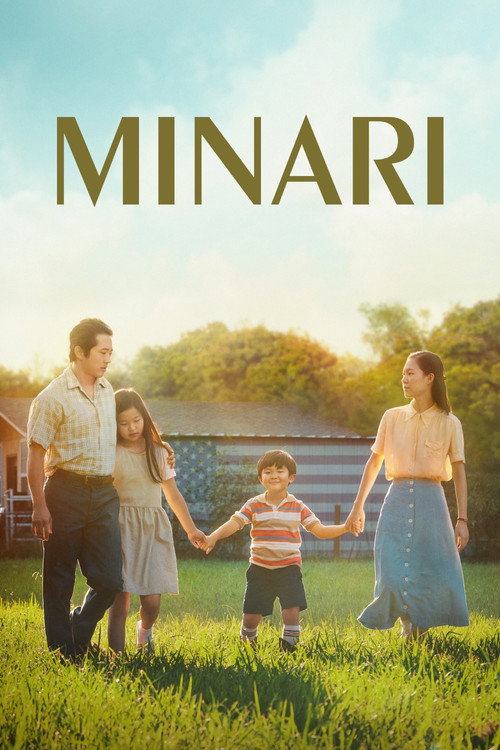
Minari2021
Both films are about outsiders navigating small towns, both treat agricultural labor and rural life with dignity, and both insist that the margins are where the most vital human stories unfold.
Lee Isaac Chung's film about Korean-American identity and belonging in rural Arkansas operates in the same emotional register: intimate, attentive to small moments, about people trying to make a life on their own terms.
But It's quiet and understated. The specificity of the Korean-American experience may feel distant if you're expecting universal resonance.
People
Cast
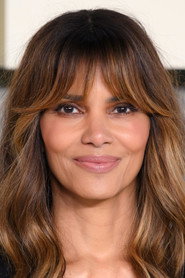 Halle BerryJanie Starks
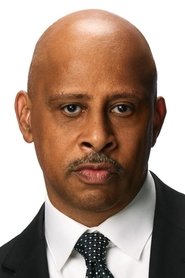 Ruben Santiago-HudsonJoe Starks
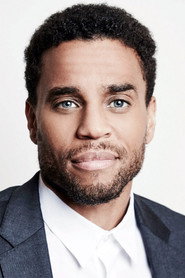 Michael EalyTea Cake
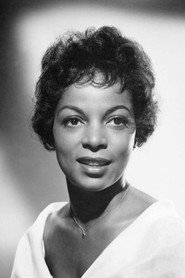 Ruby DeeNanny
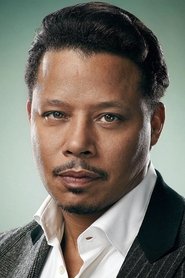 Terrence HowardAmos Hicks
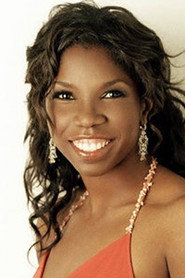 Nicki MicheauxPhoebe Watson
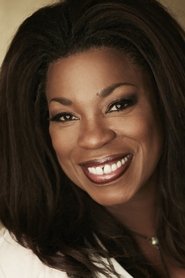 Lorraine ToussaintPearl Stone
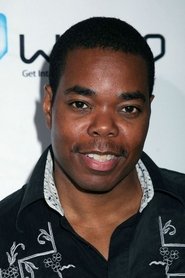 Gabriel CasseusSam Watson
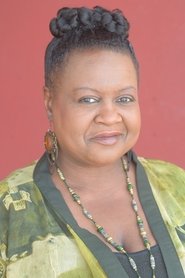 Lynette DuPreeAlva
 Artel GreatMotor Boat
Directing
- Darnell MartinDirector
Writing
- Zora Neale HurstonNovel
- Bobby Smith Jr.Teleplay
- Misan SagayTeleplay
- Suzan-Lori ParksTeleplay
Production
- Robi ReedCasting
- Kate ForteExecutive Producer
- Oprah WinfreyExecutive Producer
- Quincy JonesExecutive Producer
- Matthew CarlisleProducer