
Film
Ethnic Notions
Ethnic Notions traces how racist imagery became embedded in American popular culture—from minstrelsy through early cinema to advertising. In 57 minutes, Marlon Riggs constructs a visual argument about how entertainment naturalizes dehumanization. Essential viewing that's difficult and clarifying in equal measure, for anyone wanting to understand how prejudice gets packaged as fun.
Should you watch it?
Watch it if you are drawn to history told through objects, like old postcards, advertisements and sheet music, and want the argument built slowly from the images themselves.
Skip it if you need momentum and a single protagonist; this is an essay built from still images and scholarly commentary, and it may feel repetitive in places.
What it asks of you: Its fifty-seven minutes move at a deliberate, lecture-like pace, so you sit with each image rather than being swept past it.
Not sure? Find tonight's pick in a minute.
If you liked this
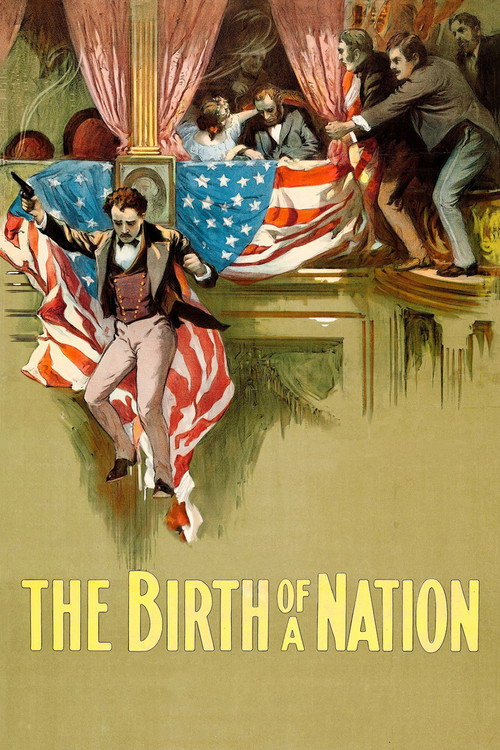
The Birth of a Nation1915
D.W. Griffith's technically innovative epic is also a founding document of modern American racism. Understanding its influence—and ugliness—is foundational to grasping how cinema shaped the racial imagination.
But It's genuinely hateful and three hours long. The technical mastery doesn't redeem the content; you're watching racism being perfected as spectacle.
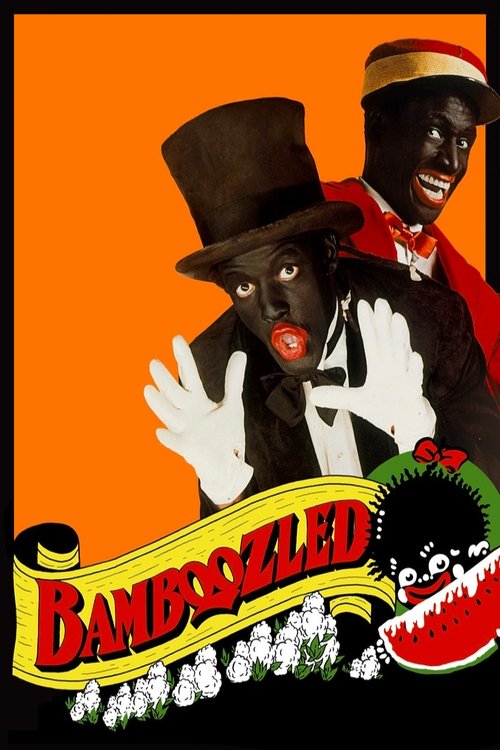
Bamboozled2000
Spike Lee's film about a modern minstrel show cuts at the same target as Ethnic Notions but from the opposite direction—asking what happens when blackness itself becomes a commodity to be packaged and sold.
But It's deliberately ugly and satirical in a way that can feel muddled. Some of the provocation lands better than others, and the tonal shifts can be jarring.
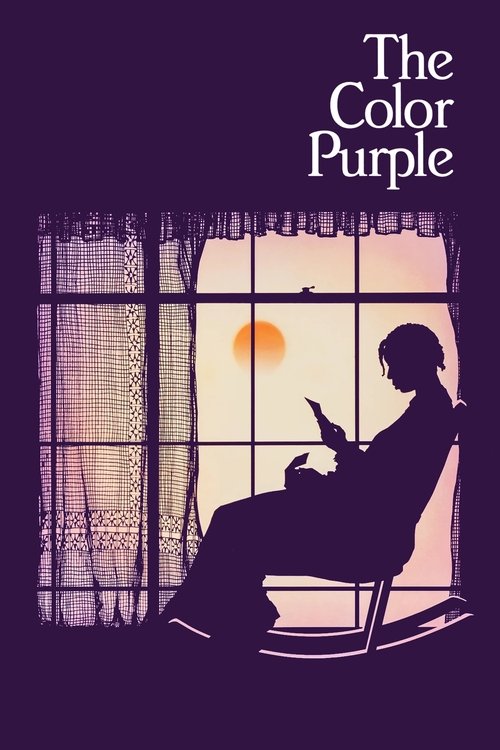
The Color Purple1985
Made the same year as Ethnic Notions, Spielberg's adaptation insists on the interiority and dignity of Black women in the segregated South. It's a direct visual rebuttal to the dehumanizing imagery Riggs documents.
But The softness of Spielberg's approach can feel like it's smoothing over trauma. Some viewers find his lens too genteel for the material's brutality.
Not sure tonight? Get a pick in a minute, starting from Ethnic Notions
The wildcard
Something you would not have found on your own.
Synecdoche, New York2008
Both films are about how images and performances create (or destroy) identity. Where Ethnic Notions shows how entertainment dehumanizes, Synecdoche shows how the impulse to represent can become a kind of madness.
Charlie Kaufman's film is obsessed with how representation distorts and consumes reality. A theater director builds a replica of the world and loses himself in it—a deeply weird formal meditation on performance versus authenticity.
But It's three hours and willfully confusing. Many viewers find it pretentious and exhausting. The sadness is suffocating.

More like this (5)
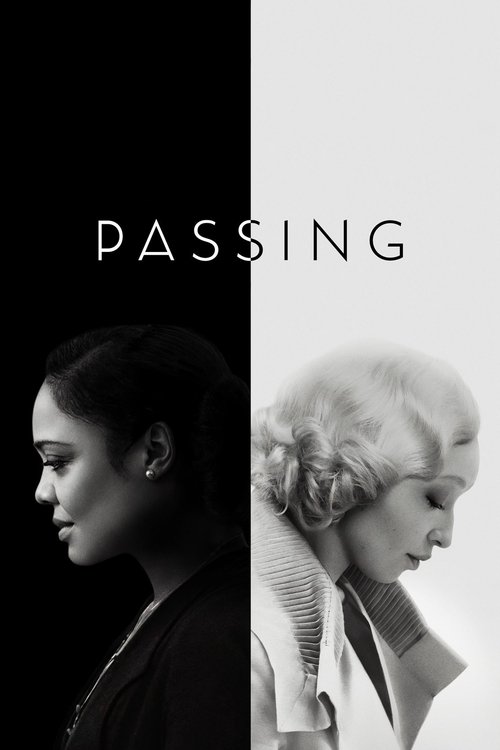
Passing2021
Rebecca Hall's film examines how race, performance, and identity collapse into one another—how passing as white requires an exhausting performance that mirrors the entertainment masquerade Ethnic Notions exposes.
But It's deliberately ambiguous and emotionally restrained. If you want catharsis or clarity, the film withholds both.
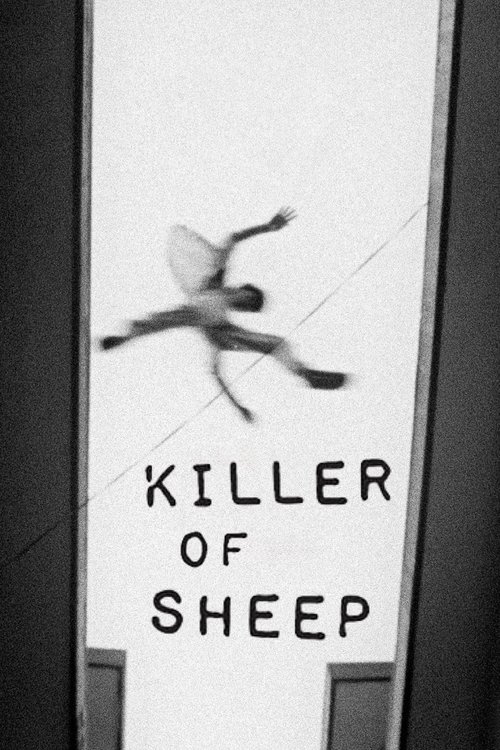
Killer of Sheep1978
Charles Burnett's experimental film presents Black life with poetic interiority—the opposite of minstrelsy or stereotype. A quiet, powerful counter-image to the entertainment racism Ethnic Notions catalogs.
But It's fragmentary and intentionally slow. There's no plot; if you need conventional narrative structure, this will frustrate you.
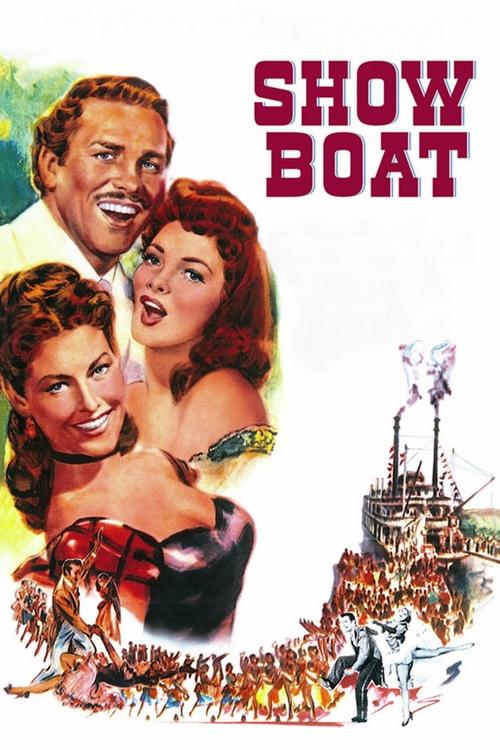
Show Boat1951
This Ava Gardner version of the Kern-Hammerstein musical is a good-faith Hollywood attempt at an integrated narrative, but the seams show—worth watching to see where cinema was trying and failing in the 1950s.
But It's confused about its own project. The contradictions are visible, which is educational but sometimes just uncomfortable.
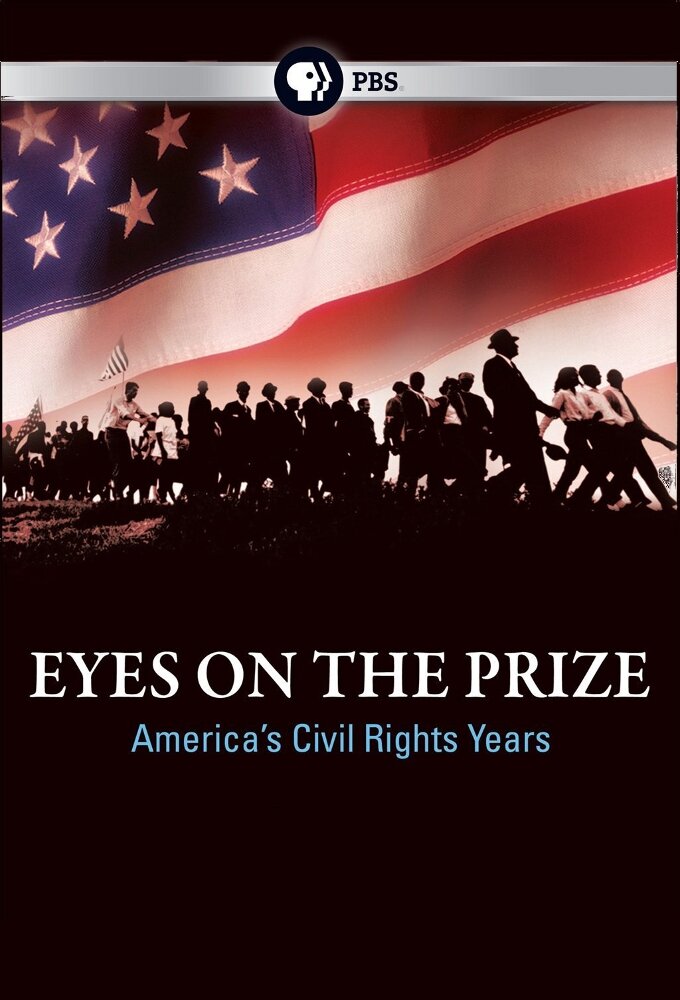
Eyes on the Prize1987
Henry Hampton's landmark documentary series uses archival footage and testimony to chronicle the Civil Rights Movement. A comprehensive, deeply moving complement to Ethnic Notions' examination of image and power.
But At 14 hours total it's a commitment. Some episodes feel dated in their approach, though the content remains urgent.
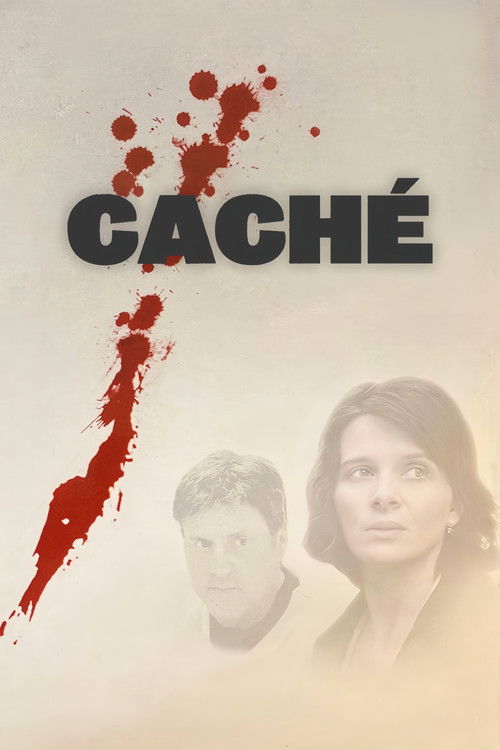
Caché2005
Like Ethnic Notions, it examines how the gaze itself is a tool of power—how looking at someone, framing them, recording them can be a form of aggression. Both ask: what is our responsibility as viewers?
Michael Haneke's film about a French family receiving mysterious surveillance tapes is formally brilliant and morally corrosive. It implicates the viewer in complicity—you're watching, and the act of watching becomes a form of violence.
But Nothing resolves. The violence is psychological rather than cathartic. It's a film that makes you feel implicated and guilty rather than informed or moved.
People
Cast
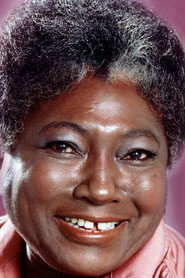 Esther RolleNarrator
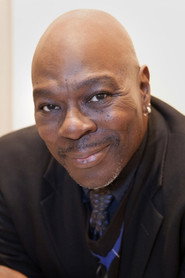 Leni SloanCast: Choreographer
- George FredericksonCast: Stanford
- Larry C. LevineCast: UC Berkeley
- Derique McGeeHambone Performer
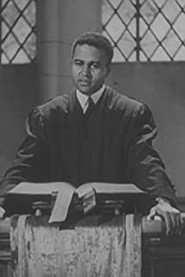 Carlton MossCast: UC Irvine
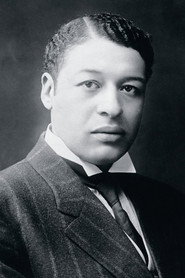 Bert WilliamsSelf (archive footage)
Directing
- Marlon RiggsDirector
Writing
- Marlon RiggsWriter
Production
- Keris SalmonAssociate Producer
- Marlon RiggsProducer
- Isaac MizrahiProduction Coordinator