
Film
The Birth of a Nation
Other titles called The Birth of a Nation: the 2016 film.
- Period drama
- Very dark
D.W. Griffith's 1915 epic is a technical masterpiece and a historical atrocity—the film that invented modern cinema language while spreading virulent racism that shaped American hatred for generations. It's watching genius in service of evil: intimate performances, daring editing, and scale that still astonishes, all weaponized to glorify the Klan. Essential to understand cinema history. Difficult to watch.
Should you watch it?
Watch it if you want to see how modern film grammar took shape and can watch a racist, historically important epic as a document while keeping a sharp eye on what it is doing.
Skip it if the core is a vicious racial fantasy casting the Klan as heroes, and its three-hour silent melodrama will test anyone not studying it.
What it asks of you: Three hours and fifteen minutes of silent images and printed title cards, with long battle sequences and crowd scenes that demand patience and a willingness to watch closely.
Not sure? Find tonight's pick in a minute.
If you liked this
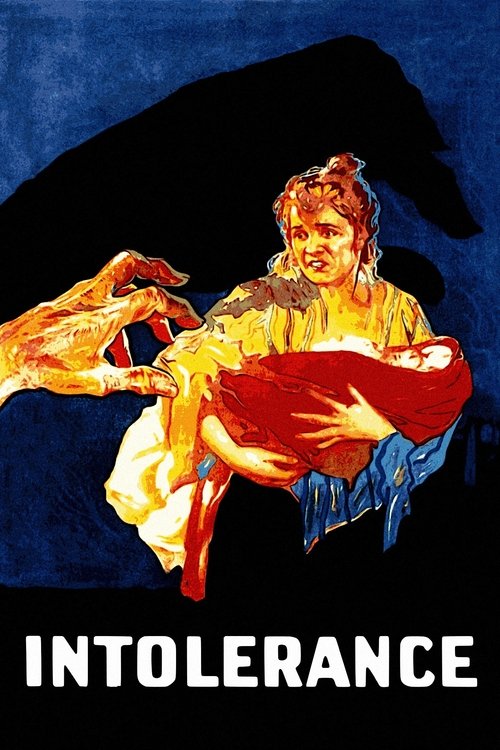
Intolerance: Love's Struggle Throughout the Ages1916
Griffith's immediate follow-up, made partly as penance, is even more audacious—four parallel stories across centuries, visual storytelling so innovative it predates sound cinema's mastery by a decade. A genuine artistic response to the outcry over his previous film.
But Nearly four hours, no intertitles to anchor you in the narrative, and the ambition sometimes outpaces clarity. Patience required.
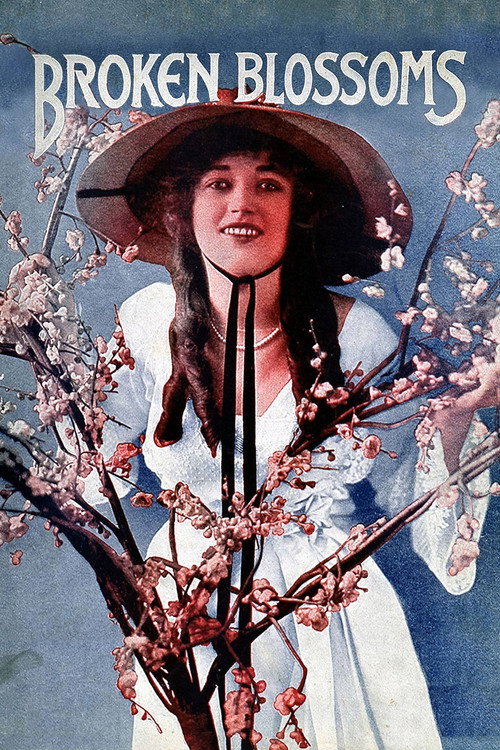
Broken Blossoms or The Yellow Man and the Girl1919
Griffith at his most tender: a Chinese immigrant and an abused English girl find solace in each other. Shot with such delicate expressionism that you feel the loneliness in every frame. Proof he could make art about human connection without propaganda.
But The race dynamics are uncomfortable by modern standards, and the ending is bleak. Also only 90 minutes, which might leave you wanting more.
Nosferatu1922
German Expressionist vampire film that takes Griffith's editing and lighting innovations in a horror direction. Every frame is composed like a nightmare. Influence on cinema so profound it shaped what scary movies could be.
But Slow-burn atmosphere means little happens for stretches. The story is paper-thin. And it's silent, which still intimidates some viewers.

Not sure tonight? Get a pick in a minute, starting from The Birth of a Nation
The wildcard
Something you would not have found on your own.
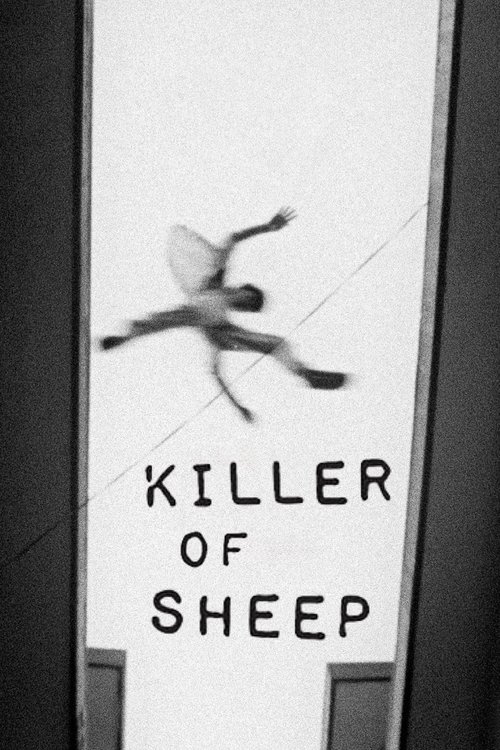
Killer of Sheep1978
Both are foundational texts about American identity, but Burnett's uses Griffith's visual language to say the opposite thing—that Black life contains a beauty and dignity Birth's cinema denied. One repudiates the other through form.
Charles Burnett's Los Angeles requiem for Black working life—a man who slaughters animals by day, dreams by night—uses every Griffith innovation but reclaims cinema for humanity the film exploited. Shot on a shoestring, it's more beautiful and moral than any epic.
But Plotless and deliberately slow. Long takes of everyday grief. No music for much of it. Some viewers will call it boring and mean it as criticism, not description.
More like this (7)
Nanook of the North1922
Robert Flaherty's documentary pioneered how we film real life, using Griffith-influenced techniques to create narrative from observation. It's cinema as exploration, intimate and vast. The birth of feature-length documentary.
But Heavily staged and manipulated—the 'documentary' claim is complicated. Also glacially paced by modern standards, with minimal dialogue.

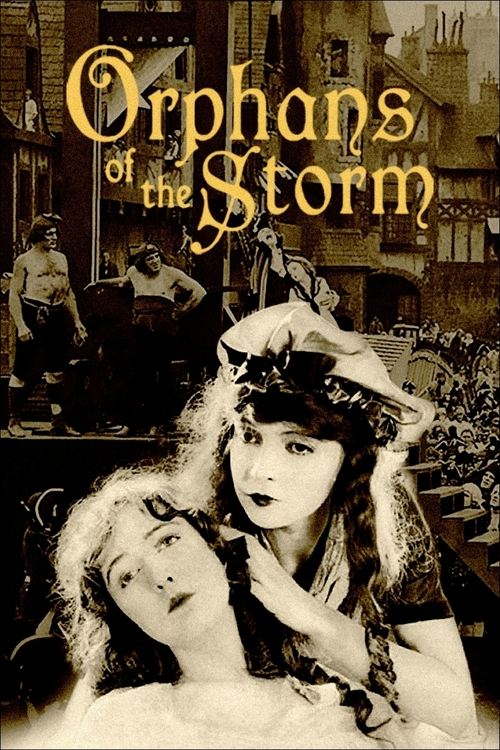
Orphans of the Storm1921
Griffith returned to historical epic with this French Revolution melodrama featuring Lillian Gish, and it's everything Birth aspired to be without the hate propaganda. Thrilling, beautifully shot, emotionally generous. Shows what his talent could accomplish untethered from racism.
But Nearly three hours of silent film, and the plot twists strain credibility. Also, it's hard to find in pristine condition.
Sunrise: A Song of Two Humans1927
F.W. Murnau's masterpiece about a marriage tested by temptation uses Griffith's editing language but deepens it—every cut speaks emotionally. The closest you'll get to a perfect silent film. It won the first Academy Award for Outstanding Picture.
But The sentimental core will feel dated to some. And as cinema evolved, the theatrical acting style reads differently than it did in 1927.

Man with a Movie Camera1929
Dziga Vertov's Soviet experiment takes the editing techniques Griffith pioneered and pushes them into pure abstraction—a city symphony told through radical montage. It's a film about cinema itself, playful and genuinely experimental.
But There's no plot, no characters, sometimes no clear visual logic. It's formal experimentation, not entertainment. Very much a 'watch for a reason' rather than 'watch for fun' proposition.

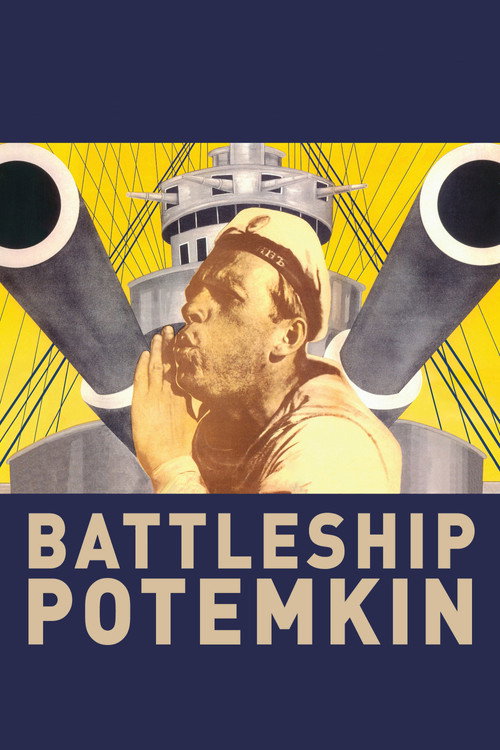
Battleship Potemkin1925
Sergei Eisenstein's revolutionary epic about a ship mutiny uses montage as a weapon—cutting creates meaning rather than just showing it. The Odessa Steps sequence invented how action sequences could work. Political art that still thrills.
But Slow in places, dense with Soviet ideology, and the heroic register feels distant now. Also, prints vary wildly in quality.
The Cabinet of Dr. Caligari1920
German Expressionist nightmare about a somnambulist murderer, told through distorted sets and shadow play. Griffith's editing language applied to psychological horror. Hypnotic and deeply weird.
But The plot is thin and the twist feels contrived. The acting style will seem mannered. And at 71 minutes, it's almost a curiosity.

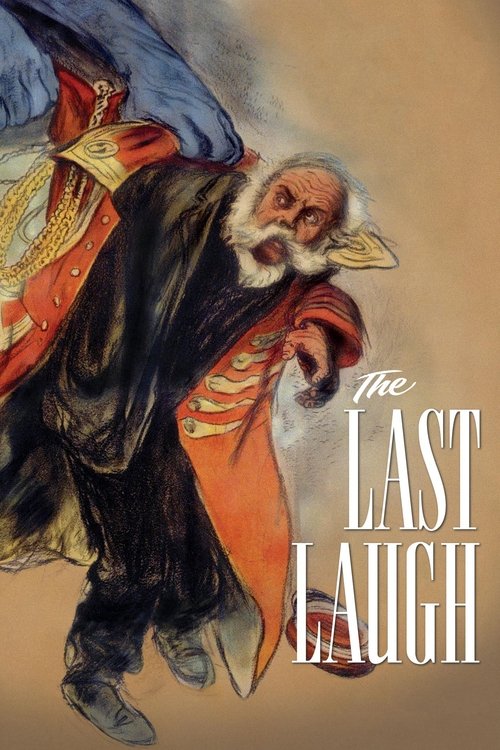
The Last Laugh1924
Both are epics of American society, but where Birth mythologizes hierarchy and restoration of 'order,' Last Laugh shows how that order crushes ordinary people. Same cinematic language, opposite moral vision.
F.W. Murnau's film about a hotel doorman's descent into poverty—told almost entirely without intertitles, using pure visual storytelling to convey humiliation and social collapse. Griffith's editing as emotional precision. Bleak and perfect.
But The class politics are depressing. Almost nothing happens by conventional plot measures. And the ending is deliberately ambiguous in ways that frustrate some viewers.
People
Cast
 Lillian GishStoneman's Daughter Elsie
 Mae MarshFlora Cameron
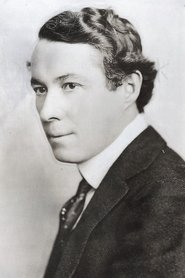 Henry B. WalthallCol. Ben Cameron
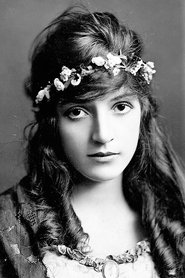 Miriam CooperMargaret Cameron
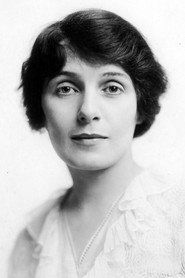 Mary AldenStoneman's Housekeeper Lydia
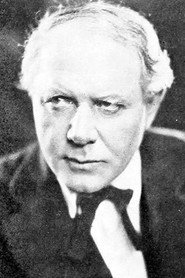 Ralph LewisLeader of the House Hon. Austin Stoneman
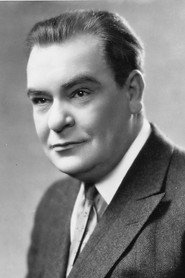 George SiegmannLieut. Governor Silas Lynch
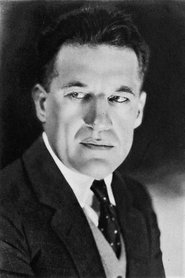 Walter LongGus
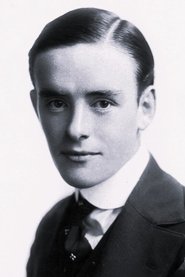
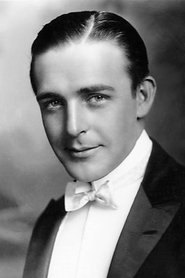 Wallace ReidJeff, the Blacksmith
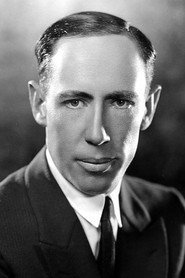 Joseph HenaberyAbraham Lincoln
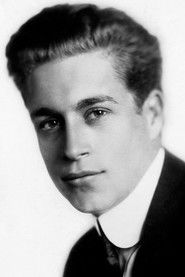 Elmer CliftonStoneman's Elder Son Phil
Directing
- Allan DwanAssistant Director
- Baron von WintherAssistant Director
- Christy CabanneAssistant Director
- Donald CrispAssistant Director
- Elmer CliftonAssistant Director
- Erich von StroheimAssistant Director
- Fred HamerAssistant Director
- Henry B. WalthallAssistant Director
- Herbert SutchAssistant Director
- Howard GayeAssistant Director
- Jack ConwayAssistant Director
- Joseph HenaberyAssistant Director
- Monte BlueAssistant Director
- Raoul WalshAssistant Director
- Robert HarronAssistant Director
- Thomas E. O'BrienAssistant Director
- Tom WilsonAssistant Director
- W.S. Van DykeAssistant Director
- D.W. GriffithDirector
Writing
- Thomas F. Dixon Jr.Adaptation
- Thomas F. Dixon Jr.Novel
- Thomas F. Dixon Jr.Original Film Writer
- Frank E. WoodsScreenplay
- D.W. GriffithWriter
Production
- H.E. AitkenExecutive Producer
- D.W. GriffithProducer
Recommended by
The Civil War, The Alamo, Intolerance: Love's Struggle Throughout the Ages, Ethnic Notions, Dark Command