
Film
The Alamo
John Wayne's three-hour 1960 epic about the 1836 siege of the Alamo is a monument to sacrifice and masculine duty, filmed with Old Hollywood spectacle and moral clarity. It's a war film disguised as a Western, serious about its historical stakes even as it simplifies them. For anyone moved by last-stand stories or interested in how America saw itself in the postwar era.
If you liked this
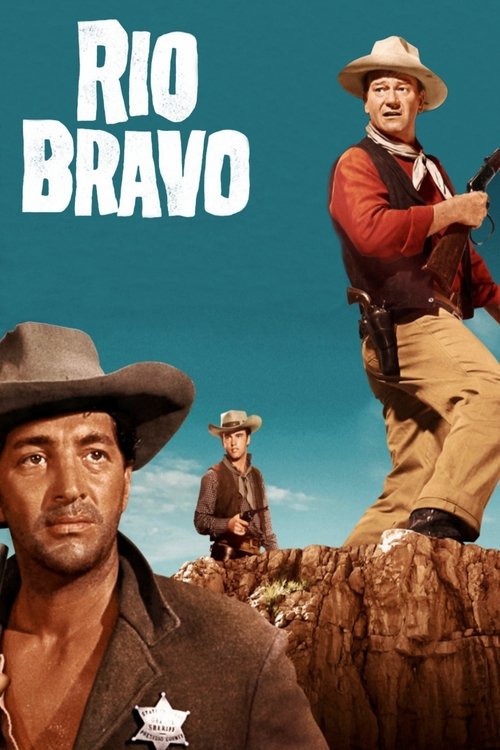
Rio Bravo1959
Howard Hawks' Western about a small group holding a fortress against overwhelming odds. John Wayne again, but this time the siege is tighter, the dialogue sharper, and the film trusts you to feel the tension without needing 200 minutes to build it.
But It's a Western, not a war film, so if you came for Alamo's historical weight and military strategy, this trades those for character talk and slow-burn standoffs.
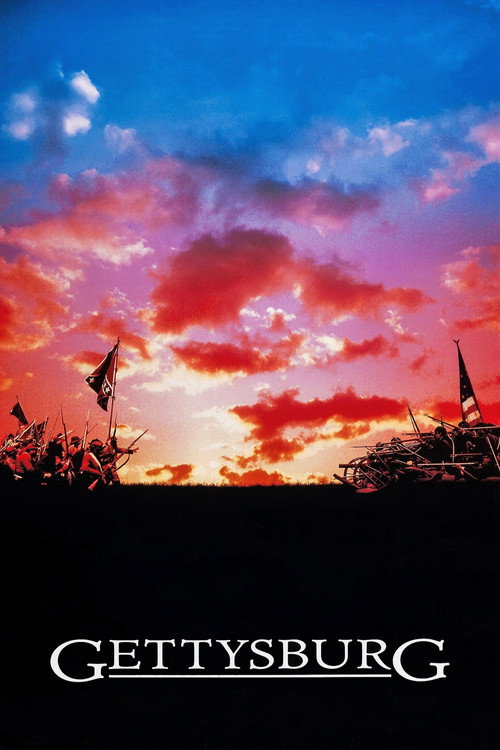
Gettysburg1993
A four-hour Civil War epic that mirrors the Alamo's commitment to depicting doomed bravery on a massive scale. Equally ambitious about showing you what sacrifice looked like, with strong ensemble cast work and genuine tactical complexity.
But The length is daunting even for patient viewers, and it lacks the mythic simplicity of the Alamo story—morally murkier, historically messier.
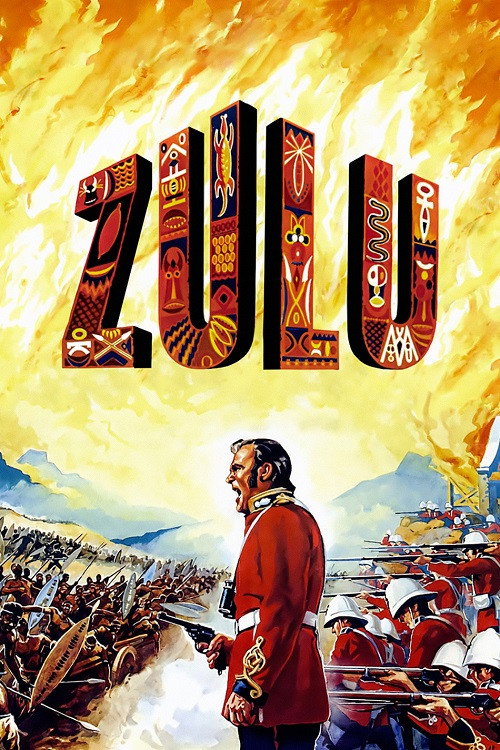
Zulu1964
Michael Caine's debut in a British siege film with the same DNA as the Alamo: a small force, a colonial fortress, overwhelming numbers, and soldiers choosing to die rather than retreat. Tighter and more intimate than Wayne's version.
But It's a British film about colonialism, so the mythology being celebrated is different and less familiar to American audiences—you're watching the other side's heroism.
Not sure tonight? Get a pick in a minute, starting from The Alamo
The wildcard
Something you would not have found on your own.
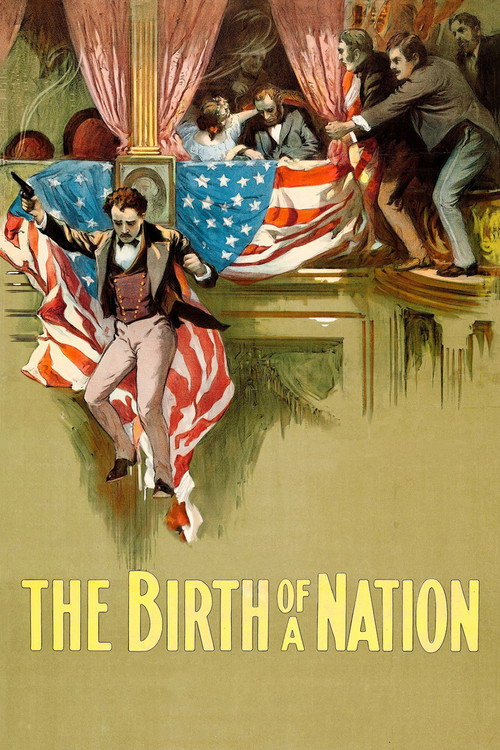
The Birth of a Nation1915
Both use cinema's ability to make myth feel like history, turning contested stories into monumental truth. The Alamo learned this grammar from Birth, though it aimed it at different myths.
D.W. Griffith's epochal and monstrous film pioneered the epic scale and mythmaking that the Alamo inherited. Watching it illuminates exactly how postwar America wanted to see itself and its past—essential for understanding what Wayne was tapping into.
But It's a three-hour celebration of the KKK made by a genius with a deeply sick vision of America. The technical brilliance and the moral horror are inseparable. Many will find it unwatchable, and that's a legitimate choice.
More like this (8)
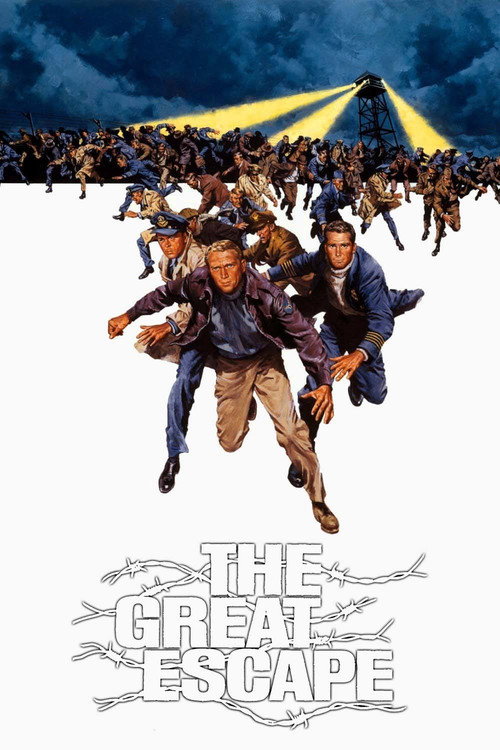
The Great Escape1963
Steve Reeves' massive war film about a prison camp escape with the same ensemble-cast energy and doomed-mission stakes. It's got scale, spectacle, and genuine stakes without quite the mythic weight of the Alamo.
But It's a POW escape film, not a last stand, so the moral framework is different—survival rather than sacrifice changes what the story is asking of you.
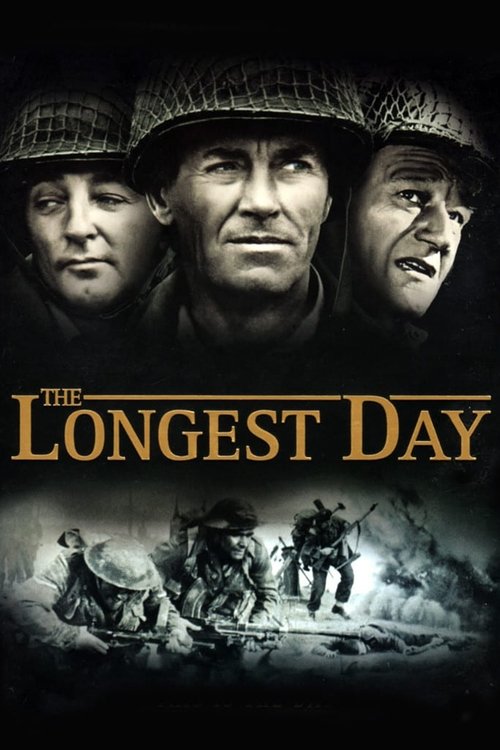
The Longest Day1962
D-Day in three hours with the same sprawling-cast, multi-perspective approach the Alamo uses to show how a historical moment felt to different people. Equally committed to depicting sacrifice, logistics, and the weight of command.
But World War II on this scale means the intimacy gets swallowed—you're watching geography and troop movements more than characters, which some find cold.
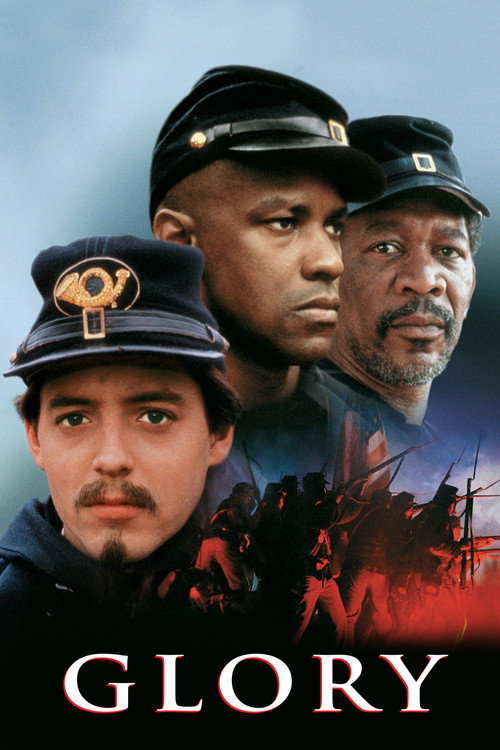
Glory1989
A Civil War film about the first Black regiment that also grapples with sacrifice, duty, and what the country being defended actually meant. More morally complex than the Alamo, but with the same epic scope and commitment to historical weight.
But Its willingness to critique American mythology makes it a very different film—less about heroism, more about the costs of patriotism. Some find that exhausting.
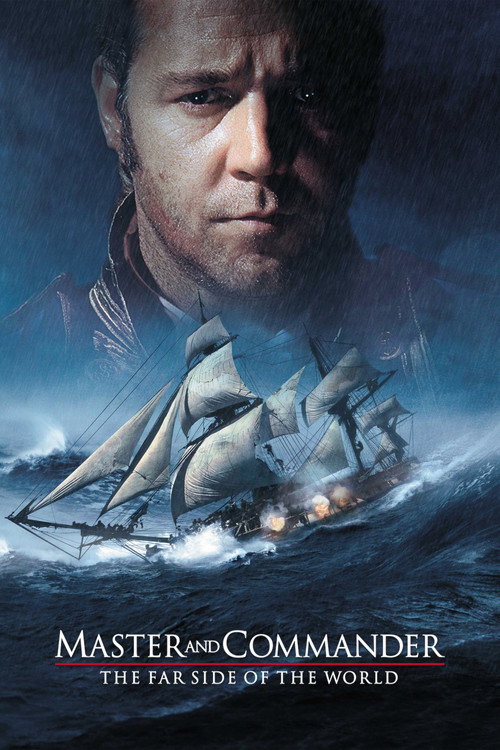
Master and Commander: The Far Side of the World2003
Russell Crowe in a Napoleonic War film with real naval combat, ensemble cast, and a commander making impossible decisions under pressure. It captures the Alamo's sense of duty and sacrifice in a different historical register.
But It's set on a ship, not a fortress, and the action is spread across months rather than days—the claustrophobia and urgency of a siege are replaced by something more meditative.
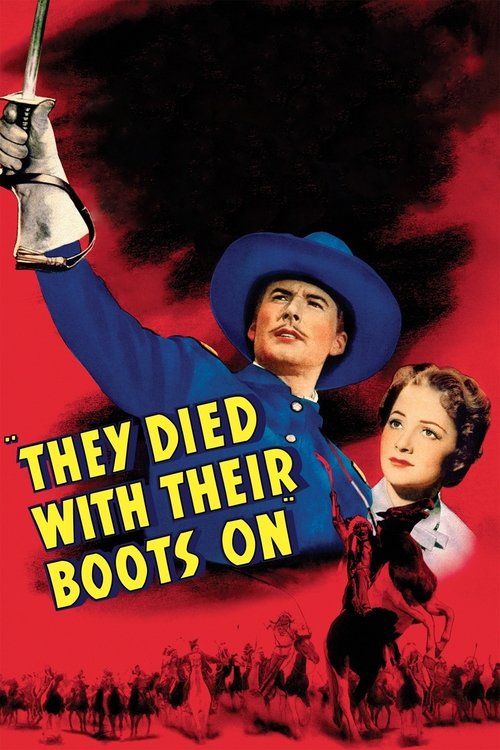
They Died with Their Boots On1941
Errol Flynn as Custer in another Wayne-adjacent take on a famous last stand. Earlier, more romantic, less encumbered by the weight of postwar American mythology, but hitting similar heroic notes.
But The Custer myth has aged poorly, and this film's version of events is purely mythological—if you want any grounding in history, look elsewhere.
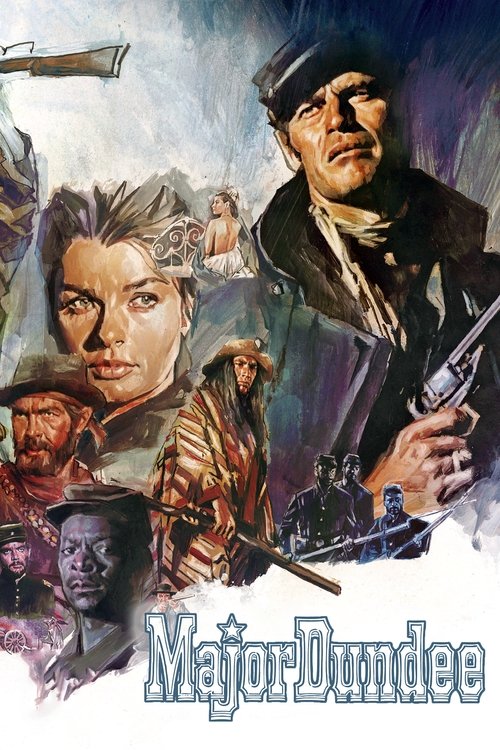
Major Dundee1965
Sam Peckinpah's sprawling Western about a commander leading an unlikely garrison against Apache raiders. It's got the ensemble cast, the siege mentality, and real interest in what military command costs a man.
But It's both longer than necessary and feels incomplete—badly edited and tonally uncertain in ways that frustrate rather than deepen.
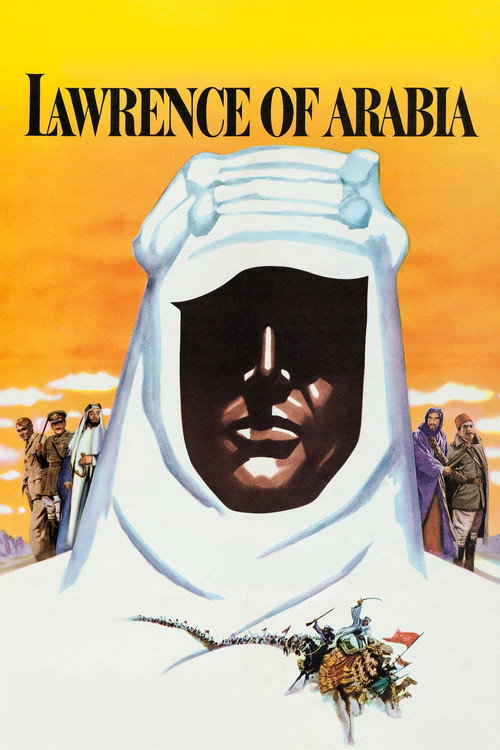
Lawrence of Arabia1962
Both are long-form epics about Western icons in impossible situations, but Lawrence questions whether its hero should be heroic at all. It's the Alamo if Wayne's character had doubts.
David Lean's four-hour meditation on a man caught between cultures during warfare, filmed in vast deserts with the same epic ambition as the Alamo but turning sacrifice into something more psychologically complicated and morally suspect.
But It's not a battle film—the action is sparse and long conversations dominate. If you want the Alamo's clear moral stakes and regular combat, this will feel abstract and slow.
Come and See1985
Both films believe absolutely in their version of sacrifice and duty, but Come and See uses that same belief to argue that war is hell and heroism is a lie we tell ourselves. It's the Alamo's dark mirror.
A Soviet war film about a boy soldier in World War II that uses the last-stand imagery and sacrifice mythology you know from the Alamo, but turns it into a vision of absolute horror. It's a necessary inversion: what heroism looks like when you can't romance it.
But It's relentlessly bleak, graphically brutal, and structured as a descent into trauma rather than a narrative with shape. Many who watch it regret the experience immediately, even while respecting it.

People
Cast
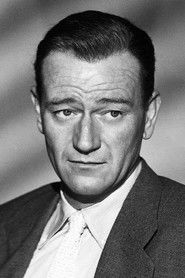 John WayneCol. Davy Crockett
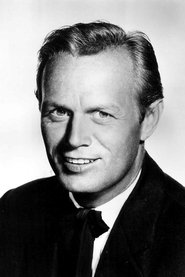 Richard WidmarkJim Bowie
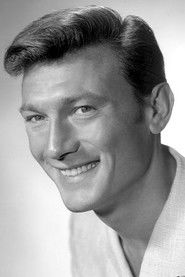 Laurence HarveyCol. William Travis
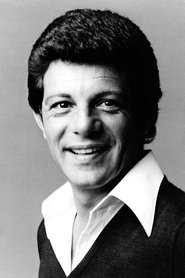 Frankie AvalonSmitty
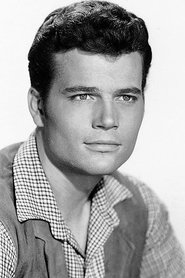 Patrick WayneCapt. James Butler Bonham
 Linda CristalFlaca
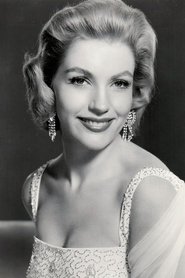 Joan O'BrienMrs. Sue Dickinson
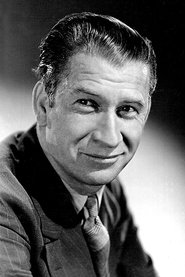 Chill WillsBeekeeper
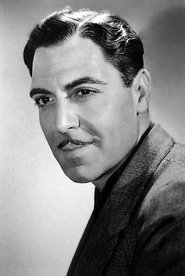 Joseph CalleiaJuan Seguin
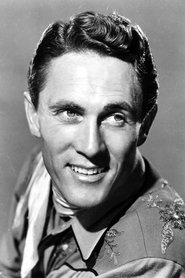 Ken CurtisCapt. Almeron Dickinson
- Carlos ArruzaLt. Reyes
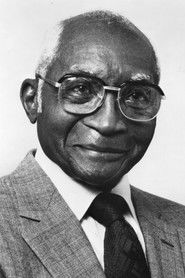 Jester HairstonJethro
Directing
- Bruce MinnixAssistant Director
- Robert E. RelyeaAssistant Director
- Robert SaundersAssistant Director
- John WayneDirector
- Michael MessingerSecond Assistant Director
- Cliff LyonsSecond Unit Director
- John FordSecond Unit Director
- Michael WayneSecond Unit First Assistant Director
- Herb HirstThird Assistant Director
Writing
- James Edward GrantScreenplay
Production
- James Edward GrantAssociate Producer
- Michael WayneAssociate Producer
- Frank LeyvaCasting
- John WayneProducer
- Michael WayneProducer's Assistant
- Nate H. EdwardsProduction Manager
- Tom AndreUnit Manager