
Film
Major Dundee
A Civil War cavalry officer leads an unlikely band of Union regulars, Confederate prisoners, and Apache scouts across the Mexican border to hunt hostile tribes. Sam Peckinpah's ambitious western-war hybrid is visually gorgeous and morally murky, pitting duty against survival. It's for anyone who wants their westerns stranger, messier, and less interested in heroes than consequences.
Should you watch it?
Watch it if you like sprawling, bickering ensemble westerns where a uniformed hero is squeezed between duty and a crew of misfits who would rather be somewhere else, and you don't mind the mess.
Skip it if you want a tight, streamlined action picture; the story wanders, its moods shift sharply, and at over two hours the detours can feel like they're testing your patience.
What it asks of you: It runs 125 minutes and settles into long stretches of talk and travel, with action arriving in bursts, so it asks for patience and tolerance for a crowded camp.
Not sure? Find tonight's pick in a minute.
If you liked this
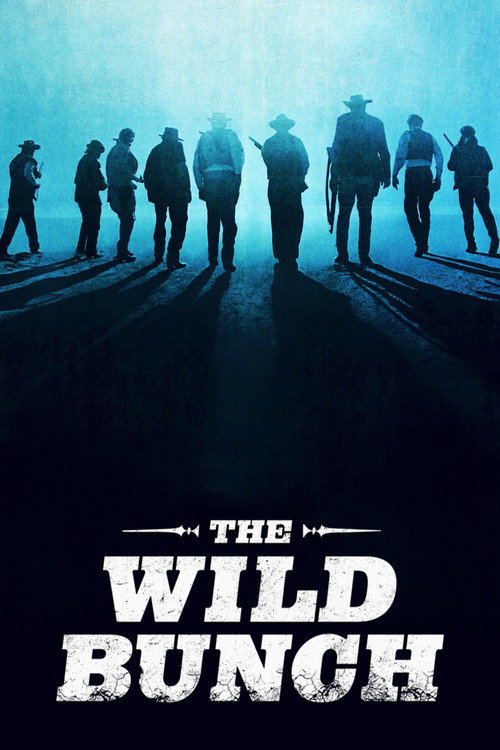
The Wild Bunch1969
Peckinpah's masterpiece about aging outlaws facing obsolescence. Violent, elegiac, and formally brilliant—this is the director at peak powers, doing what Major Dundee reaches for but couldn't quite grasp.
But The philosophical violence is relentless and the pacing demands patience. If you want a conventional action film, you're in the wrong place.
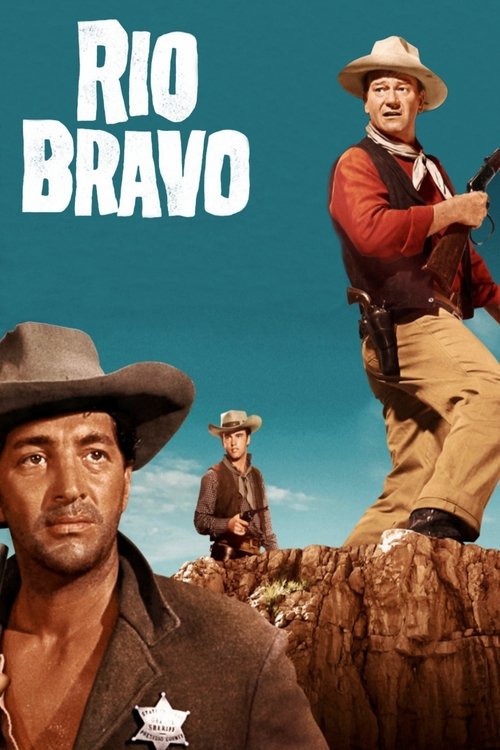
Rio Bravo1959
Hawks' response to High Noon—a siege western where characters matter more than plot. The slow burn, the camaraderie, the moral ambiguity of holding a line: this is the DNA that Dundee shares but executes more cleanly.
But Nearly three hours long and very much about conversation and waiting. Modern audiences sometimes find it static.
The Ballad of Little Jo1993
A woman passes as a man to survive the frontier, challenging every assumption about western heroism and identity. Like Dundee, it's interested in how institutions and survival warp morality.
But Deliberately unglamorous and slow. The film resists emotional catharsis, which some find austere rather than rewarding.

Not sure tonight? Get a pick in a minute, starting from Major Dundee
The wildcard
Something you would not have found on your own.
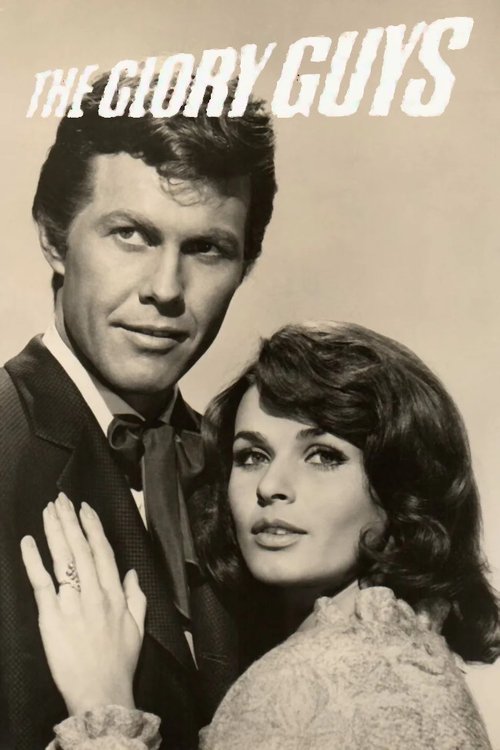
The Glory Guys1965
Both trace cavalry operations against Apaches in the same era, but where Dundee reaches for tragedy, Gries settles for brutality. Same era, same war, opposite registers.
An obscure cavalry-and-Apache western made the same year as Dundee, also starring Sam Elliott and James Caan. Tom Gries directed a leaner, crueler, less pretentious version of the same story—no philosophy, all instinct.
But Genuinely hard to find and it shows: the print quality is often rough and it's a marginal film even among sixties westerns. But it's lean in a way Dundee envies.
More like this (8)
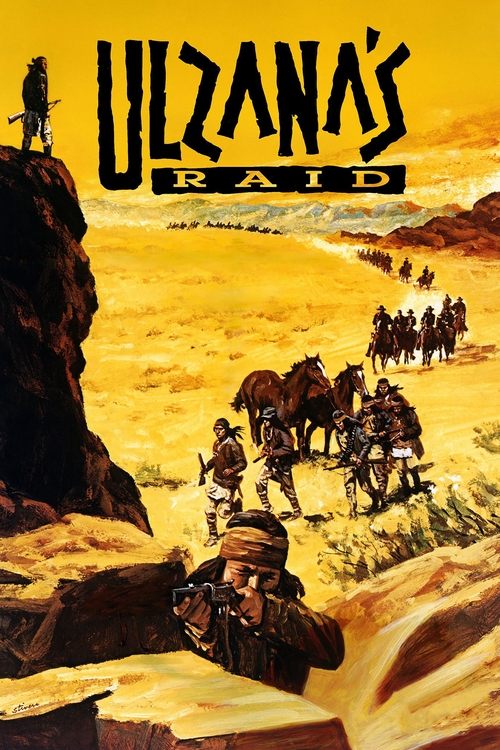
Ulzana's Raid1972
Aldrich's lean masterpiece about Apache warfare in Arizona. Shares Dundee's fascination with tactical complexity and the moral cost of colonial violence—but tighter and more brutal.
But Graphic and cynical, with none of Peckinpah's visual poetry. If you need heroes or moral clarity, look elsewhere.
Johnny Guitar1954
Ray's gender-inverted western where a saloon owner with a gun faces down a vigilante mob. Bizarrely, hauntingly beautiful—proof that the western could always contain contradiction and strangeness.
But Utterly weird by 1950s standards and strange by any standard. It's formally daring in ways that feel almost accidental.

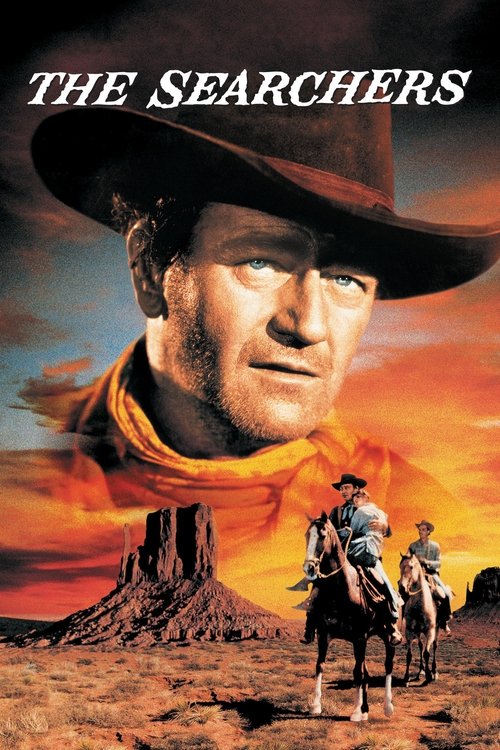
The Searchers1956
Ford's obsessive quest narrative, with John Wayne's Ethan Edwards as a man whose search for a captive niece becomes a nightmare of racial obsession. The spiritual ancestor to Dundee's moral rot.
But Wayne's character is racist and monstrous; if you need him to be sympathetic, the film will be very uncomfortable viewing.
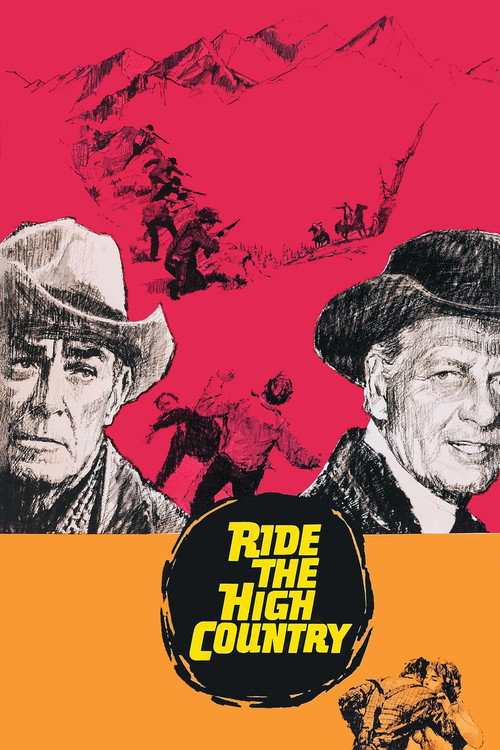
Ride the High Country1962
Boetticher's elegiac final western: two aging lawmen on a last job, their loyalties tested and their codes revealed as fragile. Quiet, elegant, genuinely moving about men facing obsolescence.
But Spare and slow, almost Bresson-like. There's minimal action and maximum reflection, which is exactly the point but not everyone's evening.
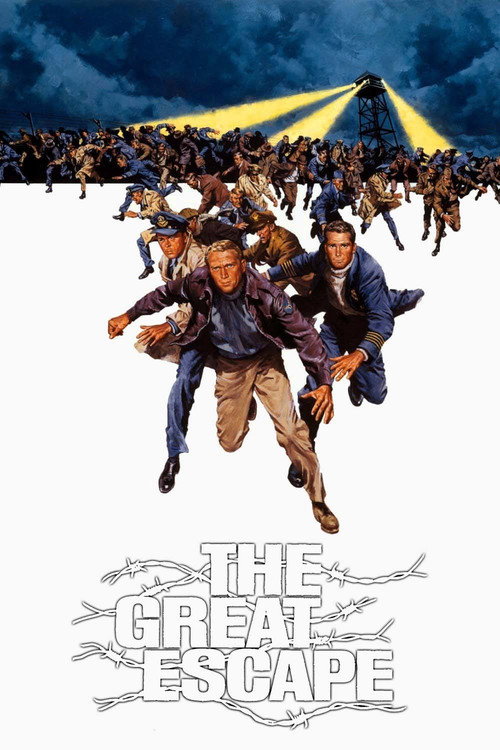
The Great Escape1963
Sturges' brilliant ensemble prison-camp film—similar structure to Dundee (disparate men united against odds), but cleaner execution and genuine momentum. Watch how efficiently it handles multiple characters.
But A conventional Hollywood narrative, which might feel slight after Dundee's moral ambiguity. It resolves where Peckinpah leaves you unsettled.
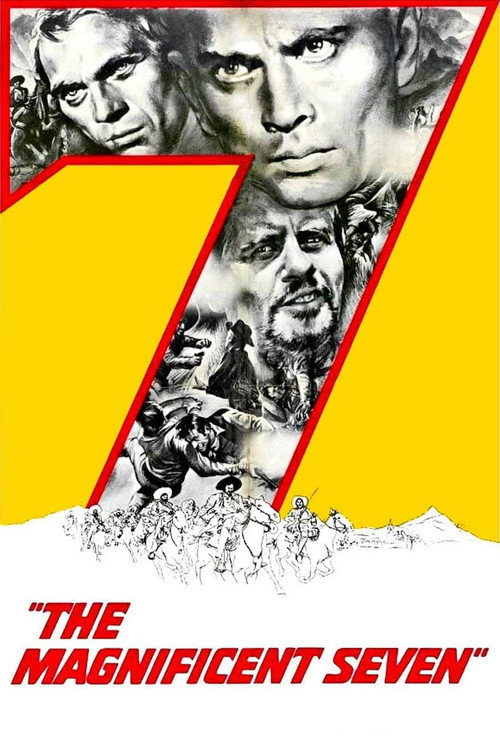
The Magnificent Seven1960
Aldrich's team-building western about mercenaries hired to protect a Mexican village. Less interested in why the men fight than how they function together—a useful contrast to Dundee's chaos.
But Leans toward adventure-film clarity and heroism. If you're watching for Peckinpah's moral murkiness, you'll find this almost naive.
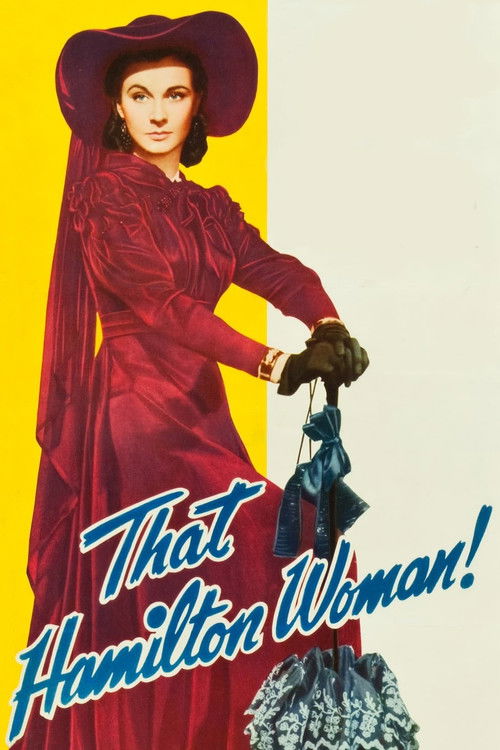
That Hamilton Woman1941
Both are about men at war with divided loyalties and impossible orders, structured as journeys that destroy everyone involved. But this one solves it through spectacle and sentiment; Dundee refuses easy answers.
Korda's historical epic about Admiral Nelson and Lady Hamilton—a war film disguised as a period romance. The narrative structure (conflict, passion, duty colliding) mirrors Dundee's architecture but with classical clarity instead of Peckinpah's visual chaos.
But A 1941 Technicolor historical romance may sound quaint or slow. It's genuinely affecting but asks for patience with different emotional registers than modern action.
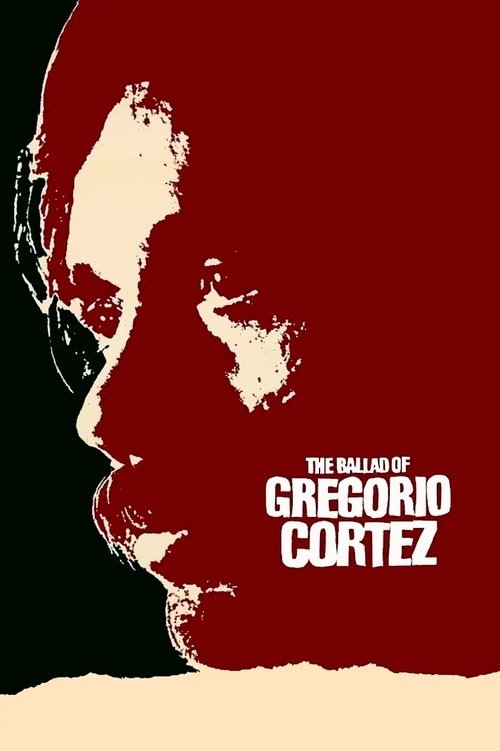
The Ballad of Gregorio Cortez1983
Both turn frontier violence into an argument about whose story gets told and whose lives count. Dundee sees it through American military eyes; Cortez insists on the Mexican perspective that Dundee's narrative renders invisible.
Edward James Olmos in a sparse, almost documentary-like retelling of a Mexican-Texan shooting in 1901. It's interested in how history, legend, and institutional power collide—the same engine as Dundee but from the other side of the border, ethnographically precise rather than mythic.
But Shot in TV-movie style, deliberately unglamorous. The pace is investigative rather than dramatic, and it refuses spectacle. For many, this will feel like homework.
People
Cast
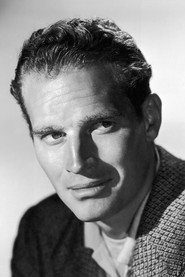 Charlton HestonMajor Amos Charles Dundee
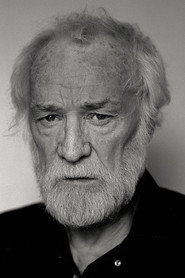 Richard HarrisCaptain Benjamin Tyreen
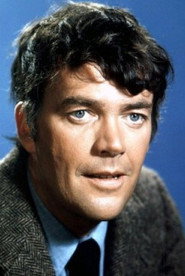 Jim HuttonLieutenant Graham
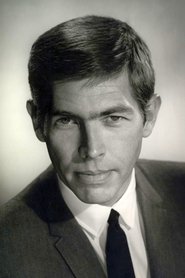 James CoburnSamuel Potts
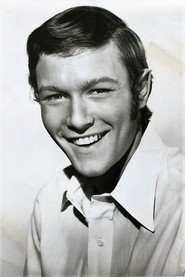 Michael Anderson Jr.Trooper Tim Ryan
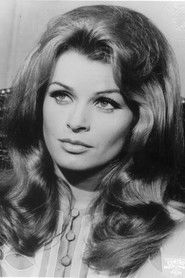 Senta BergerTeresa Santiago
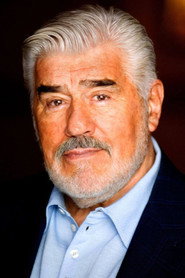 Mario AdorfSergeant Gomez
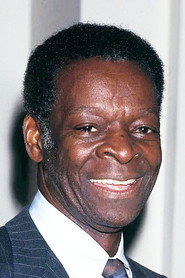 Brock PetersAesop
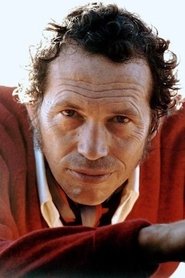 Warren OatesO.W. Hadley
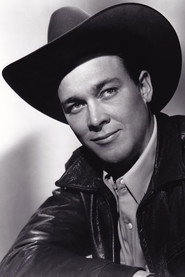 Ben JohnsonSergeant Chillum
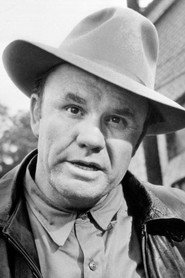 R.G. ArmstrongReverend Dahlstrom
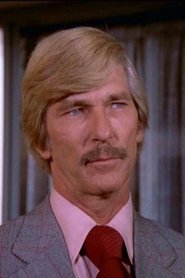 L.Q. JonesArthur Hadley
Directing
- Floyd JoyerAssistant Director
- John VeitchAssistant Director
- Sam PeckinpahDirector
- Cliff LyonsSecond Unit Director
Writing
- Harry Julian FinkScreenplay
- Oscar SaulScreenplay
- Sam PeckinpahScreenplay
- Harry Julian FinkStory
Production
- Jerry BreslerProducer
Recommended by
The Professionals, The Alamo, The Big Sky, In Harm's Way, Escape to Athena, The Inglorious Bastards, The Losers, The Gatling Gun, Dark of the Sun, The Glory Guys, The Horse Soldiers, Rio Conchos, Cannon for Cordoba, Shalako, 100 Rifles, Villa Rides, Decision at Sundown, Suicide Commando, Shenandoah, The Hunting Party, Fort Massacre, Ensign Pulver, The Conqueror, A Distant Trumpet, Beau Geste, Santa Fe