
Film
Decision at Sundown
A tight, vengeful Western built on one burning idea: a man rides into town to kill the man he blames for destroying his wife, and finds nothing is as simple as rage. Randolph Scott gives a rare performance of quiet obsession. Directed by Sam Peckinpah, it crackles with moral ambiguity and moves like a sprung trap in 78 lean minutes.
Should you watch it?
Watch it if you like Westerns built on a single hard grudge, where the mood carries more than the talk, and a lean hour and a quarter feels like plenty.
Skip it if you need sprawling plots, ambiguous heroes or a slower burn; this one is a tight, straightforward Western with its moral lines drawn early.
What it asks of you: It runs barely over an hour and a quarter and moves briskly, asking you to stay alert to tension and glances rather than to subplots or big set pieces.
Not sure? Find tonight's pick in a minute.
If you liked this
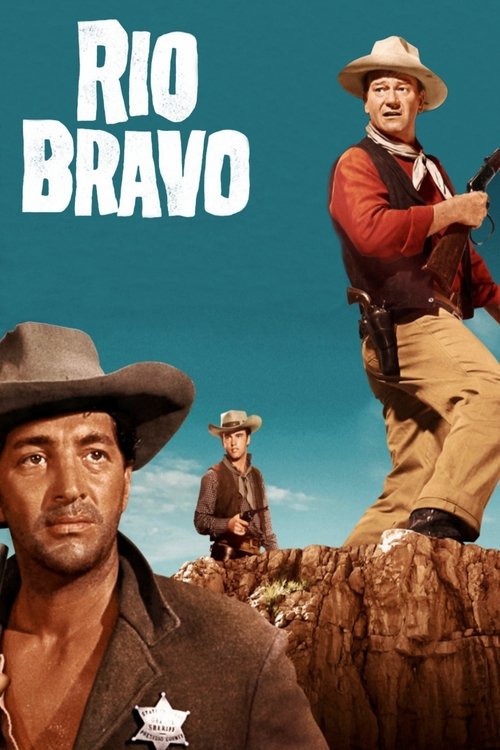
Rio Bravo1959
Hawks' masterpiece of men waiting for violence, the inverse of Decision—here heroic patience and code matter more than revenge. Scott's fixation finds its opposite in Wayne's weary professionalism.
But Three hours long and deliberately paced. The Hawks register can feel stagy if you want kinetic action.
The Killing1956
Kubrick's breakthrough tracks a heist from multiple angles, revealing how obsession and necessity transform decent men into criminals. Same moral fog, different terrain—but the structure of lies mirrors Scott's self-deception perfectly.
But Lean and sharp but somewhat cold. It's a puzzle before it's a story about people.

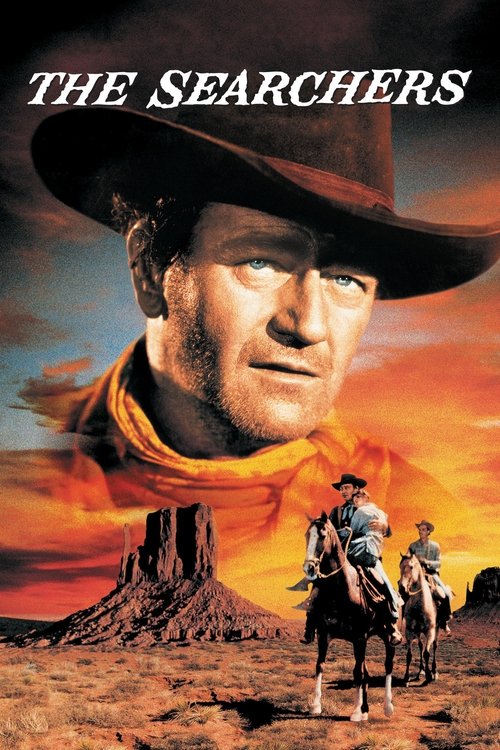
The Searchers1956
Ford's masterwork: vengeance and racism and love tangled so tightly you can't separate them. Wayne's Ethan shares Scott's poison, his certainty that driving him forward. It has the same unsettling moral clarity.
But Nearly three hours, and Ford's visual language can feel remote. The racism is examined, not condemned outright, which troubles some viewers.
Not sure tonight? Get a pick in a minute, starting from Decision at Sundown
The wildcard
Something you would not have found on your own.
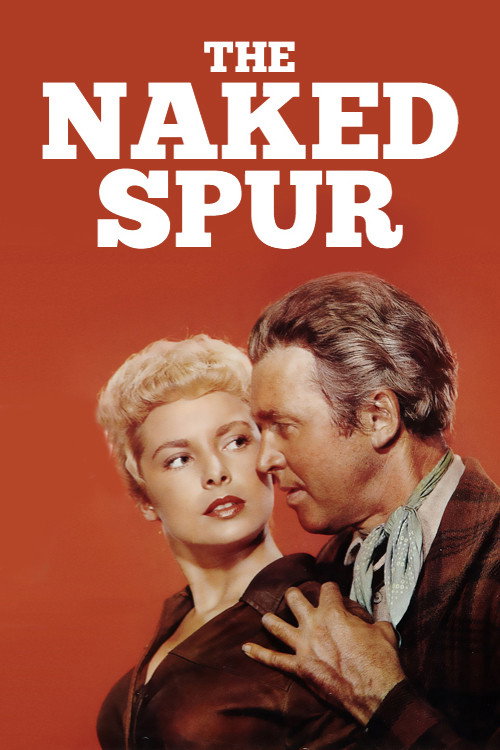
The Naked Spur1953
Both are about men whose vengeance or obsession becomes a moral sickness that spreads to the innocent. Both trust their audiences to see the ugliness without excusing it.
Mann's psychologically vicious bounty hunter film. Like Decision, a man's obsession becomes a contagion that infects everyone around him. Stewart's performance—coiled rage under politeness—is the Scott parallel that matters most.
But It's relentlessly grim and claustrophobic. The wilderness setting becomes a pressure cooker; there's no air.
More like this (8)
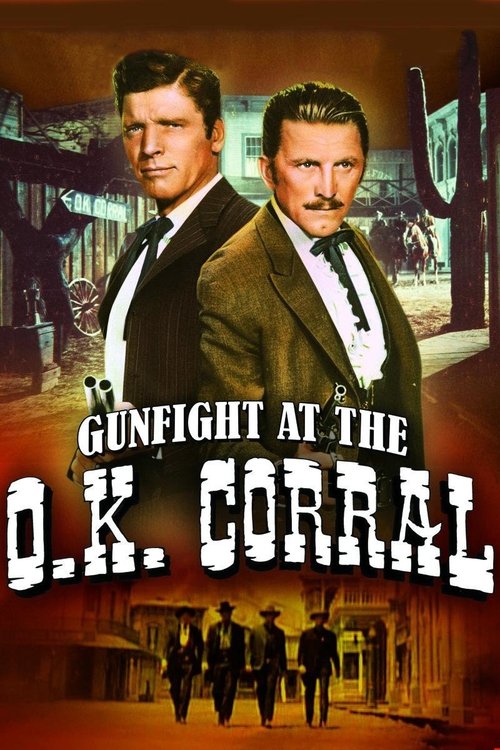
Gunfight at the O.K. Corral1957
Sturges made a Western about the moment before violence, about men binding themselves to codes that will destroy them. Like Decision, it's interested in why we choose our fates.
But The plotting is intricate; it rewards attention but can feel overstuffed. Lancaster and Douglas occasionally steal focus from the actual conflict.
Johnny Guitar1954
Ray's strange fever dream rewrites Western mythology. Like Decision, it strips away myth to ask what men really want—it's brutal, personal, and visually unlike any other Western.
But It's genuinely weird. The gender dynamics and narrative feel alien to the Western norm, which is exactly why it's brilliant but also why it confuses.

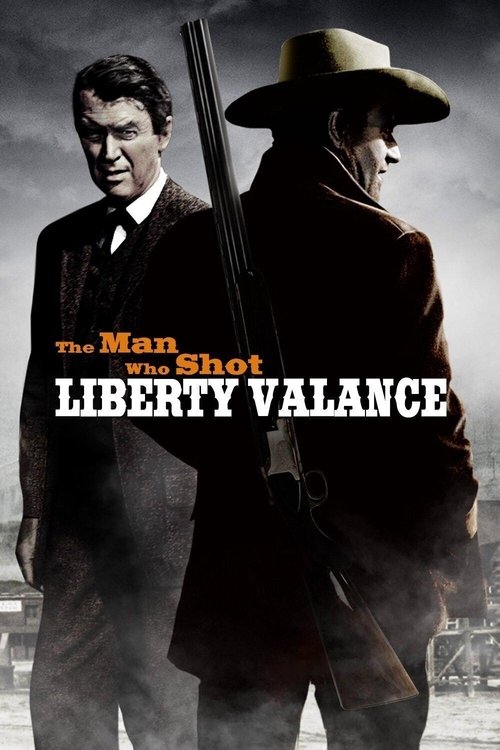
The Man Who Shot Liberty Valance1962
Ford circles back to the cost of justice and certainty. The parallel between Scott's mission and this film's haunted relationship to myth is direct. It's about how we lie to ourselves about why we act.
But Shot in stark black-and-white on sets that look like sets. Ford's late style isn't lush, and it's not trying to seduce you.
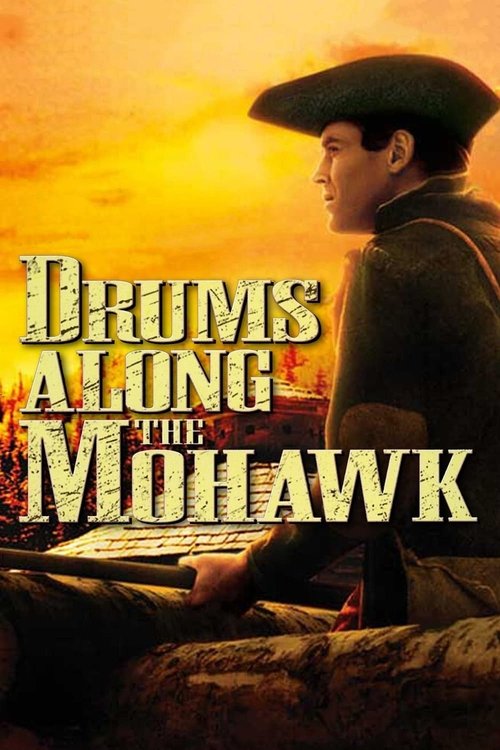
Drums Along the Mohawk1939
Ford's earlier work, but here—in color, with urgency—he explores community and the cost of survival. Decision's solitary rage becomes a meditation on what we owe each other.
But It's a different beast: more romantic, more ensemble. If you want the claustrophobia of Scott's hunt, this opens the doors too wide.
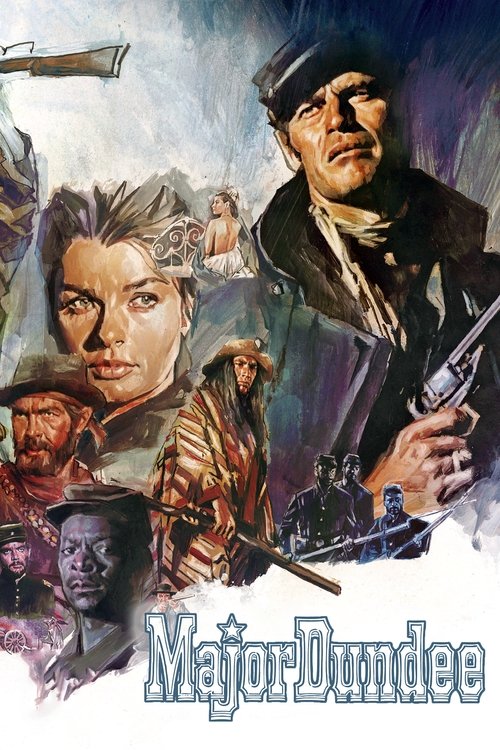
Major Dundee1965
Peckinpah's second film, messier and more ambitious. Like Decision, it's about obsession curdling into violence, but here it's a military command going rotten. The DNA is visible.
But The studio cut this severely and it shows. Fascinating but frustrating; you feel the missing pieces more than some films show.
The Ballad of Little Jo1993
Reichardt's precise, unsentimental Western about a woman passing as a man to survive. It has Decision's cool moral clarity and its refusal to make desperation romantic.
But It's deliberate and quiet. It doesn't court you. Some find it sparse to the point of coldness.

The Seventh Seal1957
Both films are structured as a journey toward an inevitable confrontation, but the real subject is what the protagonist learns about himself and mortality along the way. Scott's ride to vengeance becomes Bergman's ride to reckoning.
Bergman's medieval Death parable has nothing to do with the West, but it's made the same year and it asks the same question: why do we keep moving forward when we know we're driving toward darkness? Scott's journey has Antonius Block's weight.
But It's philosophical and austere. If you want plot momentum, Bergman will frustrate you. It's a chamber piece about metaphysics, not a Western.

Stalker1979
Both films are about men transformed by obsession into instruments of their own undoing, and both suggest that the thing we think we're pursuing isn't what's actually driving us at all.
Tarkovsky's three-hour science fiction meditation on desire and faith. A man guides others toward the thing he believes will save them—but by the end, you're not sure he believes in anything. It has Decision's quiet, crushing moral ambiguity.
But It is very slow. Long takes, minimal plot, philosophical dialogue. If you need forward momentum, this will feel like punishment rather than cinema.

People
Cast
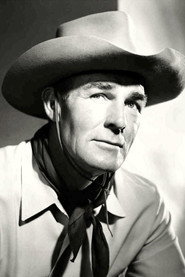 Randolph ScottBart Allison
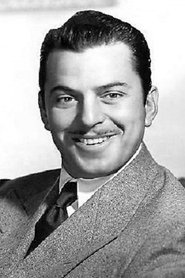 John CarrollTate Kimbrough
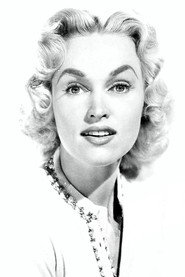 Karen SteeleLucy Summerton
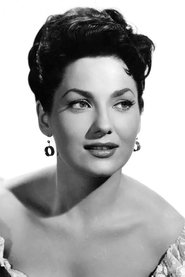 Valerie FrenchRuby James
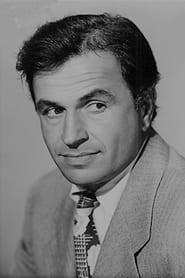
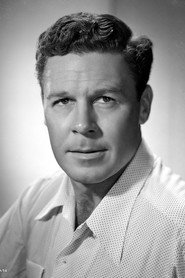 John ArcherDr. John Storrow
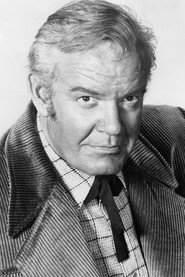 Andrew DugganSheriff Swede Hansen
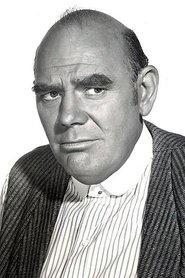 James WesterfieldOtis, the Bartender
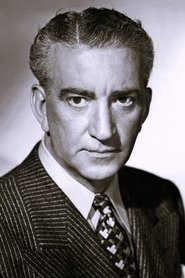 John LitelCharles Summerton
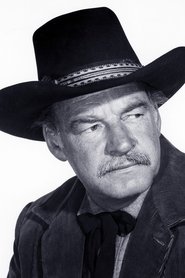 Ray TealMorley Chase
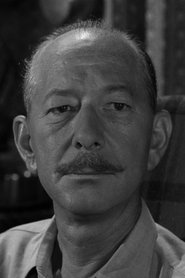 Vaughn TaylorMr. Baldwin
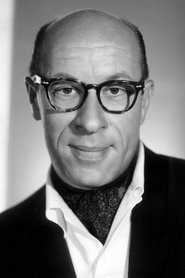 Richard DeaconReverend Zaron
Directing
- Sam NelsonAssistant Director
- Budd BoetticherDirector
Writing
- Charles LangScreenplay
- Vernon L. FluhartyStory
Production
- Randolph ScottAssociate Producer
- Harry Joe BrownProducer
- David BreenProducer's Assistant
Recommended by
The Tall T, Comanche Station, Apache, Westbound, 7 Men from Now, The Outcast