
Film
100 Rifles
A 1969 adventure-western about a bank robber and the lawman chasing him who become unlikely allies against a Mexican general's genocidal campaign. It's sweaty, violent, and genuinely interested in its characters' moral reckoning—part action spectacle, part political awakening. For anyone who loves 60s adventure cinema with teeth.
Should you watch it?
Watch it if you like revisionist Westerns where lawmen and outlaws share uneasy ground, and a sun-bleached border-country fight carries real moral weight.
Skip it if you want the Western's tidy heroics and easy romance; this one is talky, bluntly political about its war, and its action arrives in uneven bursts.
What it asks of you: At 110 minutes it runs on dusty talk and scheming between bursts of gunfire, its mood building slowly rather than driving hard from the first scene.
Not sure? Find tonight's pick in a minute.
If you liked this
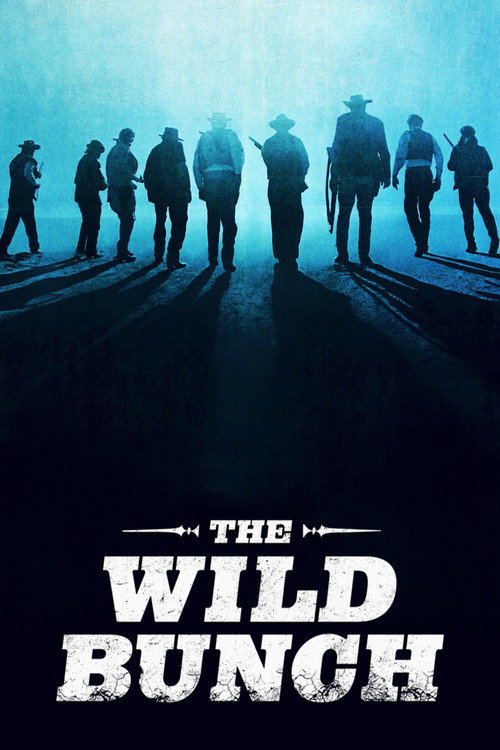
The Wild Bunch1969
Released the same year, Peckinpah's masterpiece finds similar moral complexity in aging gunmen confronting their own brutality and complicity. It's the gold standard for how action cinema can ask real questions.
But It's nearly two hours of mounting dread and violence. Some find Peckinpah's style—slow-burn tension punctuated by graphic bloodshed—exhausting rather than exhilarating.
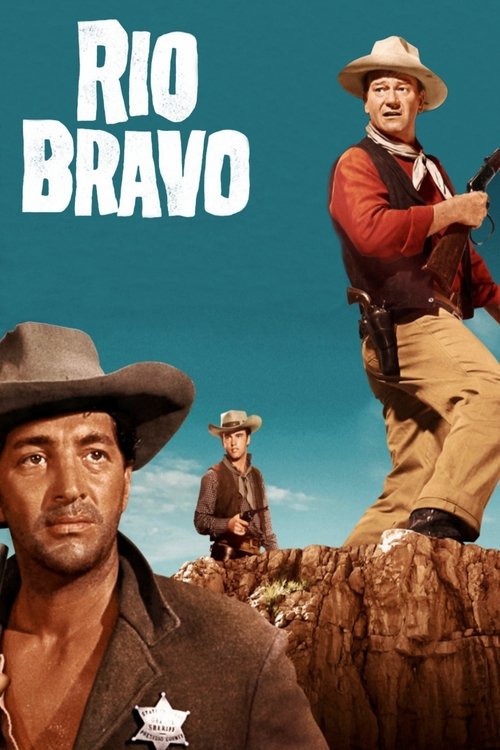
Rio Bravo1959
Hawks' earlier western captures that same chemistry between initially opposed men forced into partnership. It has the easy confidence and practical heroism that made 60s action films so watchable, without sacrificing character depth.
But Runs over two hours and moves at a deliberate pace. Modern viewers sometimes find the pacing glacial, even if every scene does real work.
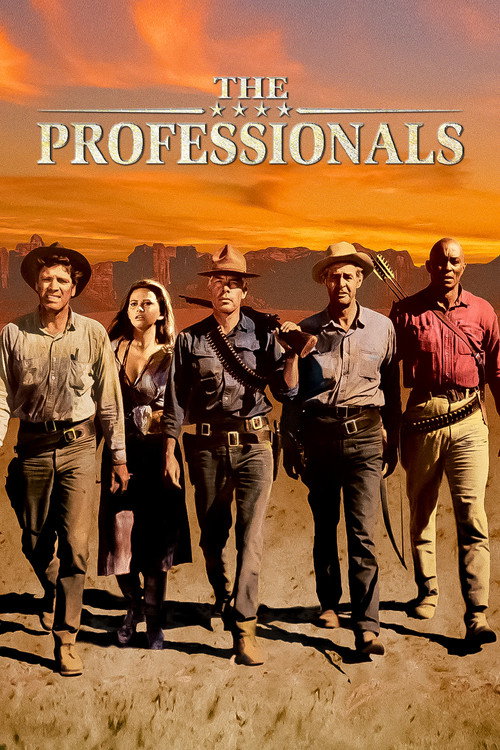
The Professionals1966
A crack team on a mission into Mexico with similar themes of loyalty tested and allegiances shifted. It's sleek, funny when it wants to be, and has that same intoxicating blend of adventure and moral uncertainty.
But It's more traditional in structure—less interested in the psychological cost of the plot's events than in executing the heist itself cleanly.
Not sure tonight? Get a pick in a minute, starting from 100 Rifles
The wildcard
Something you would not have found on your own.
The Battle of Algiers1966
Both films are genuinely interested in colonial violence and the moral awakening of their protagonists. Both refuse to let the viewer off the hook by making resistance simply righteous.
Pontecorvo's revolutionary masterpiece about resistance fighters against colonial occupation. It has the same structural DNA—liberation movement versus military power—but shot through with documentary urgency and refusing any comfortable moral simplicity.
But It's formally austere and operates in black-and-white. More importantly, it's relentlessly focused on the political and moral mathematics of insurgency; there's no adventure-film glamour to soften it.

More like this (7)
Johnny Guitar1954
Ray's weird, forward-thinking western puts a woman at the moral centre and interrogates American expansion. The gender dynamics are decades ahead of its time, and it has genuine visual strangeness without sacrificing narrative drive.
But It's eccentric in ways that can feel dated. The colour palette and stylization won't appeal to purists looking for grounded westerns.

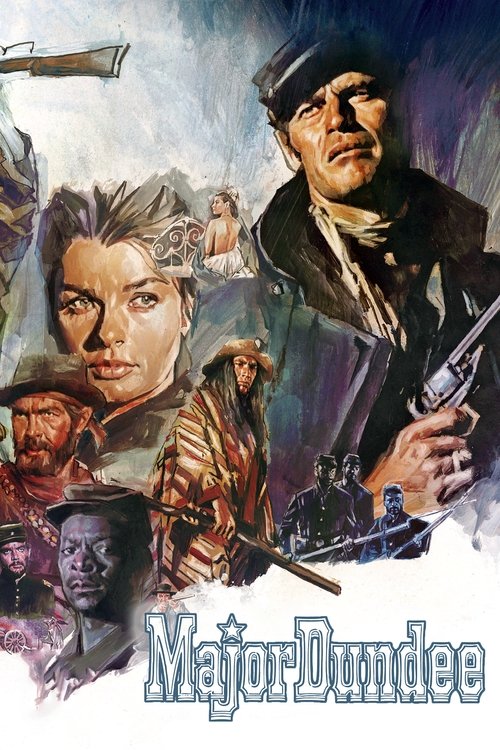
Major Dundee1965
Peckinpah's earlier film about a Union officer leading an unlikely patrol into Mexico to stop Apache raiders. It has the same colonial-era-politics DNA and genuine investment in its characters' contradictions.
But Heavily re-edited after its original release. The version most easily available is compromised, and it shows—the pacing feels uncertain in spots.
The Ballad of Little Jo1993
A revisionist western about a woman passing as a man to survive the frontier. It operates in a similar register of challenging American mythology while maintaining genuine narrative momentum and character specificity.
But It's quieter and more introspective than traditional adventure fare. If you want spectacle, this turns inward instead.

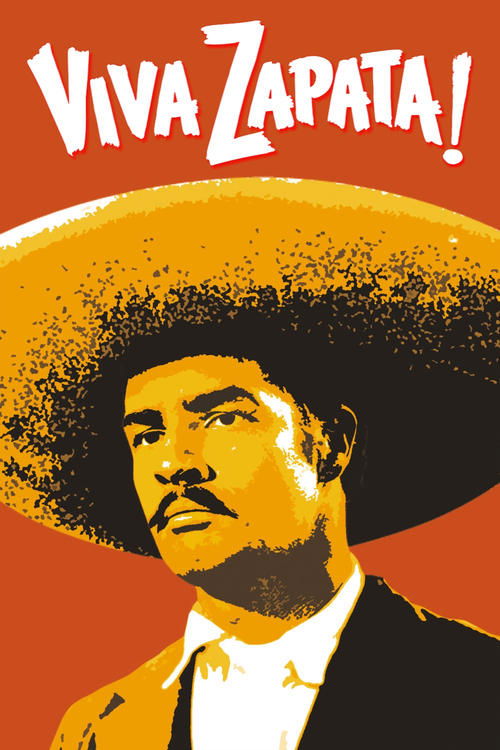
Viva Zapata!1952
Kazan's film about the Mexican revolutionary has the same interest in political awakening and the cost of commitment. Marlon Brando brings real weight to a man learning that revolution demands more than good intentions.
But It's a studio picture from the 1950s, which means it sometimes simplifies its politics in ways that feel dated. The framing can be patronizing about its Mexican subjects.
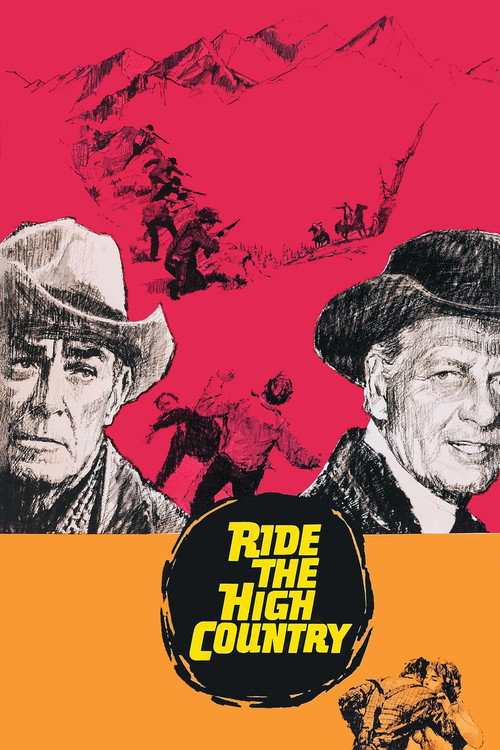
Ride the High Country1962
Peckinpah's earlier masterpiece about aging gunmen taking on one last job. It has that same elegiac quality—men who know the world is changing and they can't change with it, doing what they can with what they have.
But It's more melancholy than thrilling. If you want your westerns primarily as spectacle, the introspection might feel slow.
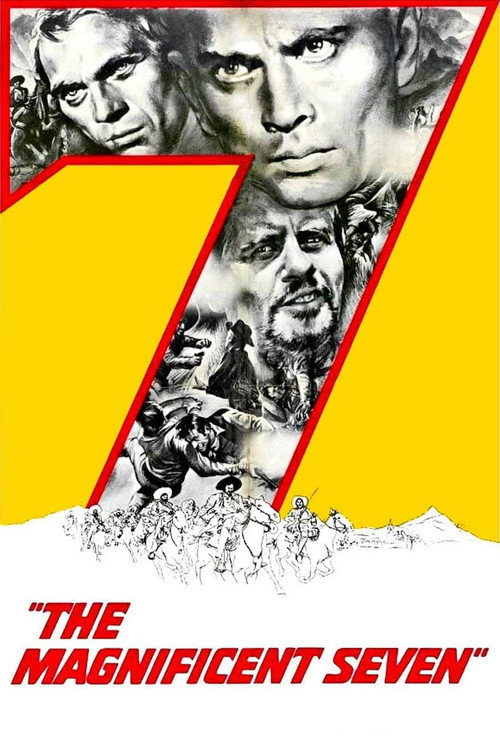
The Magnificent Seven1960
A team brought together by circumstance to stand against overwhelming odds. It's entertainment first, but it understands that heroism is partly improvisation and partly accepting you might not survive what you're committing to.
But It's more comfortable in its heroism than the best westerns are. There's less interrogation of the violence and more celebration of the skill.
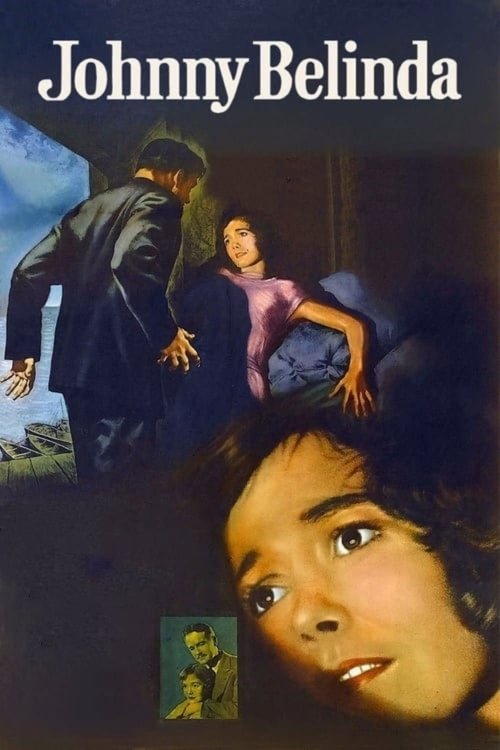
Johnny Belinda1948
Both are films about outsiders learning that intervention in other people's struggles isn't simple. Both are wary of the saviour narrative, even as their plots seem to enact it.
A film about a deaf-mute woman in a rural community, and a doctor's intervention that changes everything. It has the same quiet moral investigation—what does it mean to help? What are you imposing when you intervene?—wrapped in a different register entirely.
But It's deeply melodramatic by modern standards. The emotional beats are heavy-handed, and the 1940s sentimentality around disability will feel patronizing.
People
Cast
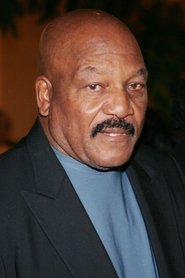 Jim BrownLydecker
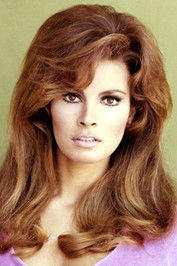 Raquel WelchSarita
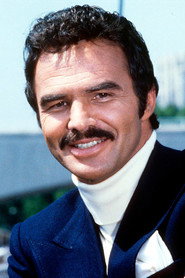 Burt ReynoldsYaqui Joe Herrera
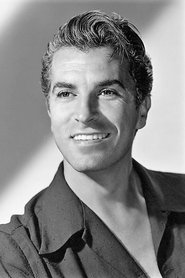 Fernando LamasGeneral Verdugo
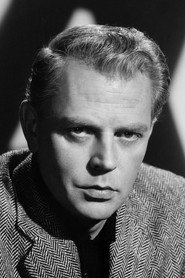 Dan O'HerlihySteven Grimes
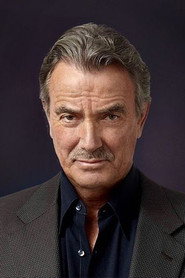 Eric BraedenLt. Franz Von Klemme
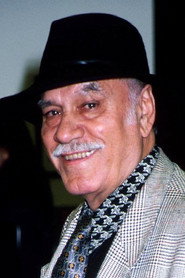 Aldo SambrellSgt. Paletes
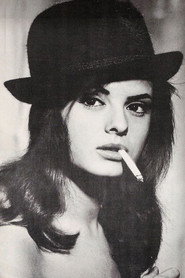 Soledad MirandaGirl in Hotel
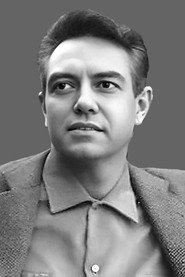 Alberto DalbésPadre Francisco
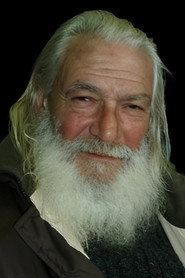 Charly BravoLopez
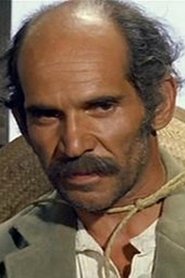 José Manuel MartínSarita's Father
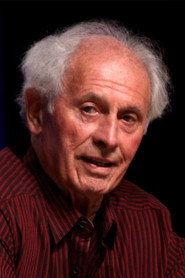 Michael ForestHumara
Directing
- Tom GriesDirector
- Chuck RobersonSecond Unit Director
Writing
- Robert MacLeodNovel
- Clair HuffakerScreenplay
- Tom GriesScreenplay
Production
- Marvin SchwartzProducer