
Film
Cannon for Cordoba
A 1970 action-adventure about an American officer assembling a ragtag unit to capture a Mexican revolutionary general during the 1912 border conflict. It's a sturdy, unpretentious war-movie-adjacent romp with George Peppard in command, competent direction, and the kind of mid-budget ambition that feels increasingly rare. For anyone who likes their action stories brisk, international, and unironic.
If you liked this
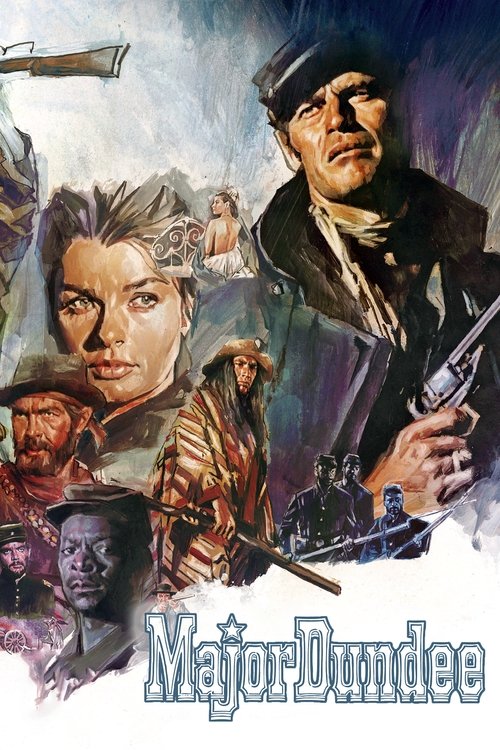
Major Dundee1965
Sam Peckinpah's sweeping cavalry adventure across the Mexican border, with Charlton Heston leading a fractious unit through landscape and moral ambiguity. Shares Cannon's period, geography, and commitment to action over psychology.
But Peckinpah's editing is deliberately choppy and sometimes overcooked; the pacing can feel deliberately difficult rather than engrossing.
The Ballad of Little Jo1993
A revisionist Western about a woman masquerading as a man in 1880s frontier Montana, directed by Maggie Greenwald with a clear-eyed intelligence about myth-making and survival. Reframes the geography and stakes Cannon operates in.
But It's quiet and reflective in ways Cannon is not; some find the pace measured to the point of slowness.

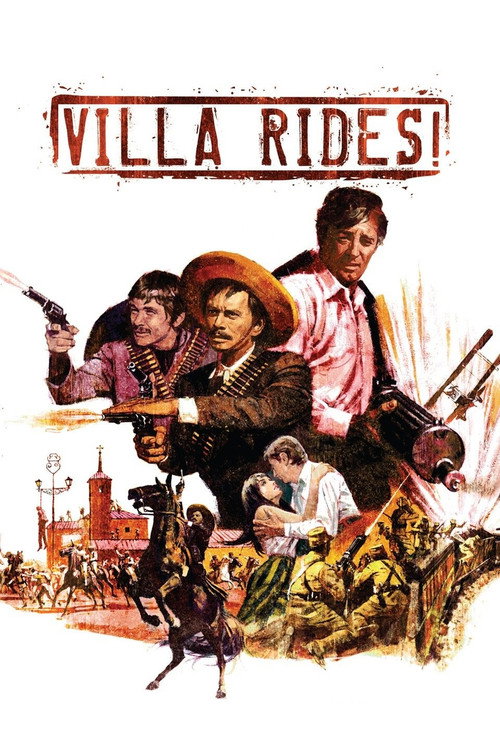
Villa Rides1968
Another 1960s action film about Mexican revolutionaries and American soldiers, with Yul Brynner and Robert Mitchum. The same historical moment, comparable budget and ambition, and a similar commitment to spectacle over subtlety.
But It's dated in its action grammar and deeply of its era; some sequences feel more earnest than intended.
Not sure tonight? Get a pick in a minute, starting from Cannon for Cordoba
The wildcard
Something you would not have found on your own.
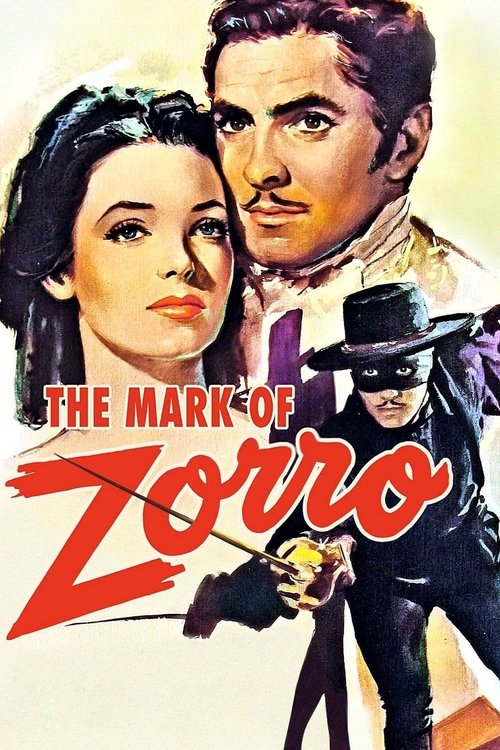
The Mark of Zorro1940
Both feature Americans and Mexican territories in historical conflict, but Zorro shows the suave, romantic alternate tradition that Cannon's gruff militarism has completely rejected.
Tyrone Power in the template for American action cinema: a masked avenger operating in occupied California during the Spanish colonial period. It codifies the swashbuckling gentleman-hero who uses wit and skill instead of brutality—the inverse of Cannon's direct American military efficiency.
But It's a 1940 swashbuckler with period conventions that read as stiff; the action is restrained by modern standards and the romance takes up screen time.
More like this (7)
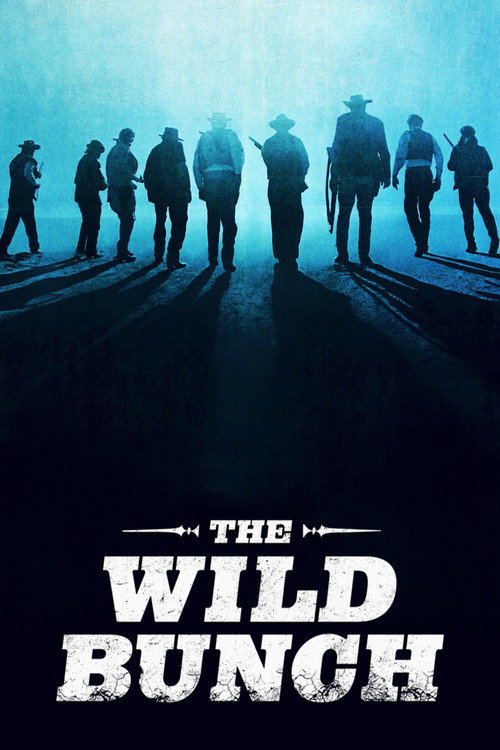
The Wild Bunch1969
Peckinpah's masterpiece is set on the Texas-Mexico border during the same historical moment, with aging outlaws caught between eras. It's what Cannon might aspire to: action with weight, myth with complexity, and violence that costs something.
But It's brutal and long and asks you to sit with moral failure; the pace is deliberate and the ending is bleak.
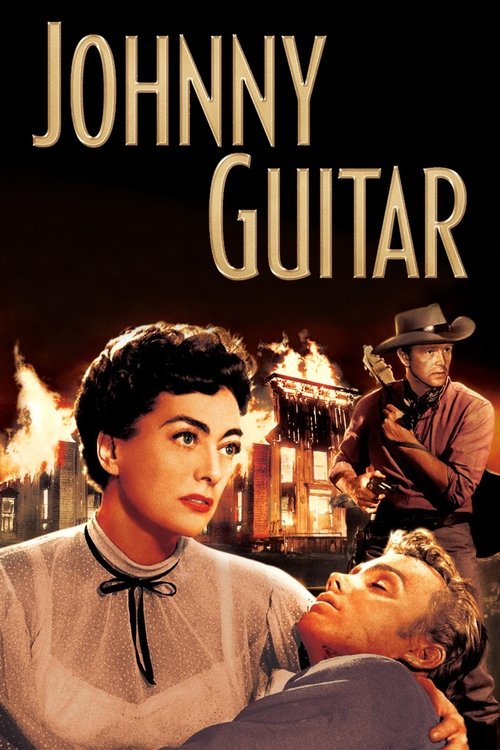
Johnny Guitar1954
Nicholas Ray's austere Western about a woman saloon owner and a rival gang leader, set in a mythic American frontier that values competence over gender. Shares Cannon's willingness to treat action as character revelation.
But It's formally strange and emotionally severe; if you want conventional heroics, you won't find them here.
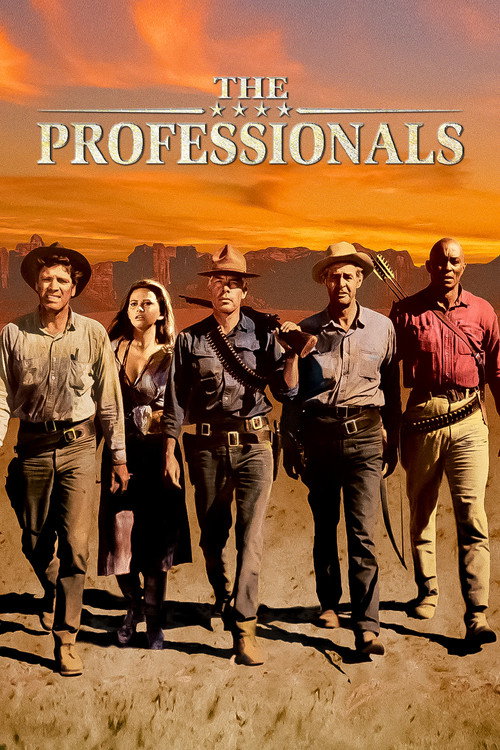
The Professionals1966
Richard Brooks' crisp adventure film about four specialists hired to rescue a woman from a Mexican revolutionary. It's exactly the assembly-a-team action movie Cannon resembles, with better dialogue and smoother execution.
But It's extremely of the 1960s in its gender politics and assumptions about what constitutes heroism.
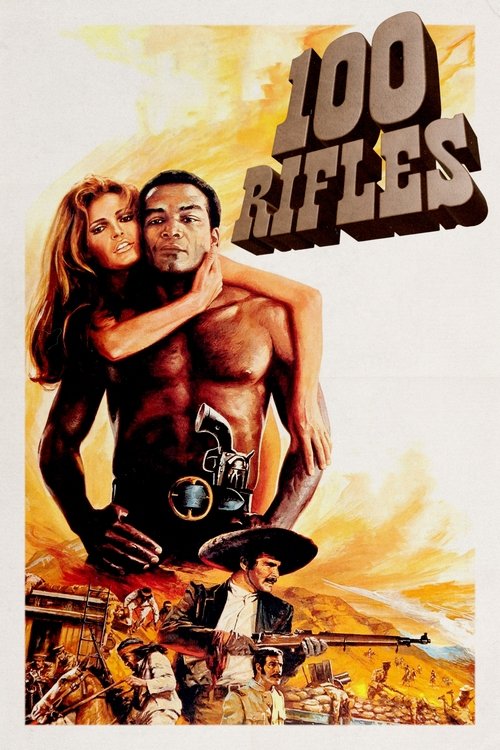
100 Rifles1969
Jim Brown and Raquel Welch in a border action film set during the Mexican Revolution. It's the same historical moment and genre neighborhood, with comparable stars and a similar commitment to practical action sequences.
But The plot is thin and the characterization minimal; it coasts on its action set pieces and charisma.
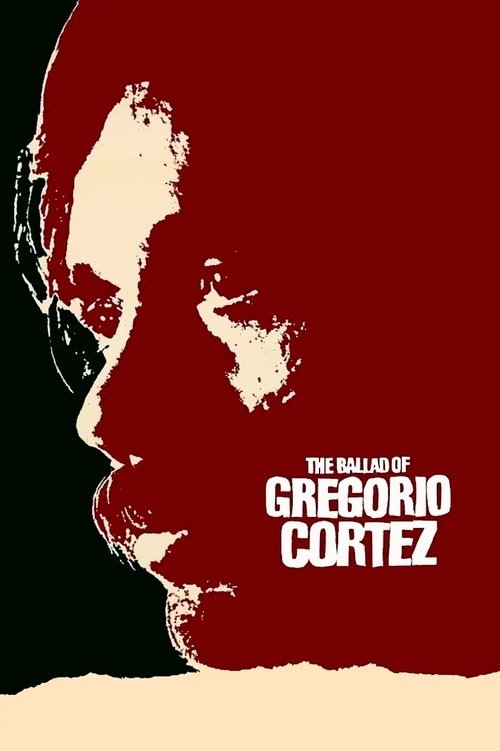
The Ballad of Gregorio Cortez1983
Edward James Olmos in a true-story Western about a Mexican vaquero wrongly accused and pursued across the Texas border. It treats the borderlands as a character itself and interrogates the narratives that shape history.
But It's a deliberately paced, dialogue-driven piece; if you're after explosive action, you'll be disappointed.
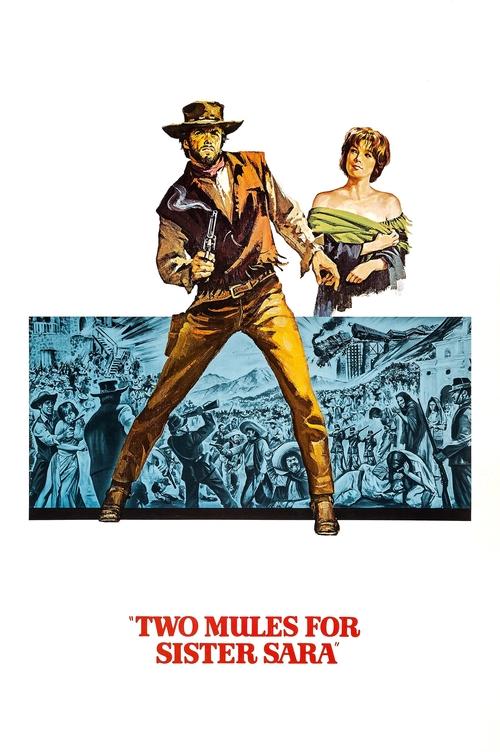
Two Mules for Sister Sara1970
Clint Eastwood and Shirley MacLaine in a Mexico-set adventure about a mercenary hired to support a Mexican revolutionary cause. It's the same year as Cannon, the same geographical stakes, and features similar on-location shooting and practical ingenuity.
But MacLaine's performance is broad and the tone wavers; it's caught between comedy and action adventure without fully committing to either.
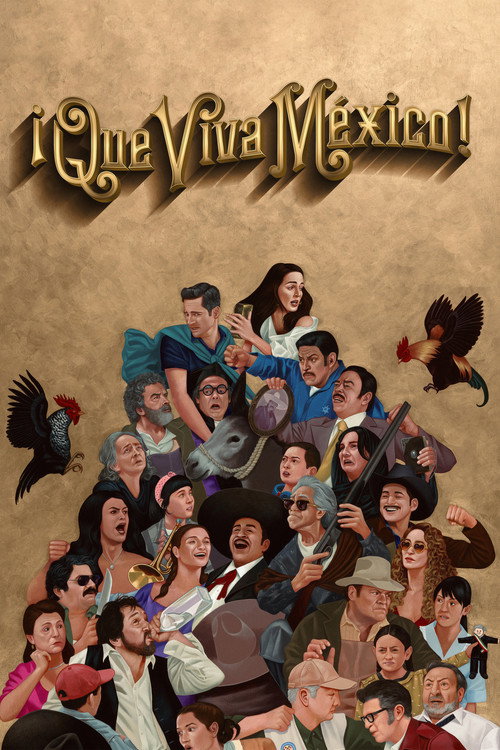
¡Que viva México!2023
Eisenstein was making propaganda art about the Mexican Revolution exactly when the events Cannon depicts were still recent history; it shows how differently cinema outside the American studio system understood the same moment.
Sergei Eisenstein's unfinished Soviet montage-poem of Mexican geography, culture and revolution—shot in 1931-32, finally compiled into coherent form decades later. It's revolutionary cinema as formal experiment, treating Mexico not as terrain for action but as a visual and political text itself.
But There is no plot, no characters, no conventional narrative; it's pure cinema, which means it demands active viewing and offers no conventional satisfaction.
People
Cast
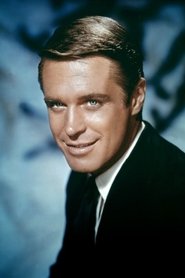
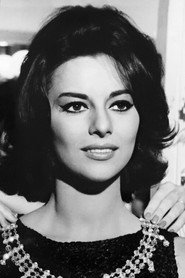 Giovanna RalliLeonora
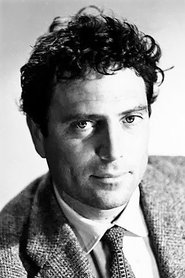 Raf ValloneCórdoba
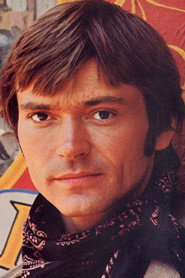 Pete DuelAndy
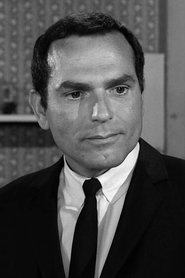 Don GordonJackson
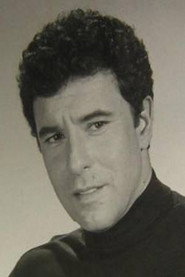 Nico MinardosPeter
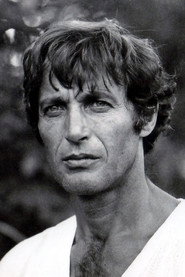 Gabriele TintiAntonio
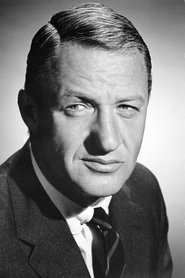 John LarchWarner
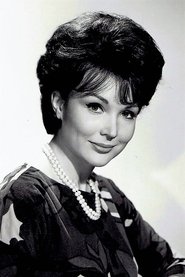 Francine YorkSophia
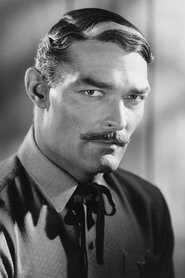 John RussellGeneral Pershing
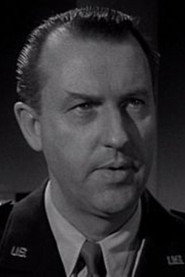 Lionel MurtonColonel Hammond
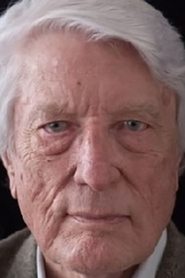 Hans MeyerSvedborg
Directing
- Paul WendkosDirector
- José María OchoaFirst Assistant Director
- Eva del Castillo OrtizScript Supervisor
Writing
- Stephen KandelScreenplay
Production
- Stephen KandelAssociate Producer
- Lynn StalmasterCasting
- Vincent M. FennellyProducer
- Robert GoodsteinProduction Manager
- Edward Morey Jr.Production Supervisor