
Film
Villa Rides
A 1968 Western that pairs Yul Brynner's legendary Pancho Villa with Robert Mitchum's cynical American pilot in a sweeping, blood-soaked adventure across the Mexican Revolution. It's big-canvas storytelling with genuine grit—less interested in heroics than in the collision between ideology and self-interest. For those who want their Westerns to breathe, sprawl, and acknowledge that revolution is messy.
If you liked this
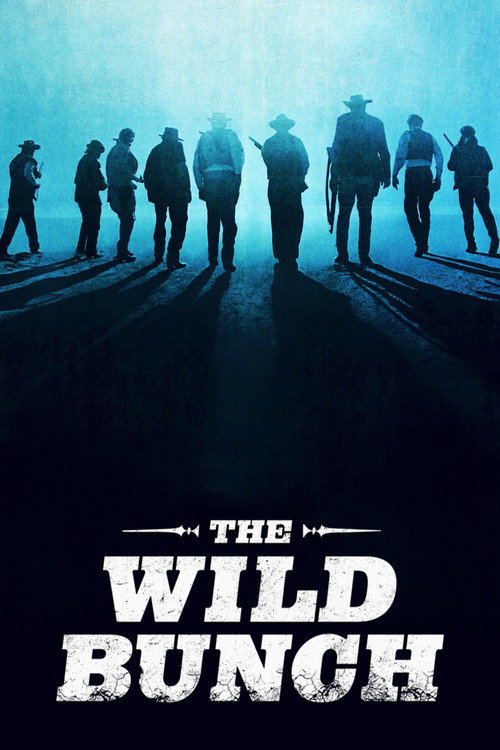
The Wild Bunch1969
Peckinpah's masterpiece arrived just after this film—same moral ambiguity about aging gunmen, same unflinching violence, same sense that the Old West is dying and nobody's clean. Essential viewing for anyone who thinks Westerns should hurt.
But Deliberately slow and contemplative for long stretches; the action, when it comes, is shocking in ways that might feel gratuitous if you're not ready for it.
The Ballad of Little Jo1993
Maggie Greenwald's feminist Western with Suzy Amis living as a man in the frontier. Same era obsession, same commitment to showing the Revolution—personal and political—as complicated, morally fraught, and unglamorous.
But Quiet and introspective where Villa Rides is action-forward; deliberately unsexy about frontier life, which some find austere.

Johnny Guitar1954
Nicholas Ray's acid-Western with Joan Crawford as a woman who runs her own saloon. Like Villa Rides, it's interested in power, desire, and the chaos of people who don't fit into neat roles. Visually stunning and weirdly modern.
But The gender politics are strange even by '54 standards; it's stylized to the point of dreamlike, which reads as distant rather than involving for some.

Not sure tonight? Get a pick in a minute, starting from Villa Rides
The wildcard
Something you would not have found on your own.
The Battle of Algiers1966
Both use spectacular action as a vehicle for something harder: examining the personal cost of revolution, and whether conviction survives contact with pragmatism.
Pontecorvo's revolutionary docudrama about urban insurgency in Algeria. Like Villa Rides, it's about ordinary people pulled into violent history and the impossible moral algebra of liberation—but it's shot like news footage, urgent and unblinking.
But It's a political film first and a narrative second; some find the semi-documentary style cold. Its sympathy for violent resistance won't sit right with everyone.

More like this (8)
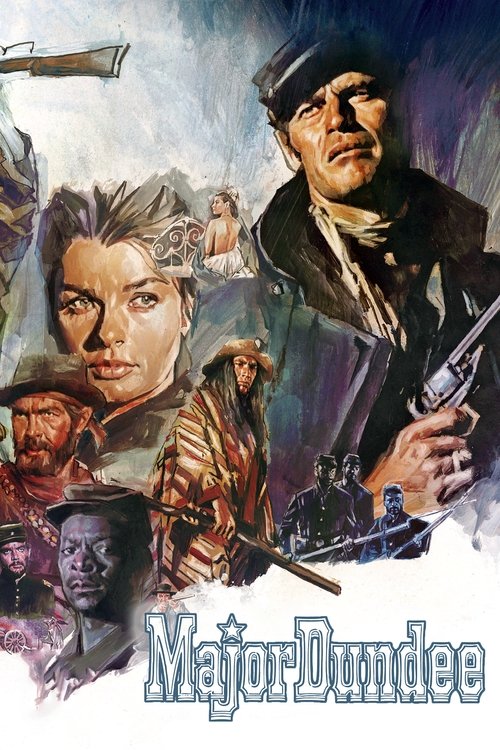
Major Dundee1965
Peckinpah again, and again the collision of military order and personal vendetta across Mexico. Charlton Heston leading a ragtag unit against impossible odds. Ambitious, turbulent, and messy in ways that feel honest.
But The editing is notoriously choppy due to studio interference; the narrative lurches sometimes, and it's shorter than Peckinpah intended, which shows.
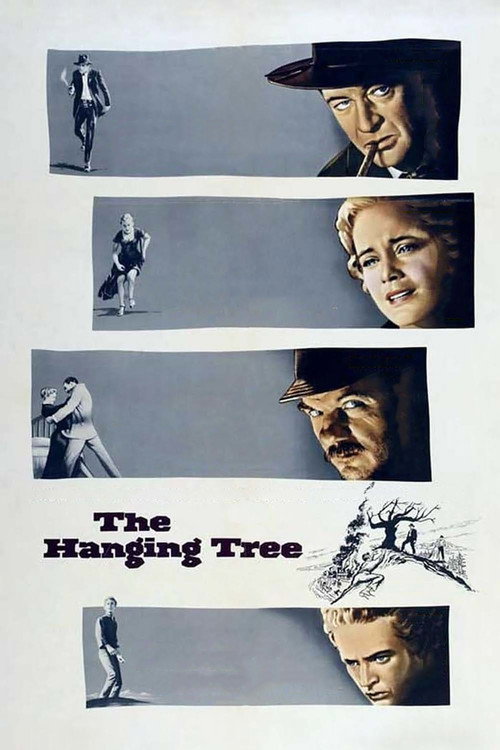
The Hanging Tree1959
Gary Cooper in a Western about mob justice and the fragility of civilization in lawless places. Darker and more psychologically complex than its reputation suggests, with real stakes and consequences.
But Moves deliberately and is genuinely grim; if you want cathartic shootouts and clear villains, this will disappoint.
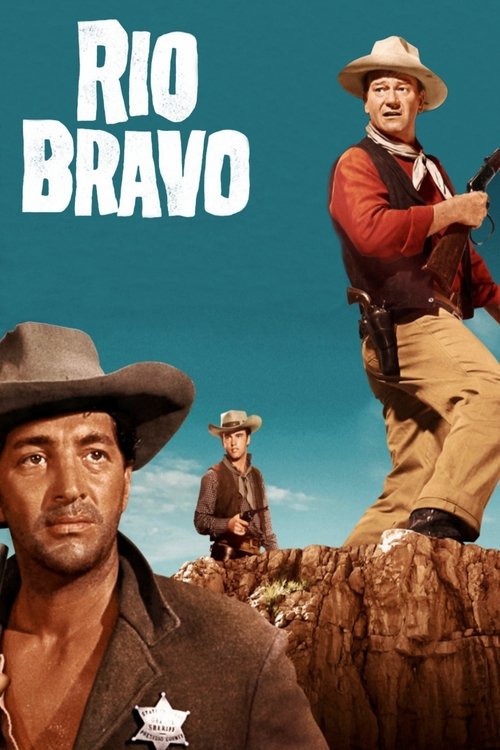
Rio Bravo1959
Hawks' masterclass in tension and character—John Wayne, Dean Martin, and Walter Brennan in a siege Western that's less about action than about waiting, bonding, and what it costs to hold the line.
But Nearly three and a half hours of talking and relationship-building; the gunfights are brief, and some find the pacing glacial.
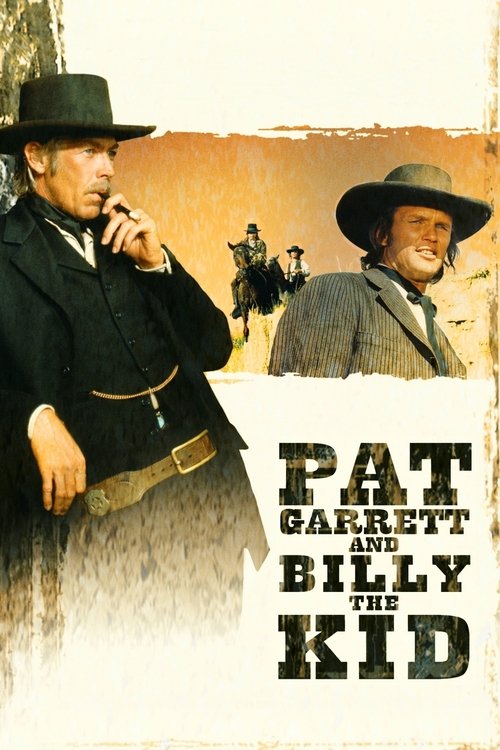
Pat Garrett & Billy the Kid1973
Peckinpah's tragic elegy for the Old West, with James Coburn and Kris Kristofferson as old friends on opposite sides. As elegiac and morally complex as Villa Rides, with a directness about violence and legacy.
But The chronology jumps; the version most see has scenes in the wrong order. It's fragmentary and sometimes confusing on first viewing.
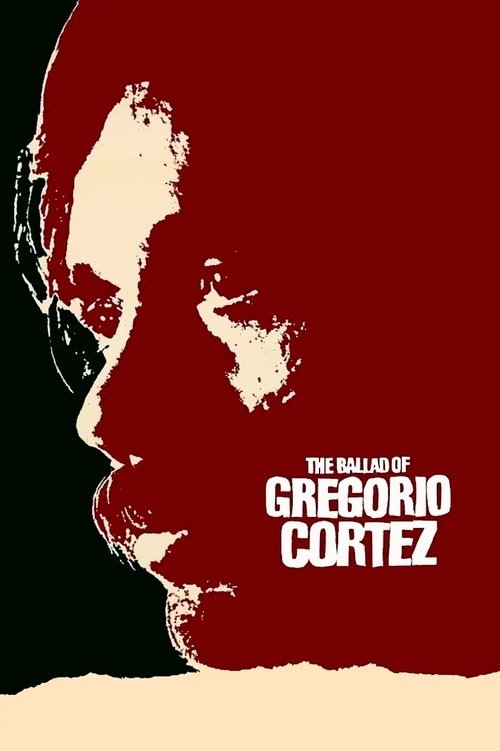
The Ballad of Gregorio Cortez1983
Edward James Olmos in a true story about a Mexican vaquero framed for murder, hunted across Texas. Quiet, dignified, and a corrective to Hollywood Westerns—what it actually felt like to be Mexican in the borderlands.
But Low-budget and deliberately understated; the action is sparse and the pacing methodical rather than propulsive.
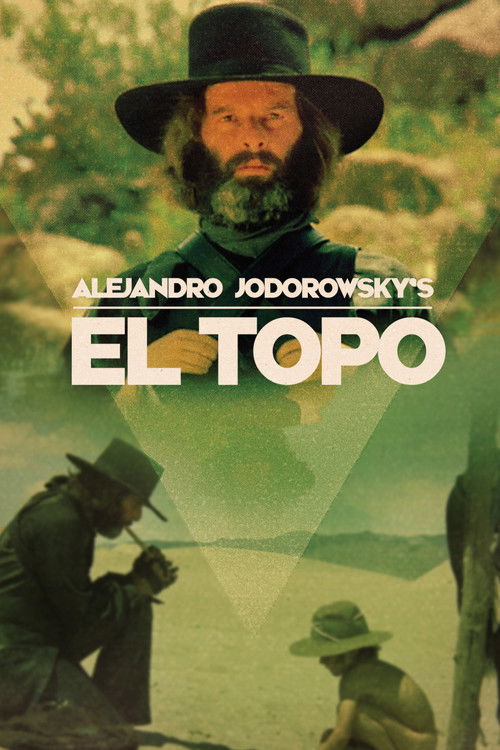
El Topo1970
Jodorowsky's surreal Western nightmare—no plot, all atmosphere, all symbol. If you want the Mexican Revolution reimagined as fever dream rather than history, this is genuinely unlike anything else and unforgettable.
But Bewildering, pretentious, visually grotesque, and the tone lurches wildly between sacred and ridiculous. Not a film, an ordeal.
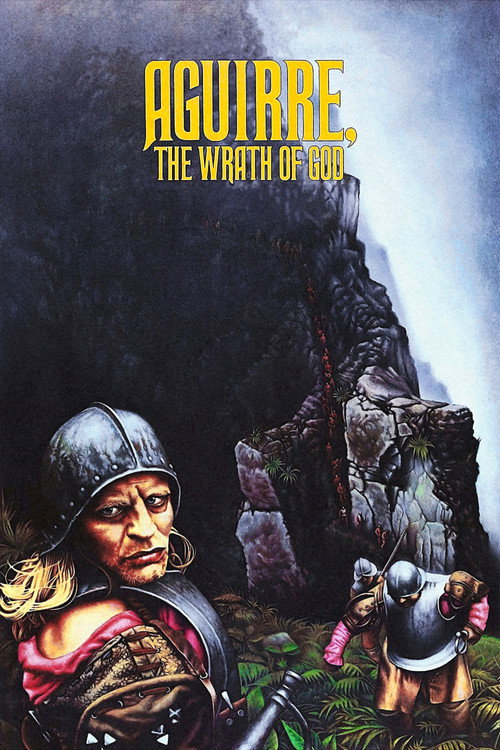
Aguirre, the Wrath of God1972
Both are about men consumed by greed and ego in the chaos of revolution and collapse. Both ask: what are you willing to become?
Aguirre is a conquistador dissolving into madness in the Amazonian jungle; Herzog's film is fever, obsession, and delusion masquerading as quest. Same brutal Spanish American landscape and the same theme: power corrupts absolutely, especially in spaces where law doesn't exist.
But Slow, hallucinogenic, and deeply strange; Klaus Kinski's performance is unhinged in ways that can feel indulgent. Shot on a shoestring and it shows.
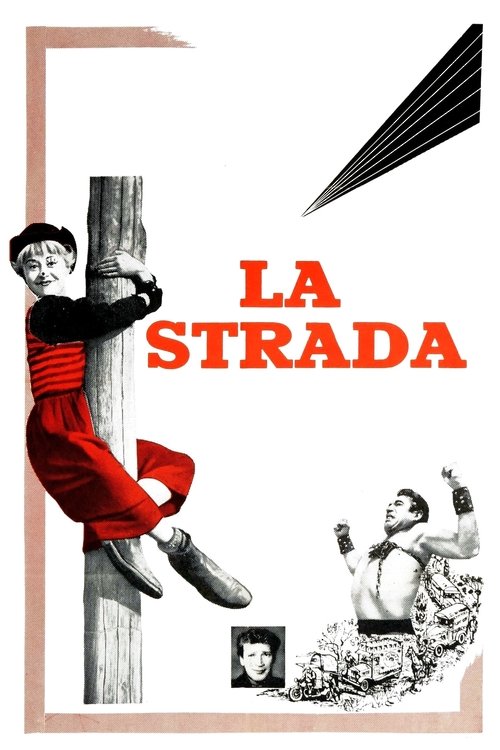
La Strada1954
Both films trust their audience to sit with moral complexity and refuse to simplify their characters. Both are interested in loyalty to people who don't deserve it.
Fellini's Nights of Cabiria for someone who wants to understand Villa Rides differently: a woman bound to a violent man, complicit and victimized simultaneously. Not a Western at all, but the same register of moral ambiguity and the same compassion for people who don't fit into stories about good and evil.
But Italian neorealism is beautiful and bleak; there's no hero, no clarity, no release. Some find it depressing rather than profound.
People
Cast
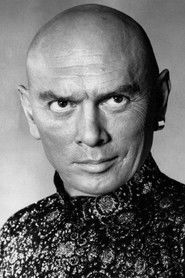 Yul BrynnerPancho Villa
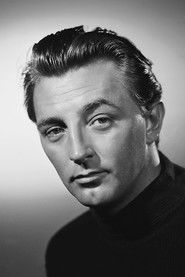 Robert MitchumLee Arnold
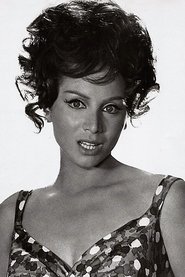
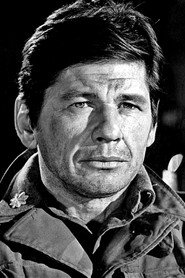 Charles BronsonRodolfo Fierro
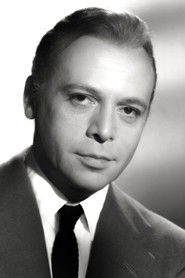 Herbert LomGeneral Huerta
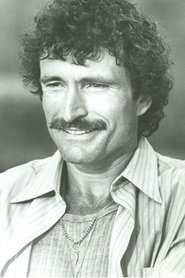 Robert ViharoUrbina
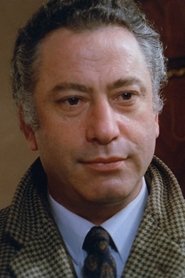 Frank WolffRamirez
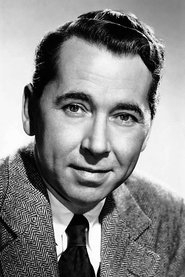 Alexander KnoxPresident Madero
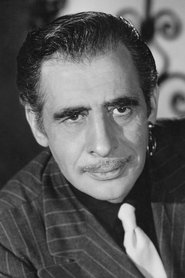 Robert CarricartDon Luis
- Andrés MonrealCaptain Herrera
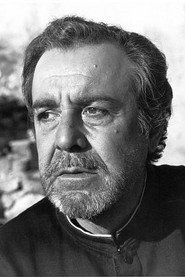 Fernando ReyFuentes
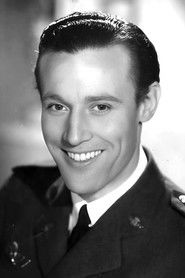 Julio PeñaGeneral
Directing
- Carlos GilAssistant Director
- José María OchoaAssistant Director
- Buzz KulikDirector
- Ricardo HupkinsScript Supervisor
- Gil CarreteroSecond Assistant Director
- Ricardo HansaSecond Assistant Director
- Anthony SquireSecond Unit Director
- Chuck HaywardSecond Unit Director
Writing
- William Douglas LansfordAdaptation
- William Douglas LansfordNovel
- Robert TowneScreenplay
- Sam PeckinpahScreenplay
Production
- Lillian KellyCasting
- Ted RichmondProducer
- Eduardo García MarotoProduction Manager
- Concha HombriaProduction Supervisor
- Robert GoodsteinProduction Supervisor
- Pablo TallavíUnit Manager