
Film
The Wild Bunch
Sam Peckinpah's 1969 western follows a gang of aging outlaws chasing one final job as the frontier they know is being paved over by automobiles, machine guns, and a new century. It's slow-burn tension exploding into slow-motion carnage — violence choreographed like ballet and shown with unflinching honesty. Brutal, mournful, gorgeous. For anyone who wants their westerns morally messy and their endings earned in blood.
If you liked this
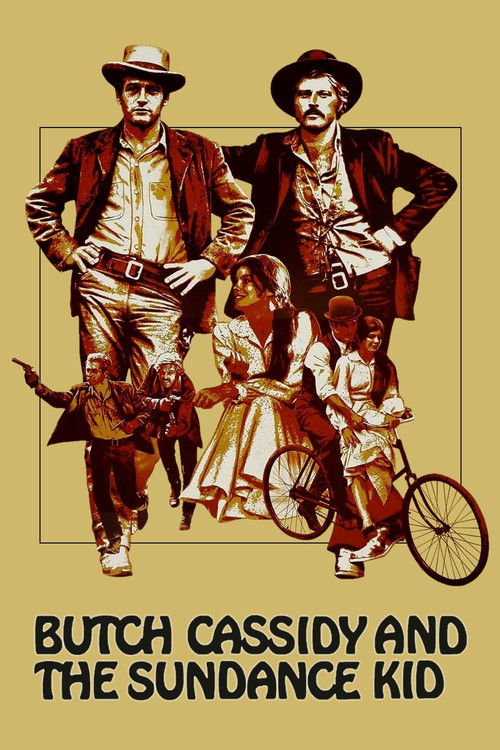
Butch Cassidy and the Sundance Kid1969
Same year, same funeral for the Old West, but told with warmth and wit instead of gunsmoke. Watching them side by side shows two very different ways to mourn an era.
But Charming where Peckinpah is savage — if you wanted more blood and less banter, this will feel soft.
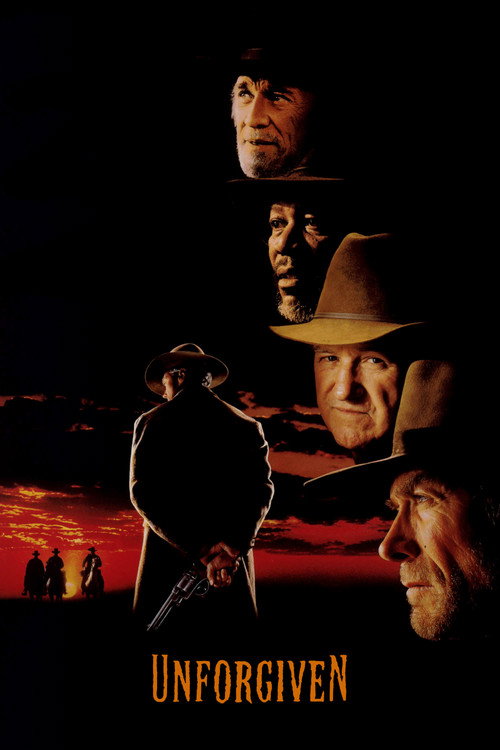
Unforgiven1992
Eastwood interrogates his own gunslinger myth with the same weary, violent honesty Peckinpah brought two decades earlier. A western that knows exactly what killing costs.
But Quieter and more talky — the violence is sparse and devastating rather than constant and operatic.
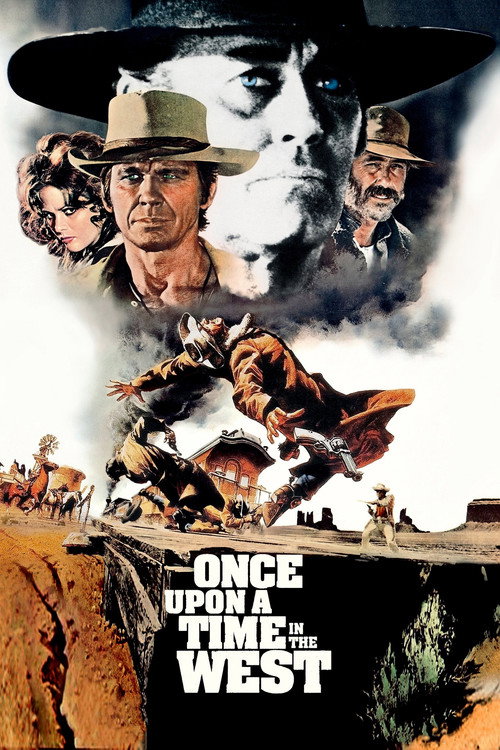
Once Upon a Time in the West1968
Leone's epic shares the funeral-for-the-frontier mood and the patience to let tension build for minutes before it detonates. Gorgeous, mythic, unhurried.
But Nearly three hours long and deliberately glacial — if Peckinpah's pace already tested you, this asks for more.
The wildcard
Something you would not have found on your own.
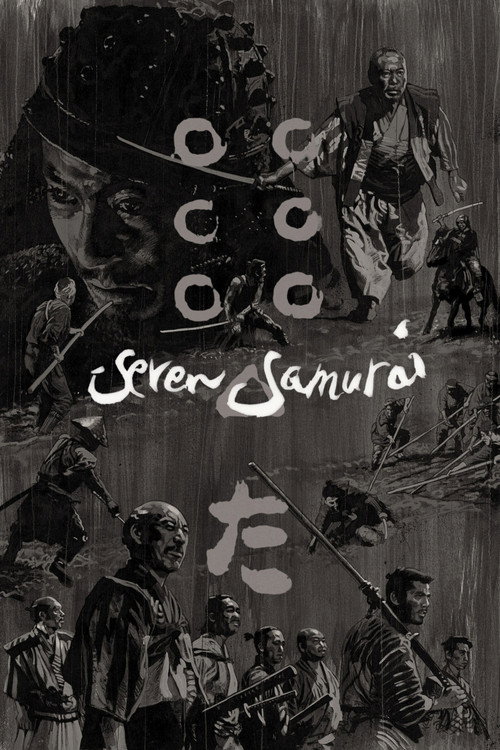
Seven Samurai1954
Peckinpah studied this film closely; the ensemble of mismatched fighters going down together for a cause bigger than payment is lifted almost wholesale into The Wild Bunch's structure and soul.
Kurosawa's masterpiece is the direct ancestor of Peckinpah's doomed-band structure — aging warriors, a code already dying, a last stand that changes nothing and everything.
But Three and a half hours, subtitled, black and white — a real commitment if you're used to modern pacing.
More like this (8)
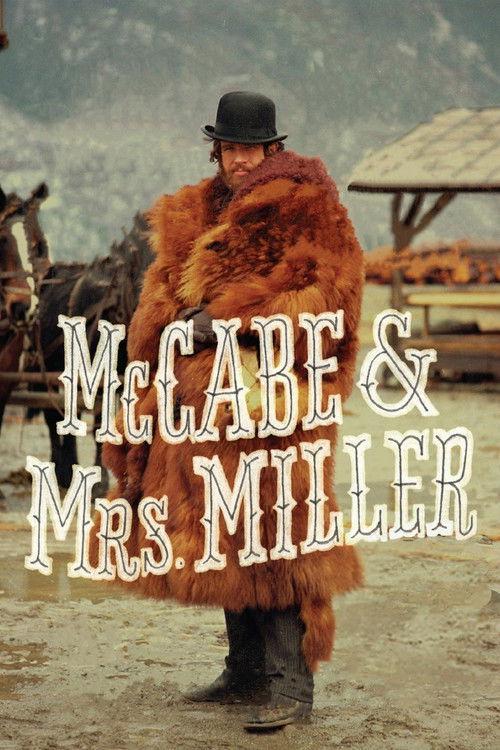
McCabe & Mrs. Miller1971
Robert Altman's shaggy, melancholic anti-western strips away the myth entirely, leaving mud, capitalism, and doomed men. A quieter cousin to the same disillusionment.
But No shootout spectacle here — it's mumbly, atmospheric, and resolutely unglamorous.
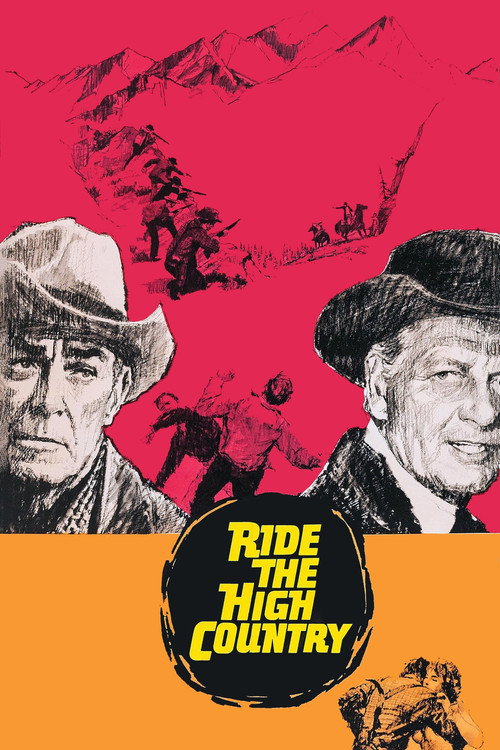
Ride the High Country1962
Peckinpah's earlier, gentler elegy for aging gunslingers — practically a first draft of the themes he'd detonate later. Essential for seeing where his obsessions began.
But Far tamer and more classical; if you came for carnage, this one keeps its powder mostly dry.
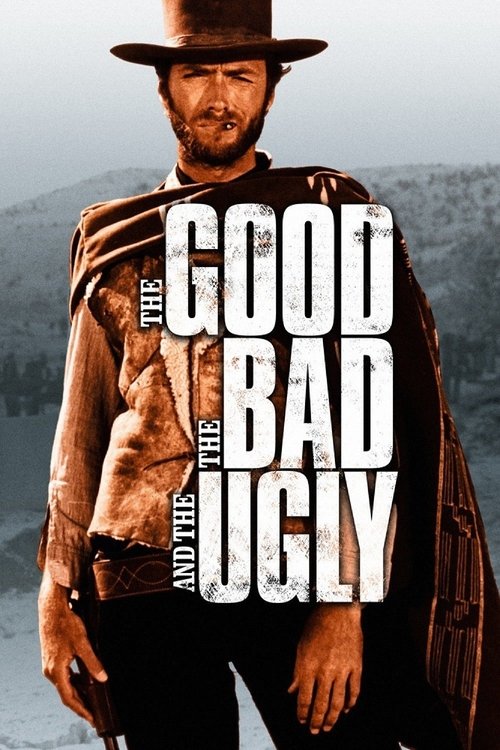
The Good, the Bad and the Ugly1966
A different register of western operatics — greed, betrayal, and moral rot dressed up in gorgeous widescreen and Morricone's score. Pure genre pleasure.
But More stylish caper than tragedy — the moral weight is lighter and the tone more playful.
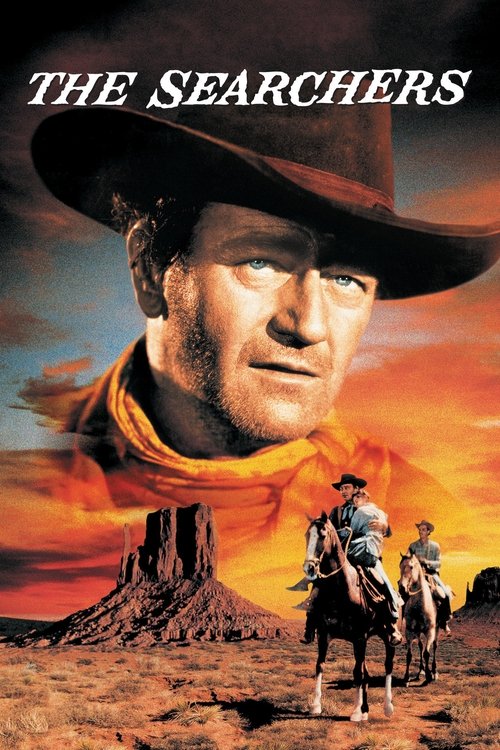
The Searchers1956
John Ford's classic already contains the rot Peckinpah would later expose — a hero whose righteousness curdles into obsession and cruelty. The seed of revisionism.
But Old-fashioned in form and pacing, and its treatment of Indigenous characters hasn't aged well.
Pat Garrett & Billy the Kid1973no page yet
Peckinpah again, older and sadder, turning the myth of Billy the Kid into a slow requiem for friendship and the men who kill what they love.
But Troubled production, uneven cuts in circulation, and a mood so mournful it borders on inert.
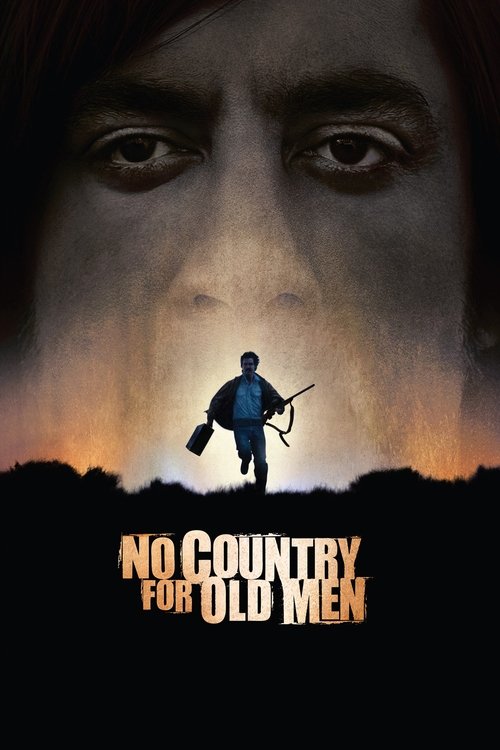
No Country for Old Men2007
The Coens' modern-day western carries the same DNA — violence as an unstoppable force, good men outpaced by a changing, meaner world.
But Contemporary setting and a famously bleak, ambiguous ending won't satisfy anyone wanting classic western catharsis.
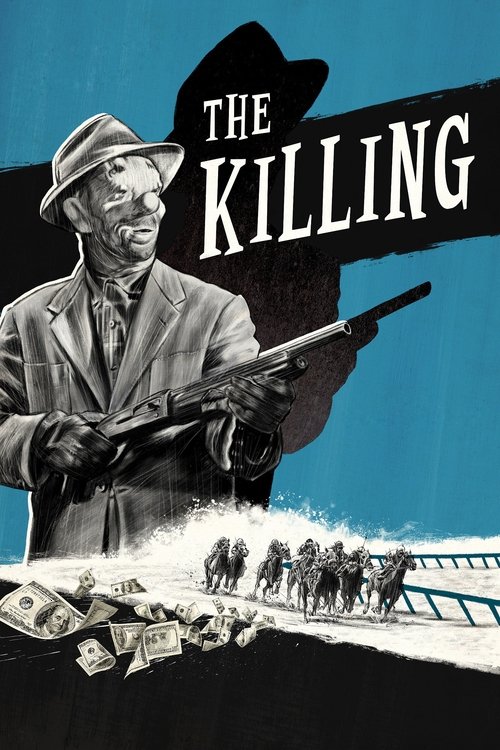
The Killing1956
Same skeleton, different costume: a gang of men too old for this life, planning the score that will finally set them free, undone by the world's indifference rather than their own courage.
Kubrick's razor-sharp noir heist follows a crew of aging crooks chasing one last score, fate closing in with cold, mechanical inevitability. Tight, mean, brilliant.
But No western scenery, no operatic gunfights — this is clipped, urban, and almost documentary in its bluntness.
The Ballad of Cable Hogue1970no page yet
Same director, same subject — the frontier being erased by progress — but Peckinpah lets this one die laughing instead of bleeding, proving the elegy was never really about the guns.
Peckinpah's own tender comedy, made right after The Wild Bunch, about a desert prospector who strikes water instead of gold as the modern world rolls in.
But Whimsical, sentimental, almost sweet — a jarring gear-shift if you only know this director's reputation for violence.
People
Cast
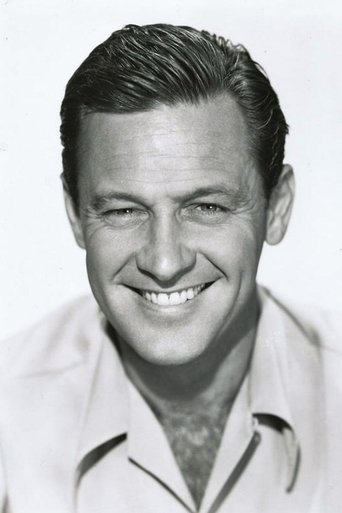 William HoldenPike Bishop
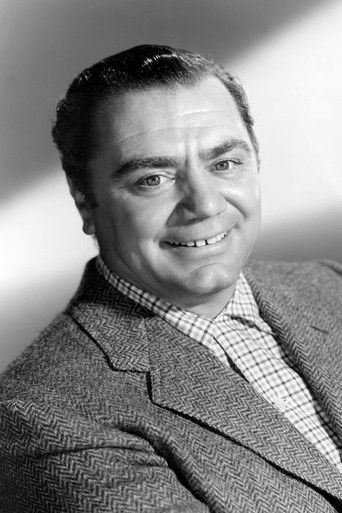 Ernest BorgnineDutch Engstrom
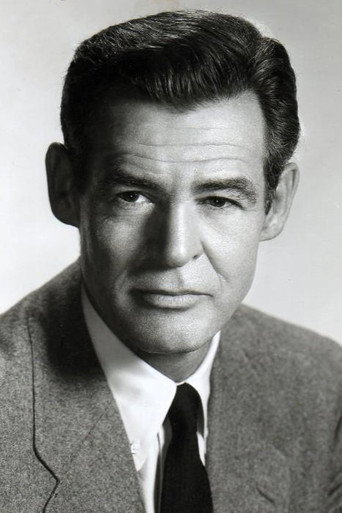 Robert RyanDeke Thornton
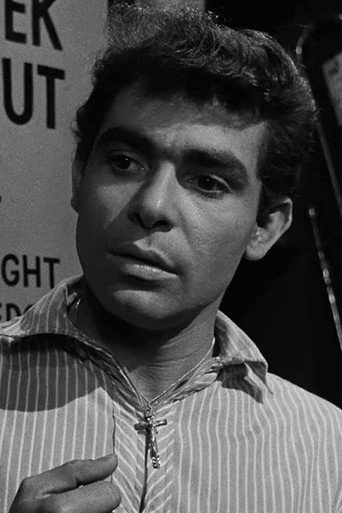 Jaime SánchezAngel
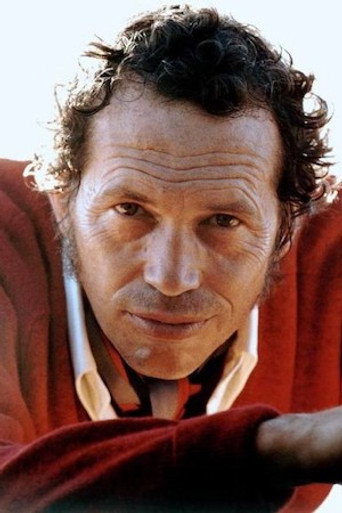 Warren OatesLyle Gorch
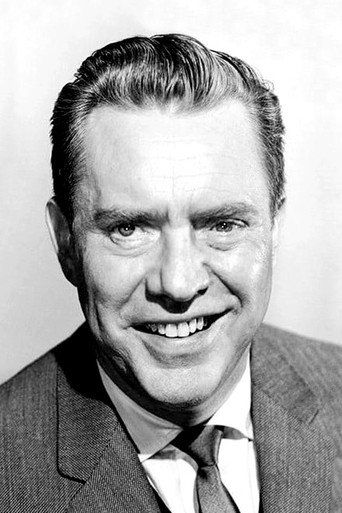 Edmond O'BrienFreddie Sykes
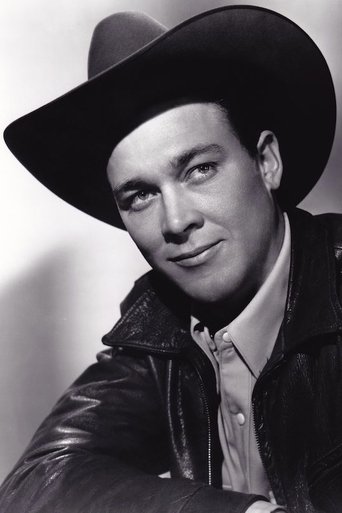 Ben JohnsonTector Gorch
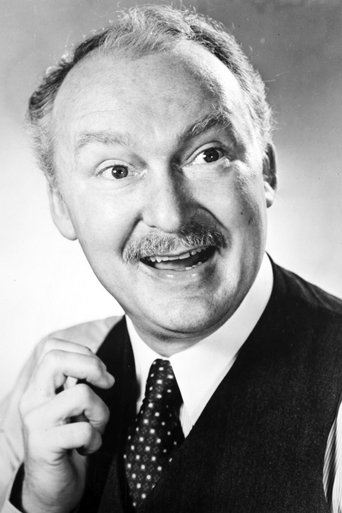 Albert DekkerPat Harrigan
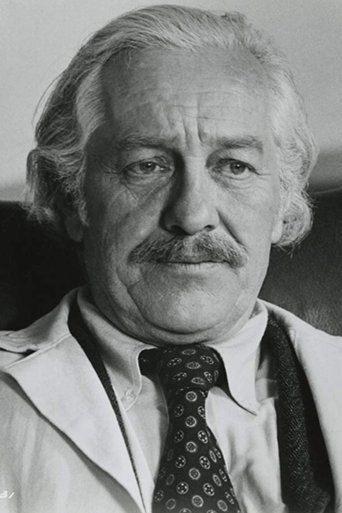 Strother MartinCoffer
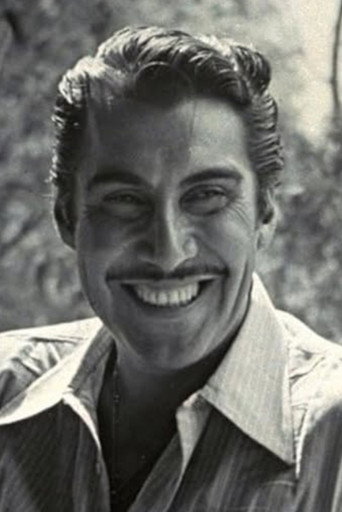 Emilio FernándezGen. Mapache
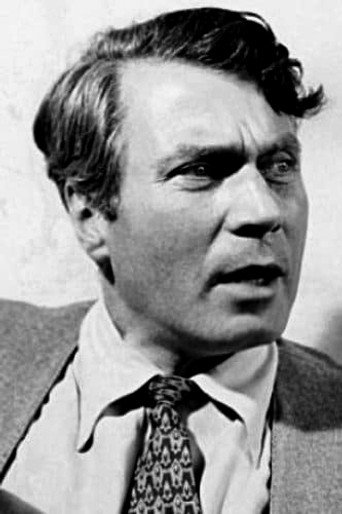 Fernando WagnerMohr
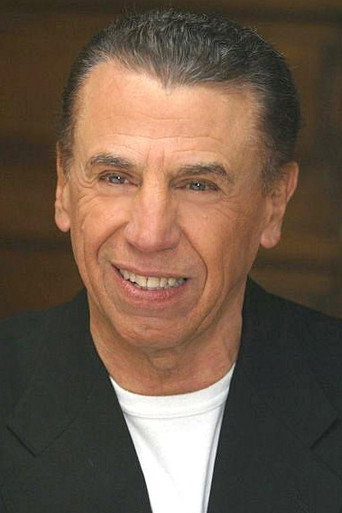 Alfonso ArauHerrera
Directing
- Clifford C. ColemanAssistant Director
- Fred GammonAssistant Director
- Sam PeckinpahDirector
- Phil RawlinsFirst Assistant Director
- Crayton SmithScript Supervisor
- Howard G. KazanjianSecond Assistant Director
- John "Bud" CardosSecond Unit Director
- Robert "Buzz" HenrySecond Unit Director
Writing
- Sam PeckinpahScreenplay
- Walon GreenScreenplay
- Roy N. SicknerStory
- Walon GreenStory
Production
- Roy N. SicknerAssociate Producer
- Phil FeldmanProducer
- Stanley FeldmanProduction Coordinator
- William D. FarallaProduction Manager
Recommended by
Seven Samurai, Sorcerer, The Magnificent Seven, A Fistful of Dollars, 13 Assassins, Butch Cassidy and the Sundance Kid, Once Upon a Time in the West, Unforgiven, The Searchers, Straw Dogs, The Good, the Bad and the Ugly, For a Few Dollars More, Django, The Ox-Bow Incident, Gimme Shelter, The Shootist, The Great Silence, Point Break, The Old Man & the Gun, The Irishman, Ashes and Diamonds, Ronin, Ride the High Country