
Film
The Oregon Trail
Other titles called The Oregon Trail: the 1939 film.
A 1936 Western where John Wayne's cavalry captain goes AWOL to investigate his father's disappearance along the Oregon Trail. It's brisk, action-packed, and lean—barely an hour of straightforward adventure with genuine stunts and horse work. Pure early Hollywood Western efficiency: plot moves, horses run, trouble happens. For anyone who loves old Hollywood or wants to see how simply a Western can work when it stops overthinking itself.
Should you watch it?
Watch it if you enjoy lean, old-fashioned Westerns where a military man's personal quest moves briskly and the star's easy presence carries most of the weight.
Skip it if you need sharp plotting or deep character work, since this is a brisk, creaky 1930s B-picture with stock action and not much to chew on.
What it asks of you: Under an hour, it moves quickly and plainly; it needs no close attention, just patience with period conventions and an easygoing, lightly plotted pace.
Not sure? Find tonight's pick in a minute.
If you liked this
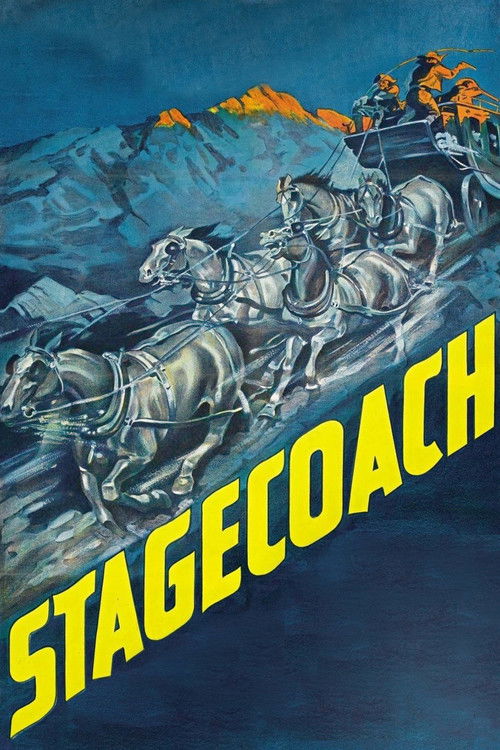
Stagecoach1939
John Ford's masterpiece about a stagecoach full of desperate people crossing hostile territory. It has everything: action, character, moral complexity, and it essentially invented the modern Western. Wayne's in it and he's magnetic.
But It's slower than contemporary action films and Ford's interested in character over spectacle. Some find the pacing contemplative rather than thrilling.
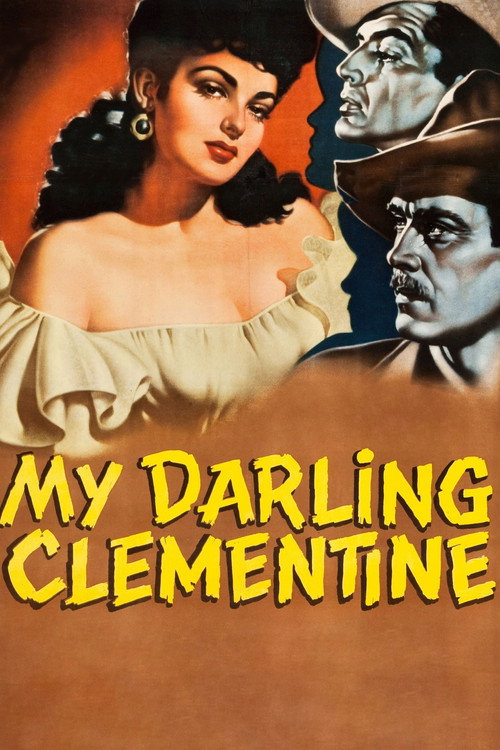
My Darling Clementine1946
Ford again, this time with Henry Fonda at Tombstone. It's a Western about restraint and civilization encroaching on frontier life. Beautifully shot, deeply felt, and it moves with real grace.
But There's barely a gunfight in it. If you want sustained action, this will disappoint—it's a meditation dressed as a Western.
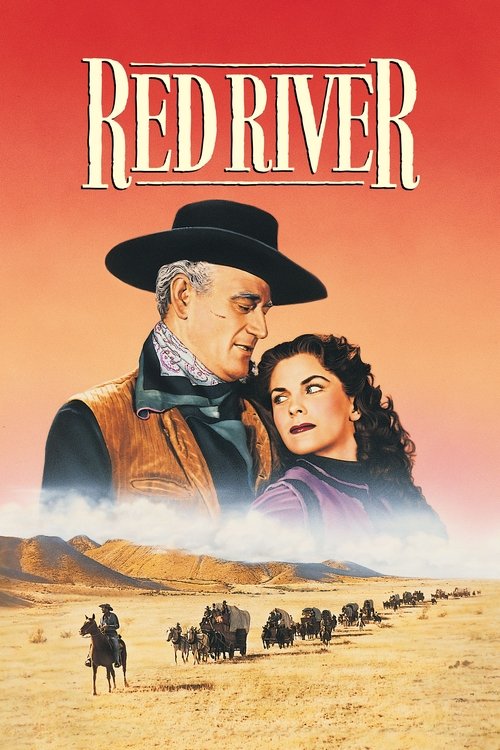
Red River1948
Hawks' cattle-drive epic with Wayne and Montgomery Clift. Tense, beautifully composed, with real psychological depth. The relationship between the two men carries genuine weight and complexity.
But The climax is abrupt and feels unearned. Some of the supporting performances are broad. It can feel unfinished despite its power.
Not sure tonight? Get a pick in a minute, starting from The Oregon Trail
The wildcard
Something you would not have found on your own.
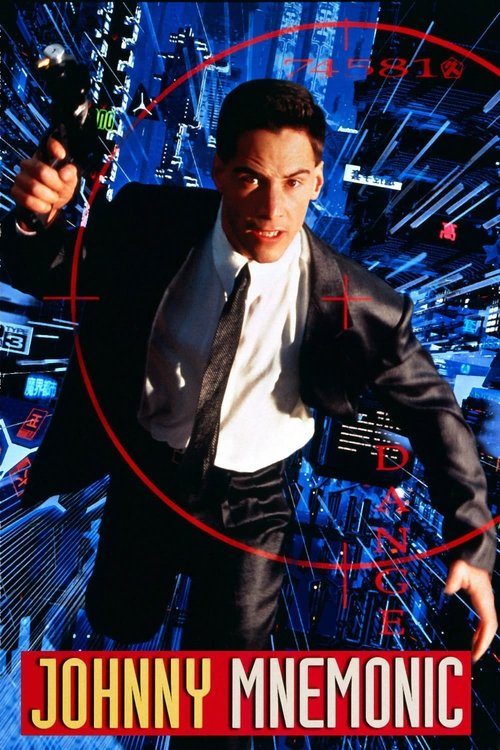
Johnny Mnemonic1995
Both films are propulsive, lean narratives where the journey IS the story. No subplots, no romance that slows things down, just constant forward motion across hostile territory toward a goal.
Keanu Reeves in a cyberpunk fever dream where he's a data courier with information literally implanted in his brain. It shares The Oregon Trail's DNA: a simple premise (travel from A to B with something crucial), constant pursuit, and pure forward momentum. It never pauses for breath.
But It's gaudy, the plot is thin, and it takes itself seriously while being absurd. The production design is aggressively '90s. It works as entertainment only if you stop resisting and let it happen.
More like this (8)
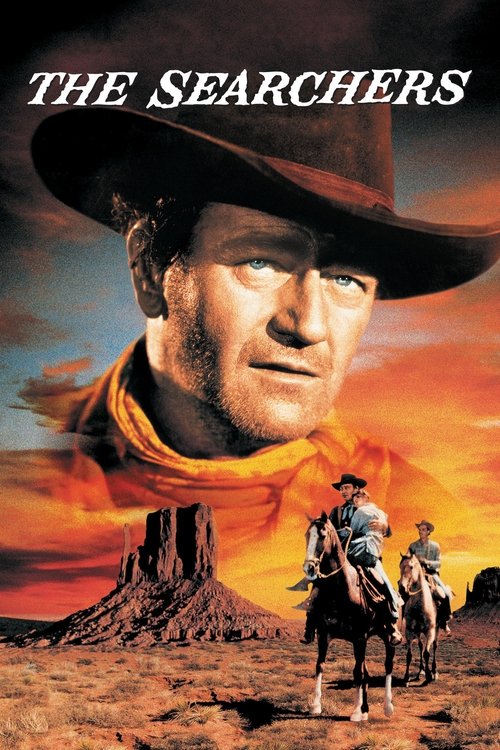
The Searchers1956
Wayne's greatest role: a man consumed by obsession and prejudice, searching for his niece across years. It's visually stunning, morally complicated, and Ford at his most ambitious. Genuinely unsettling.
But It's long, meditative, and deeply uncomfortable about race. If you want a clear hero, Wayne isn't that here. The pacing won't satisfy anyone wanting constant incident.
Johnny Guitar1954
Ray's fever dream of a Western: Joan Crawford runs a saloon, Sterling Hayden loves her, Mercedes McCambridge wants her dead. It's visually outrageous, psychologically weird, and completely unlike any other Western made.
But It's bizarre and sometimes feels like the plot is secondary to mood. The dialogue can be overwrought. It's an acquired taste even for Western fans.

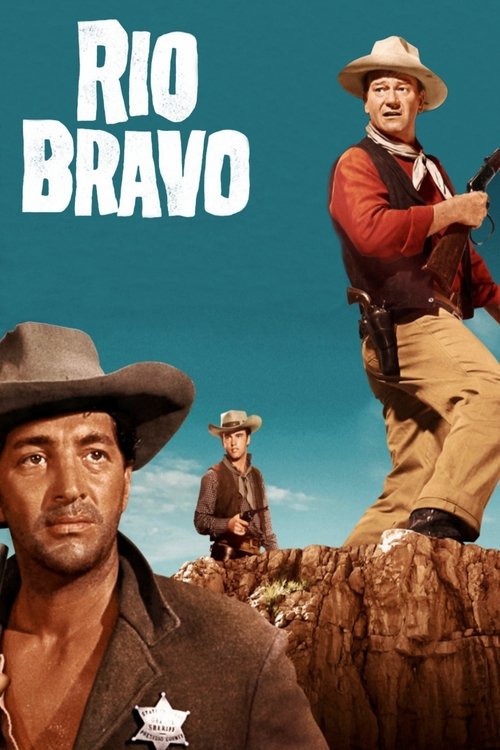
Rio Bravo1959
Hawks' answer to High Noon. Wayne, Dean Martin, and Ricky Nelson hole up in a jail against an army. It's funny, tense, and the character work—especially between Wayne and Martin—is excellent.
But It's leisurely and some find it self-indulgent. The early sections can feel like just hanging out. Modern viewers sometimes find the pacing slack.
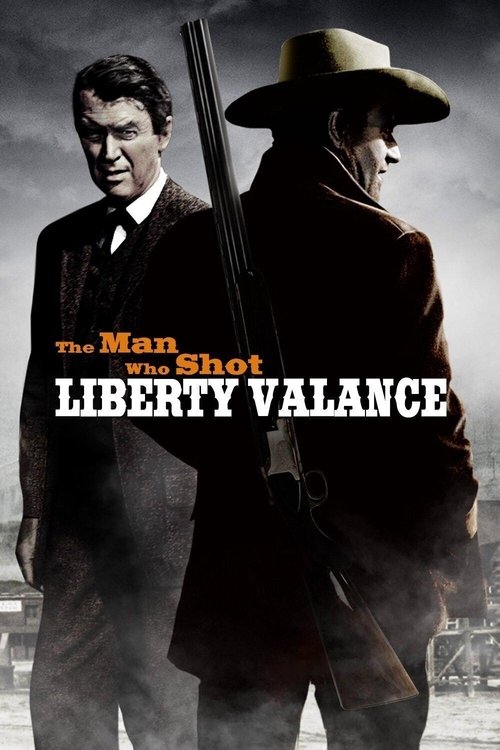
The Man Who Shot Liberty Valance1962
Ford's final great Western: a meditation on myth versus reality, told as a flashback. Wayne, Stewart, and Lee Marvin are superb. It's elegiac and political and funny all at once.
But It's shot in black and white on a set rather than location. Some find it stagey. The theme might feel heavy-handed depending on your patience for allegory.
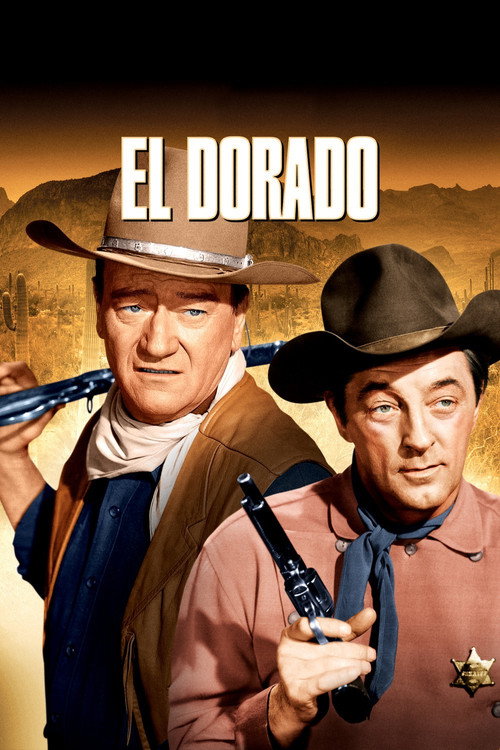
El Dorado1966
Hawks and Wayne again, this time with Robert Mitchum. It's Rio Bravo with more self-awareness, funnier, and Mitchum's drunk former sheriff is a masterclass in comic acting.
But It deliberately echoes Rio Bravo closely enough that some find it repetitive. The humor doesn't always land. Mitchum's character can overshadow the plot.
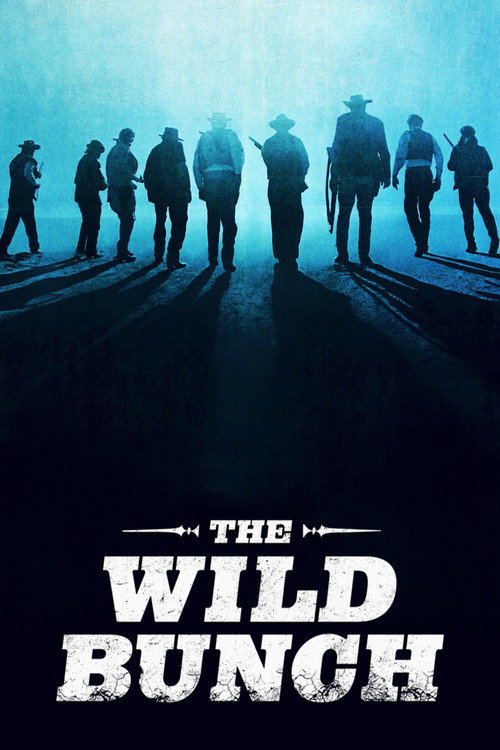
The Wild Bunch1969
Peckinpah's revolutionary Western: brutal, elegiac, and visually daring. It's about aging outlaws at the end of an era, and it's violent and beautiful and sad. Completely changed what Westerns could be.
But The violence is graphic and prolonged, especially in the climax. It's nihilistic and offers no comfort. If you want heroism without irony, this will frustrate you.
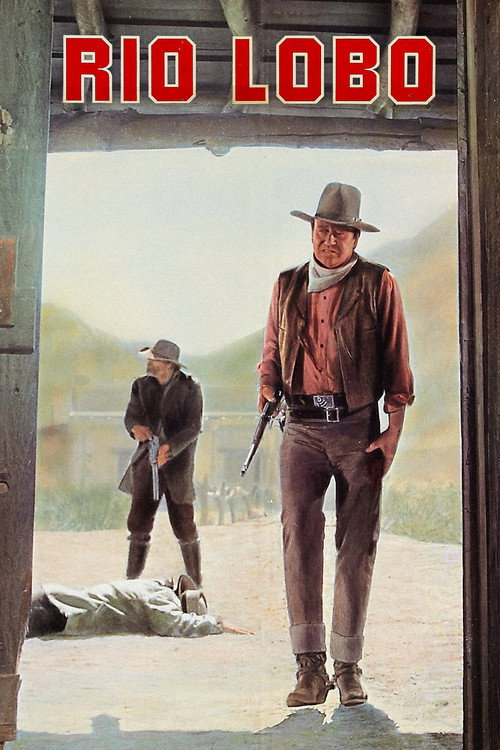
Rio Lobo1970
Both are Westerns about investigation and pursuit, but Rio Lobo shows what Hawks learned from making films—that the real drama is psychological, not in gunfire. It's the sophisticated evolution of the frontier-adventure formula The Oregon Trail represents.
Howard Hawks' final film, where Wayne's a Union officer after the Civil War investigates a train robbery across Mexico with unlikely allies. It's Hawks distilled: conversation matters as much as action, characters spark off each other, and the plot is almost secondary to watching smart people think their way through problems.
But It's slow and talky. The 'plot' of the robbery feels thin. It's a film about relationships and mood rather than incident, which can feel to modern viewers like nothing's happening.
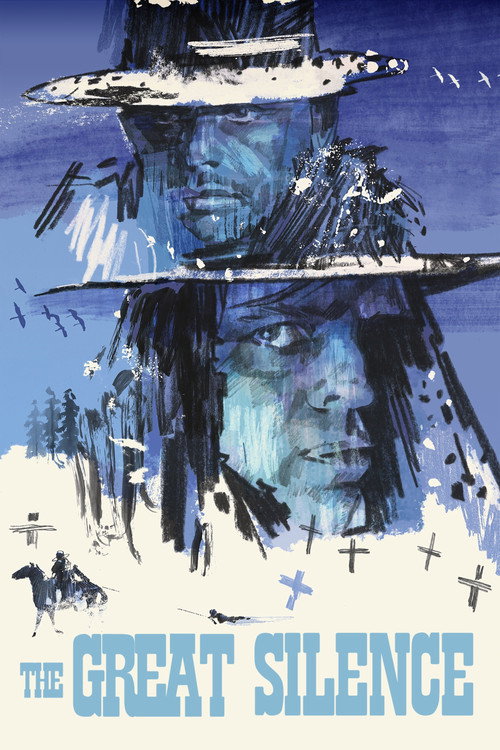
The Great Silence1968
Like The Oregon Trail, it's about survival and pursuit across harsh frontier landscape, but it asks darker questions: What if the landscape wins? What if justice doesn't exist? It's the same engine, running on despair instead of optimism.
A spaghetti Western where a deaf gunslinger hunts a bounty killer in the snowy Utah wilderness. It's visually extraordinary—white landscapes, black figures, real cold—and it inverts every Western convention about who has power. The finale is genuinely shocking and ethically brutal.
But It's in Italian with subtitles. It's bleak and offers no heroic comfort. The ending will disturb you if you expect Westerns to affirm anything about justice or good triumphing.
People
Cast
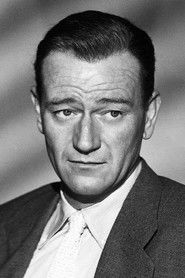 John WayneCapt John Delmont
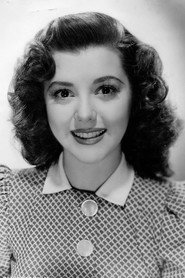 Ann RutherfordAnne Ridgeley
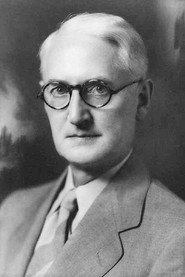 Joseph W. GirardCol. Delmont
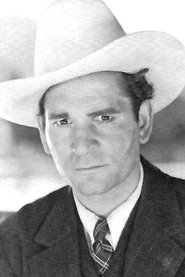 Yakima CanuttTom Richards
 Ben Hendricks Jr.Major Harris
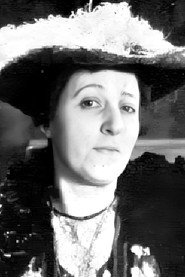 Fern EmmettMinnie
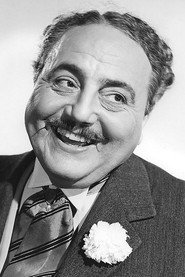 Gino CorradoForrenza
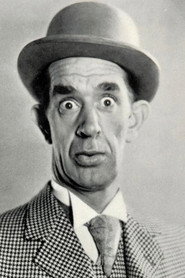 Frank RiceRed
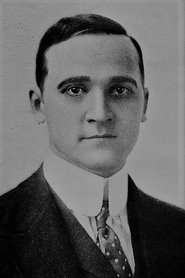 E.H. CalvertJim Ridgeley
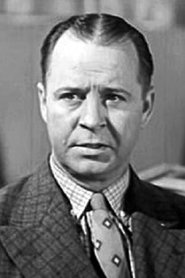 Harry HarveyTim
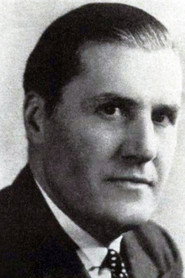 Jack RutherfordBenton
Directing
- Scott PembrokeDirector
Writing
- Jack NattefordScreenplay
- Lindsley ParsonsScreenplay
- Robert Emmett TanseyScreenplay
Production
- Trem CarrProducer