
Film
Rio Lobo
Rio Lobo is John Wayne's final collaboration with director Howard Hawks, a relaxed late-period Western about a Civil War veteran hunting betrayal and redemption. It's genial and loose, happiest with character banter than plot momentum. For viewers who love Wayne and Hawks' easy chemistry, or who appreciate Westerns that meander toward wisdom rather than sprint toward gunfights.
Should you watch it?
Watch it if you love unhurried, wisecracking old-fashioned westerns where a weathered hero's sense of loyalty drives the story as much as the shootouts, and you enjoy the easy rapport of a grizzled group on the trail.
Skip it if you want a lean, fast western, since this one ambles through long stretches of talk and banter across nearly two hours.
What it asks of you: It asks for a couple of hours of patience with a slow, sun-bleached rhythm, where the quieter scenes of camp life carry as much weight as the action.
Not sure? Find tonight's pick in a minute.
If you liked this
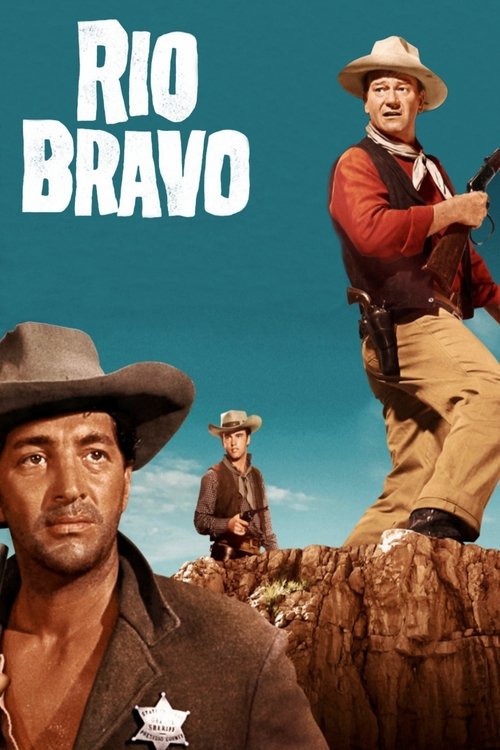
Rio Bravo1959
Hawks and Wayne's first great partnership: a sheriff, a drunk, a kid, and a woman under siege in a town. It's the template Rio Lobo remakes with older bones—same director, same star, same unhurried confidence that talking matters as much as shooting.
But It's 141 minutes and knows it. Nothing moves fast. If you need momentum or plot surprises, the pace will feel stubborn rather than meditative.
The Shootist1976
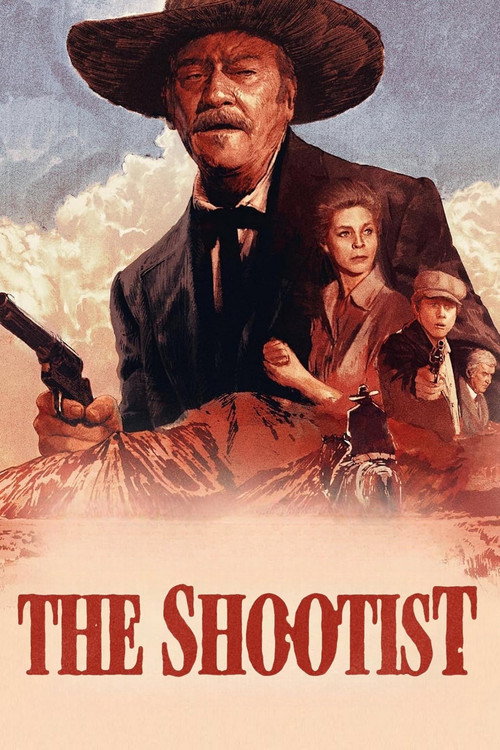
Wayne's actual final film, and it's haunting: an aging gunfighter confronting mortality and the man he's become. It has the weight and grace Rio Lobo sometimes chases but doesn't quite reach. Essential viewing for understanding Wayne's late work.
But It's elegiac and melancholy where Wayne films are usually robust. If you want the star as a confident hero, this trades that for something more fragile.
El Dorado1966
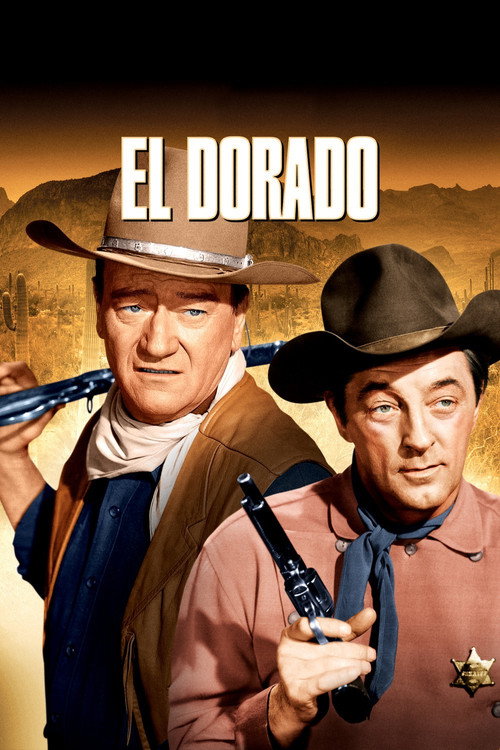
Hawks and Wayne reunite for a more tightly plotted siege story—a drunk gunfighter, a young hotshot, and Wayne helping an old friend. It's the sweet spot between Hawks' earlier work and his looser late style. Pure enjoyment.
But Some find the comic elements forced, especially the drunk routine. It can feel a touch theatrical if you prefer Westerns grittier than comedic.
Not sure tonight? Get a pick in a minute, starting from Rio Lobo
The wildcard
Something you would not have found on your own.
The Ballad of Little Jo1993
Both are Westerns about how people reinvent themselves after trauma, and both locate truth in character rather than action—but Rio Lobo assumes masculine authority where Jo subverts it entirely.
A woman passes as a man to survive on the frontier—a Western built entirely on disguise, identity, and what freedom costs. Shot in muted colours with documentary precision, it's a feminist revision of everything Rio Lobo assumes. Maggie Greenwald's film is strange and true.
But It's quiet, unglamorous, and deeply feminist. If you want the West as an adventure playground for masculine heroism, this actively argues against that mythology.

More like this (7)
The Man Who Shot Liberty Valance1962
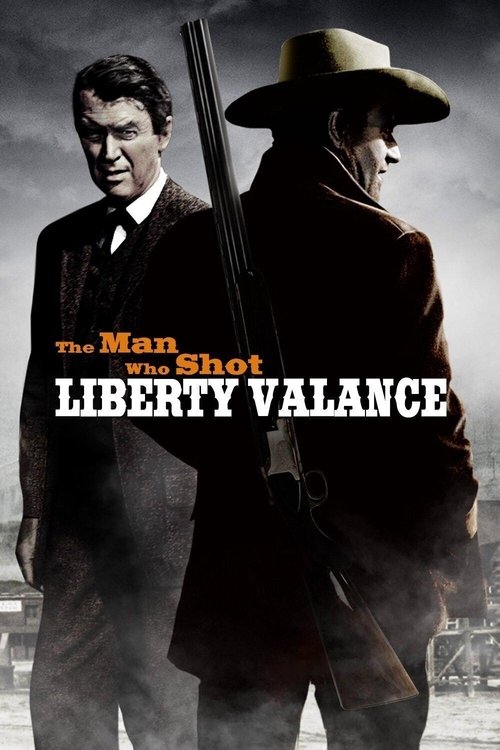
Ford's meditation on myth versus history and the men who build the West. It has Rio Lobo's interest in aging gunslingers reassessing their lives, but with darker irony and more emotional depth. A masterpiece.
But It's in black and white and plays as chamber drama as much as Western. If you want horses, action, and open desert, this is mostly small rooms and long conversations.
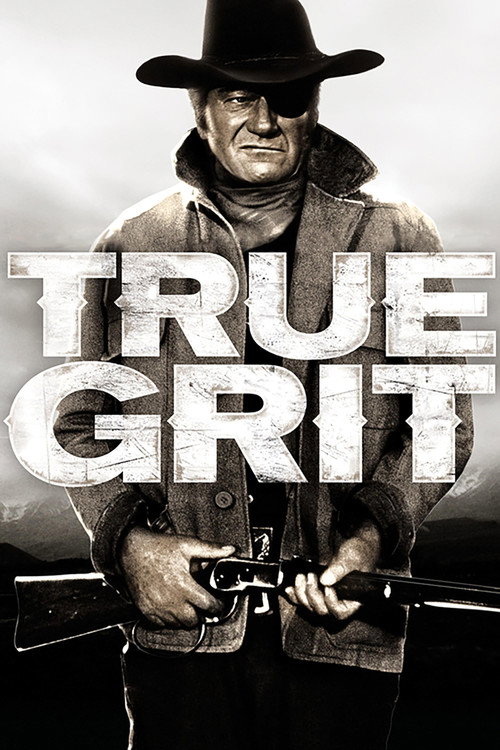
True Grit1969
Wayne won his only Oscar for this one: a cranky marshal partnered with a girl hunting her father's killer. It's funny and touching and shows Wayne in a role that actually challenges him rather than confirms him. Made the year before Rio Lobo.
But The emotional centre belongs to the young actress, not Wayne. If you want the star as the anchor of the film, his authority is deliberately fractured here.
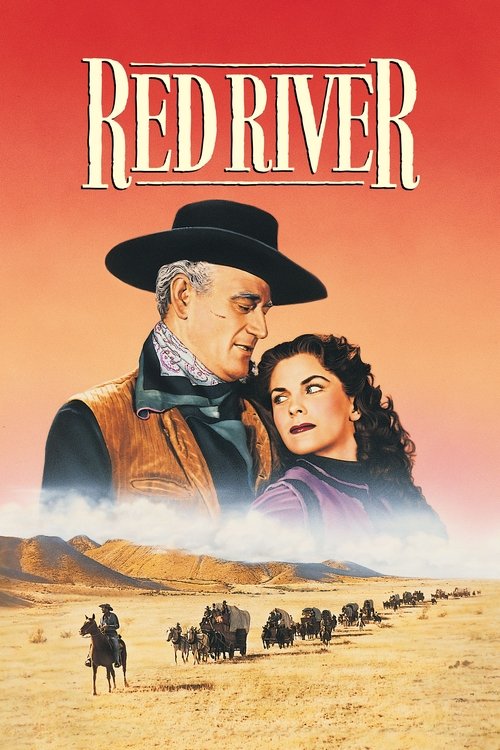
Red River1948
Hawks' first Western with Wayne, and a ruthless character study of a tyrant and the younger man who must stop him. It's psychological and tense where Rio Lobo is comfortable. Essential Hawks, essential Wayne.
But It's deadly serious and the hero is morally compromised in ways Rio Lobo's characters aren't. If you want clear good guys, look elsewhere.
Johnny Guitar1954
Ray's weird, lyrical Western built around a woman running a saloon and the men circling her. It's eccentric and gender-flipped in ways that still feel strange. A cult film with real artistry and genuine strangeness.
But It rejects every Western convention you know. If you want recognizable genre beats and male authority unchallenged, this will baffle or frustrate you.

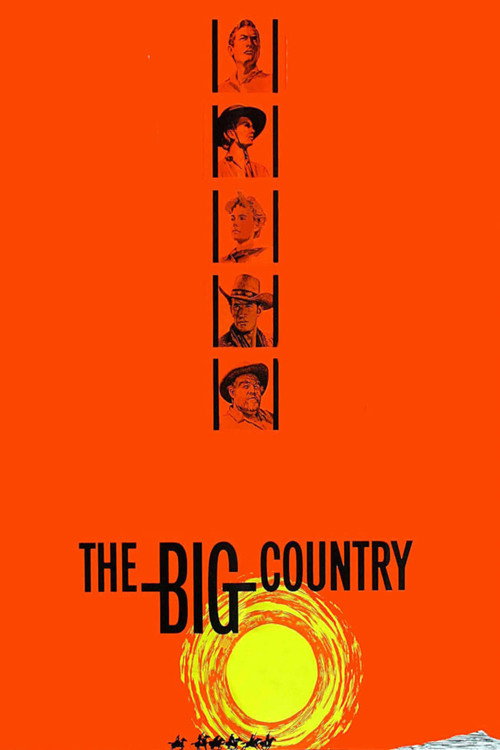
The Big Country1958
A sprawling epic about land, masculine pride, and the man wise enough to refuse the traditional code. Shot in VistaVision, it's beautiful and intelligent. A Western about what it costs to choose peace over vengeance.
But It's long and philosophical rather than action-driven. The pacing is deliberate; some find it dated in its earnestness about reconciliation.
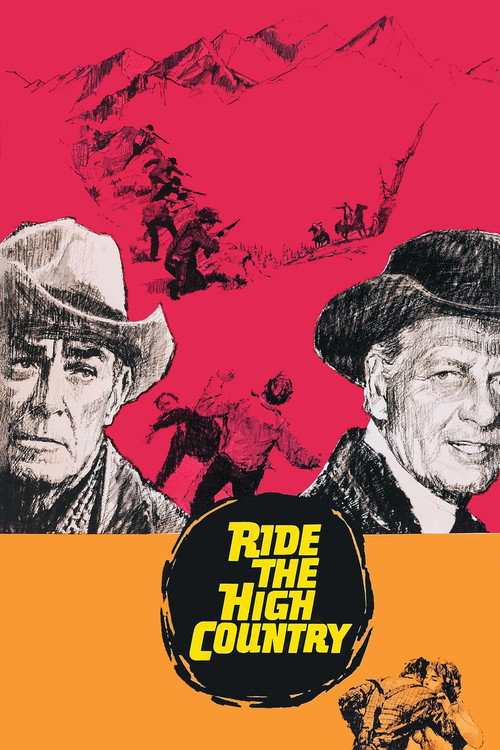
Ride the High Country1962
Peckinpah's elegy for aging gunfighters, two old friends taking a job together and discovering who they've become. It's tender and elegiac and perfectly pitched. One of the greatest Westerns made, surprisingly intimate.
But The violence, when it comes, is shocking and lingering. The film wants you to feel the cost of the life these men chose, not celebrate it.
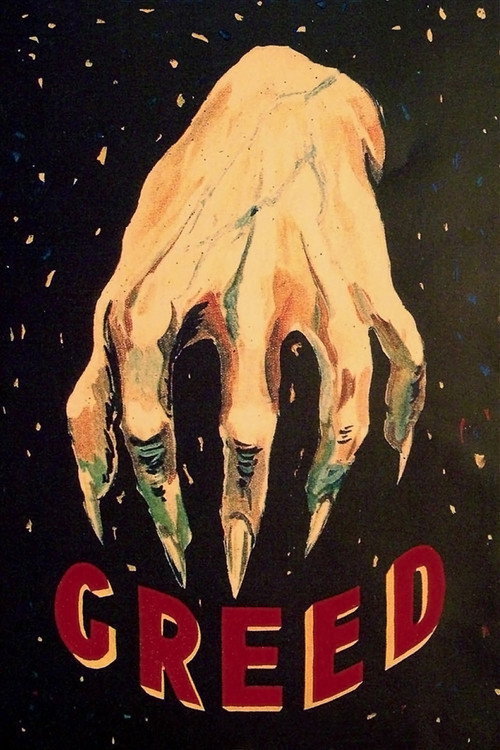
Greed1924
Both use the Western landscape and the Civil War aftermath as settings for examining whether men can transcend their greed and violence. Rio Lobo says yes; Greed says never. One is a masterpiece of human dignity, one of human ruin.
Erich von Stroheim's silent epic about obsession, betrayal, and the American West corrupting everyone it touches. It's visually extraordinary and morally pitiless. A forgotten masterpiece about the frontier as a moral wasteland, not a redemption arena.
But It's silent, over four hours if you watch the reconstruction, and commits fully to tragic pessimism. Rio Lobo's humanism and grace are entirely absent here.
People
Cast
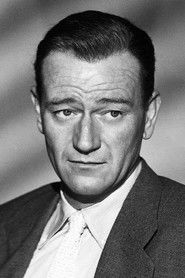 John WayneCol. Cord McNally
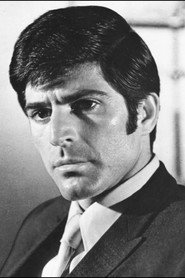 Jorge RiveroCapt. Pierre Cordona
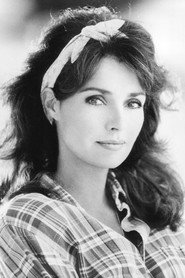 Jennifer O'NeillShasta Delaney
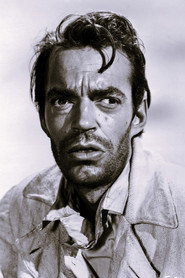 Jack ElamPhillips
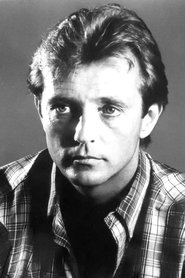 Christopher MitchumSgt. Tuscarora Phillips
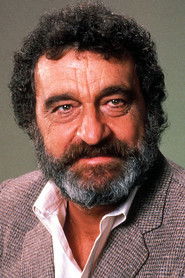 Victor FrenchKetcham
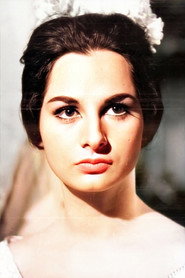 Susana DosamantesMaria Carmen
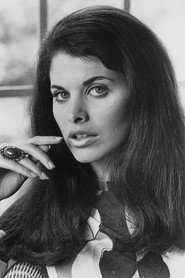 Sherry LansingAmelita
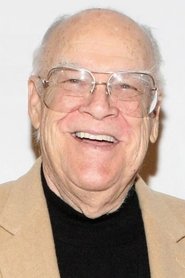 David HuddlestonDr. Ivor Jones
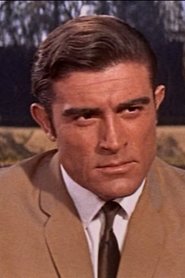 Mike HenryRio Lobo Sheriff 'Blue Tom' Hendricks
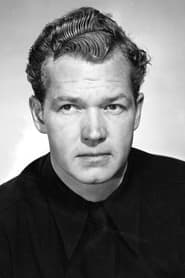 Bill WilliamsBlackthorne Sheriff Pat Cronin
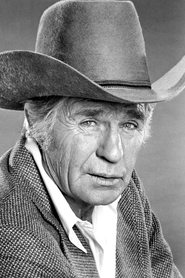 Jim DavisRiley
Directing
- Mike ModerAssistant Director
- Howard HawksDirector
- Marshall J. WolinsScript Supervisor
- Yakima CanuttSecond Unit Director
- Robert SteinThird Assistant Director
Writing
- Burton WohlScreenplay
- Howard HawksScreenplay
- Leigh BrackettScreenplay
- Burton WohlStory
Production
- Paul HelmickAssociate Producer
- Hoyt BowersCasting
- Frank KennedyExtras Casting
- Dennis L. Judd IILocation Coordinator
- Howard HawksProducer
- Robert M. BecheUnit Production Manager