
Film
The Covered Wagon
The Covered Wagon is a 1923 silent epic about settlers heading west on the Oregon Trail. It's genuinely thrilling—real stunts, genuine scale, a love triangle that actually matters—and moves with remarkable pace for its length. Made at the height of the silent era, it's for anyone curious about how westerns became westerns, or who wants to see what a blockbuster looked like a century ago.
Should you watch it?
Watch it if you love epic silent-era spectacle where the landscape itself becomes a character, and you enjoy a slow, earnest pioneer saga built on big outdoor set pieces and sweeping crowd scenes.
Skip it if you need quick cuts, sharp modern dialogue, or a story that moves briskly; its 1923 pacing is deliberate, and the romance plays out in a sincere, old-fashioned register.
What it asks of you: It runs about an hour and a half and asks you to settle into a slow, patient rhythm, reading intertitles and letting long stretches of trail travel unfold without hurrying toward the next beat.
Not sure? Find tonight's pick in a minute.
If you liked this
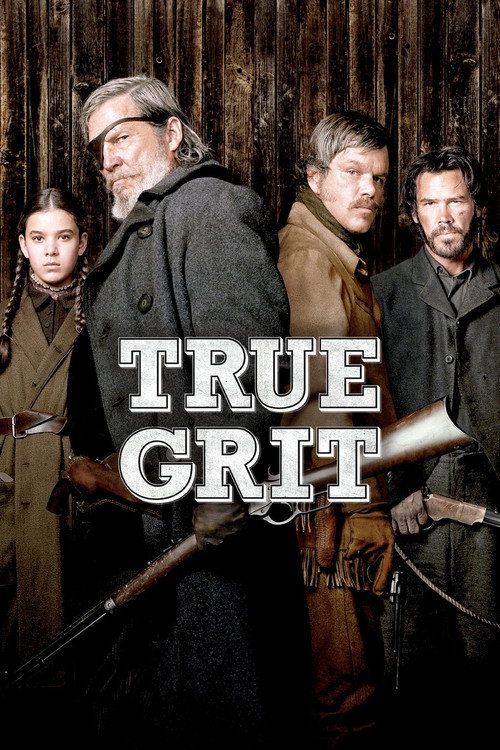
True Grit2010
Coen Brothers' remake captures the same frontier spirit: a journey through harsh country where character matters more than comfort, and the weak don't survive. Hailee Steinfeld's determined Mattie is as fierce as any wagon train pioneer.
But It's grittier and more cynical than the original, and if you want romance alongside your adventure, this has almost none.
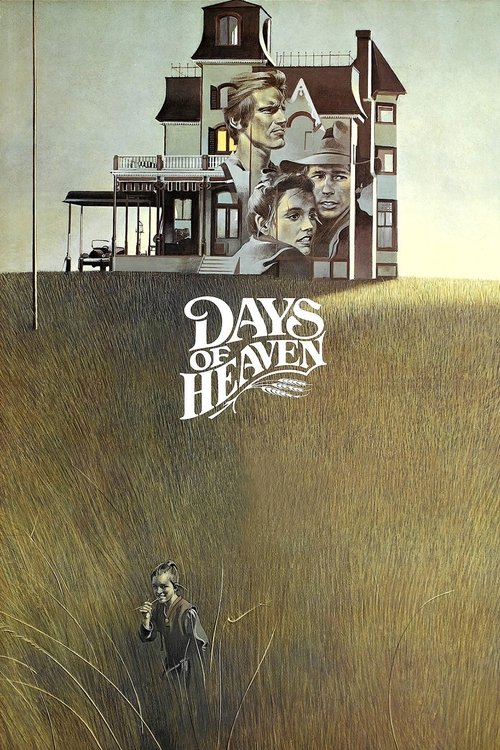
Days of Heaven1978
Terrence Malick's lyrical take on settlers and labor during the turn of the century. Visually stunning, architecturally similar—a group trying to build something in an indifferent landscape—with the same mythic weight.
But It's slow, deliberately paced, and more interested in mood than plot. The voiceover can feel precious.
Lonesome Dove
This miniseries is the spiritual grandchild of The Covered Wagon: an epic cattle drive across dangerous country with ensemble characters, moral complexity, and genuine stakes. It feels authentically lived-in.
But It's six hours long and won't rush you. Some find the pacing glacial, and the violence is sudden and unsparing.
Not sure tonight? Get a pick in a minute, starting from The Covered Wagon
The wildcard
Something you would not have found on your own.
Sunrise: A Song of Two Humans1927
Both are silent epics made in the 1920s that use geographical journeys to explore character and moral choice; both treat the landscape as a character itself.
F.W. Murnau's silent masterpiece is also about a journey—not westward, but spiritual—that tests a marriage and a man's character. Like The Covered Wagon, it uses landscape and struggle as moral crucibles, and its visual language is equally revolutionary for 1927.
But It's a domestic melodrama, not an adventure, and much of its power depends on your tolerance for emotional intensity and German Expressionist aesthetics.

More like this (8)
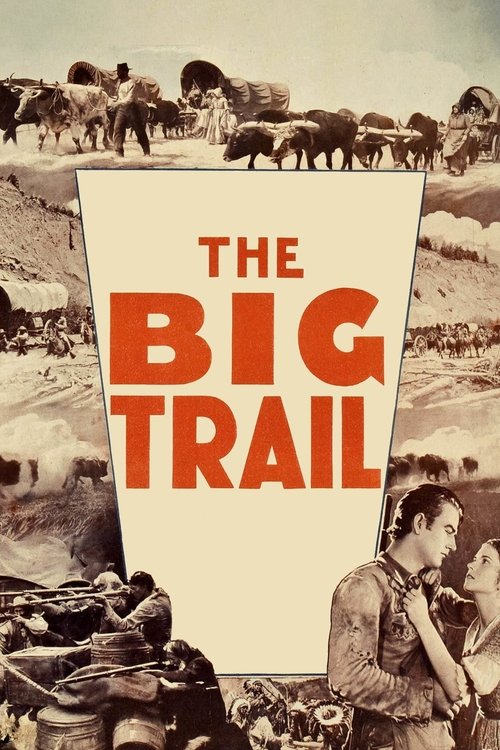
The Big Trail1930
Raoul Walsh's wagon-trek film is The Covered Wagon's closest cousin, made seven years later with even more ambitious cinematography. A similar journey, similar romance, but with early sound technology lending a different energy.
But The sound recording is occasionally tinny, and the dialogue can feel stage-bound compared to the visual spectacle.
Johnny Guitar1954
Nicholas Ray's revisionist western focuses on female agency in frontier life—Vienna is powerful, complex, and fighting for her land. It's a western that interrogates the mythology The Covered Wagon helped establish.
But It's deliberately strange and theatrical, and the gender dynamics might feel anachronistic if you want a straightforward adventure.

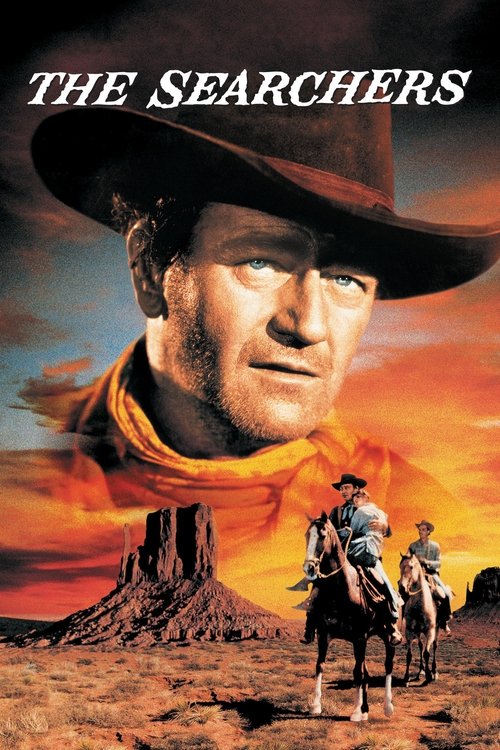
The Searchers1956
John Ford's masterpiece uses the western journey as a moral crucible. Ethan Edwards' quest across the frontier is visually gorgeous and thematically devastating—it's what happens when the romance of westward expansion meets reality.
But It's dark about race and possession in ways that can be uncomfortable. The pacing is deliberate, and some find it slow.
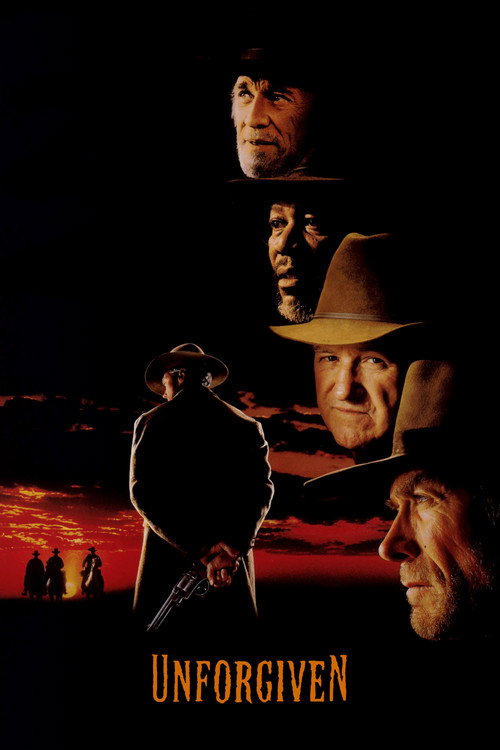
Unforgiven1992
Clint Eastwood's elegy for the western strips away the mythology The Covered Wagon helped build, showing aging outlaws in a world where violence has consequences. It's a conversation with everything that came before.
But It's a downer—violent and melancholic—and there's no triumphalism about frontier life here.
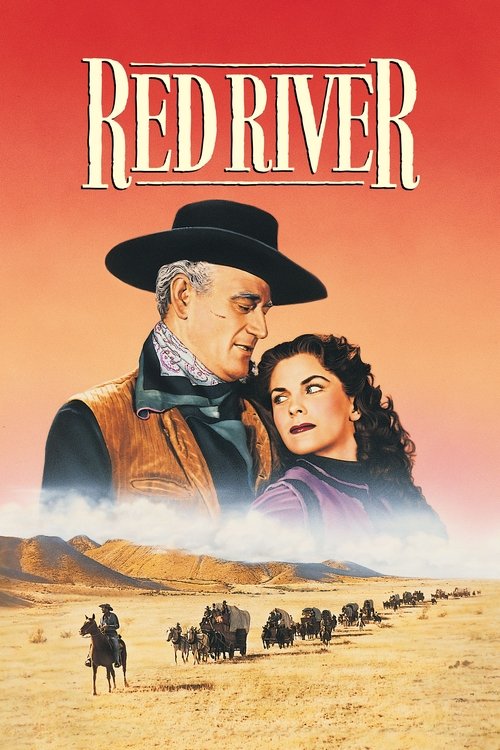
Red River1948
Hawks' cattle-drive epic has the same journey structure: a dangerous trek, leadership conflicts, and young love complicated by older masculine pride. Beautifully composed and dramatically tense throughout.
But The relationship between Wayne and Montgomery Clift has homoerotic undertones that can feel more interesting than the actual plot.
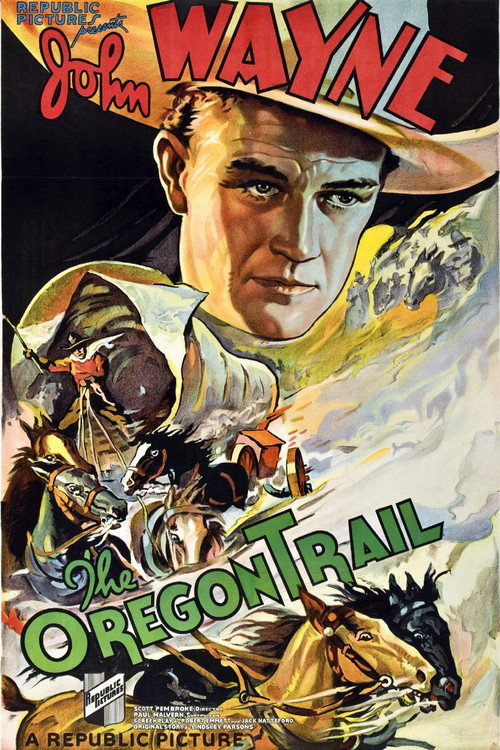
The Oregon Trail1936
This B-western directly engages with covered-wagon mythology and history. It's cheaper and breezier than The Covered Wagon, but it has charm and moves quickly if you want something lighter.
But It's bargain-basement compared to the 1923 original, and the production values show it. The plot is thinner.
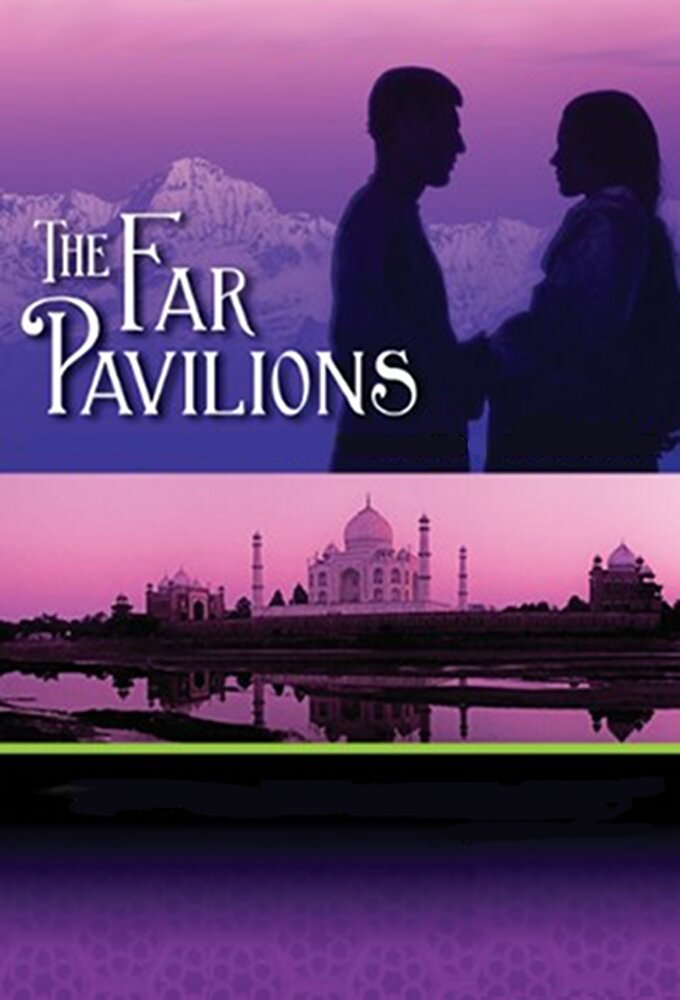
The Far Pavilions1984
Identical structure—a journey through foreign terrain, a love triangle with class and cultural stakes, and the collision between imperialism and indigenous people—but transplanted to the British Empire instead of American expansion.
This HBO miniseries swaps the American frontier for the Khyber Pass and India in the 1850s, but the DNA is identical: a caravan of settlers/soldiers crossing hostile territory, cultural collision, love across dividing lines, and genuine spectacle. It has the same pulse.
But It's forgotten and hard to find, the politics are dated in some ways, and the performances vary wildly in quality. It's also very long and moves unevenly.
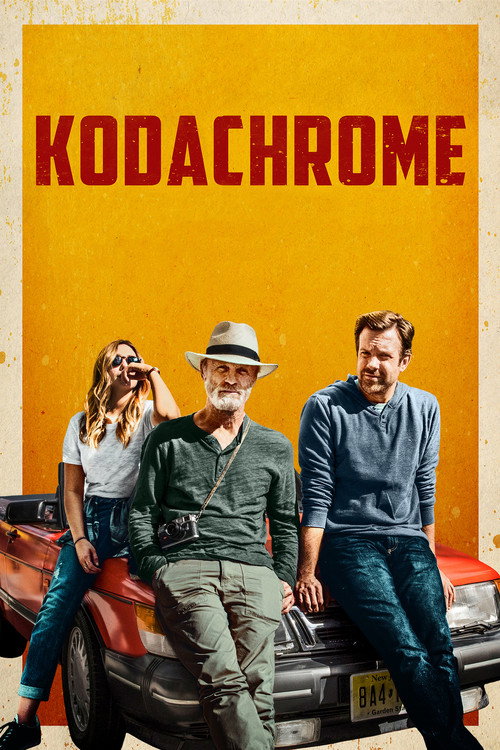
Kodachrome2017
Both center on a journey westward as spiritual and emotional passage; both use the American landscape as the real protagonist; both explore whether a trip can heal what's fractured in human connection.
This intimate film about a father and son driving across America is a covered-wagon story stripped to its essence: a journey through landscape as a way to repair what's broken in a relationship. No Indians or action, but the same emotional architecture.
But It's a quiet indie about mortality and forgiveness. If you came for adventure and romance, this is a conversation instead, and some find it maudlin.
People
Cast
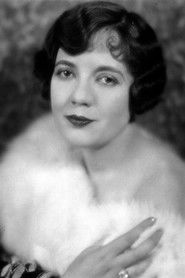 Lois WilsonMolly Wingate
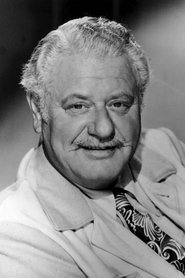 Alan HaleSam Woodhull
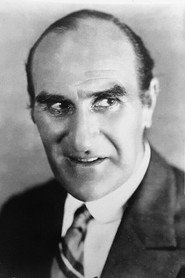 Ernest TorrenceJackson
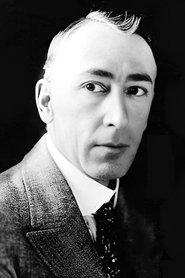 Tully MarshallJim Bridges
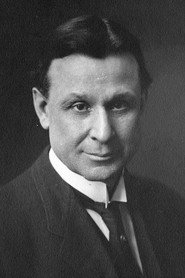 Charles OgleMr. Wingate
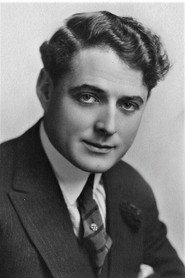 J. Warren KerriganWill Banion
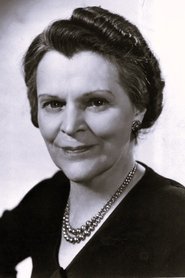 Ethel WalesMrs. Wingate
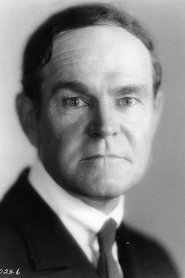 Guy OliverKit Carson
- Johnny FoxJed Wingate
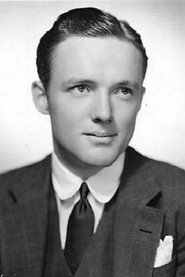 Frank AlbertsonBit (uncredited)
Directing
- James CruzeDirector
Writing
- Jack CunninghamAdaptation
- Emerson HoughNovel
- Jack CunninghamScreenplay
Production
- Jesse L. LaskyProducer
Recommended by
Cimarron, The Squaw Man, The Last of the Mohicans, The Way West, The Winning of Barbara Worth, Tumbleweeds