
Television series
The Far Pavilions
A sweeping 1984 HBO miniseries about a British officer and an Indian princess defying empire and duty to be together. It's a grand romantic epic with genuine stakes, sumptuous location shooting, and the kind of melodrama that doesn't apologize for itself. For anyone who loves period romance with teeth, not just sighs.
Should you watch it?
Watch it if you like sweeping historical romances where the scenery and the scale of empire do as much storytelling as the dialogue, and you don't mind a love story constantly pushed around by history.
Skip it if the three-hour running time is long for a story that leans on lush, old-fashioned melodrama, and its pace can feel stately when you want the romance to move.
What it asks of you: Around two hours split into three parts, with long stretches of quiet looking and slow-building tension before the battles finally arrive.
Not sure? Find tonight's pick in a minute.
If you liked this
Lonesome Dove
Another CBS miniseries epic with the same architectural ambition: sweeping landscapes, complex masculinity, romance threaded through genuine hardship, and a cast that elevates everything they touch.
But Western, not Raj—if you wanted to stay in a particular world, this pivots the coordinates entirely.
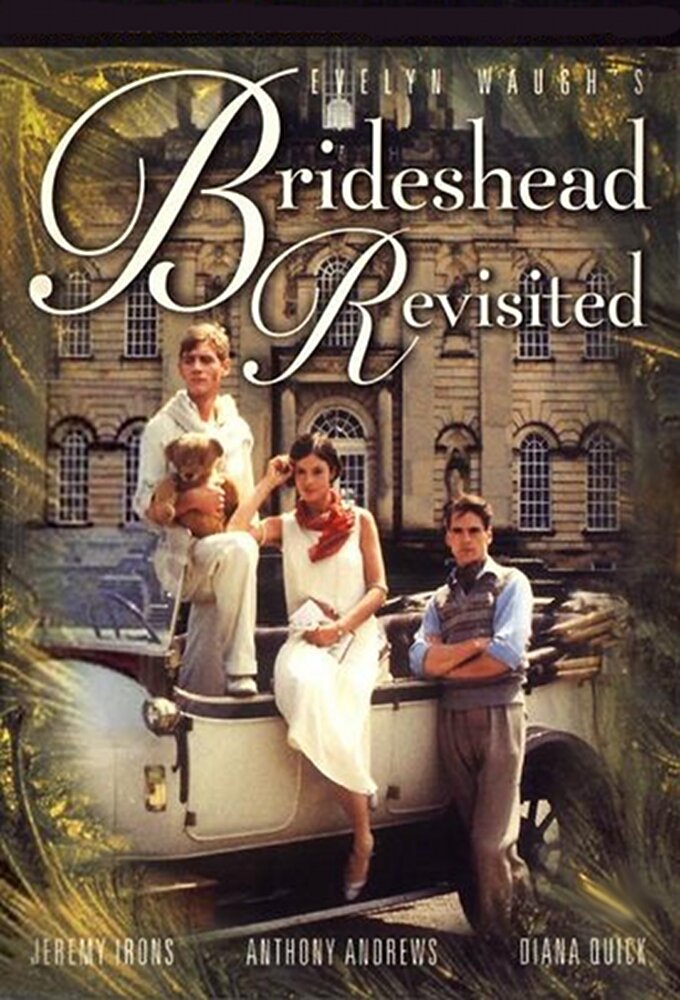
Brideshead Revisited1981
The Granada adaptation that set the standard for literary prestige television. Gorgeous, intricate, with Christopher Lee (who appears here too) in a smaller but unforgettable role.
But Slower than The Far Pavilions, more interior. If you want spectacle over psychology, this will feel precious.
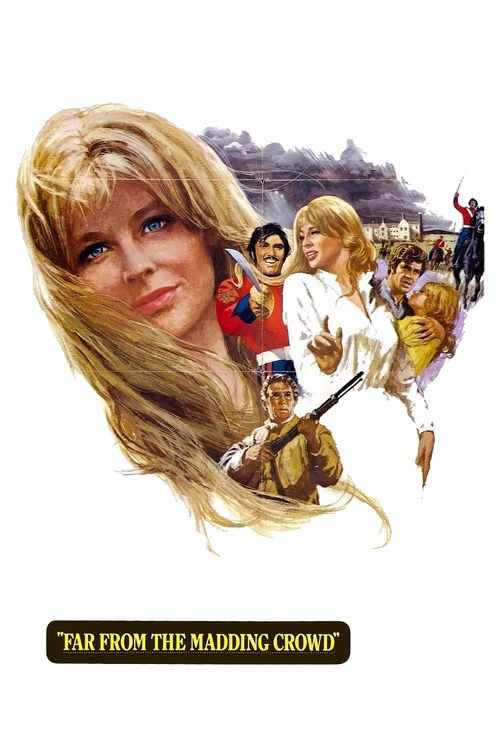
Far from the Madding Crowd1967
Schlesinger's film has the same DNA: passion tested against social circumstance, a heroine who refuses to be circumstance's puppet, landscapes that are almost characters themselves.
But Much more restrained in emotion. If you love the *heat* of star-crossed romance, this keeps things at arm's length.
Not sure tonight? Get a pick in a minute, starting from The Far Pavilions
The wildcard
Something you would not have found on your own.
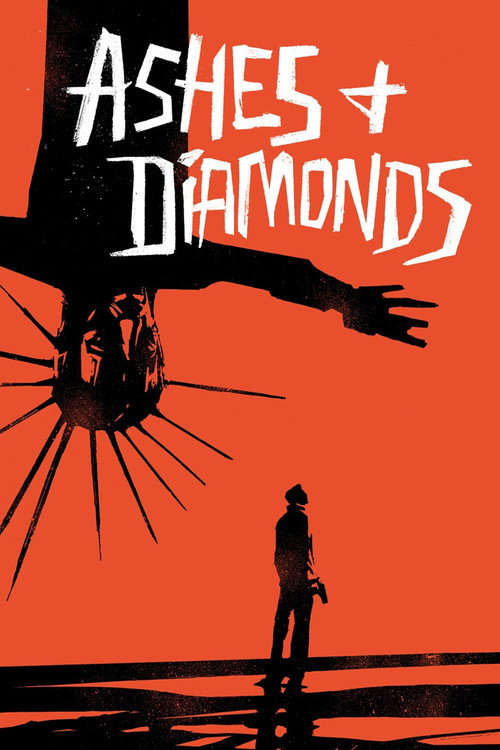
Ashes and Diamonds1958
Both use romantic love as a lens to examine the impossibility of resistance when history is the real antagonist.
A Polish masterpiece about a doomed romance unfolding amid the collapse of one world order and birth of another. Formally stunning, morally complex, with the same sense of history as a crushing weight on the personal.
But Black-and-white, subtitled, post-war Polish cinema. Visually and emotionally distant from 1984 HBO production values, and the pacing is meditative.
More like this (5)
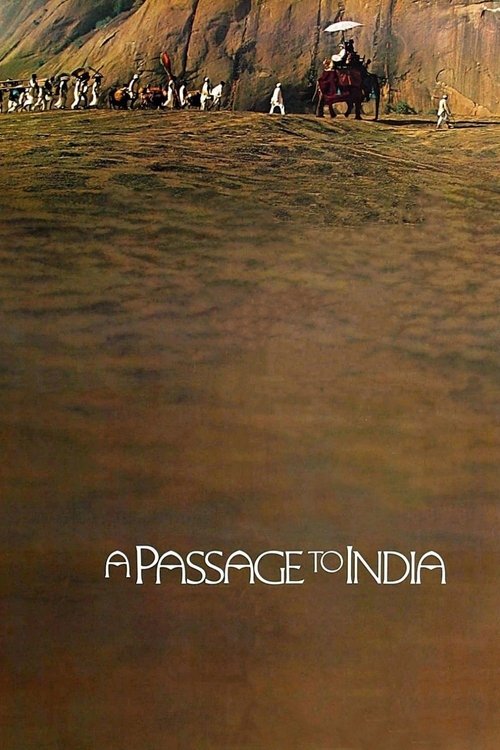
A Passage to India1984
Released the same year, Lean's film adaptation covers similar cultural collisions and impossible bonds. Masterfully shot, morally complex, with a finale that will haunt you.
But Slower cinema of a different era. The romance is subtext, not the engine, and it may feel glacial after the miniseries's momentum.
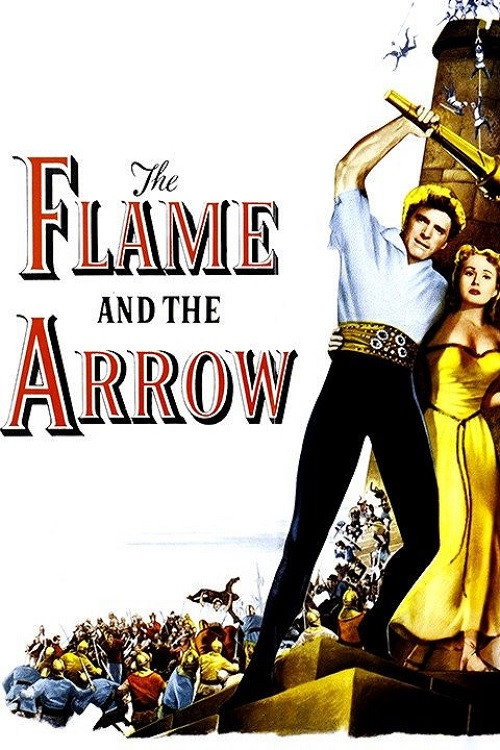
The Flame and the Arrow1950
Curtiz directing Tony Curtis in a Technicolor adventure with real chemistry between leads, humor, swashbuckling fun, and the same commitment to spectacle as The Far Pavilions.
But Considerably lighter in tone. This is escapism first, meaning no political or moral weight whatsoever.
The Remains of the Day1993
A meditation on duty, passion, and the roads not taken, with Hopkins and Kline. Quieter than The Far Pavilions but equally moving about what empire costs the heart.
But Almost anti-romantic in its restraint. If you're here for grand passion, this will feel like watching someone not speak for two hours.

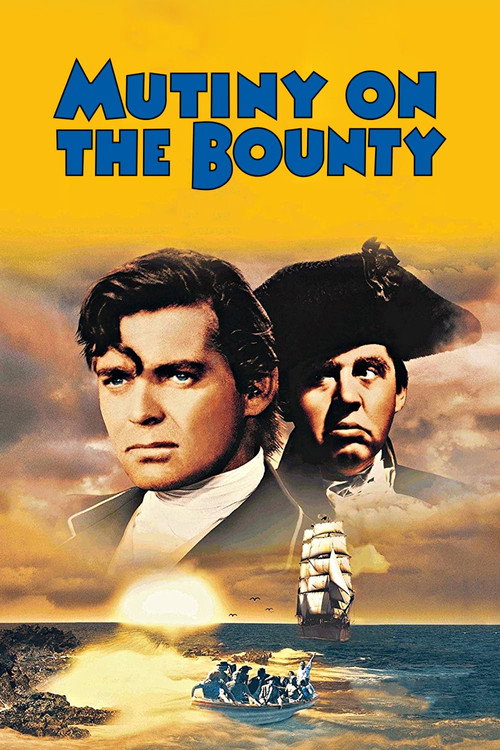
Mutiny on the Bounty1935
Both are epics about individuals who love each other and against power structures that cannot permit it—the personal cannot win.
The 1935 version (not the 1962 Brando remake) with Charles Laughton and Clark Gable is a sweeping colonial drama with genuine ideological conflict, spectacle, and the same bittersweet cost of defiance.
But Very much a product of 1935 in its sexual politics and sentiment. The romance is tertiary, and the pacing reflects Golden Age Hollywood.
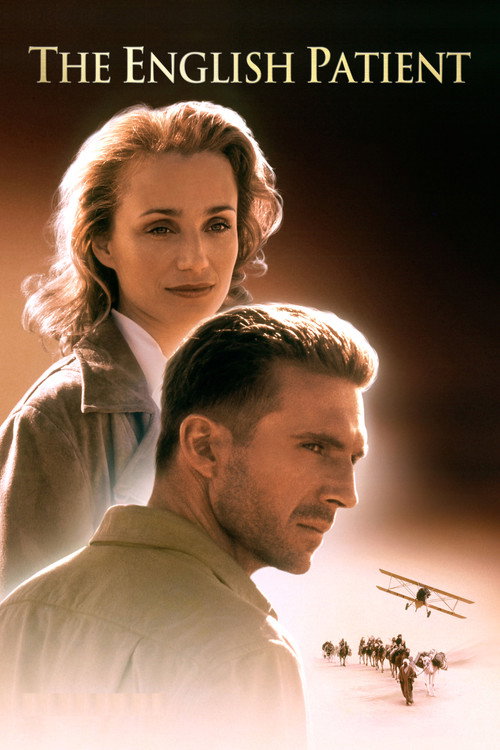
The English Patient1996
Both believe that individual love is a form of resistance to empire and history, and both pay the price for that belief with equal seriousness.
Minghella's sweeping wartime romance told in fragments, with location shooting across North Africa and Italy, passion that consumes everything, and a willingness to let the personal matter as much as the historical.
But Frequently criticized as melodramatic or self-indulgent. The fractured narrative requires active engagement; it will not carry you passively.
People
Cast




Recommended by
The Covered Wagon, Heat and Dust, Tales of the South Seas, The Flame Trees of Thika, Bhowani Junction