
Film
Bhowani Junction
A sweeping 1956 romance set during India's independence, following a mixed-race woman caught between two worlds—British and Indian—as colonial rule crumbles. Ava Gardner commands the screen through spectacle, politics, and the messy question of where you belong when history is remaking the map beneath your feet.
If you liked this
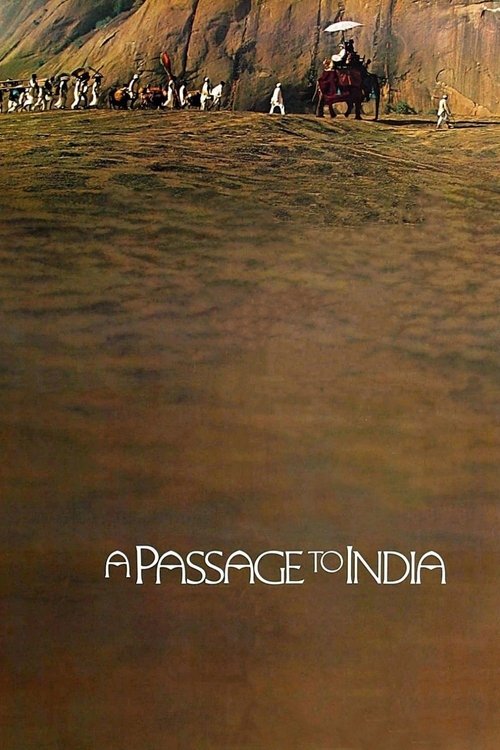
A Passage to India1984
David Lean returns to colonial India with intellectual depth and visual splendor. Gardner's sensual intensity finds its match in the film's exploration of desire, prejudice, and the impossibility of connection across the racial divide.
But Slower and more austere than Bhowani Junction—less romance, more moral reckoning. Some find Lean's style stately to the point of stiffness.
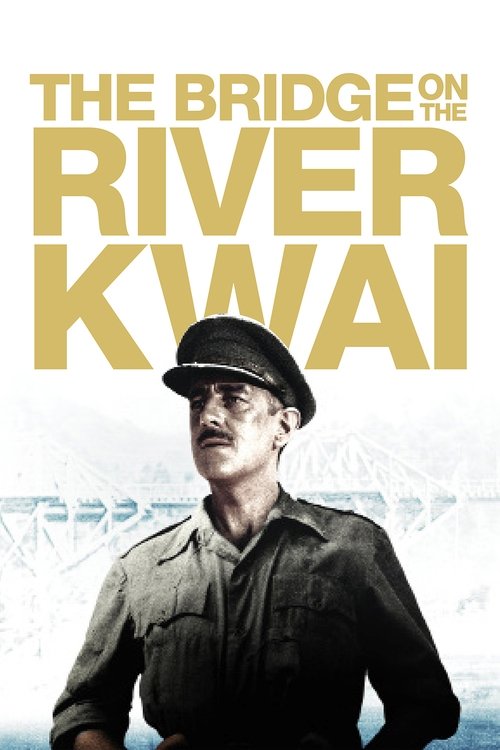
The Bridge on the River Kwai1957
Another Lean epic with similar themes of colonial loyalty tested by circumstance. The same mixture of spectacle and character study, with prisoners of war instead of civilians, but the same examination of duty, honor, and national identity under strain.
But Entirely male ensemble—if Gardner's presence was crucial to your investment in Bhowani Junction, you'll feel her absence keenly. Also longer and more militaristic in tone.
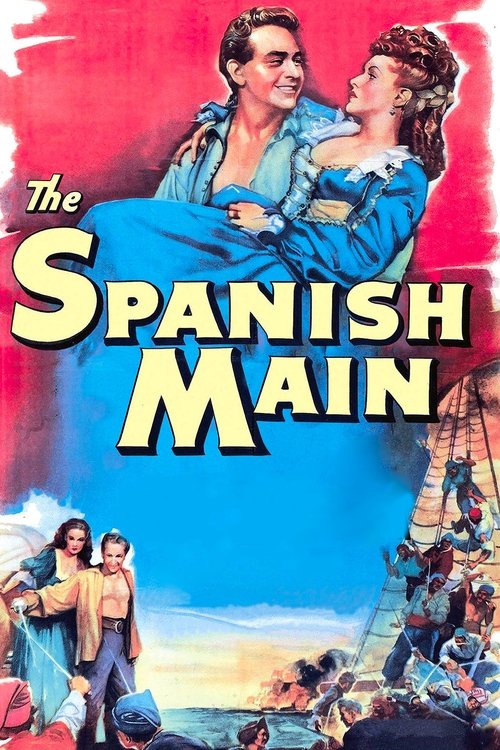
The Spanish Main1945
Ava Gardner before she became a star, in a rollicking adventure with Paul Henreid. If you're drawn to her presence in Bhowani Junction, this earlier film captures that same dangerous glamour in a simpler, breezier register.
But It's a pirate romp with thin plotting and zero depth. The comparison throws into relief how much more Bhowani Junction asks of her as an actress.
Not sure tonight? Get a pick in a minute, starting from Bhowani Junction
The wildcard
Something you would not have found on your own.
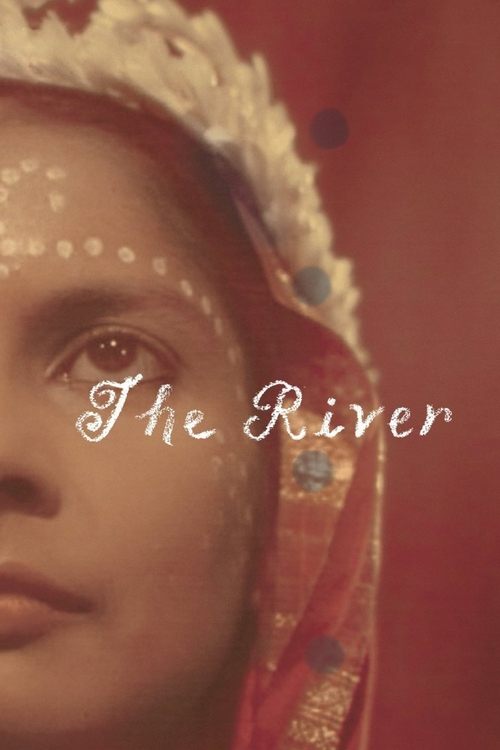
The River1951
Both films center women's interior lives against the spectacle of India; both use the Raj as a moment of transformation rather than purely historical backdrop. But Renoir is a poet while Lean is an architect, and it shows in every frame.
Jean Renoir's chamber piece set in Bengal during the Raj, shot in Technicolor, following a group of women navigating desire and loss. It's India as sensory experience and emotional landscape, not backdrop. Every image is ecstatic.
But It's introspective and lyrical where Bhowani Junction is propulsive. There's very little plot in the conventional sense—if you need narrative momentum, this will feel slow and occasionally precious. Some find its romanticism about India uncritical and dated.
More like this (7)
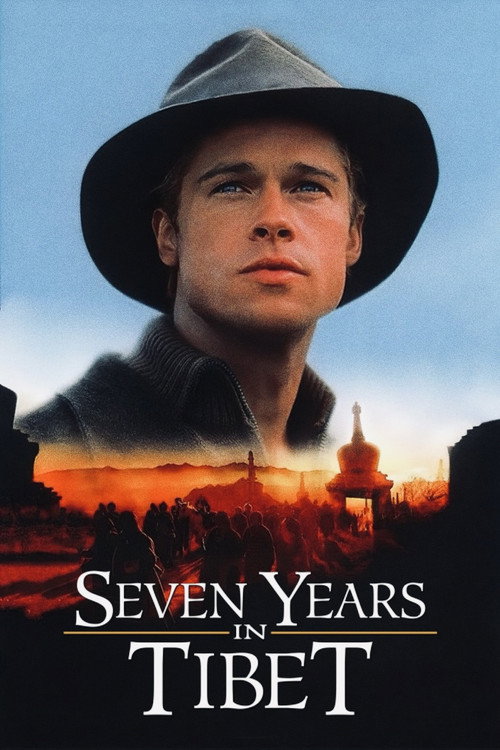
Seven Years in Tibet1997
Another colonial-era adventure about a Westerner trying to find identity and redemption in Asia. Brad Pitt and David Thewlis navigate Buddhism, privilege, and the gap between who they thought they were and who they need to become.
But Earnest to a fault, and structurally clumsy. Some viewers find Thewlis's character arc unearned, and the film's spiritual seeking can read as tourist-spirituality rather than genuine crisis.
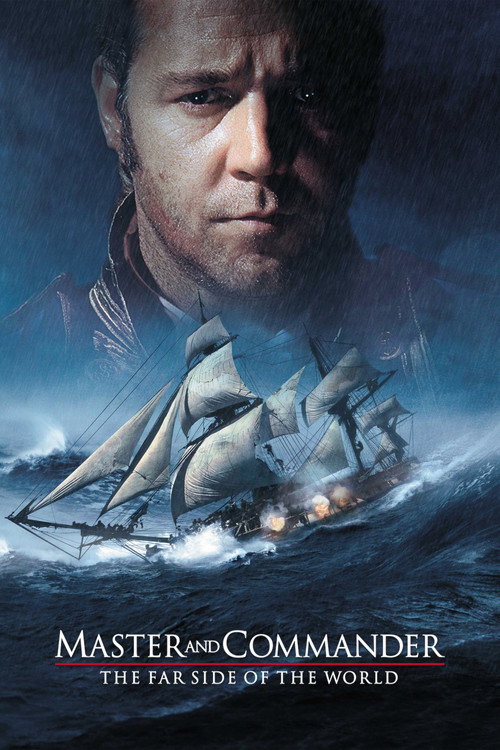
Master and Commander: The Far Side of the World2003
Russell Crowe in another colonial adventure, this one about duty and command during the Napoleonic Wars. The same tension between personal desire and historical necessity, with terrific naval sequences and character depth.
But Almost no female characters, and the film prioritizes naval action and male camaraderie over romance. If romance was half the draw of Bhowani Junction, you'll find it sparse here.
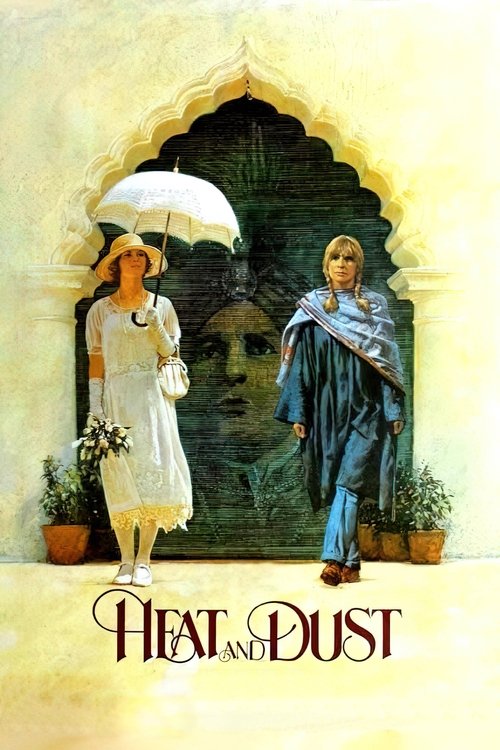
Heat and Dust1983
Julie Christie and Greta Scacchi in a parallel-time narrative that moves between Raj-era India and contemporary New Delhi. Like Bhowani Junction, it's about women navigating colonial structures and seeking authenticity, but with a sharper feminist edge.
But The multiple timelines can feel fragmented, and the film privileges atmosphere over plot. Some find it dauntingly slow and elliptical.
The Remains of the Day1993
Anthony Hopkins as an English butler confronting a lifetime of choices made in service of duty and empire. The same anatomy of complicity and sacrifice, though from a very different vantage point. Perfectly measured and humane.
But It's quiet, interior, and full of things not said. If you came for adventure and spectacle, this will feel like a very different animal. Also sadder.

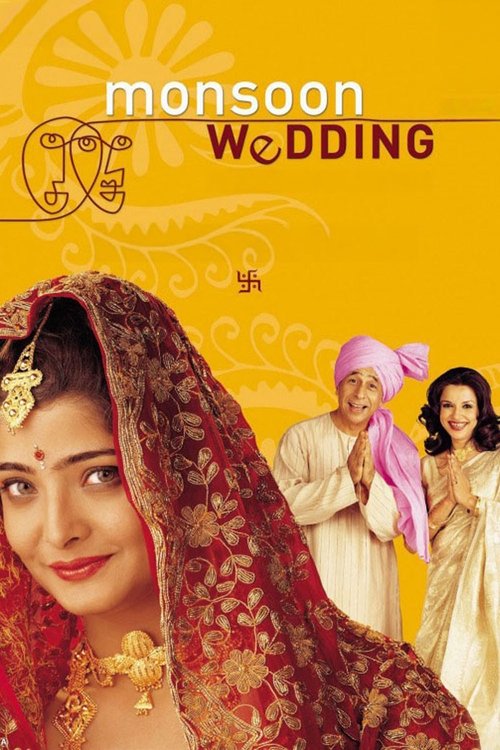
Monsoon Wedding2001
Mira Nair's joyful New Delhi wedding brings together contemporary India with questions of tradition and identity. It's the spiritual inverse of Bhowani Junction—confident, celebratory, looking forward rather than back at empire.
But Tone is comedy-drama rather than epic romance, and the film is very much from an Indian perspective. If you're attached to the colonial viewpoint, the ground shifts beneath you in ways that might feel challenging.
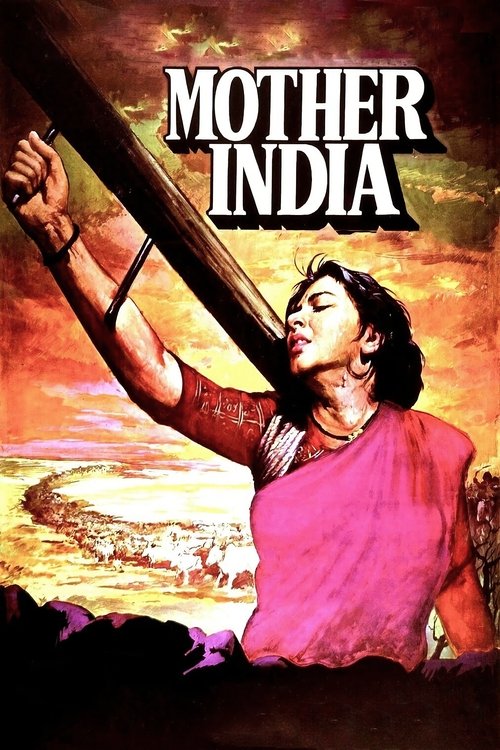
Mother India1957
Victoria Jones is caught between two nations; Radha is defined entirely by one, and the film is her reckoning with that fact. Both films use women as the site where empire and identity collide, but Mother India rejects Gardner's divided consciousness entirely. They are inverse versions of the same question.
Mehboob Khan's masterpiece, shot in 1950s India by an Indian filmmaker about an Indian woman's sacrifice. It's Indian cinema at its most emotionally overwhelming, with Nargis at the center. If you want to see the Raj from the other side, this is it.
But It's structurally melodramatic and emotionally intense—the suffering is unflinching. Subtitled, and of a different cinema altogether. Some viewers find its embrace of maternal sacrifice archaic, even as others see its politics clearly.
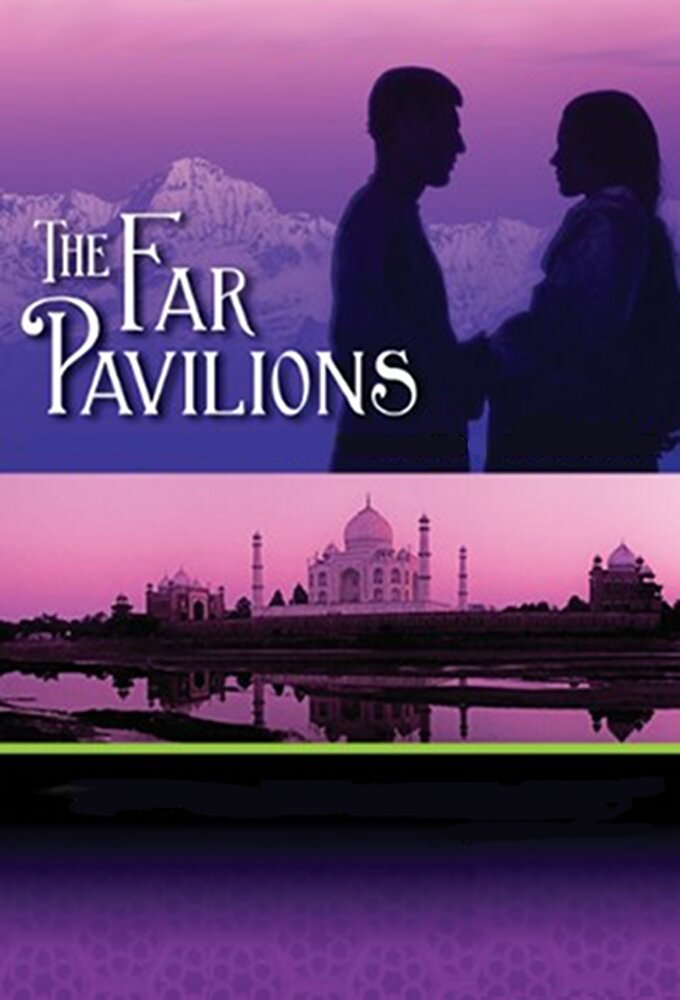
The Far Pavilions1984
Both are mid-century romances that use the end of empire as backdrop for personal crisis. But The Far Pavilions is pulp—unashamed, opulent pulp—while Bhowani Junction reaches for something more serious. Watching them together shows the spectrum of what this historical moment could mean to popular entertainment.
A lavish television adaptation of M.M. Kaye's novel, with Ben Cross and Amy Irving amid armies and intrigue in Afghanistan and India during the Raj. Epic in scale, romantic in impulse, and willing to embrace melodrama the way only television can.
But It's very long, very earnest, and very much a product of 1980s television aesthetics. The plotting can feel soapy; the politics are buried under romance. If you want rigor, this isn't it.
People
Cast
 Ava GardnerVictoria Jones
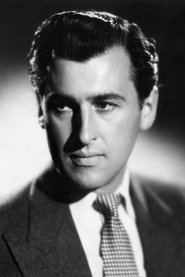 Stewart GrangerCol. Rodney Savage
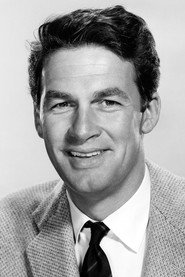 Bill TraversPatrick Taylor
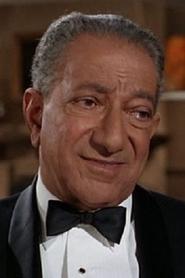 Abraham SofaerSurabhai
 Francis MatthewsRanjit Kasel
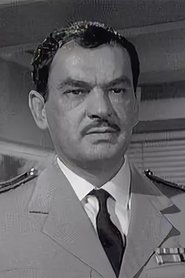 Alan TilvernTed Dunphy
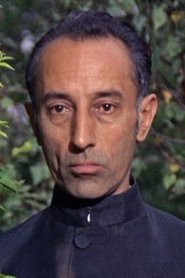 Marne MaitlandGovindaswami
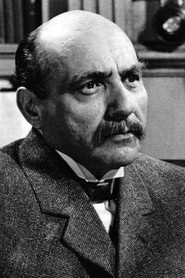 Peter IllingGhanshyam
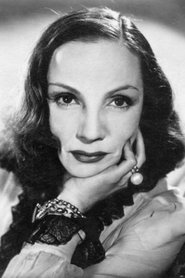 Freda JacksonThe Sandani
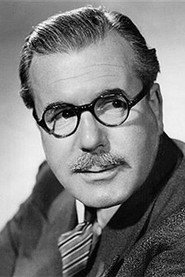 Edward ChapmanThomas Jones
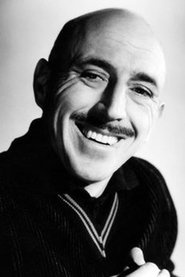 Lionel JeffriesLt Graham McDaniel
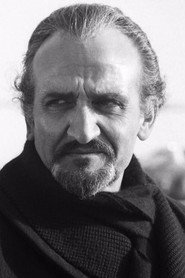 Roger DelgadoTrain Driver
Directing
- George CukorDirector
Writing
- John MastersNovel
- Ivan MoffatScreenplay
- Sonya LevienScreenplay
Production
- Pandro S. BermanProducer
- Dora WrightProduction Manager
- Stanley GoldsmithProduction Manager