
Film
The River
Other titles called The River: the 1938 film, the 1984 film, the 2012 series (ABC).
- Coming-of-age
- Slow-burning
Jean Renoir's first colour film is a luminous meditation on youth, desire and mortality set in colonial India. Shot entirely on location, it watches three young women navigate love and growing up against the eternal Bengal river. Sensual, patient, deeply human—a film that feels like watching life itself unfold.
Should you watch it?
Watch it if you love slow, observational films where the setting does as much work as the plot, and you want to watch a story of young women finding their footing unfold around a river as steady as the seasons.
Skip it if you need brisk momentum or a clear plot to hold you, since this drifts through daily routines and lets its feelings surface slowly rather than building toward a big event.
What it asks of you: Ninety-nine minutes of unhurried scenes, where light, water and small gestures carry more weight than dialogue or suspense.
Not sure? Find tonight's pick in a minute.
If you liked this
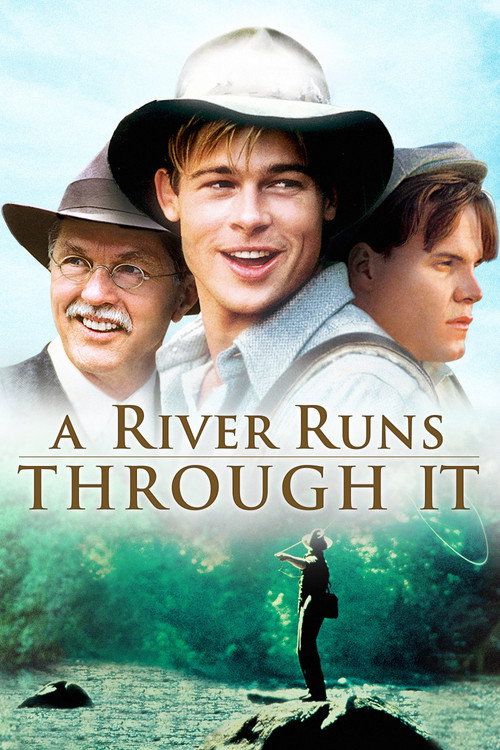
A River Runs Through It1992
Similarly builds profound meaning around a river as backdrop to family life and mortality. Maclean's prose and Redford's direction create the same sense of time's passage and inevitable loss. Visually ravishing.
But American and masculine in sensibility where The River is delicate and feminine. The fly-fishing may feel like a narrower entry point than Renoir's broader canvas.
The Best Years of Our Lives1946
Wyler's masterpiece similarly captures young people at a threshold, returning to ordinary life after upheaval. Same patience with small moments, same faith that internal growth matters as much as plot. Profoundly moving without sentimentality.
But Black and white and American-set. Longer at 170 minutes and more explicitly about trauma, which is heavier emotional weather.

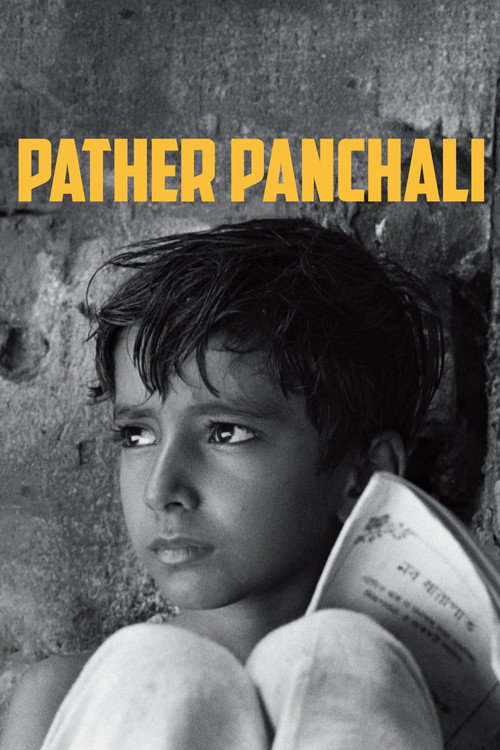
Pather Panchali1955
Ray's debut shares Renoir's reverence for India and ability to find poetry in modest lives. Both films watch childhood and change with tenderness and clarity. The river appears here too, bearing similar symbolic weight about time and loss.
But Slower still than The River, and grainier visually. The poverty depicted is real and sometimes hard to watch. Requires patience even by art-cinema standards.
Not sure tonight? Get a pick in a minute, starting from The River
The wildcard
Something you would not have found on your own.
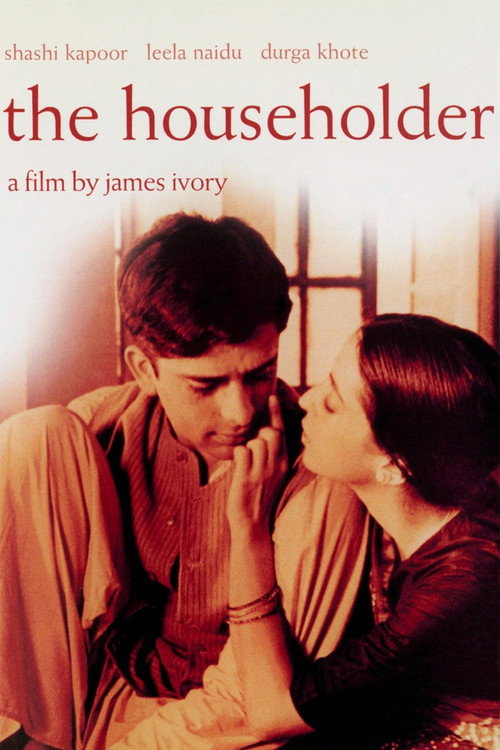
The Householder1963
Both are Western artists working in India with genuine affection and anthropological curiosity, but where Renoir is epic and philosophical, Jhabvala and Merchant are intimate and amused. Different doors into the same country.
Ruth Prawer Jhabvala and Ismail Merchant's debut is a witty, tender comedy about a young marriage in Delhi. It shares The River's intimate knowledge of India and ability to find depth in daily domestic life, but with humour and a lighter touch. A joy.
But Not a prestige film—it's domestic comedy and sometimes feels slight. Black and white on a small budget, so visually modest next to Renoir's colour. You need to meet it on its own gentle terms.
More like this (8)
The Remains of the Day1993
Merchant-Ivory at their finest, examining memory, duty and the costs of restraint. Like The River, it's subtle and visual, trusting viewers to feel what's unsaid. A film about people who cannot quite speak their deepest truths.
But Also set in colonial context but much colder in tone. Hopkins' performance is so controlled it can read as distant. Less visually sumptuous than Renoir's colour.

Mulholland Drive2001
Lynch's Los Angeles reverie shares The River's dreamlike logic and refusal to explain. Both films trust atmosphere and visual poetry over clear narrative. Disorienting in similar ways, asking you to feel rather than understand.
But Fractured structure will frustrate anyone wanting linear storytelling. Dark where The River is luminous. Three hours and genuinely opaque—some see genius, others pretension.

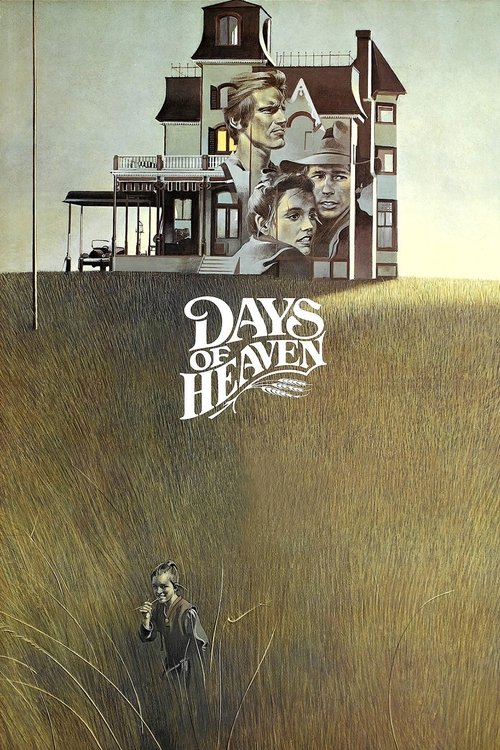
Days of Heaven1978
Malick's visual poem about love and betrayal among migrant workers. Like The River, it prioritises landscape and mood over plot clarity. Shot in the real world, not studios. A film that stops time.
But Almost no dialogue and deliberately withholding emotionally. The narrative is skeletal. If you need movies to explain themselves, this will frustrate you.
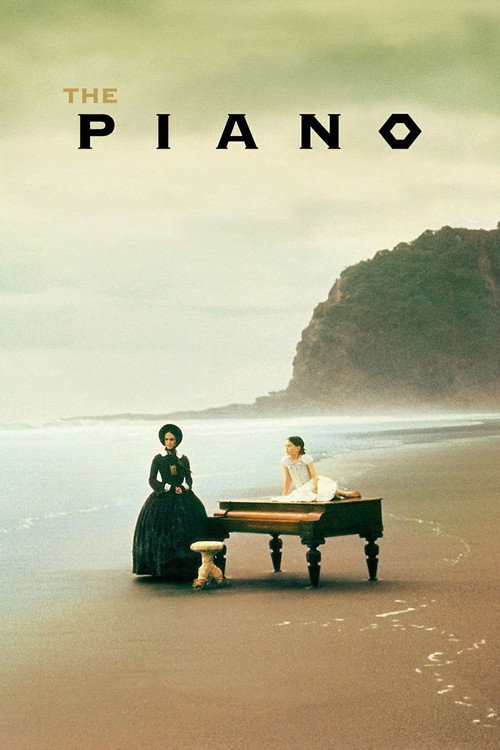
The Piano1993
Campion's New Zealand period film about desire and silence has The River's sensuality and visual richness. Both explore women's interior lives during colonial moments. Lush, strange, unforgettable.
But Sexually explicit in ways that might startle. Darker in tone and more violent. The heroine's mutism echoes The River's restraint but reads as trauma rather than grace.
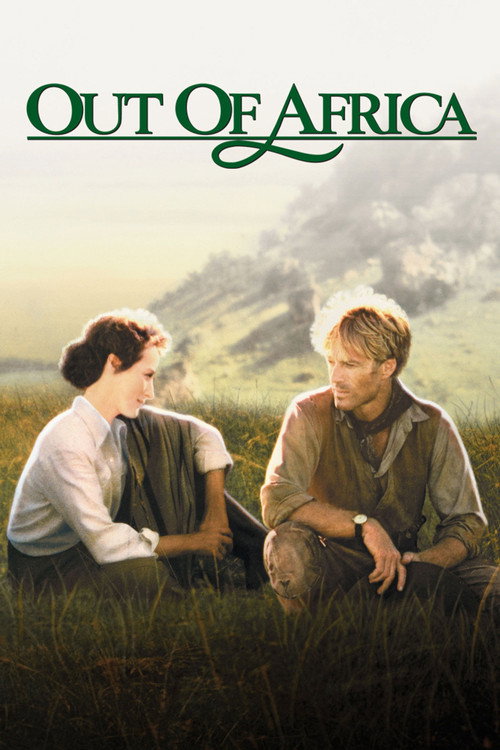
Out of Africa1985
Pollack's epic about love and colonialism in East Africa shares The River's lush cinematography and meditation on connection across cultures. Both films are in love with landscape as much as character.
But Very long at 161 minutes and structurally conventional. Meryl Streep and Robert Redford's romance is the engine, so if that doesn't move you, the film stalls. Oscar-bait grandeur some find hollow.
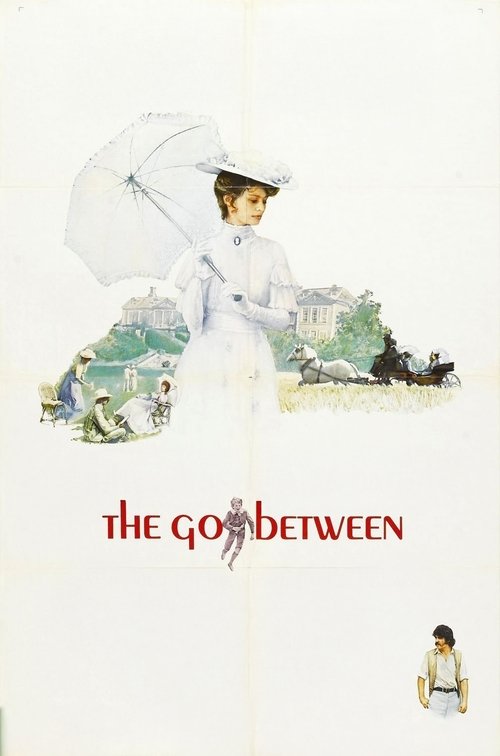
The Go-Between1971
Losey and Pinter's masterpiece about a boy caught between two lovers has The River's elegiac quality and belief in the power of unspoken feeling. Shot in England but shares the emotional reticence of colonial-era storytelling.
But Glacially paced and emotionally reserved. The boy's innocence being shattered is difficult to watch. Requires you to find tragedy in very quiet moments.
Bicycle Thieves1948
Both films believe that watching people live—really live, in their actual context—is enough. No melodrama, no explanation. The river and the bicycle are just there. It's what people do beside them that matters.
De Sica's neorealist masterpiece watches an ordinary man's ordinary day with such clarity that it becomes universal. Like The River, it finds profound human truth in simple things. No plot tricks, no manipulation—just life, filmed with love.
But Italian and post-war poor. Shot in real locations with non-professional actors. Some viewers expect more story structure and find it frustratingly plain. The ending is heartbreaking and offers no comfort.

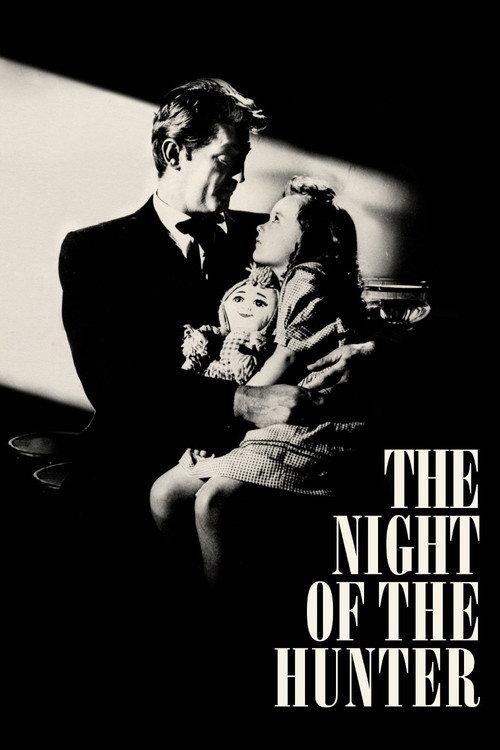
The Night of the Hunter1955
Both are love letters to cinema itself, but The River speaks cinema's lyrical language while Hunter speaks its gothic one. The river is eternal and indifferent; the river here is dangerous and dark. Same symbol, opposite meanings—proof that Renoir and Laughton understood the same visual truth.
Laughton's only directorial effort is a nightmare fairy tale—visually expressionistic in black and white, morally urgent, deeply strange. Where The River is naturalistic, this is pure cinema. A masterpiece that gets better with time.
But Nightmarish and theatrical. Robert Mitchum as a predatory preacher is genuinely unsettling. Uses shadow and distortion rather than location beauty. Some find it overwrought and mannered rather than truthful.
People
Cast
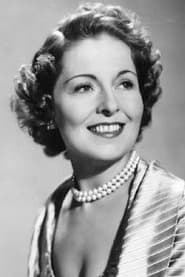 Nora SwinburneThe Mother
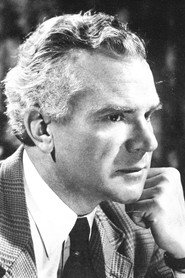 Esmond KnightThe Father
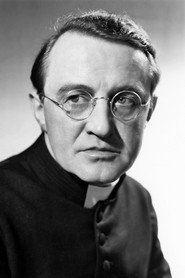 Arthur ShieldsMr. John
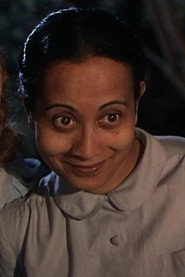
- Thomas E. BreenCapt. John
- Patricia WaltersHarriet
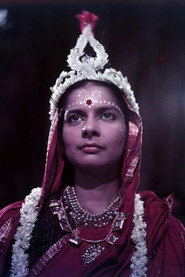 Radha BurnierMelanie
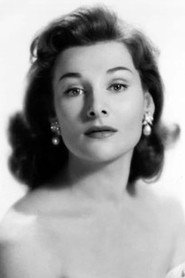 Adrienne CorriValerie
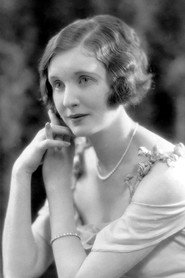 June TrippNarrator (voice)
- Nimai BarikKanu (uncredited)
- Richard R. FosterBogey (uncredited)
- Jane HarrisMuffie (uncredited)
Directing
- Bansi AsheAssistant Director
- Harisadhan DasguptaAssistant Director
- Satyajit RayAssistant Director
- Sukhamoy SenAssistant Director
- Jean RenoirDirector
Writing
- Rumer GoddenNovel
- Jean RenoirScreenplay
- Rumer GoddenScreenplay
Production
- Jean RenoirProducer
- Kenneth McEldowneyProducer
- Kalyan GuptaProduction Manager
Recommended by
Kim, The Life of Oharu, Mother India, Ju Dou, Huckleberry Finn, Green Mansions, Tarka the Otter, The Southerner, Floating Weeds, The Winning of Barbara Worth, Men of the Fighting Lady, Suzaki Paradise: Red Light District, Bhowani Junction, Hold Your Man