
Film
Kim
Kim is a 1950 adventure film set during the British Raj, following a young orphan caught between cultures and competing loyalties. Errol Flynn anchors a sprawling, colour-saturated journey through colonial India that values spectacle and movement over moral complexity. It's fundamentally a boy's own adventure, generous-hearted but unexamined about its imperial setting—best approached as a product of its time.
Should you watch it?
Watch it if you like sun-bleached old Hollywood adventure, where a clever boy's wandering across India and an older guide's quiet wisdom carry more weight than tight plotting.
Skip it if you find 1950s studio storytelling about British India hard to sit through, since its view of the country and its people is dated and the journey can feel episodic.
What it asks of you: Settle in for roughly two hours of unhurried, episodic travel, where the tone stays mostly light even as the politics turn serious.
Not sure? Find tonight's pick in a minute.
If you liked this
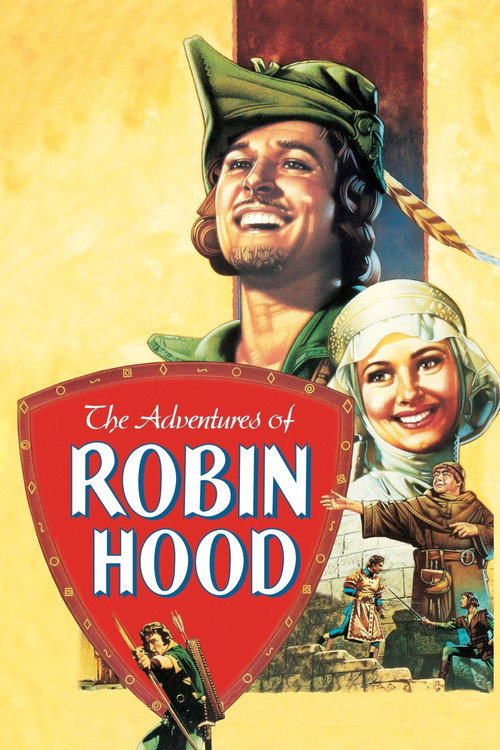
The Adventures of Robin Hood1938
Swashbuckling action from the same studio (Warner Bros.) with similar visual flair, heroic swagger and a charismatic lead who charms his way through moral ambiguity with style.
But The film-making is more refined and the story tighter; Kim can feel loose and digressive by comparison, which may spoil you.
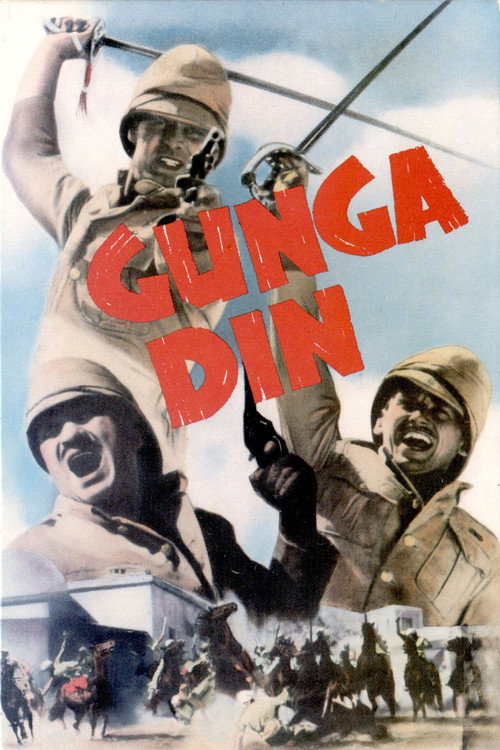
Gunga Din1939
Cary Grant and Douglas Fairbanks Jr. in colonial adventure on the Indian frontier. The same blend of action, comedy, and exotic landscape, with comparable ease about its imperial backdrop.
But Released a decade earlier and shot in black-and-white; the spectacle that thrills in Technicolor feels more staged here.
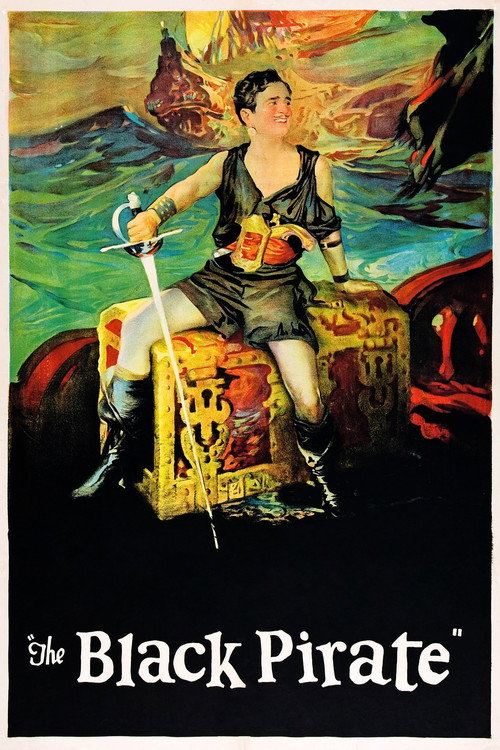
The Black Pirate1926
Douglas Fairbanks in an earlier era of adventure cinema—acrobatic, good-natured, set on exotic waters instead of mountain passes, but driven by the same physical grace and roguish charm.
But It's a silent film, which asks patience modern viewers don't always have, and the colour tinting feels distant compared to Kim's vivid Technicolor.
Not sure tonight? Get a pick in a minute, starting from Kim
The wildcard
Something you would not have found on your own.
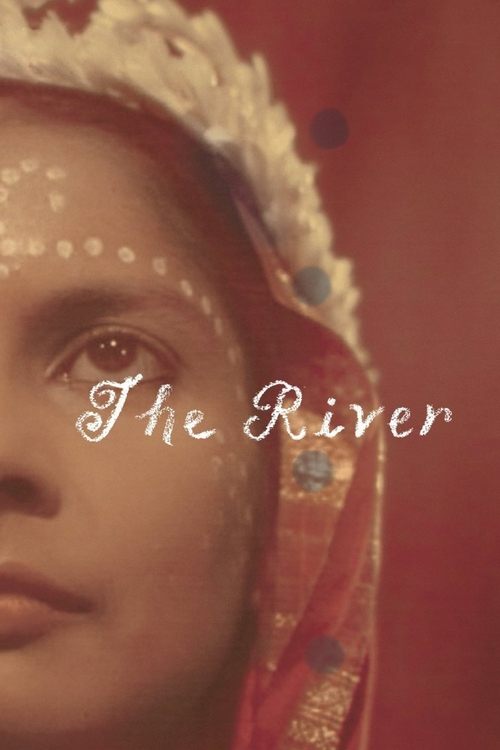
The River1951
Both are British-era Technicolor films set in India, but Renoir's gaze is tender, complex, and focused on inner life where Kim's is outward and imperial. Watch this to see what the same landscape and moment can become in more generous hands.
Jean Renoir's masterpiece, shot in Technicolor in India one year after Kim. A bildungsroman where a group of children navigate love, class, grief and beauty amid the Ganges. Painterly, spiritual, devastatingly human.
But It's a serious film about loss and growing up, not an adventure. The narrative is diffuse, meditative, sometimes slow. It will not feel like Kim at all.
More like this (8)
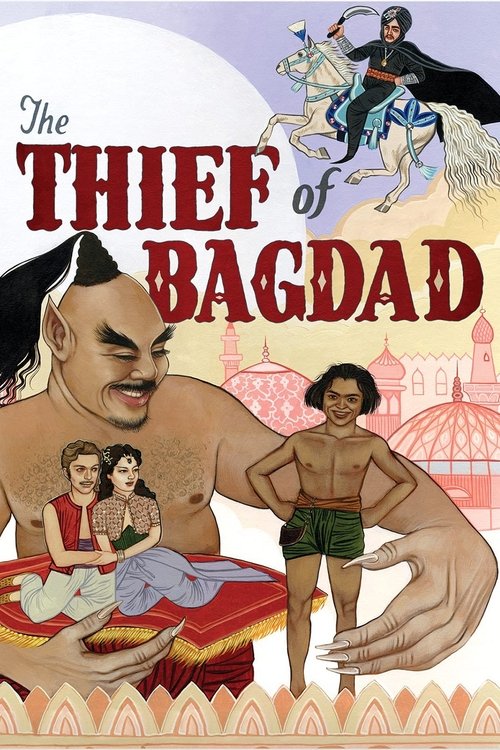
The Thief of Bagdad1940
A British Technicolor fantasy-adventure with similar richness of design and a boy protagonist navigating a magical, colourful world. Playful, generous with spectacle, and emotionally straightforward.
But It's fantasy rather than historical adventure, which shifts the tone; some may find the special effects dated or the fantastical elements too whimsical.
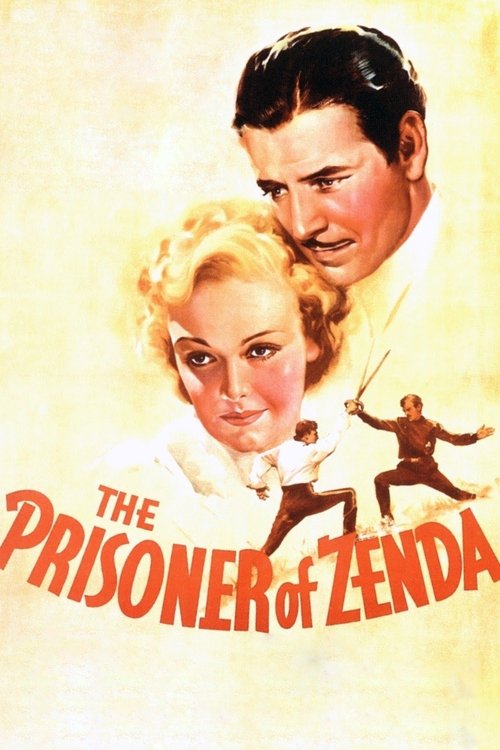
The Prisoner of Zenda1937
Ronald Colman in a rousing tale of identity, loyalty, and derring-do with the same clear moral lines and adventure-serial momentum that make Kim so easy to settle into.
But Set in a fictional European kingdom rather than a real place; lacks the orientalist spectacle and geographical texture Kim draws from India.
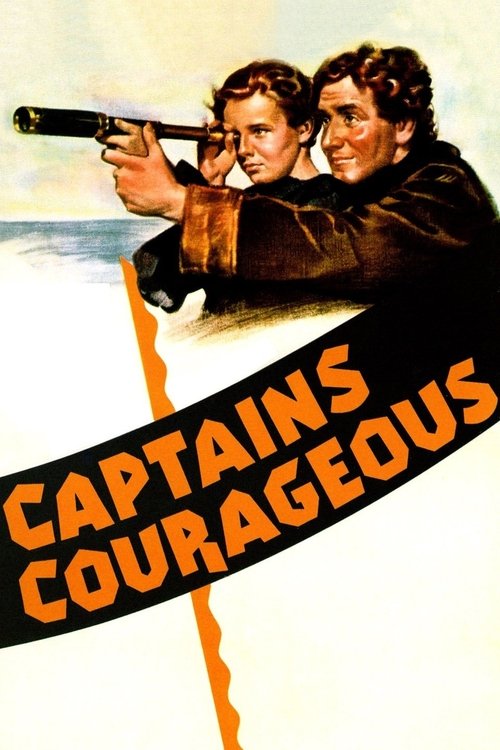
Captains Courageous1937
Spencer Tracy in a coming-of-age adventure where a privileged boy learns manhood and humility through travel and mentorship. A similar emotional through-line to Kim's journey.
But It's set at sea on a fishing boat, which is narrower in scope; you don't get the sweep of landscape and the sense of a vast, mysterious world.
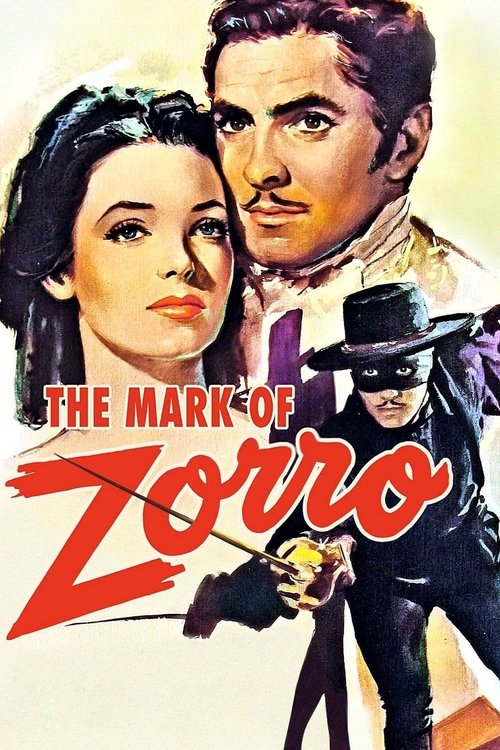
The Mark of Zorro1940
Tyrone Power as a dashing hero playing dual identities and charming authority figures while serving a cause larger than himself. The same lightness about moral compromise, the same romantic adventure.
But It's confined to a Spanish colonial setting and a revenge plot; doesn't have Kim's picaresque scope or sense of a boy's spiritual awakening.
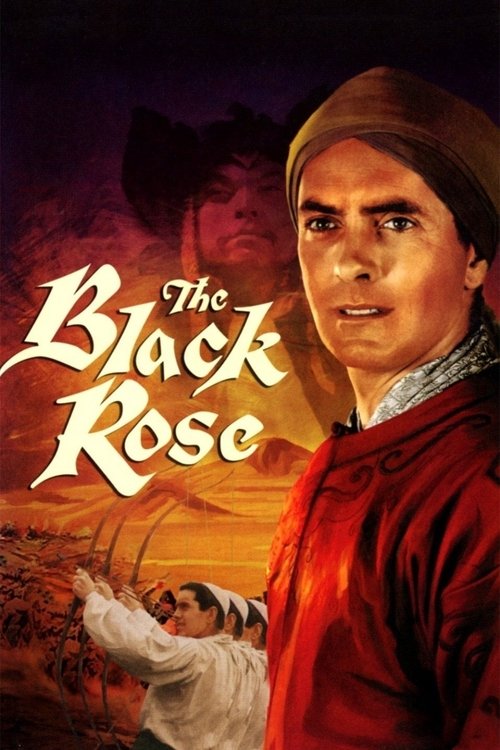
The Black Rose1950
Released the same year as Kim, it follows an English outcast and a beautiful woman across Asia and back to medieval courts. Epic travel narrative with similar ambitions and similar colour-film prestige.
But The romance feels more central and adult; Kim's focus on the boy and his spiritual mentors gives it a different emotional weight.
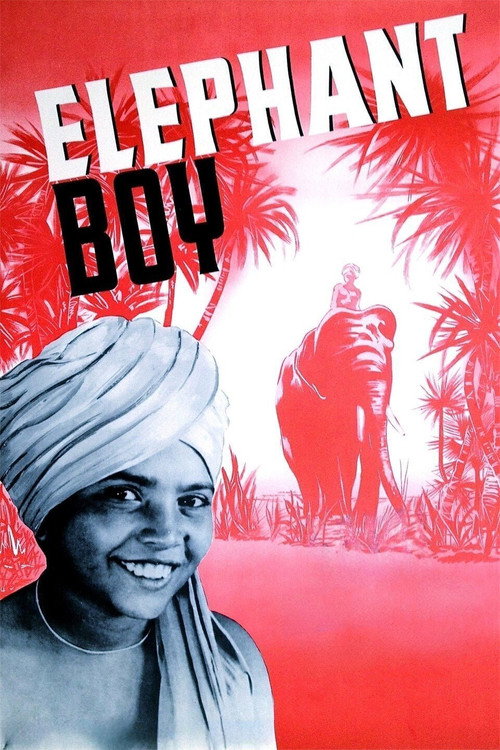
Elephant Boy1937
An earlier British colonial adventure centred on a young Indian protagonist and his relationship with his animal companion. Similar era, similar setting, similar innocence about empire.
But It's much shorter, simpler, and less visually ambitious; feels like a stepping-stone rather than a full-scale production.
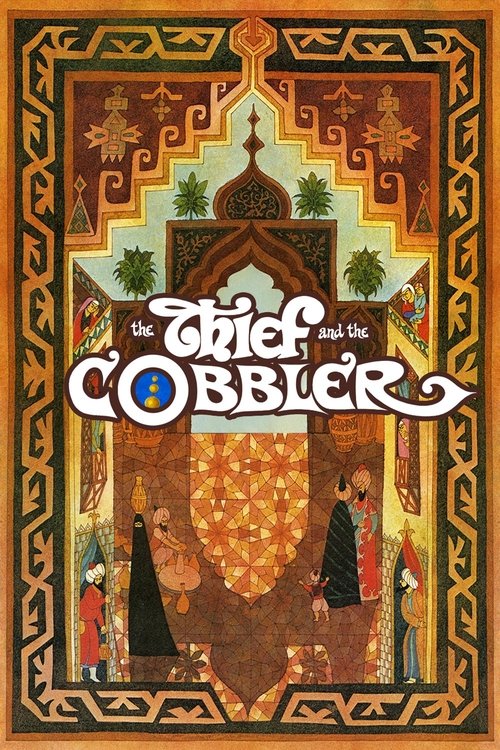
The Thief and the Cobbler1993
Both revel in adventure as a series of incidents and encounters rather than a tightly plotted whole. Both centre a boy figuring out who he is through travel and meeting strangers. Kim tells you it's real; this tells you it's a dream. Same engine, different fuel.
An animated Arabian fantasy structured like a serialized adventure, with a young protagonist on an episodic quest through a magical city. Gorgeously illustrated, endlessly inventive, driven by movement and spectacle rather than dialogue.
But It's a late-career film by Richard Williams with a chaotic production history; the story is thin and sometimes bewildering, and the release is fragmented across different cuts.
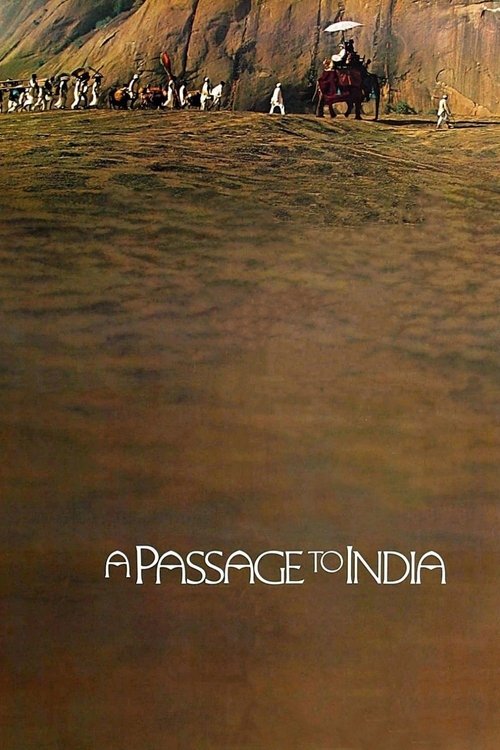
A Passage to India1984
Both films use India's geography and the Raj as their canvas, and both hinge on a relationship that crosses colonial lines. Kim saw that crossing as natural and healing; Lean shows you why it shattered. Watch them as a conversation across thirty years about what that world actually was.
David Lean's final film, adapted from Forster's novel, follows the fractures when a young Englishwoman travels to British India and befriends an Indian doctor. Epic, tender, heartbreaking about connection across an unbridgeable divide.
But It's a grave examination of racism and colonial hypocrisy, not an adventure. The landscapes are gorgeous but the mood is elegiac. Kim leaves you enchanted; this leaves you unsettled.
People
Cast
 Errol FlynnMahbub Ali, the Red Beard

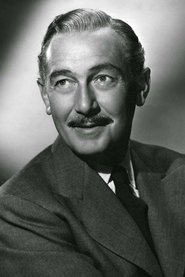 Paul LukasLama
 Robert DouglasColonel Creighton
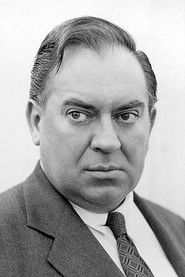 Thomas GomezEmissary
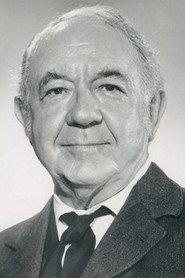 Cecil KellawayHurree Chunder
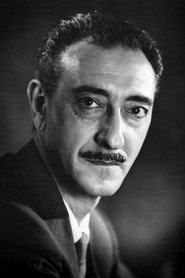 Arnold MossLurgan Sahib
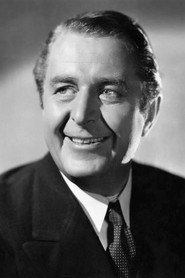 Reginald OwenFather Victor
 Laurette LuezLaluli
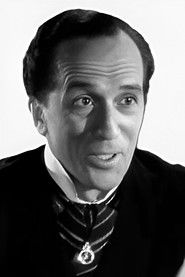 Richard HaleHassan Bey
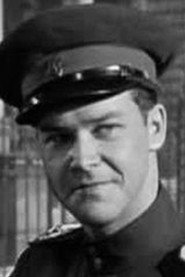 Roman ToporowThe Russian
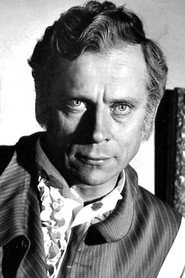 Ivan TriesaultThe Russian
Directing
- Victor SavilleDirector
Writing
- Rudyard KiplingNovel
- Helen DeutschScreenplay
- Leon GordonScreenplay
- Richard SchayerScreenplay
Production
- Leon GordonProducer