
Film
The Winning of Barbara Worth
A 1926 silent epic about ambition, love, and the American West. An engineer and a cowboy compete for a rancher's daughter while irrigating desert land into prosperity. Colman is urbane charm; Cooper is raw frontier authenticity. It's sweeping, earnest, and visually stunning—the kind of old Hollywood that justifies the hype.
Should you watch it?
Watch it if you love silent-era epics where landscape does as much storytelling as the actors, and you don't mind old-fashioned romance played with big gestures and big sky.
Skip it if you need sharp dialogue or modern pacing, since this 1926 silent picture moves at its own unhurried speed and leans hard on melodramatic emotion.
What it asks of you: Under ninety minutes, it asks you to read intertitles, accept silent-screen acting, and settle into a slow, earnest rhythm rather than expecting quick cuts or wry banter.
Not sure? Find tonight's pick in a minute.
If you liked this
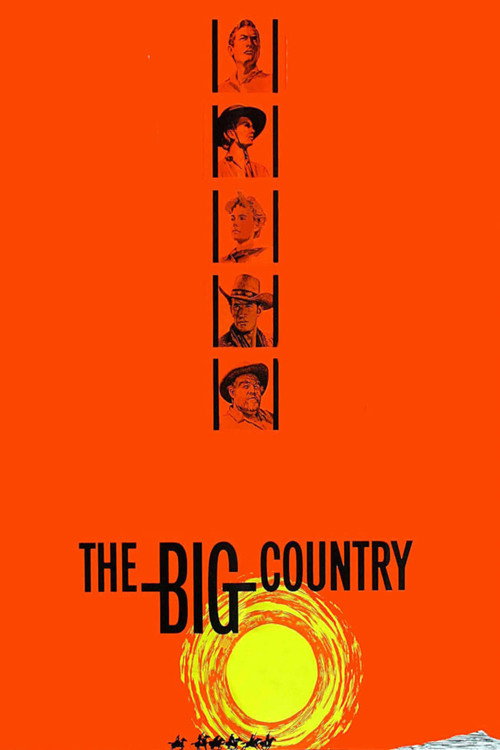
The Big Country1958
A sprawling Western about conflicting visions of land and masculinity, with a similar tension between civilization and wilderness. James Stewart arrives as an outsider who sees the country differently than the locals do.
But Nearly three and a half hours, and the pacing is deliberate. Modern viewers may find the cattle-ranch politics slow compared to action-driven Westerns.
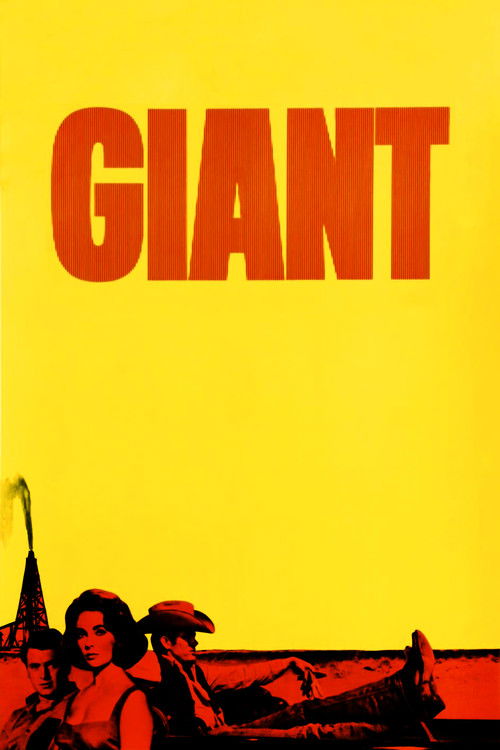
Giant1956
Another grand canvas about ambition, land, and the American dream, with romance at its center. Rock Hudson and James Dean embody the same clash of old and new that drives Barbara Worth.
But It's operatic and uneven. The second half strains under the weight of its own themes, and some performances feel mannered by modern standards.
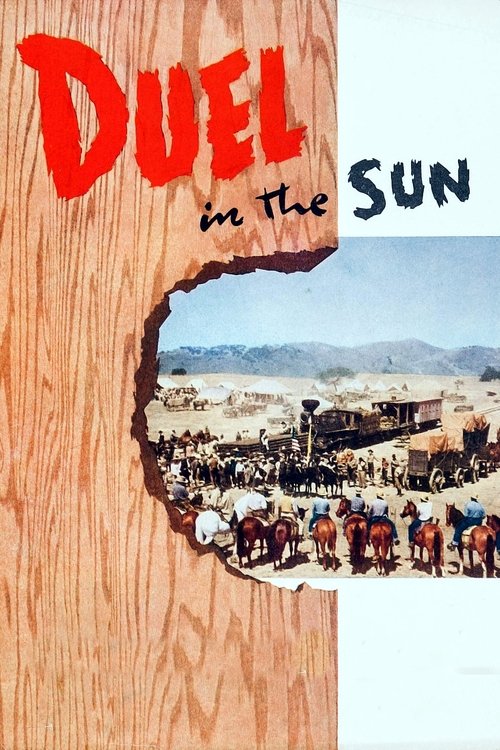
Duel in the Sun1946
A Technicolor melodrama about a woman caught between two men with different claims on the land and on her heart. Passionate, sweeping, and gorgeous—it channels the same romantic intensity as the silent version.
But The sexual politics are complicated and dated. The film occasionally seems unsure whether it's endorsing or condemning its own extremes.
Not sure tonight? Get a pick in a minute, starting from The Winning of Barbara Worth
The wildcard
Something you would not have found on your own.
Sunrise: A Song of Two Humans1927
Both films pit civilization against nature through romance, but Sunrise argues the wilderness (and marriage) are worth more than any city can offer. It's the anti-Barbara Worth.
F.W. Murnau's masterpiece about a man tempted away from rural simplicity by urban sophistication—the exact reversal of Barbara Worth's engineer bringing civilization to wilderness. Shot in 1927, it's visually breathtaking and explores the same moral cost of progress.
But It's German expressionism, not American realism. The emotional intensity is unbearable in places, and some viewers find the stylization cold.

More like this (8)
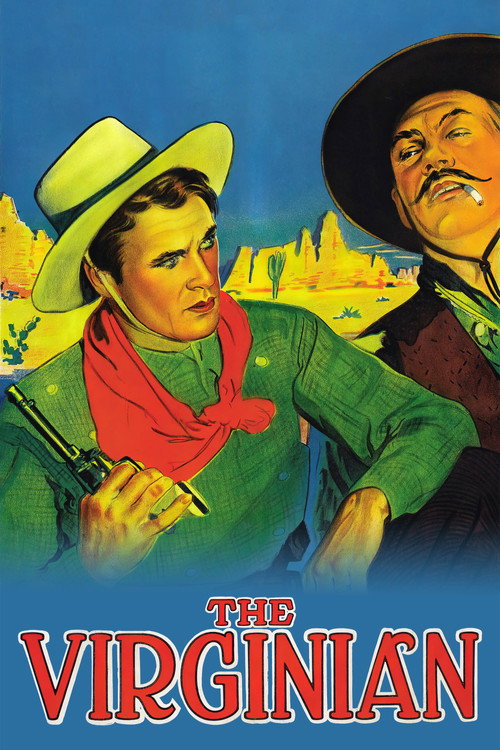
The Virginian1929
Gary Cooper's first talkie, and it captures him in that same frontier-hero role. A direct comparison to his silent work here, showing how the transition to sound changed him.
But Early sound recording is stiff. The dialogue scenes lack the fluidity that silent acting brings, making it feel like a stage play.
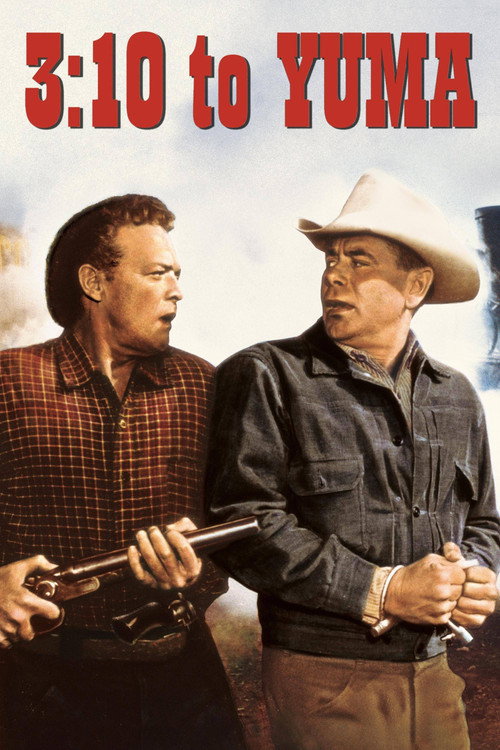
3:10 to Yuma1957
A tense, character-driven Western about competing codes of honor and manhood. Smaller and more intimate than Barbara Worth, but exploring the same moral territory.
But It's a chamber piece, not an epic. If you want landscape and sweep, this trades that for dialogue and psychology.
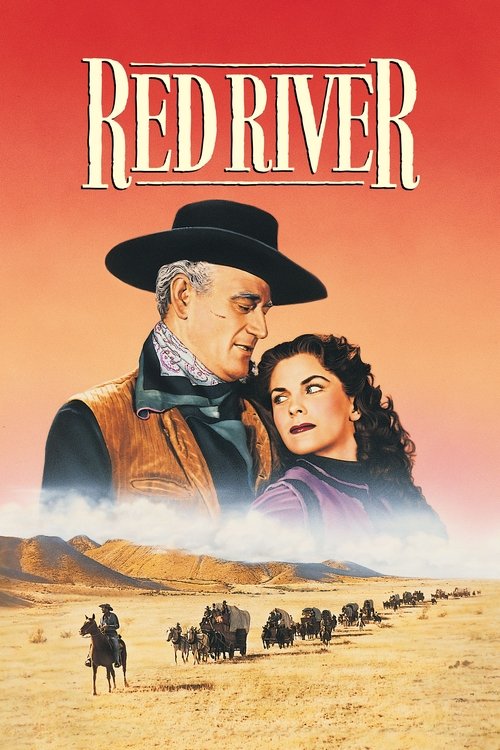
Red River1948
Howard Hawks' masterpiece about the clash between an aging cattleman and his adopted son. Monument Valley, moral conflict, and two male leads at odds—it's thematic poetry in Western form.
But John Wayne dominates the screen in a way that can feel overwhelming. If you prefer ensemble casts or female-centered narratives, this will feel like a monument to male ego.
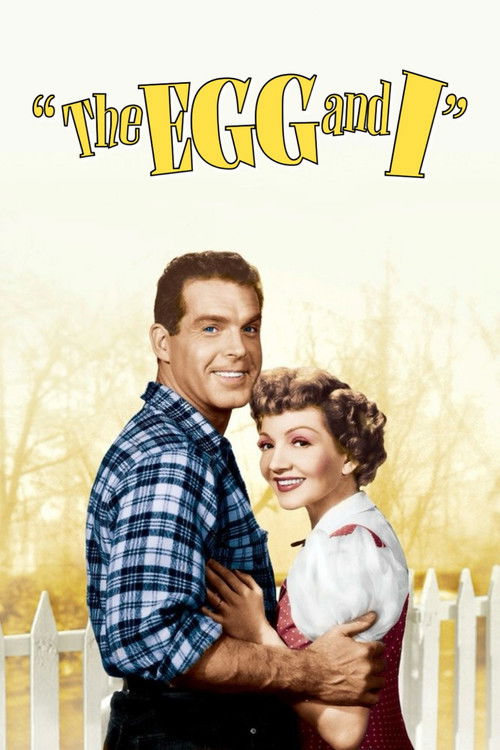
The Egg and I1947
Claudette Colbert as a city woman learning frontier life, opposite Fred MacMurray. A gentler, comic-tinged take on the same collision between civilization and wilderness.
But It's domestic and charming rather than epic. The stakes feel personal rather than mythic—some will find that refreshing, others slight.
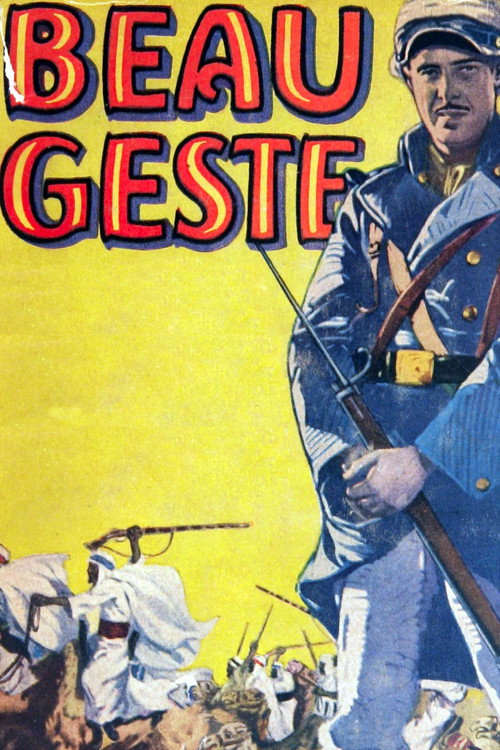
Beau Geste1926
Released the same year as Barbara Worth, this Ronald Colman vehicle shares the same scale and earnestness. A sweeping adventure about honor and sacrifice in exotic spaces.
But The Foreign Legion setting feels dated now. The plot relies heavily on coincidence and melodramatic reveals that strain credulity.
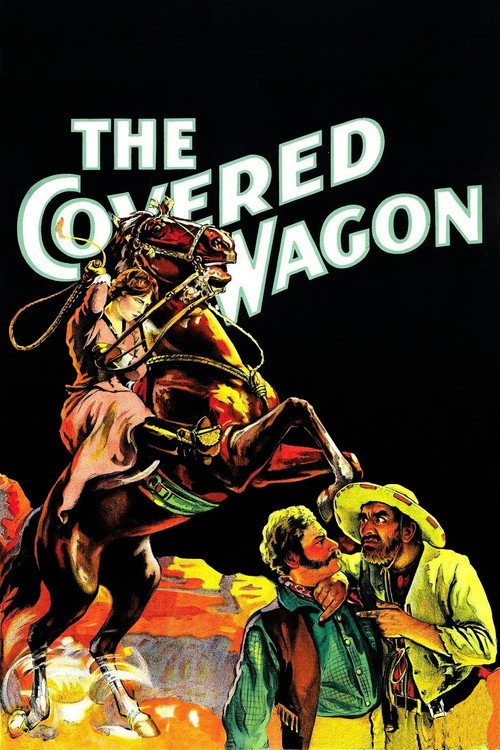
The Covered Wagon1923
An earlier epic about westward expansion, with romance woven through the landscape. If you want the genealogy of Barbara Worth, this is its ancestor.
But It's even slower than the 1926 film. The novelty of the spectacle wore off a century ago, and without that, the pacing can feel glacial.
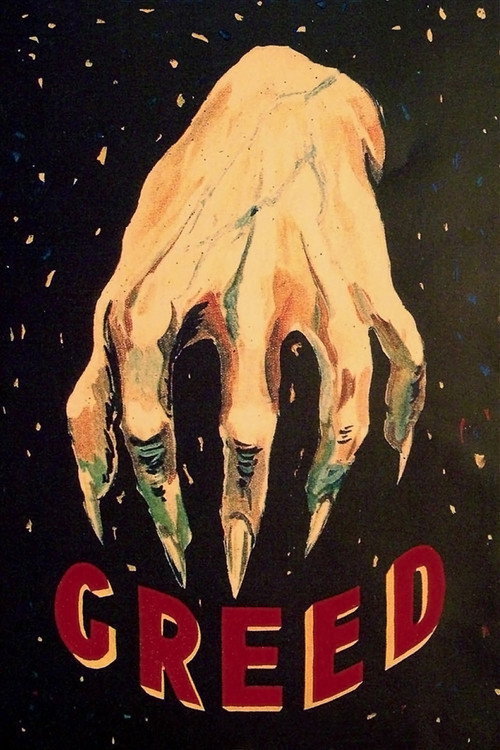
Greed1924
Both use irrigation and desert reclamation as backdrop for human ambition, but Stroheim shows us the rot beneath the dream. Barbara Worth is optimistic; Greed is apocalyptic.
Erich von Stroheim's four-hour epic about greed destroying a marriage against California landscapes. Another 1920s film about the land as both promise and curse, but devastating where Barbara Worth is triumphant.
But The surviving cut is fragmented and incomplete. What remains is powerful but disjointed, and the pacing is genuinely grueling. Not an easy watch.
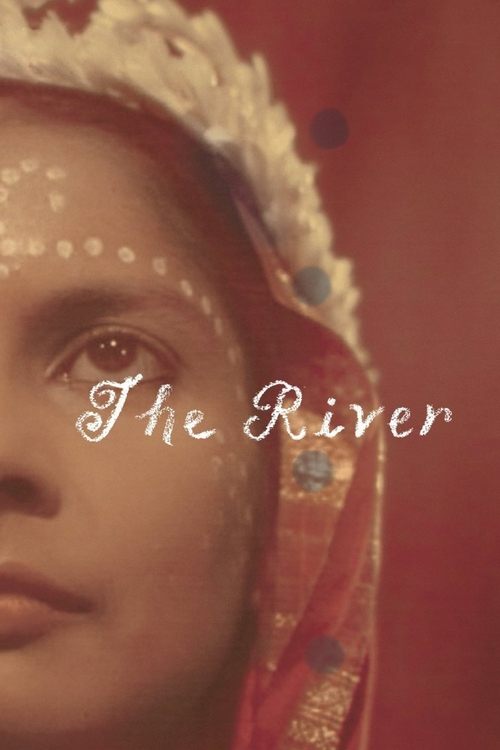
The River1951
Both films are obsessed with water and what humans do with it—one about taming it for progress, the other about surrendering to it. Same subject, opposite philosophies.
Renoir's documentary-style film about the Ganges and the cycles of human life. Instead of conquering the land, it shows humans accepting their place in nature's rhythms. Lyrical, meditative, and hypnotic.
But It has no plot and no dramatic conflict. If you need narrative momentum or character arcs, this will feel like a series of beautiful paintings.
People
Cast
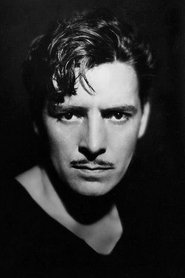 Ronald ColmanWillard Holmes
 Vilma BankyBarbara Worth
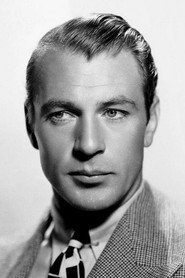 Gary CooperAbe Lee
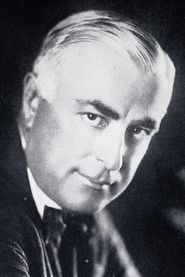 Charles LaneJefferson Worth
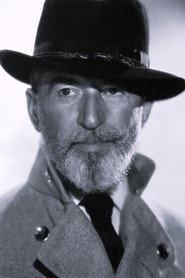 Paul McAllisterThe Seer
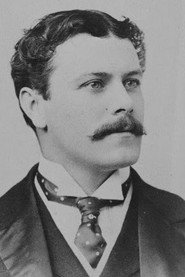 E.J. RatcliffeJames Greenfield
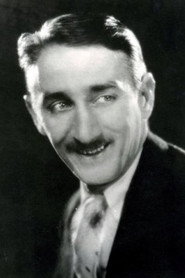 Clyde CookTex
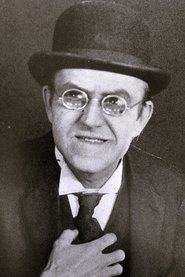 Erwin ConnellyPat Mooney
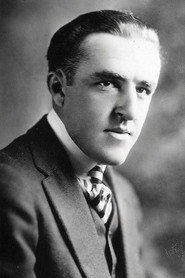 Ed BradyMcDonald
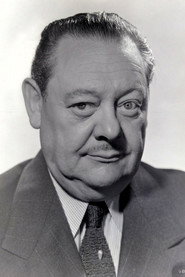 Sammy BlumHorace Blanton
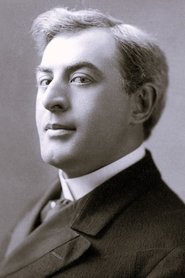 Fred EsmeltonGeorge Cartwright
- Bill PattonLittle Rosebud (as William Patton)
Directing
- Henry KingDirector
Writing
- Frances MarionWriter
- Rupert HughesWriter
Production
- Robert McIntyreCasting
- Samuel GoldwynProducer
Recommended by
Lloyd's of London, The Common Law, Man of the Forest, The Loves of Joanna Godden