
Film
The Common Law
A 1931 romantic drama about an artist and a woman with a scandalous past, built on the tension between desire and respectability. It's a snapshot of how studio films negotiated morality in the pre-Code era—earnest, occasionally tense, occasionally bewildering by modern standards. For anyone curious about how Hollywood handled sex and class before the censors tightened their grip.
If you liked this
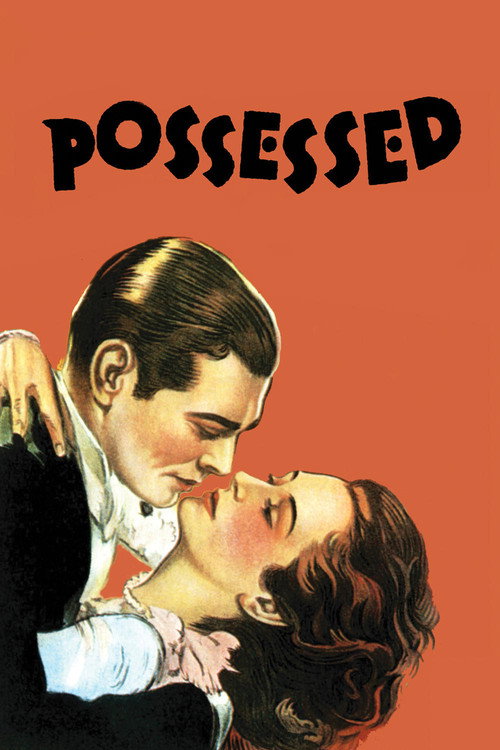
Possessed1931
Joan Crawford as a woman climbing from poverty through romance and ambition, with the same moral complexity and emotional rawness. Crawford's performance has a hunger that cuts through the melodrama.
But The plot pivots on a woman's 'need' for a man's validation in ways that feel dated, even by 1931 standards.
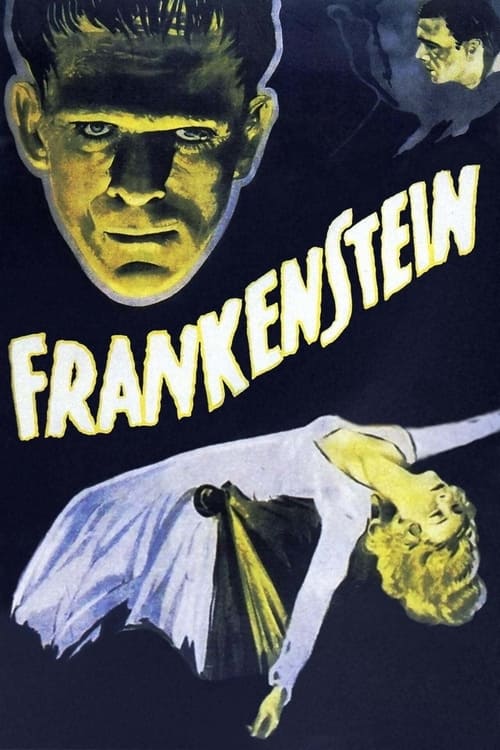
Frankenstein1931
Universal's other prestige drama from the same year, also starring Joel McCrea in a serious role. It has the same slightly stiff, stagy acting style and genuine emotional stakes buried under genre convention.
But If you're expecting horror: this is a character study about creation and responsibility, slow and philosophical.
Waterloo Bridge1931
Another story about a woman's past catching up with her, but with James Robertson Justice and Mae Clarke. The emotional core—shame, redemption, the price of survival—is handled with surprising grace.
But The ending is bleak in a way that might feel punitive if you're not in the right headspace.

Not sure tonight? Get a pick in a minute, starting from The Common Law
The wildcard
Something you would not have found on your own.
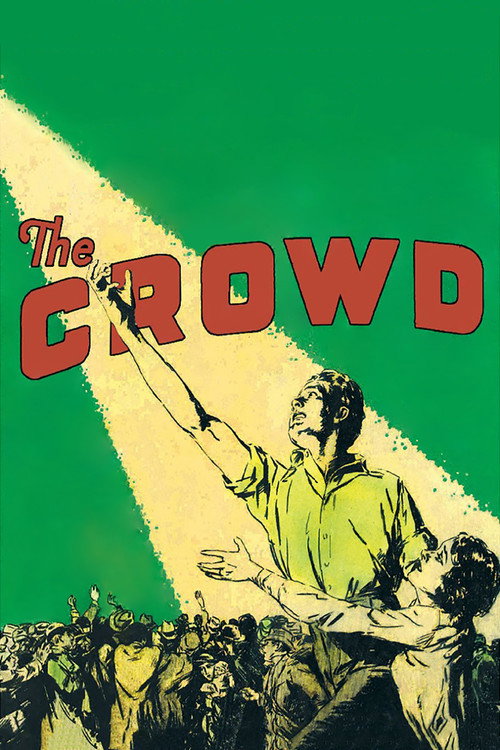
The Crowd1928
Both films center love as a solution to emptiness and class anxiety, but Vidor strips away the romance entirely and shows you what that actually looks like.
King Vidor's masterpiece about ordinary people and how love and marriage are supposed to save them but don't quite, not really. It's shot with documentary precision and emotional honesty that makes The Common Law's melodrama look quaint. You'll recognize the DNA of every marriage drama that followed.
But It's a silent film and deeply pessimistic. If you want reassurance that love fixes things, Vidor will break your heart.
More like this (8)
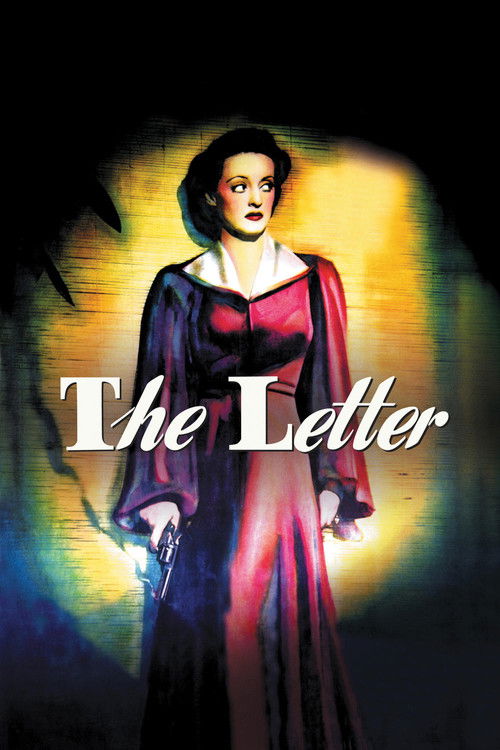
The Letter1940
Bette Davis as a woman whose respectability masks dangerous desires. Far sharper and more morally complex than The Common Law, with the same central question: who gets to define a woman's character?
But It's much darker and more cynical. If you want the romantic hopefulness of the '31 version, this isn't it.
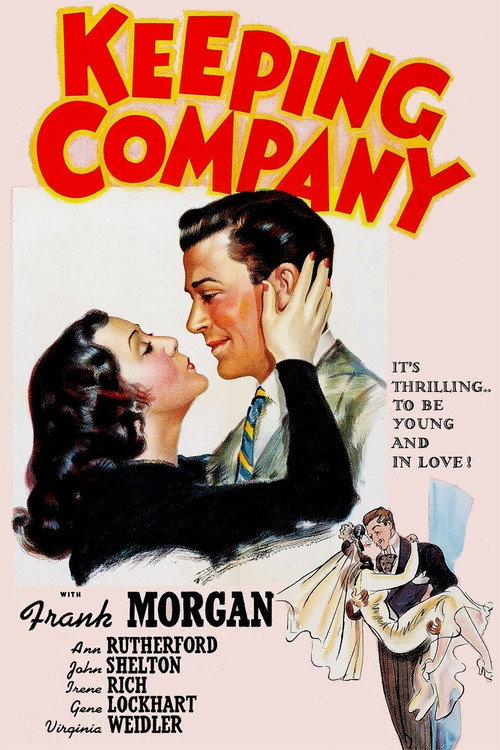
Keeping Company1940
A surprisingly intelligent comedy about courtship, class, and what families expect from love. It has the same earnestness as The Common Law but lets itself be funny about the contradictions.
But It's a lightweight film—no emotional stakes that linger. If you want gravitas, keep walking.
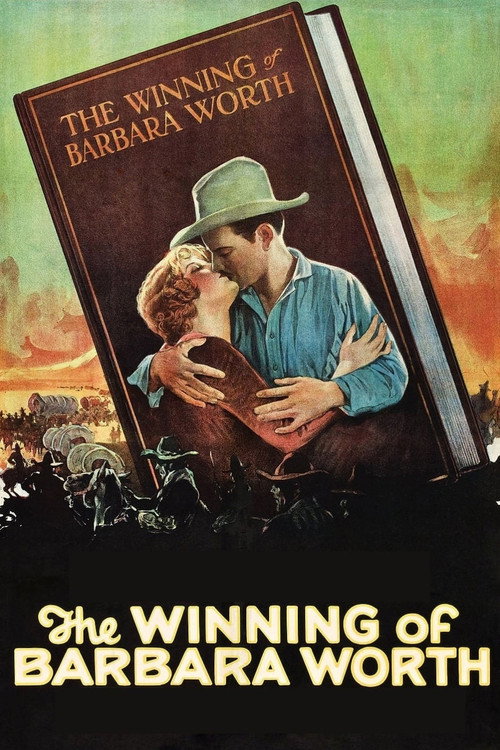
The Winning of Barbara Worth1926
An earlier Constance Bennett film that shows her range before talkies locked her into certain roles. It's epic in scope where The Common Law is intimate, but Bennett's star quality is unmistakable.
But It's silent, which adds a layer of interpretation to every gesture. Some find that enchanting; others find it slow.
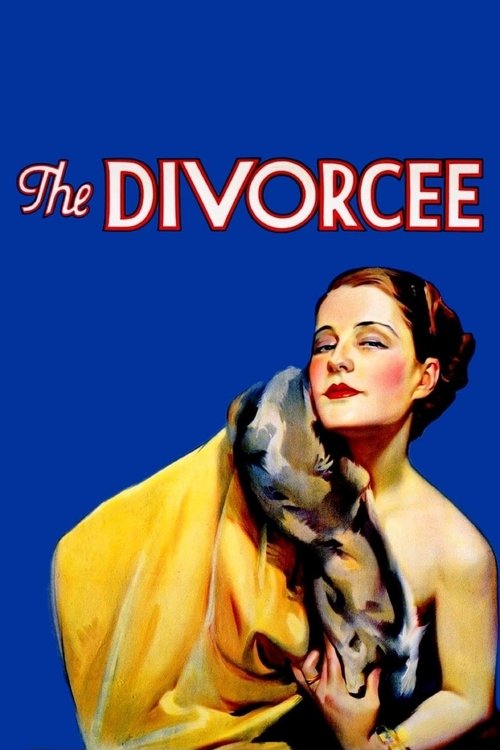
The Divorcee1930
Norma Shearer navigating scandal and social judgment, with the same tonal balancing act between condemning and sympathizing with women who step outside the rules. Shearer's intelligence saves the film.
But The moralizing gets heavy-handed. You're aware, constantly, that a real censor is in the room dictating the ending.
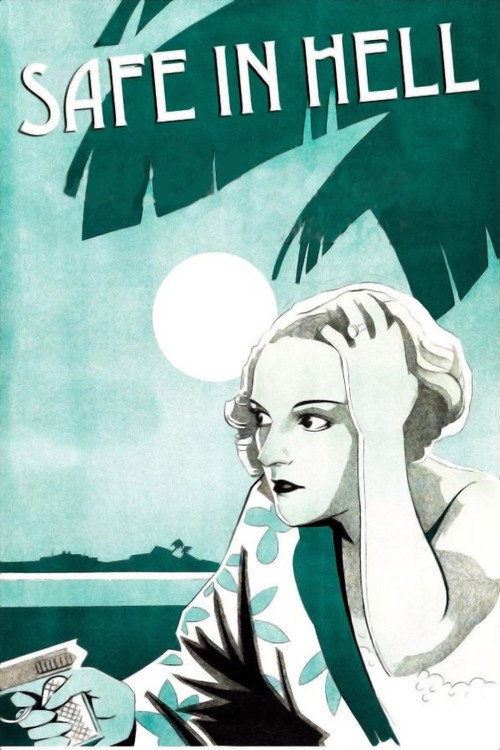
Safe in Hell1931
Dorothy Mackaill as a woman on the run, trying to survive in morally compromised circumstances. Grimy and unglamorous in a way that makes the stakes feel real instead of theatrical.
But The pessimism is grinding. There's no romantic redemption arc—just desperation and diminishing options.
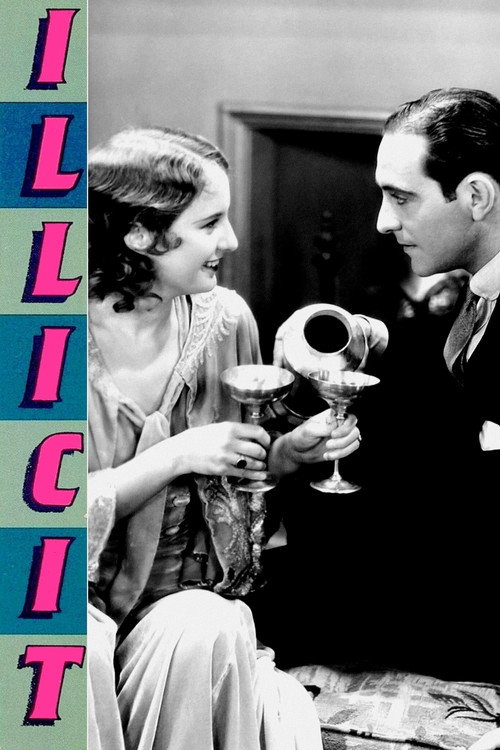
Illicit1931
Barbara Stanwyck in a film that actually interrogates whether women should be punished for choosing their own lives. It's ideologically muddled, but Stanwyck's presence forces the film to take her seriously.
But The script keeps undermining itself, torn between condemning and sympathizing. It's interesting because it's conflicted, but that's exhausting to watch.
Letter from an Unknown Woman1948
Both explore how a woman's feeling can sustain her through humiliation and abandonment—but Ophüls treats it as tragedy, not redemption.
Max Ophüls' chamber piece about a woman's unrequited love for a man who doesn't remember her. It's achingly beautiful and structurally daring, told almost entirely in flashback. Joan Fontaine's performance is a masterclass in restraint and longing.
But The pacing is glacial and deliberately artificial. If you like narrative momentum, this will feel like watching honey pour. And it ends in a way that may infuriate you.

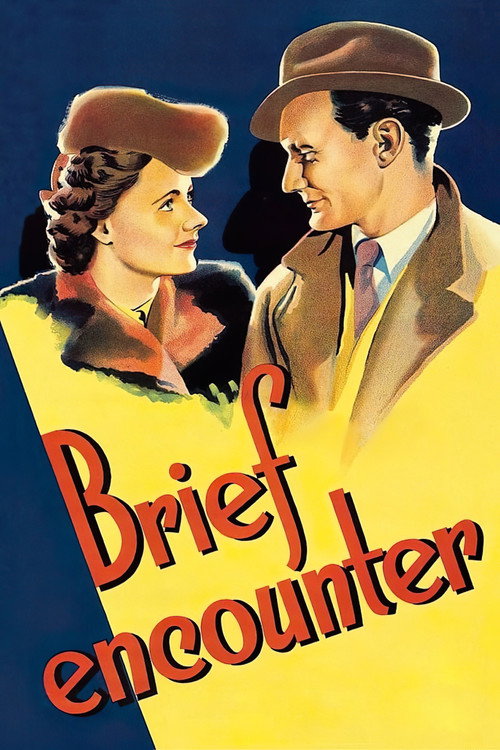
Brief Encounter1945
Like The Common Law, it's built on the question of whether desire can be 'legitimate'—but it suggests the answer is no, and that might be for the best.
Noël Coward and David Lean's miracle: a film about passion between two married people that is somehow both scandalous and completely chaste. It's shot in black-and-white austerity, scored with Rachmaninoff, and absolutely devastating. Celia Johnson gives one of cinema's greatest performances.
But It's about adultery that never becomes physical, and the emotional suppression is so complete it might feel cold. The ending is open-ended in a way many find frustrating.
People
Cast
 Constance BennettValerie West
 Joel McCreaJohn 'Jack' Neville
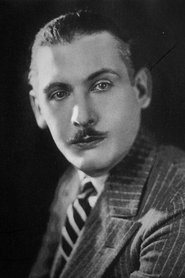 Lew CodyDick Carmedon
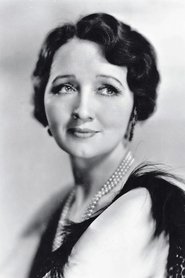 Hedda HopperClaire Neville Collis
- Walter WalkerJohn Neville Sr.
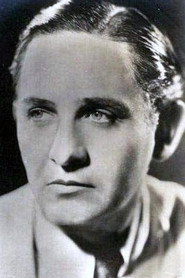
 Marion ShillingStephanie Brown
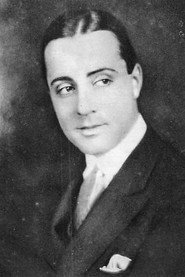 Paul EllisQuerido
 Yola d'AvrilFifi
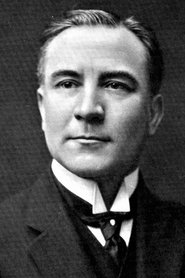 Émile ChautardDoorman (uncredited)
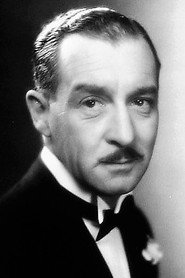 Albert ContiStrangeways Party Guest (uncredited)
 Carrie DaumeryStrangeways Party Guest (uncredited)
Directing
- Paul L. SteinDirector
Writing
- Horace JacksonDialogue
- Robert W. ChambersNovel
- John FarrowScreenstory