
Film
The Letter
Other titles called The Letter: the 1929 film.
A woman shoots a man dead in the Malayan night and claims self-defence. But a letter she wrote before the murder—one that surfaces in her lawyer's investigation—suggests premeditation and passion, not fear. Bette Davis is magnetic and terrible, a portrait of respectability collapsing under its own weight. Taut, brutal, and utterly gripping.
Should you watch it?
Watch it if you savour a tightly wound melodrama where a polished surface hides cracks, and a performance carries most of the weight of the tension.
Skip it if you want fast plotting or lots of action, since this is talky, stage-bound and emotionally buttoned-up, which can feel airless over ninety-five minutes.
What it asks of you: Expect a lean, tightly constructed hour and a half in which almost every scene is built on what a character does not say, so stay alert.
Not sure? Find tonight's pick in a minute.
If you liked this
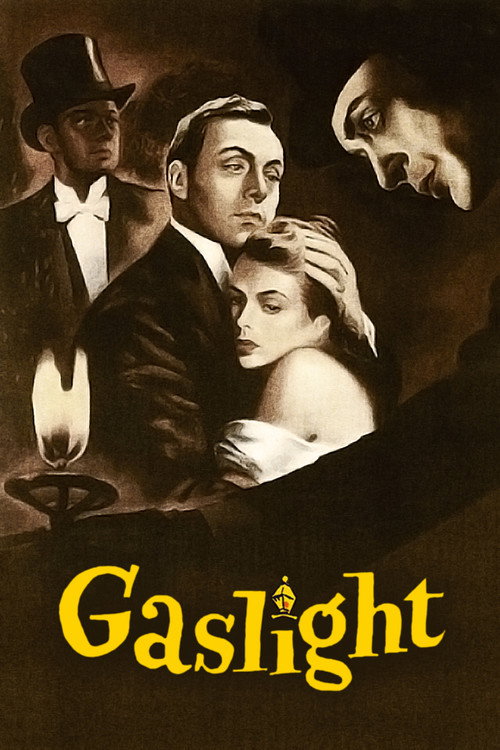
Gaslight1944
Ingrid Bergman and Charles Boyer in a masterclass of psychological manipulation and slow-burn terror. A woman is methodically driven to doubt her own mind, and you feel every crack form.
But The pacing is theatrical rather than propulsive; some will find the 1940s psychology dated, even if the emotional truth remains sharp.
In a Lonely Place1950
Humphrey Bogart as a man whose charm and talent cannot save him from suspicion of murder. A dark meditation on reputation, guilt, and the gulf between appearance and truth that haunts the viewer.
But It's restrained and melancholic rather than dramatic. The ending is quietly devastating in a way that leaves rather than satisfies.

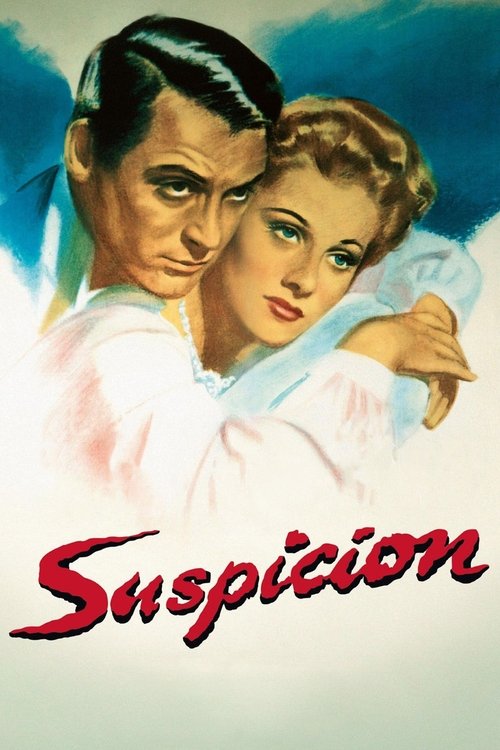
Suspicion1941
Cary Grant against type as a man his wife fears may be a murderer. The paranoia builds exquisitely, and Joan Fontaine's performance is all coiled dread beneath perfect manners.
But The studio-imposed ending undermines everything that came before it, a compromise that rankles if you know the source material.
Not sure tonight? Get a pick in a minute, starting from The Letter
The wildcard
Something you would not have found on your own.
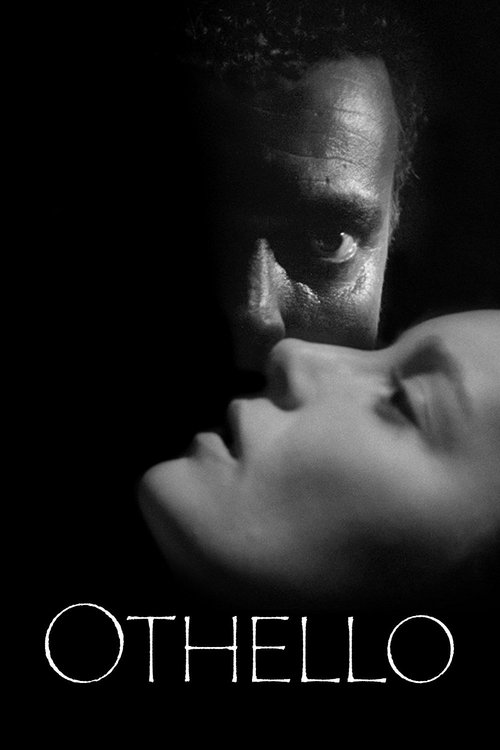
Othello1951
Both are studies of how words—a single letter, a whispered lie—become the instruments of self-destruction more lethal than the crime itself.
Orson Welles directs and stars in Shakespeare's tragedy of jealousy, racism, and the letter as weapon—Iago's lies corrode Othello's mind the way Leslie Crosbie's own letter becomes evidence against her. The connection is structural and thematic: both hinge on how words can destroy more surely than bullets.
But Welles's adaptation is famously fragmented in its construction, shot over years on scattered budgets. It's visually audacious but sometimes feels incomplete, and Shakespeare's language demands more patience than genre cinema.
More like this (8)
The Asphalt Jungle1950
The blueprint for every heist film after it. Tight, unsentimental storytelling that treats criminals as ordinary people with ordinary desperation. A dry, intelligent thriller that never wastes a moment.
But There's no glamour here; it's procedural and matter-of-fact in ways that can feel unglamorous compared to its descendants.

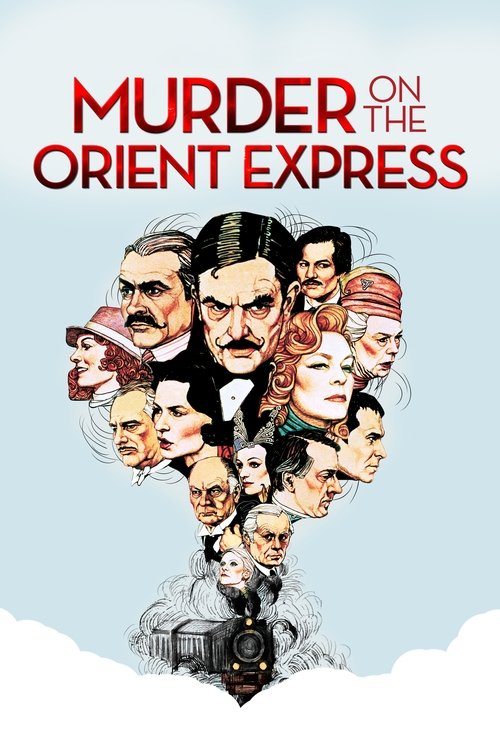
Murder on the Orient Express1974
Agatha Christie's locked-room puzzle adapted with genuine elegance. An ensemble of fearless actors, Albert Finney's impeccable Poirot, and a moral puzzle that stays with you long after the mystery is solved.
But If you value surprise over elegance, the plotting is audacious enough that some will feel manipulated rather than satisfied.
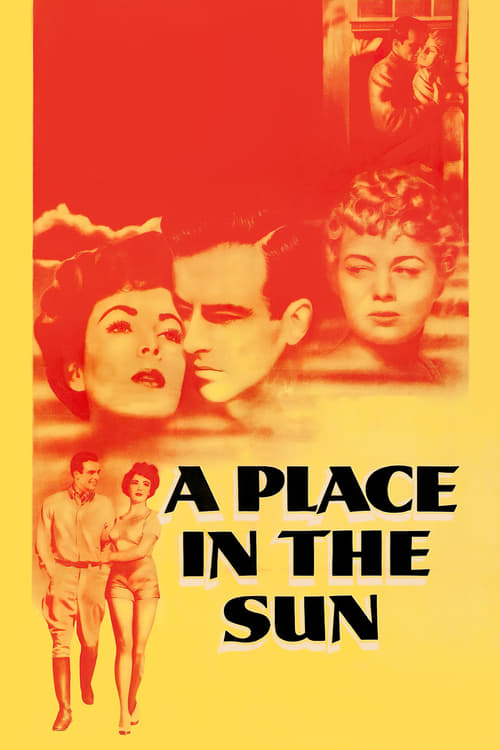
A Place in the Sun1951
Montgomery Clift and Elizabeth Taylor in a tragedy of class and desire that builds toward an act of murder with the inevitability of Greek drama. Visually sumptuous and emotionally devastating.
But It's slow and emotionally heavy; the social commentary can feel overwrought to modern ears, and the pacing demands patience.
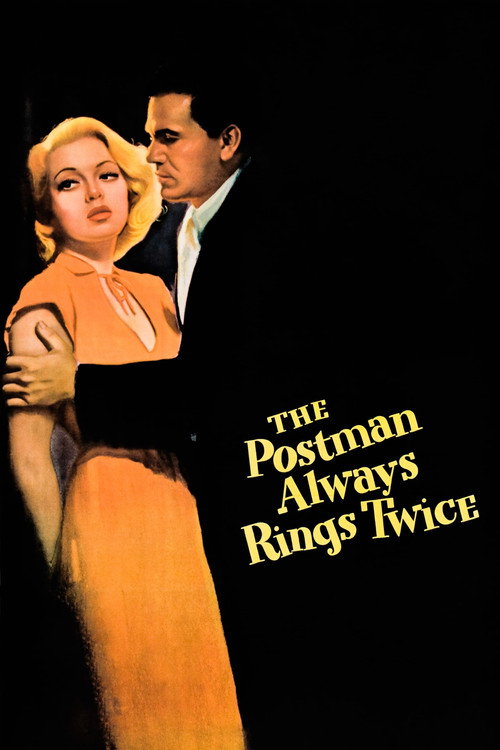
The Postman Always Rings Twice1946
Lana Turner and John Garfield's explosive chemistry kindles the most dangerous crime of all: passion. Raw, sultry, and unafraid of its own lurid pulp origins, it's pure noir seduction.
But The eroticism feels quaint now, and the plot relies on contrivances that creak if you're watching for logic rather than mood.
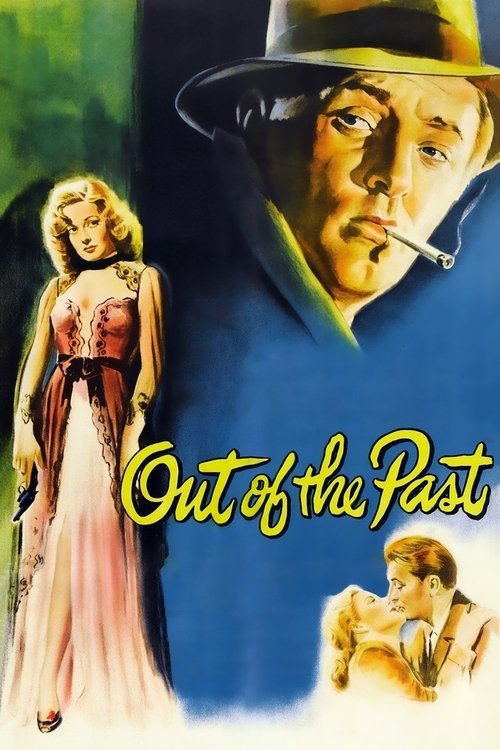
Out of the Past1947
Robert Mitchum caught between femmes fatale in the definitive noir. Cynical, beautiful, with dialogue that cuts and a fatalism that feels earned rather than affected.
But If plot clarity matters to you, the machinations can get tangled; some will find the nihilism exhausting rather than bracing.
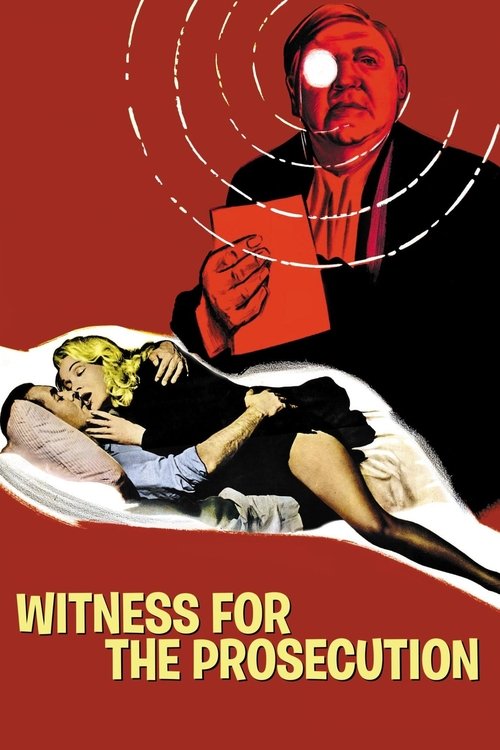
Witness for the Prosecution1957
Billy Wilder's courtroom thriller with Tyrone Power and Marlene Dietrich. A marvel of construction that respects the audience's intelligence and rewards close attention with a twist that lands perfectly.
But It's longer than it needs to be, and the trial scenes can feel stagey if you're impatient with dialogue-heavy cinema.
In the Mood for Love2000
Like Leslie Crosbie, the characters are trapped within social conventions and respectability. The real drama is internal, unspoken, and all the more lethal for it.
Wong Kar-wai's film of two people discovering their spouses are having an affair, told in languorous, exquisite colour and barely-suppressed desire. It's a meditation on restraint, propriety, and the violence done by silence in a world of appearances.
But It's deliberately paced and visually baroque; plot is subordinate to mood. If you watch for narrative momentum or clear emotional beats, the glacial pacing will frustrate you.

The Third Man1949
Both expose the hollowness beneath respectability—the perfect friend, the perfect wife—and ask what you do when the letter arrives and certainty shatters.
Carol Reed's Vienna-set thriller with Orson Welles and Joseph Cotten. A man discovers his old friend is a criminal, and must navigate the gap between the person he knew and the reality before him. Graham Greene's script is intelligent, the zither score is unforgettable, and the moral ambiguity bites.
But The famous cuckoo-clock speech is easy to parody, and the plot turns on contrivances that matter less than atmosphere; if you need tight logic, you'll chafe.

People
Cast
 Bette DavisLeslie Crosbie
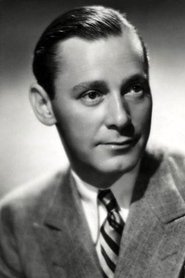 Herbert MarshallRobert Crosbie
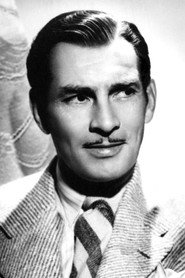 James StephensonHoward Joyce
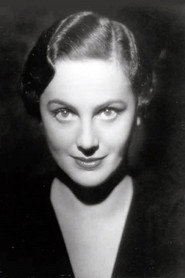 Frieda InescortDorothy Joyce
 Gale SondergaardMrs. Hammond
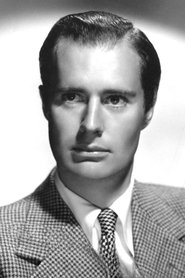 Bruce LesterJohn Withers
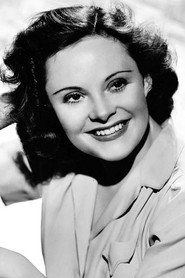 Elizabeth InglisAdele Ainsworth
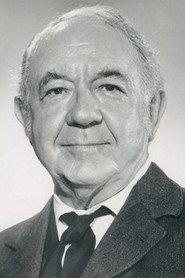 Cecil KellawayPrescott
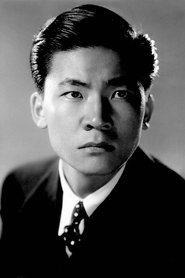 Victor Sen YungOng Chi Seng
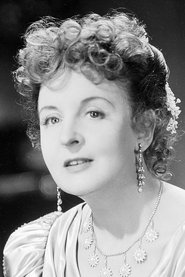 Doris LloydMrs. Cooper
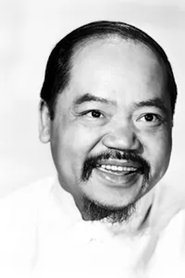 Willie FungChung Hi
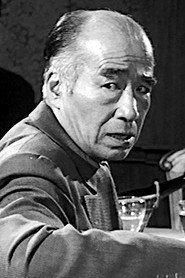 Tetsu KomaiHead Boy
Directing
- William WylerDirector
Writing
- Howard E. KochScreenplay
- W. Somerset MaughamTheatre Play
Production
- Robert LordAssociate Producer
- Jack L. WarnerExecutive In Charge Of Production
- Hal B. WallisExecutive Producer
- William WylerProducer
Recommended by
Baby Face, The Divorcee, Mildred Pierce, The Browning Version, Old Acquaintance, Anna and the King of Siam, Craig's Wife, The Little Foxes, Anna Karenina, Of Human Bondage, Madame Bovary, East Side, West Side, Jezebel, The Bad Sister, The Invisible Woman, Dangerous, The Great Lie, Undercurrent, The Passionate Friends, Under Capricorn, A Woman's Face, A Stolen Life, Five and Ten, Red Dust, The Roman Spring of Mrs. Stone, Since You Went Away, Madame X, All This, and Heaven Too, In This Our Life, Mr. Skeffington, The Paradine Case, The Marquise of O, Lydia, Back Street, In the Cool of the Day, The Common Law, The Easiest Way, A Free Soul, The Woman on Trial, Lajwanti, To Each His Own, Ek-Hi-Rasta, Vigil in the Night